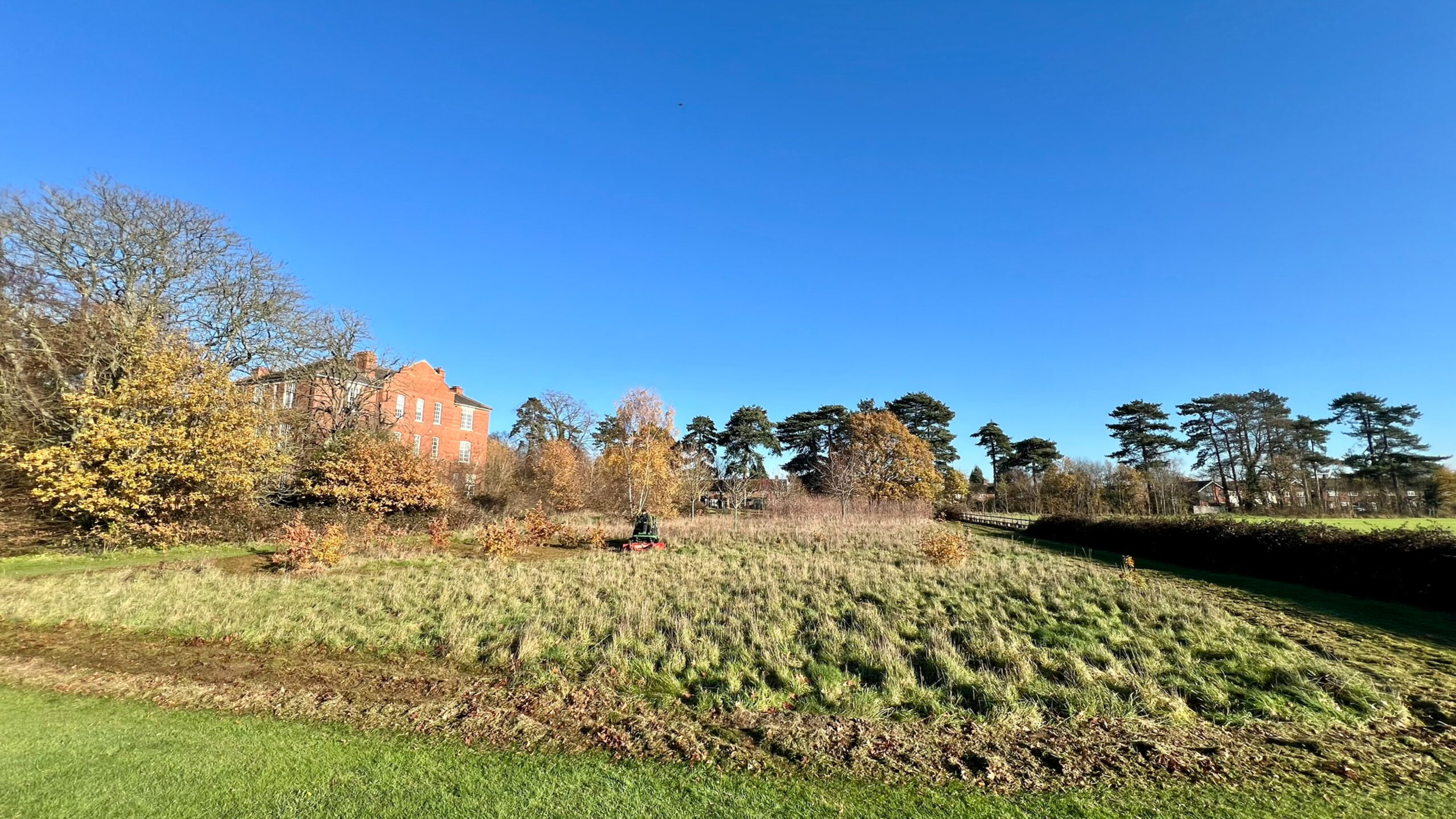
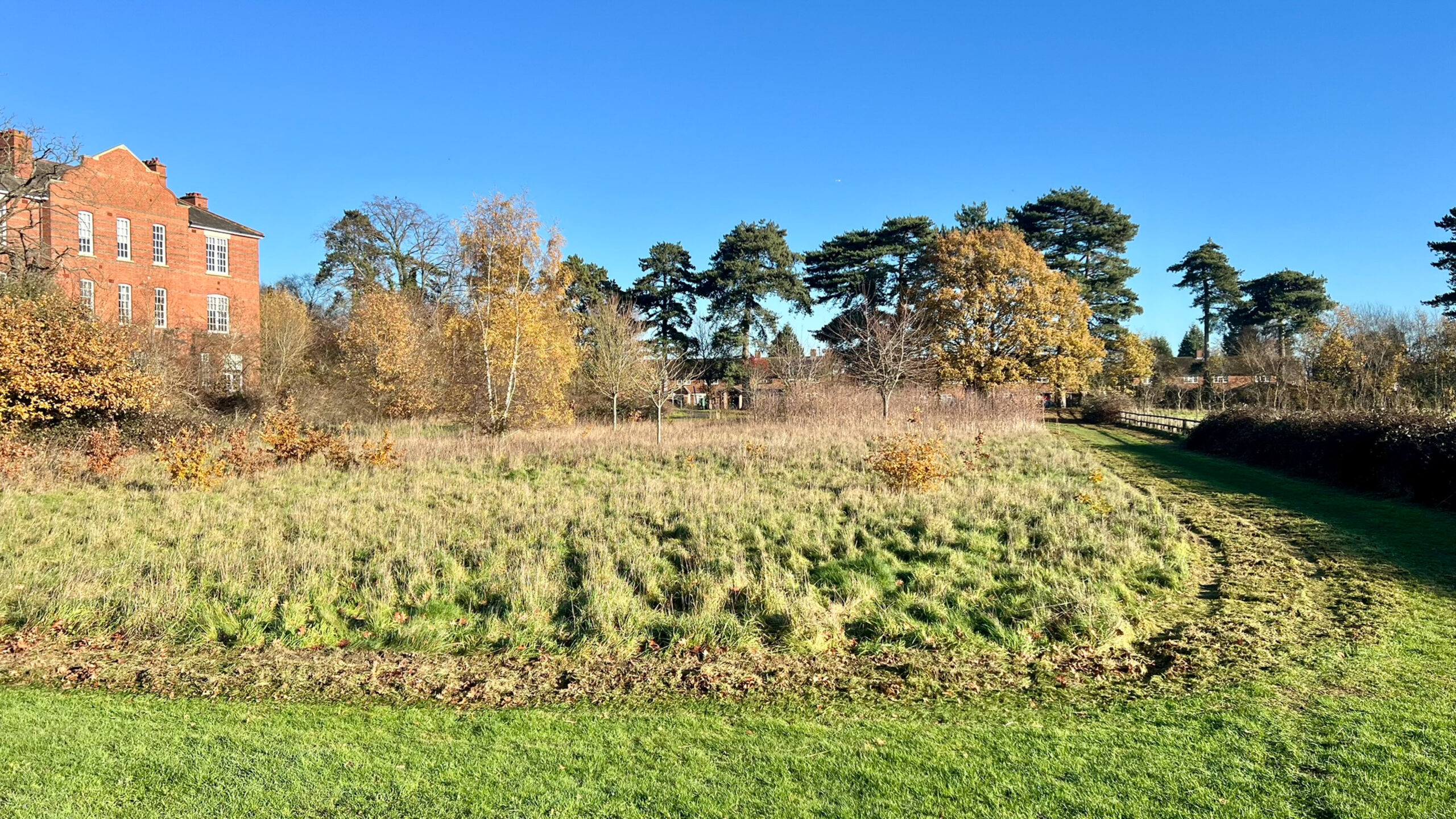
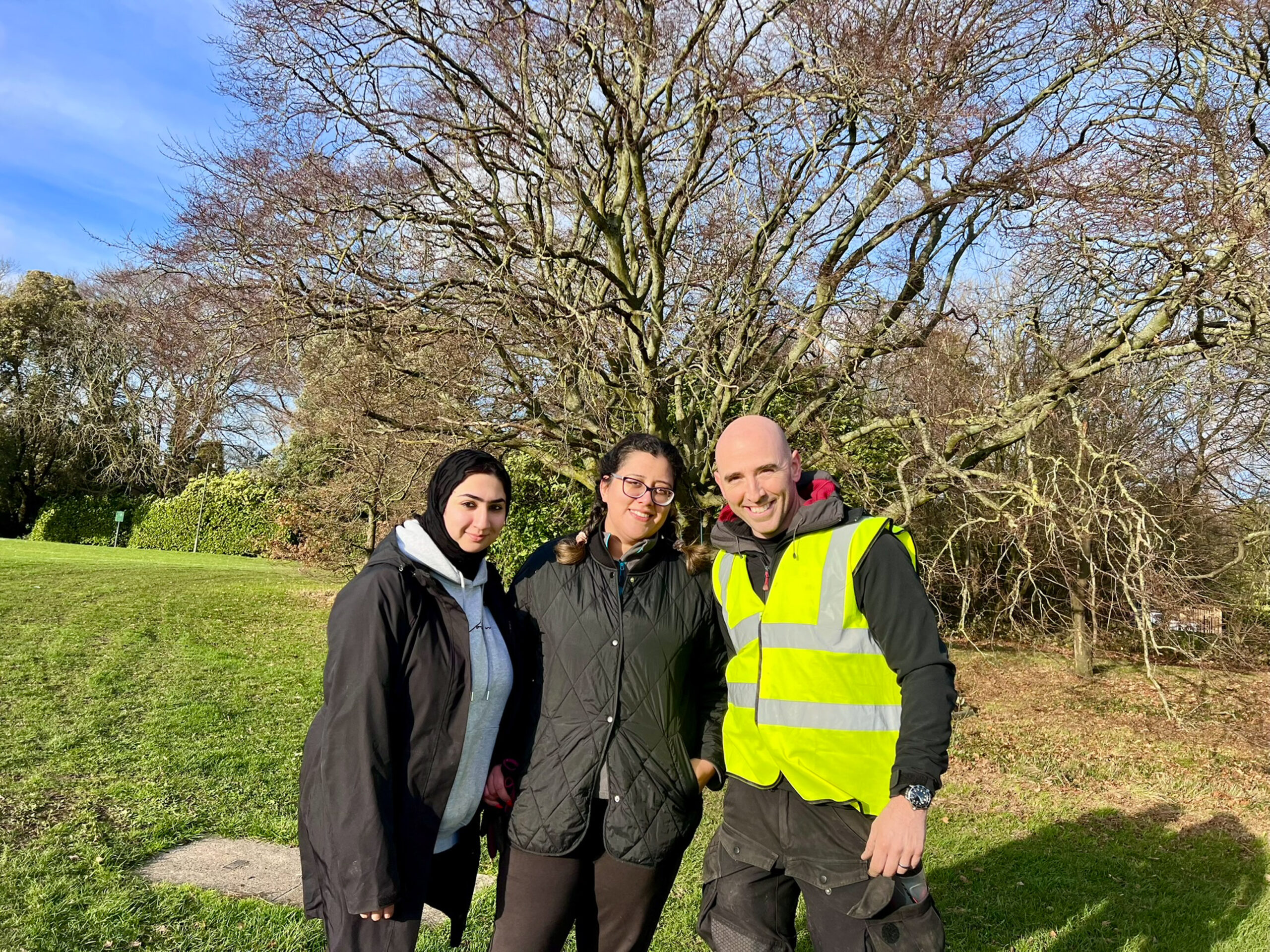
The London Colney Big Tree Plant has brought together a remarkable cross-section of the community for a powerful act of collective environmental action.
Delivered by London Colney Parish Council and made possible thanks to £3,000 of funding from Hertfordshire County Council’s Environmental Improvement Grant, the project transformed parish council scrubland into the foundations of a future rewilded haven. The grant is a small but impactful fund available to people and groups hoping to improve nature on their land and in their local communities – support that has already delivered tangible benefits for both wildlife and residents.
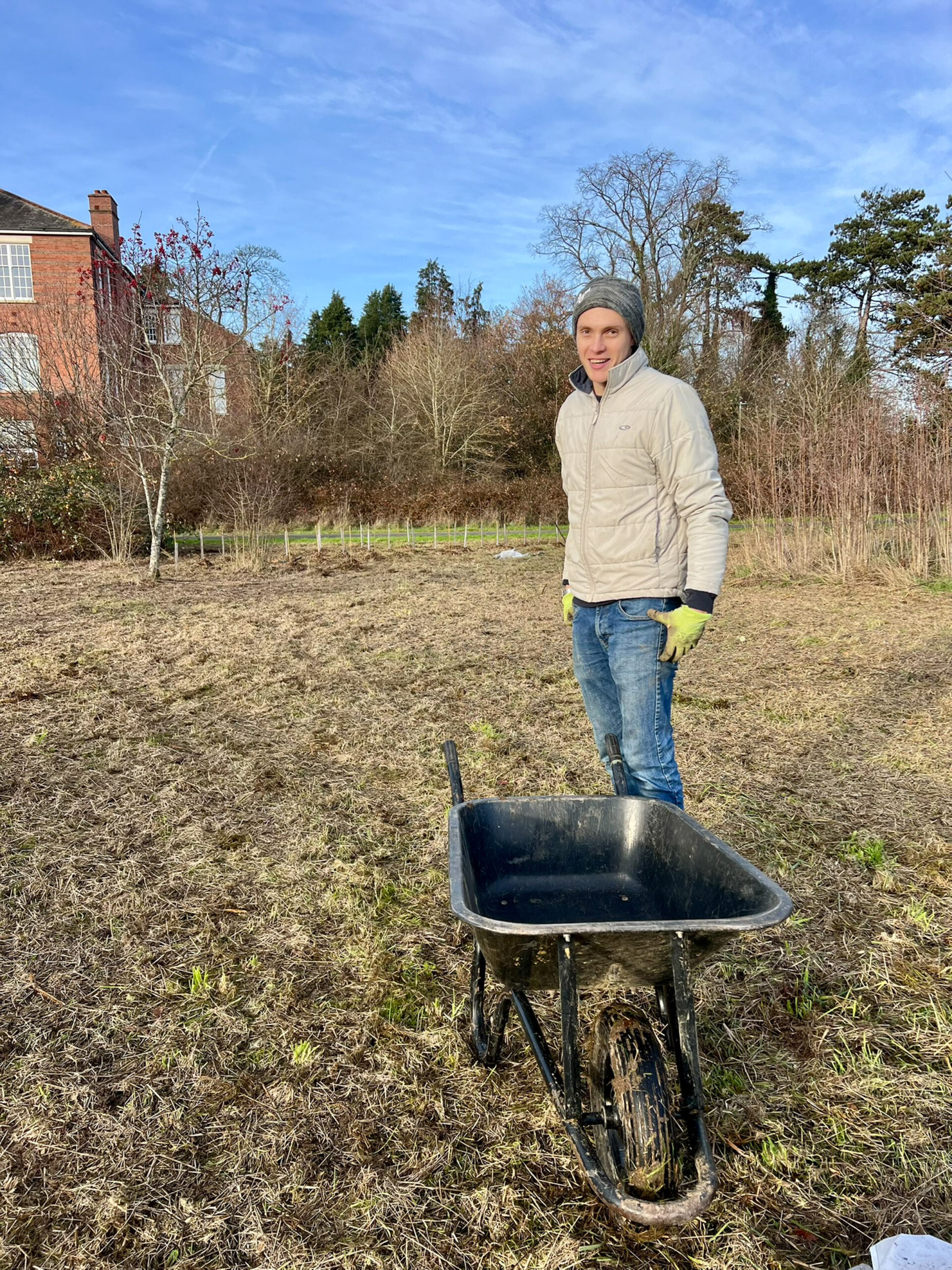
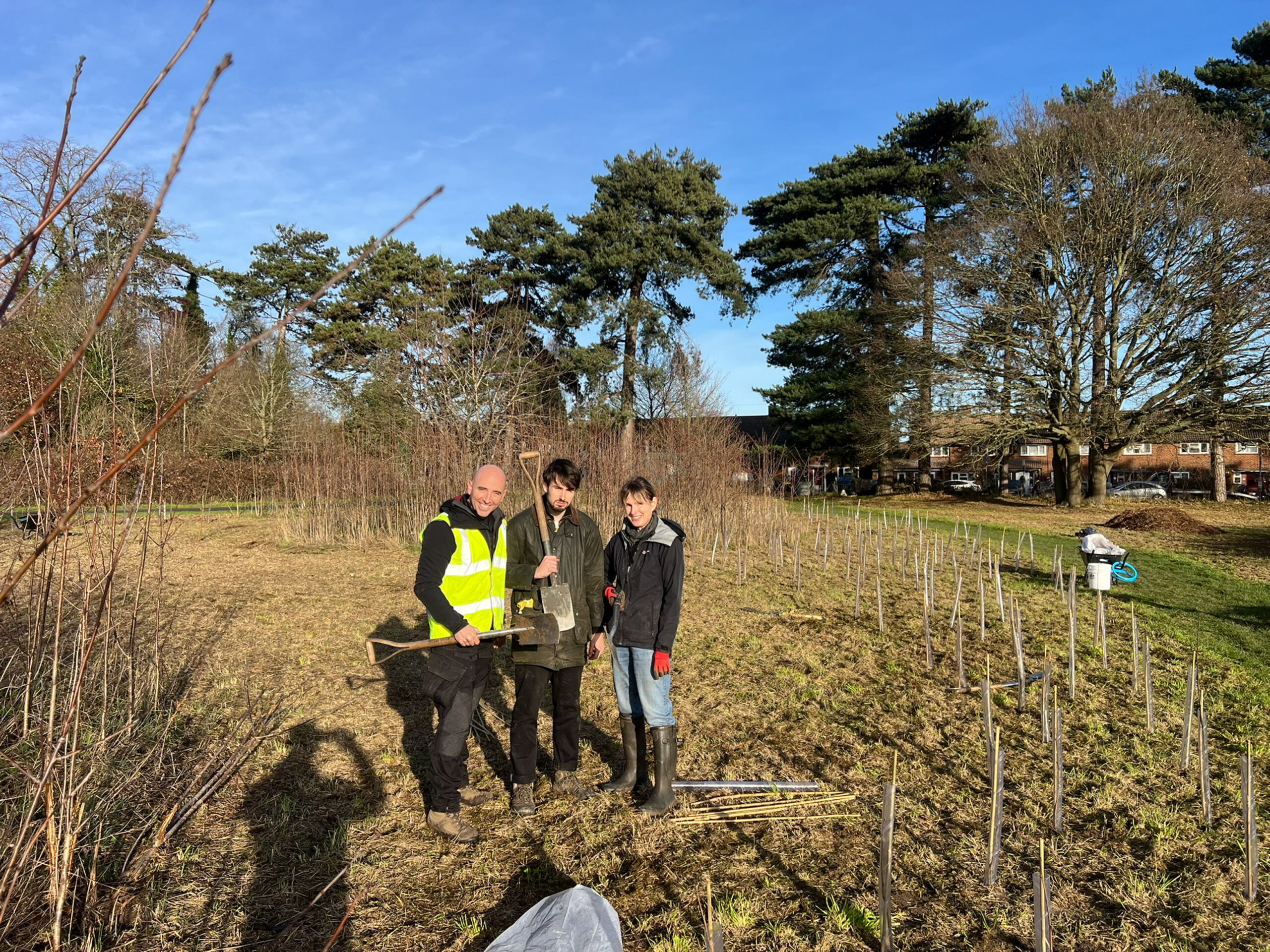
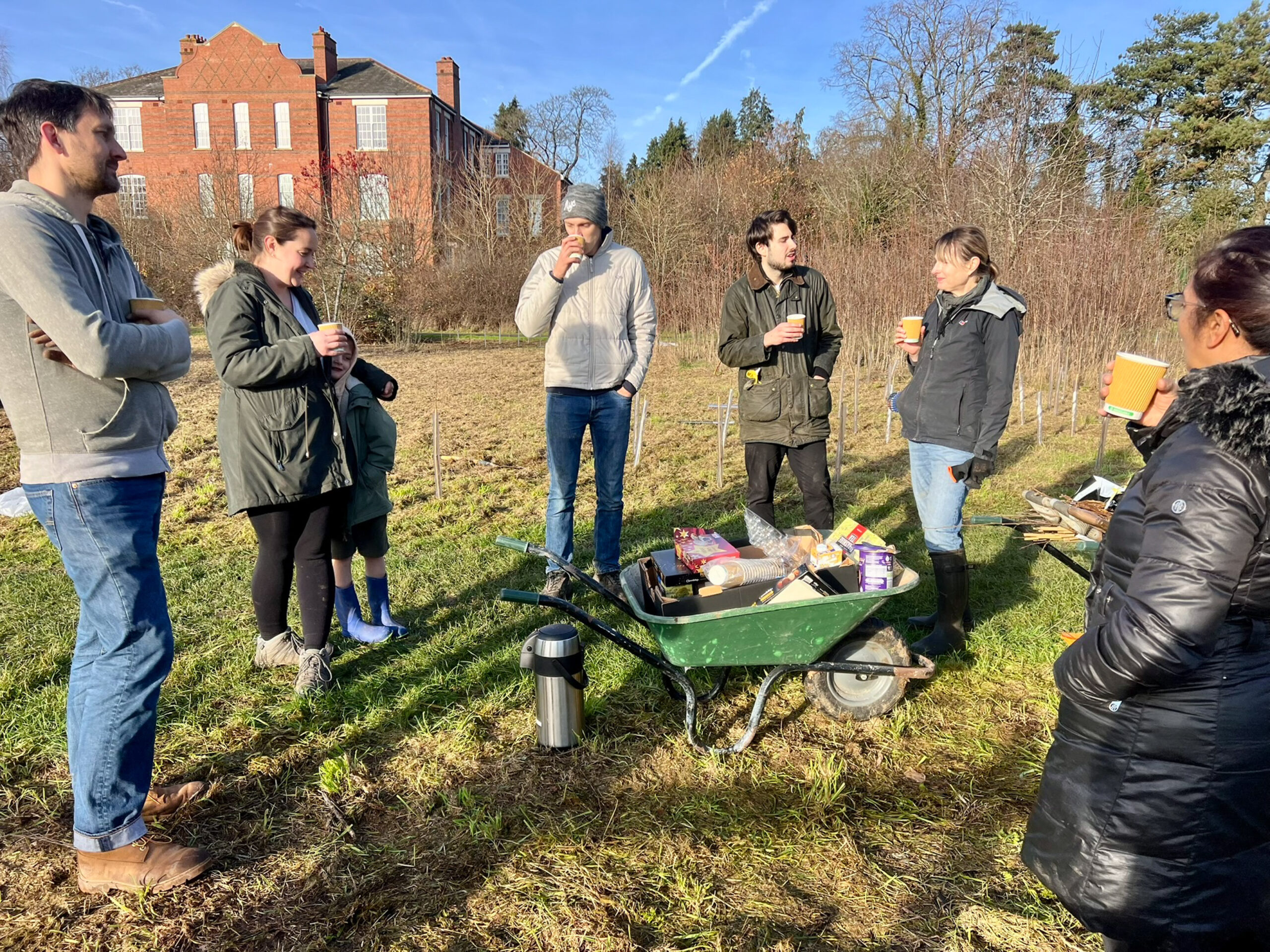
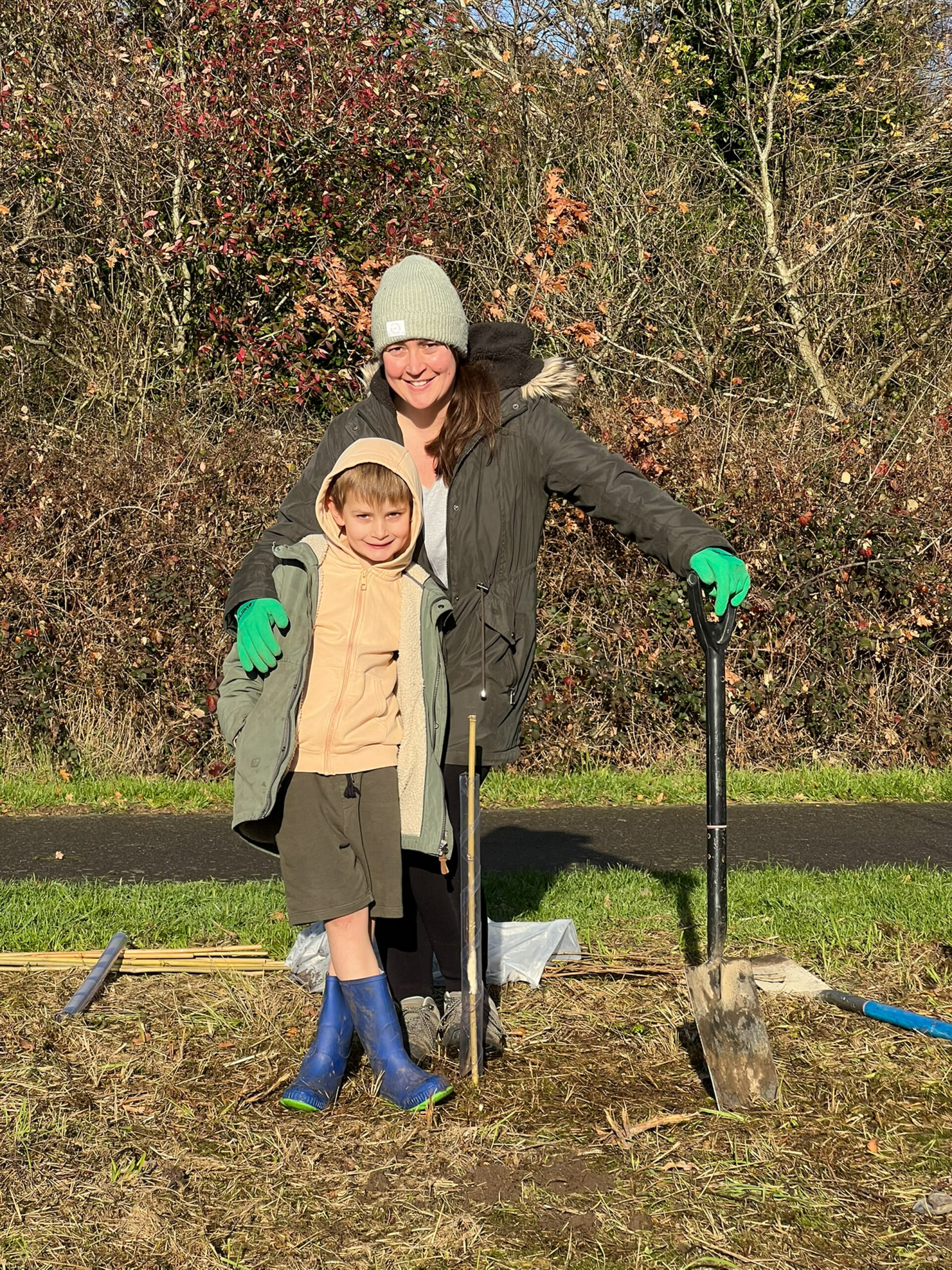
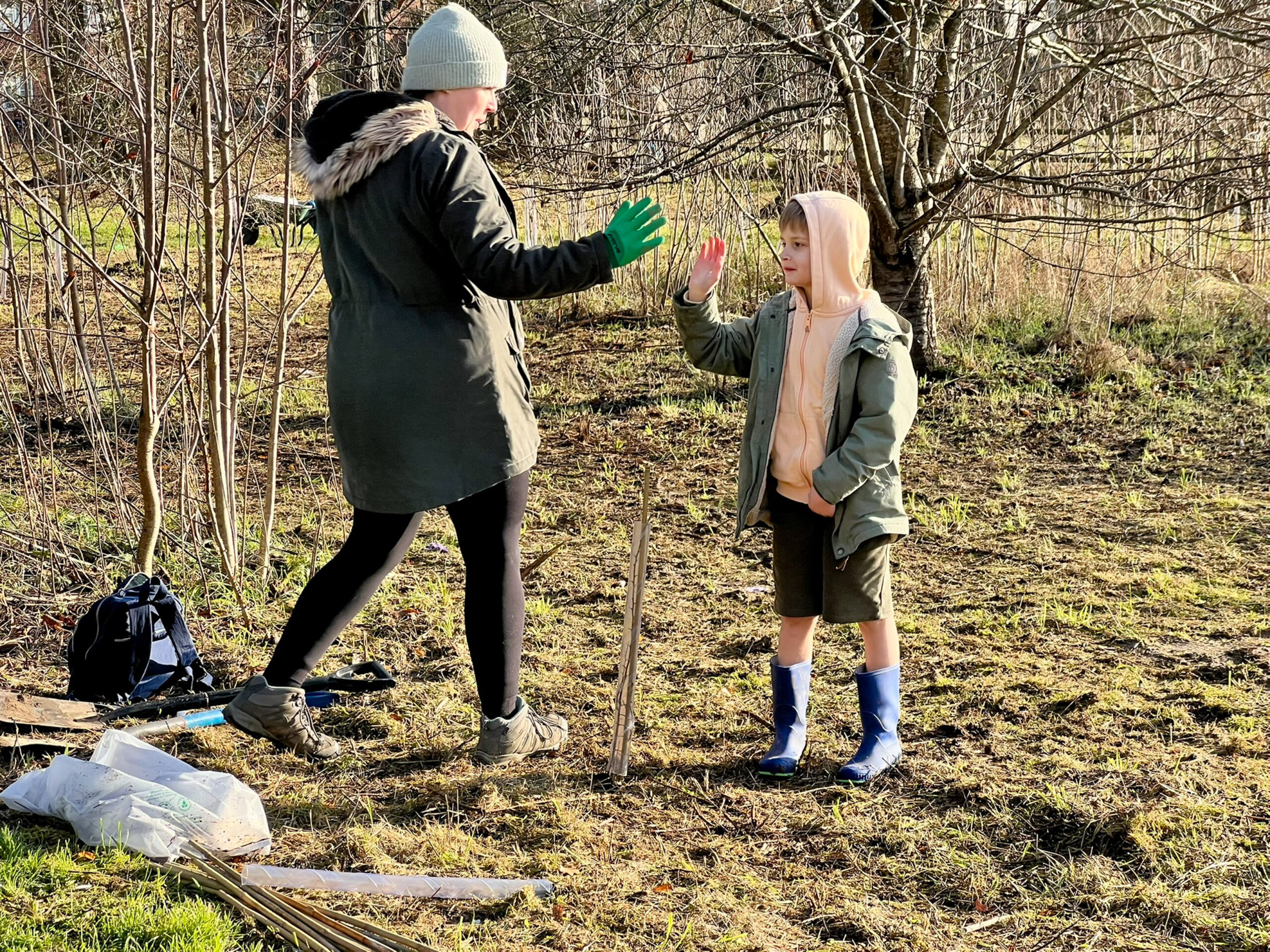
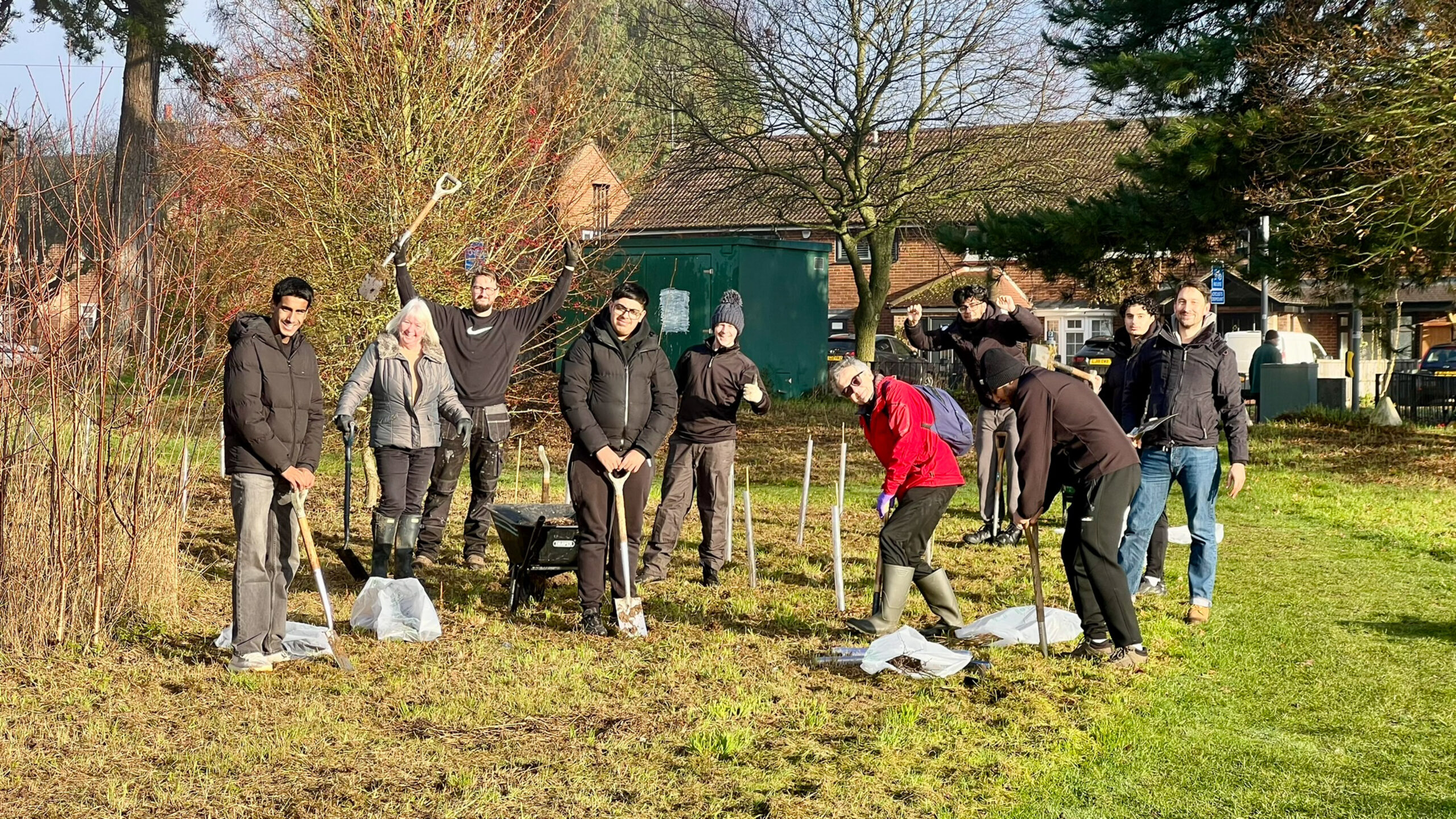
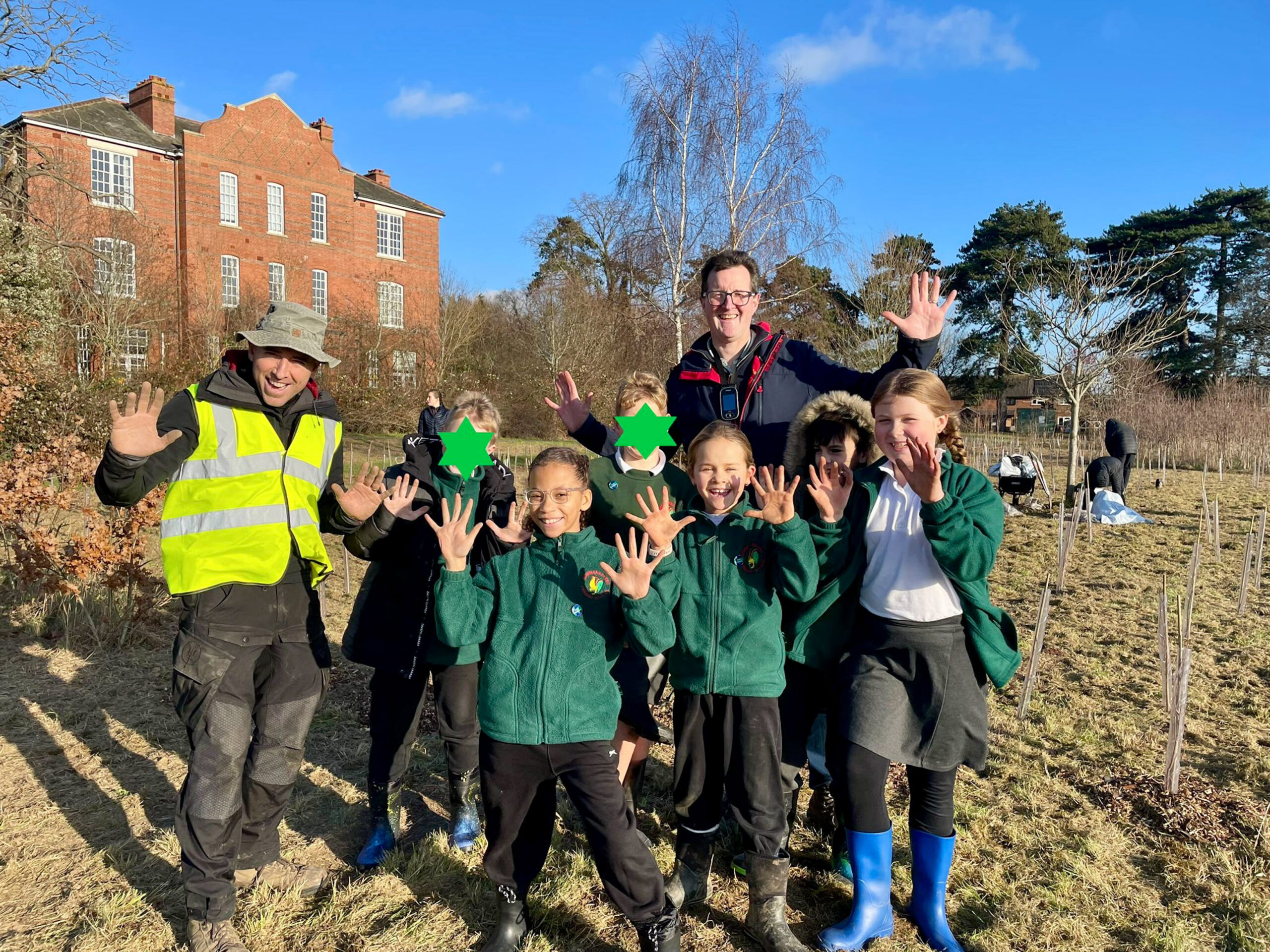
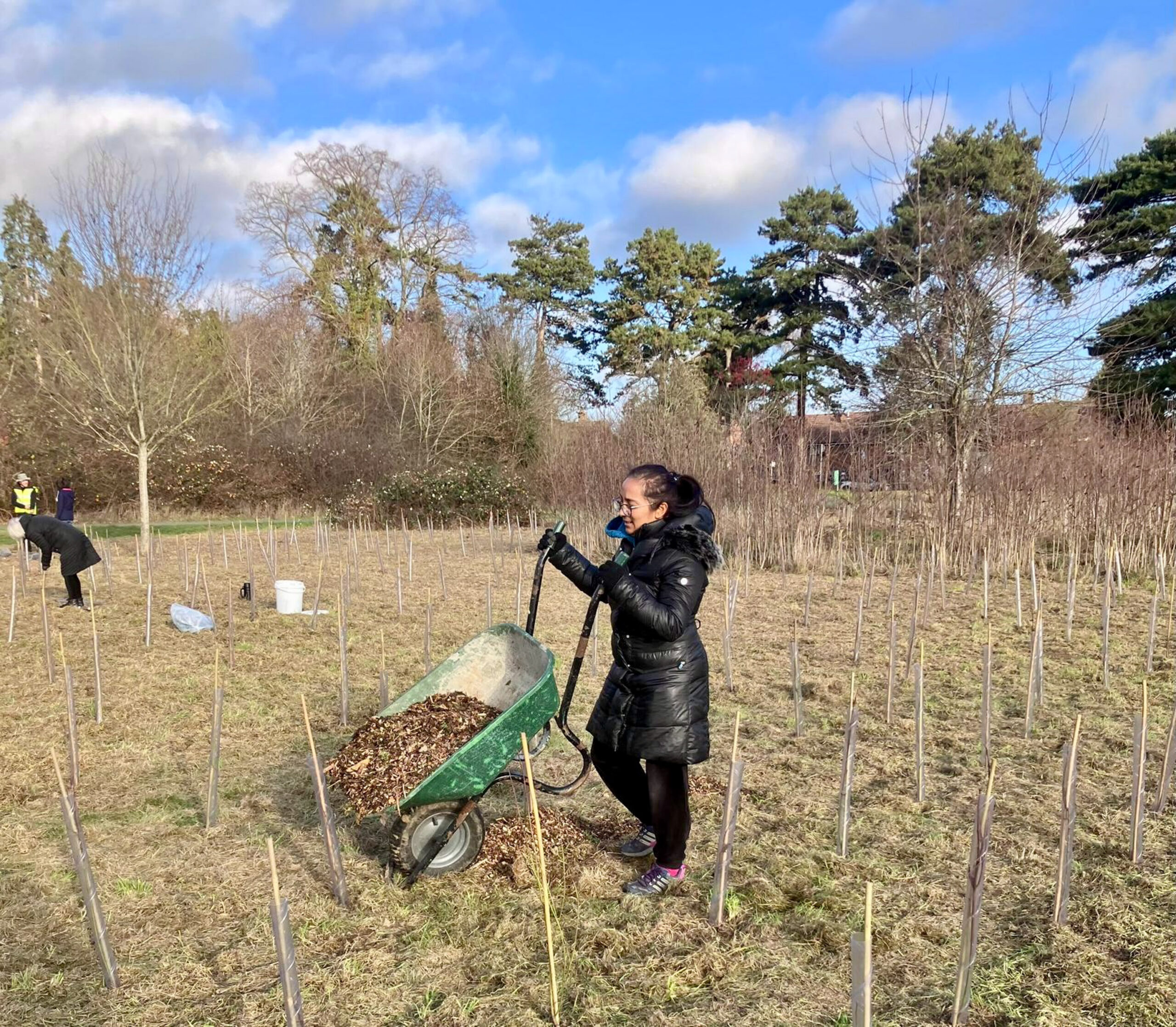
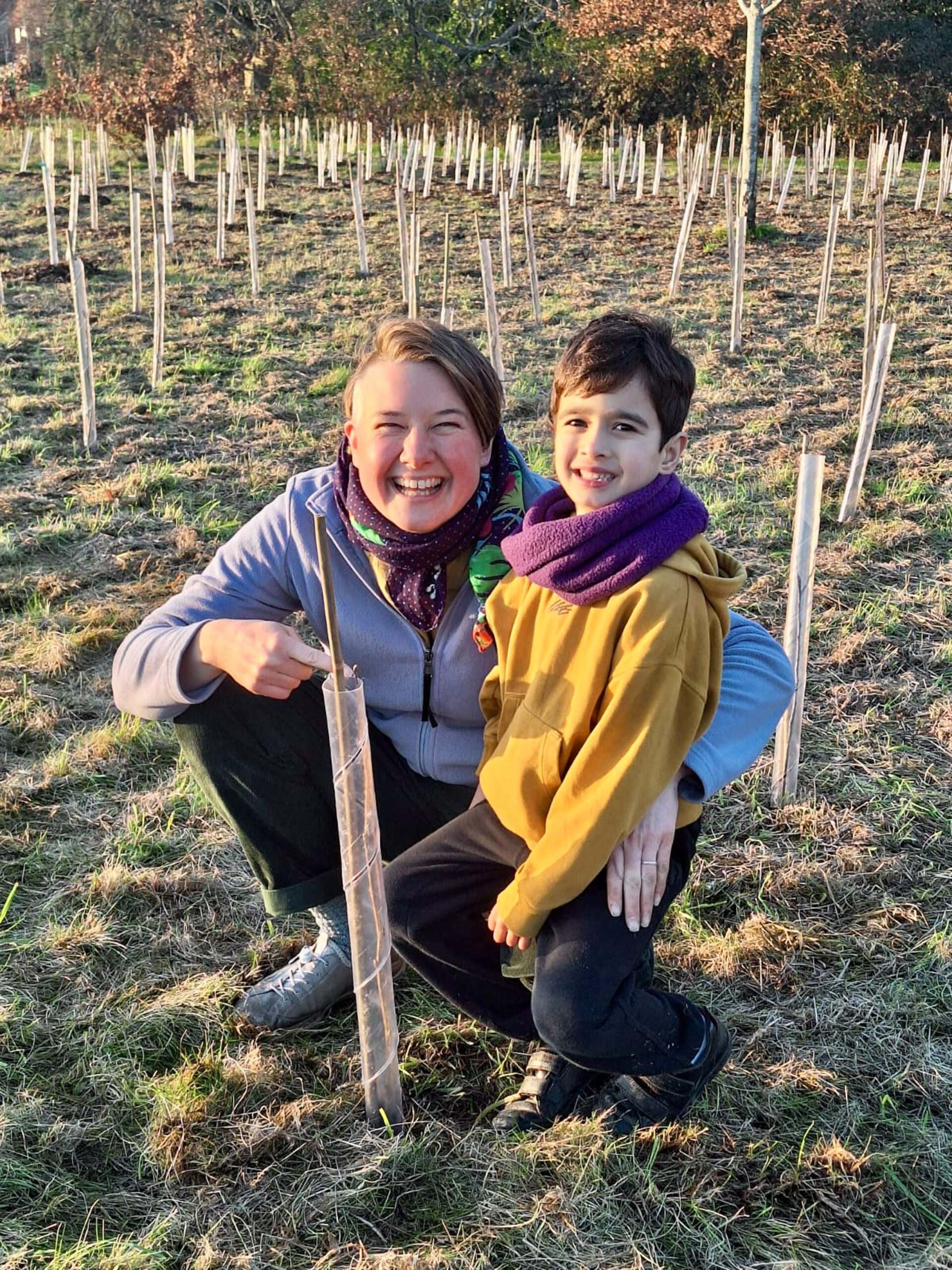
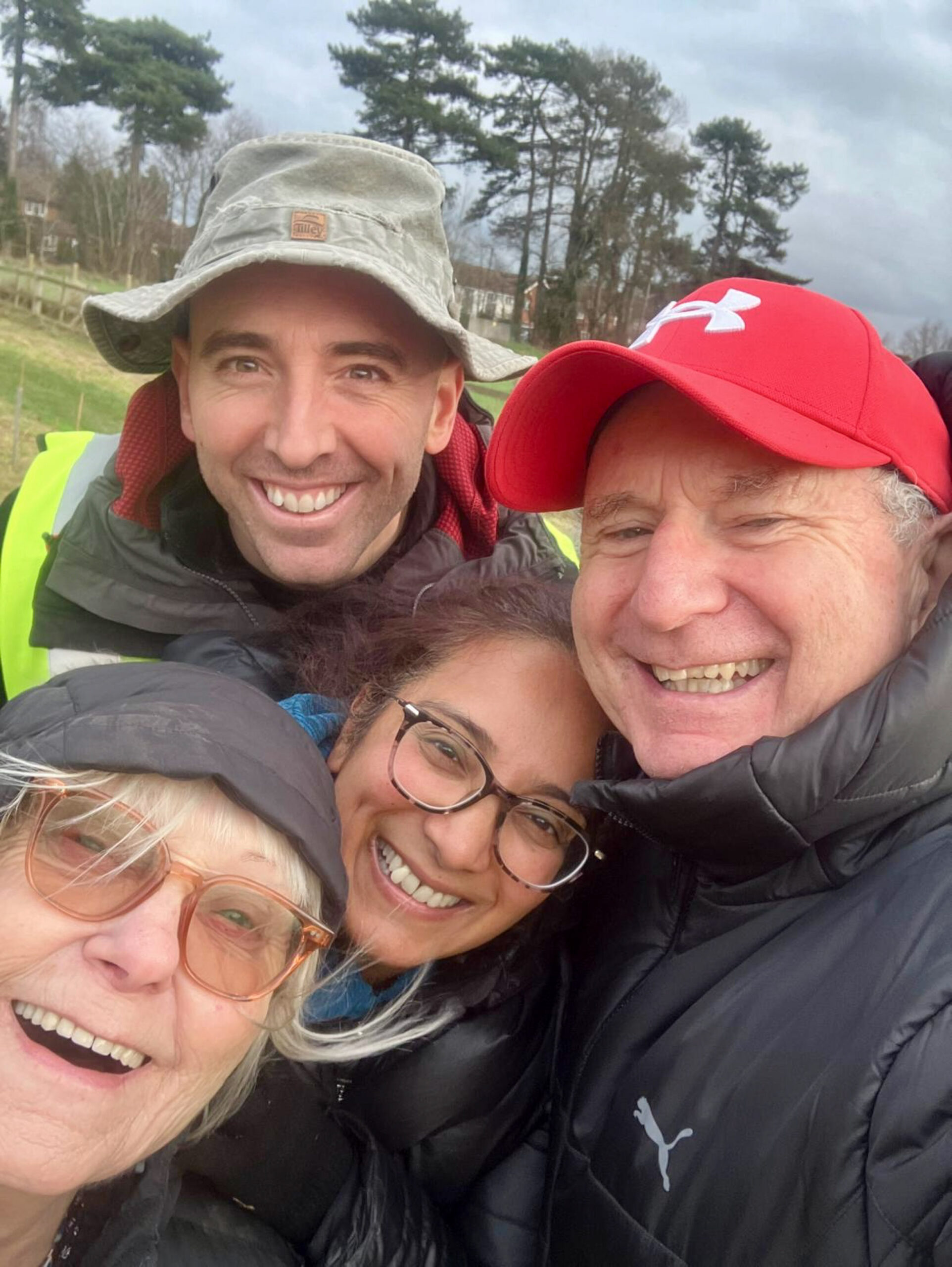
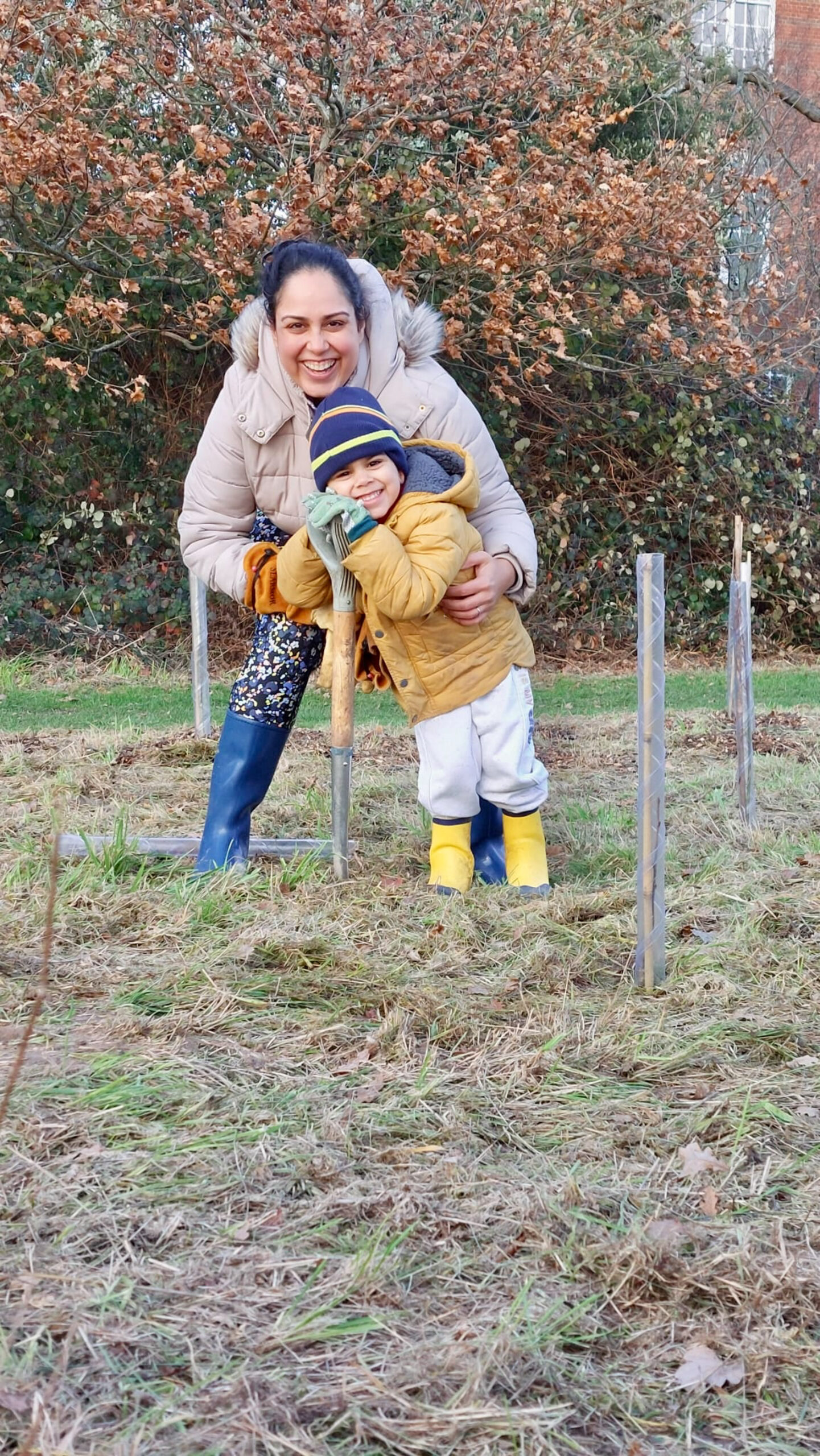
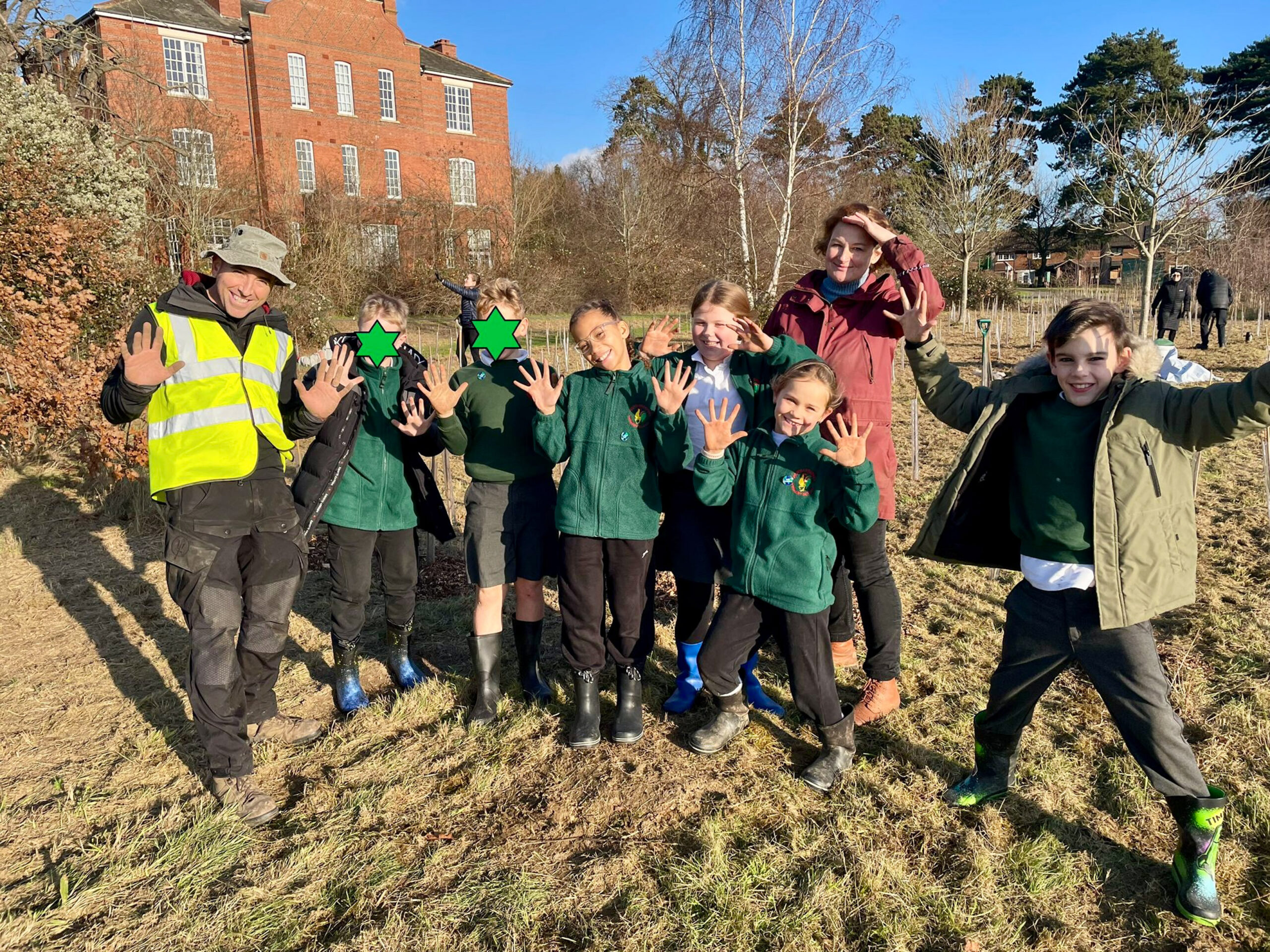
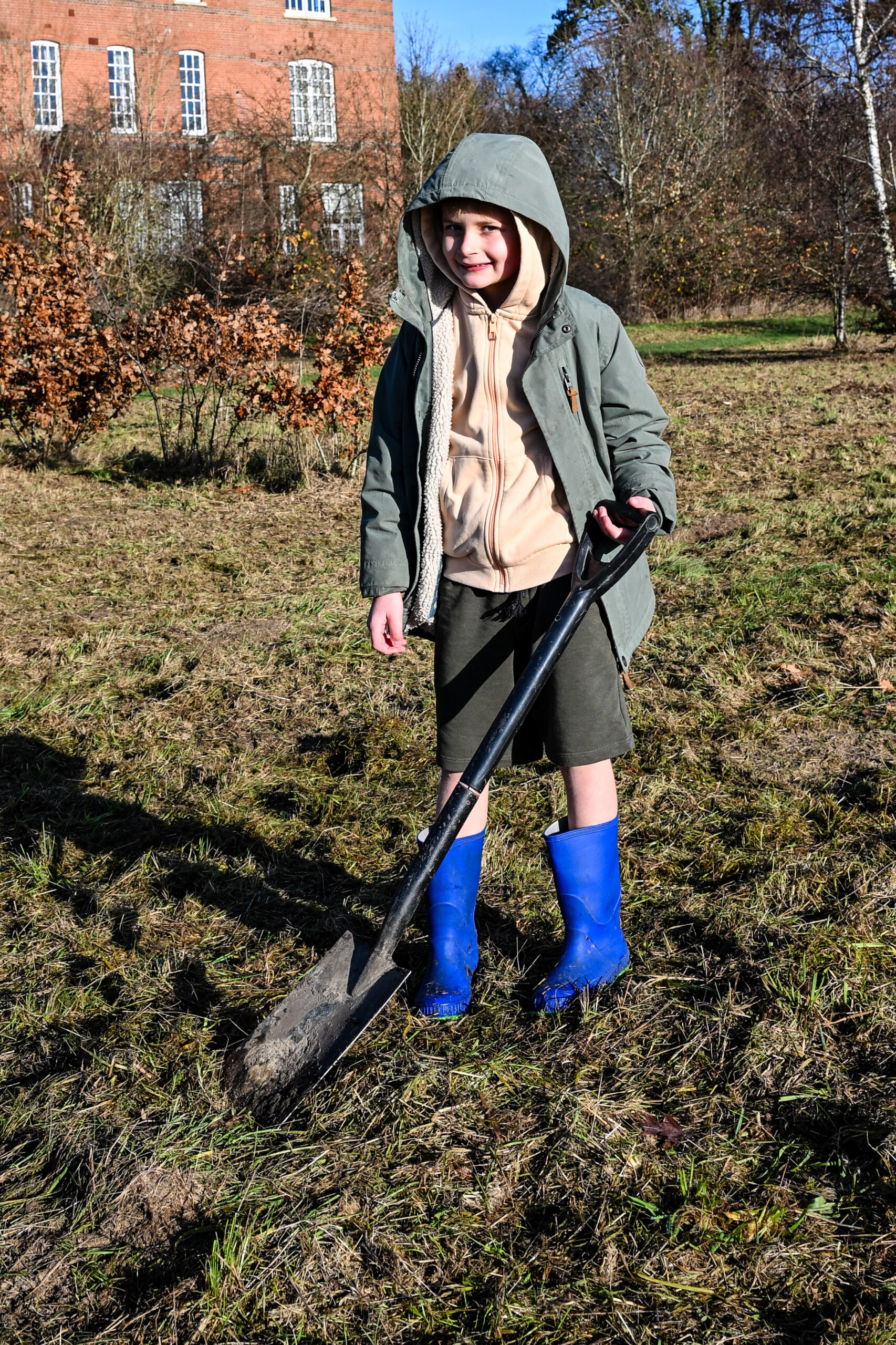
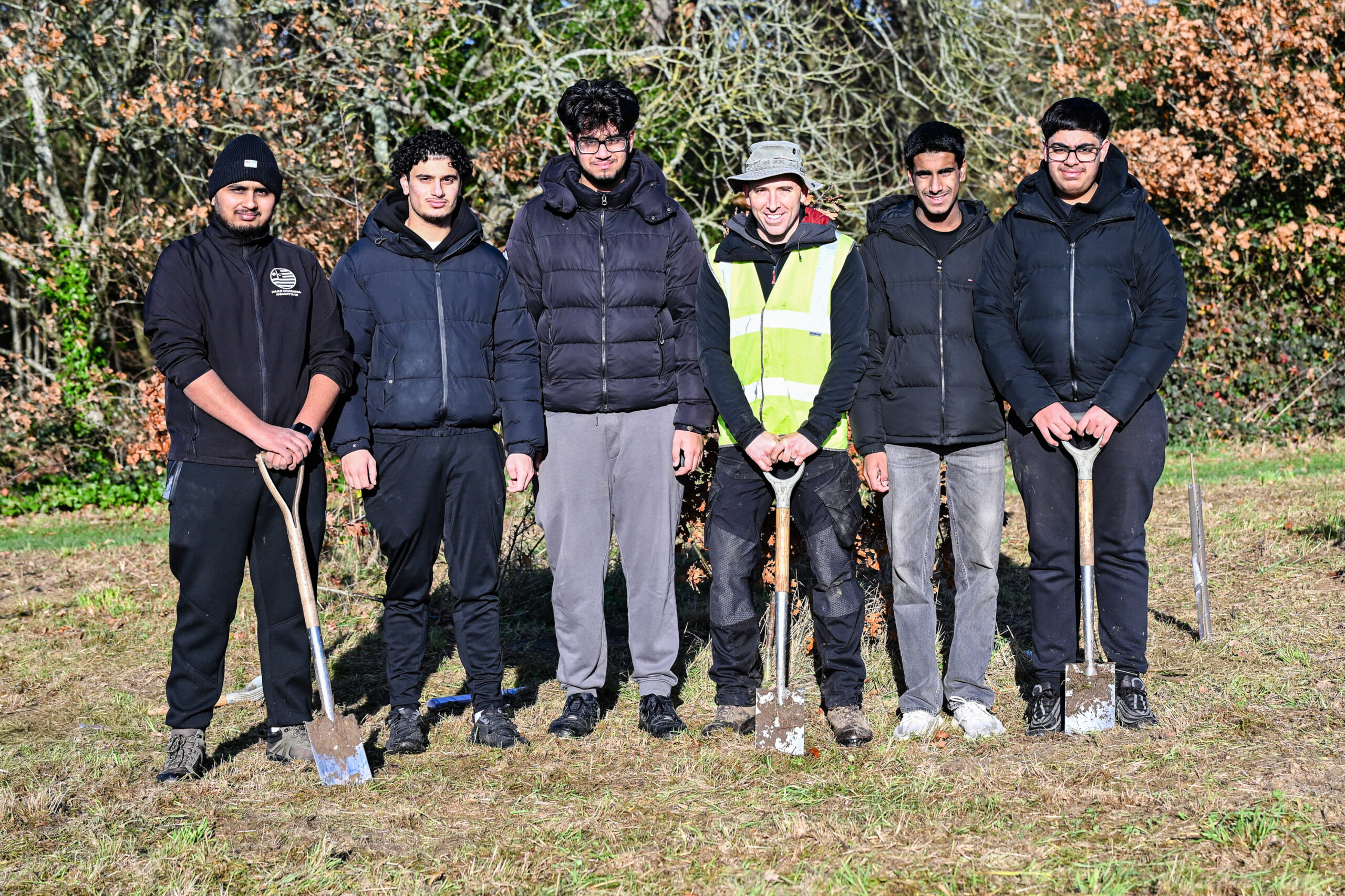
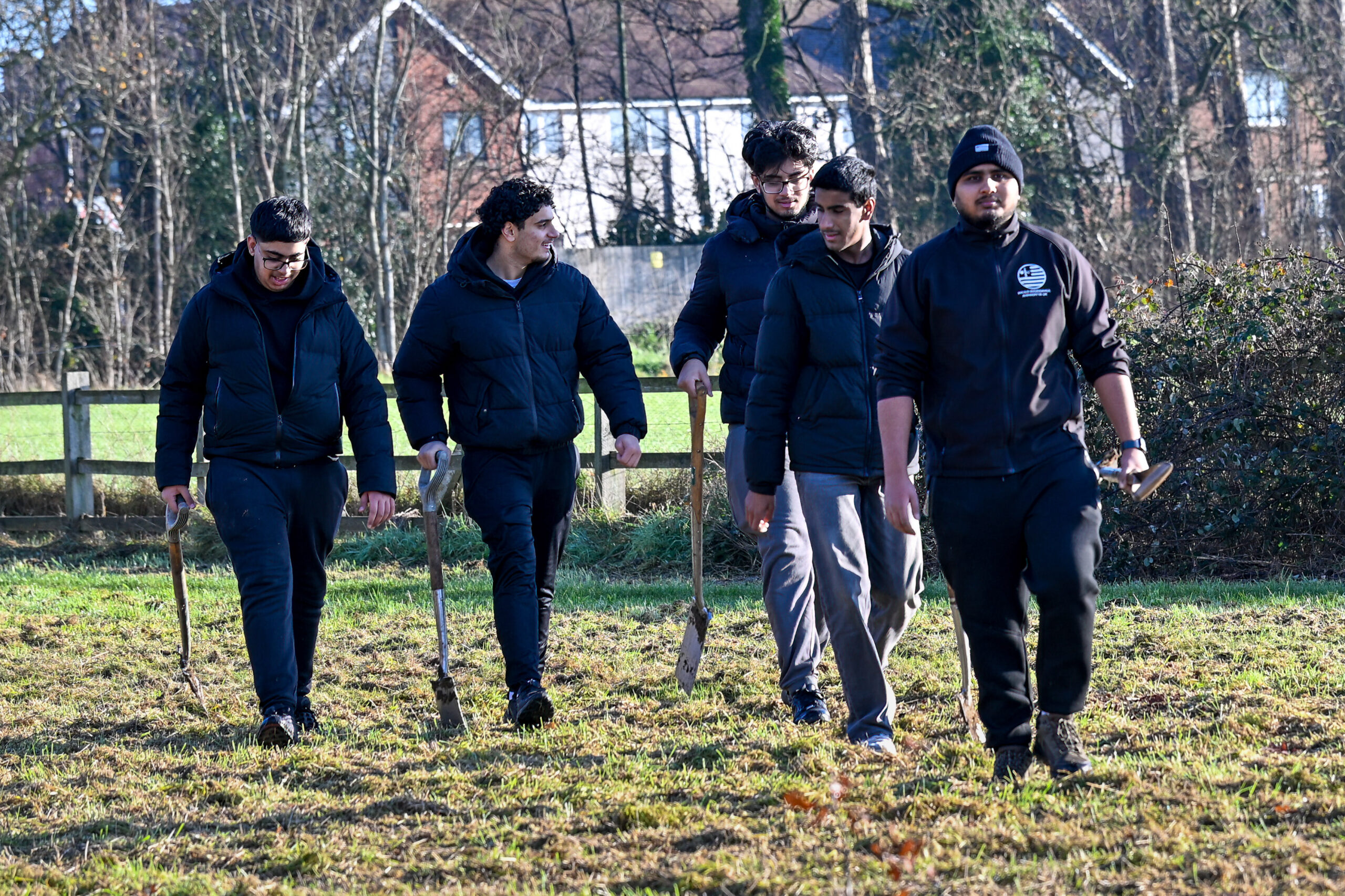
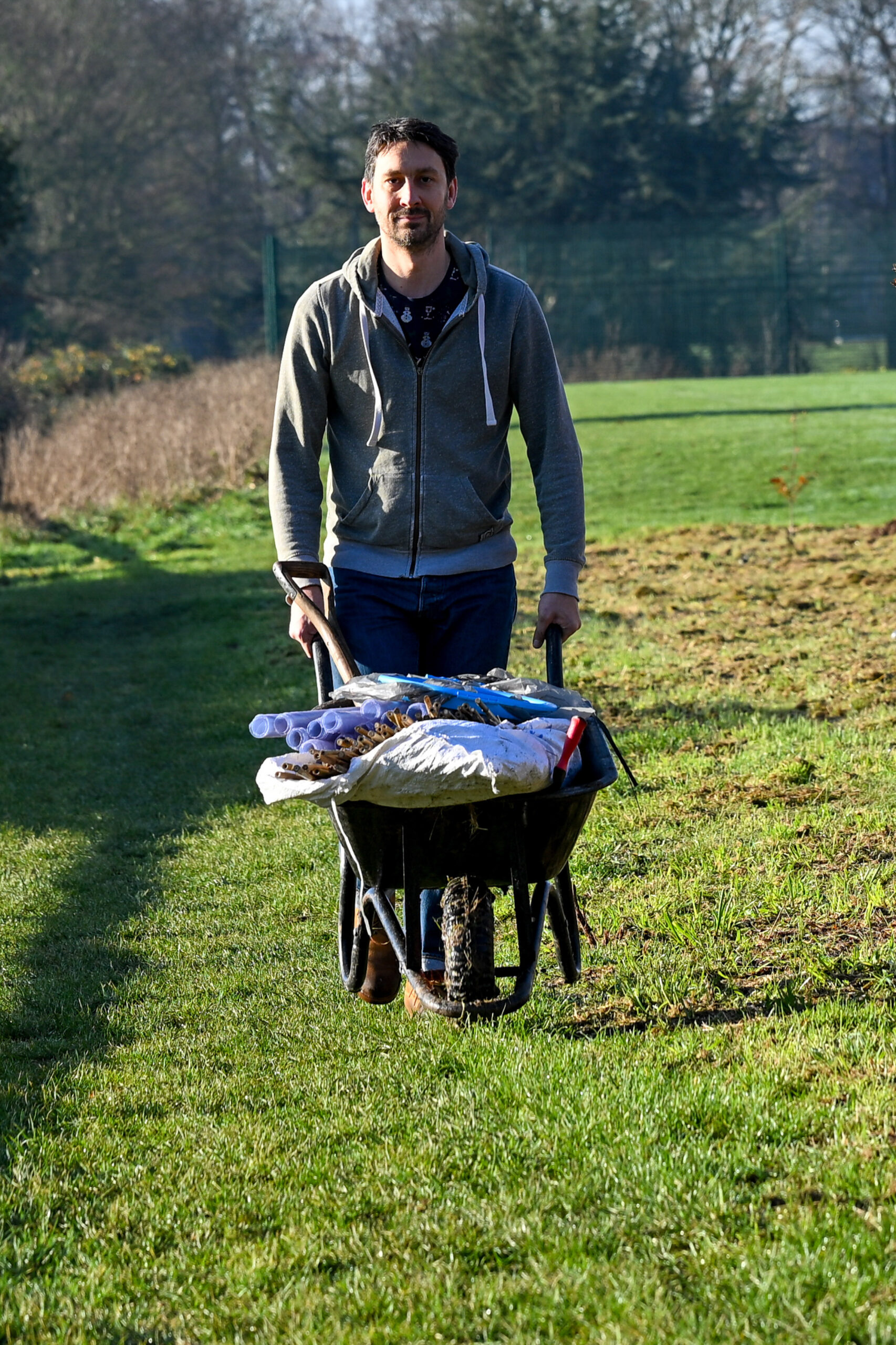
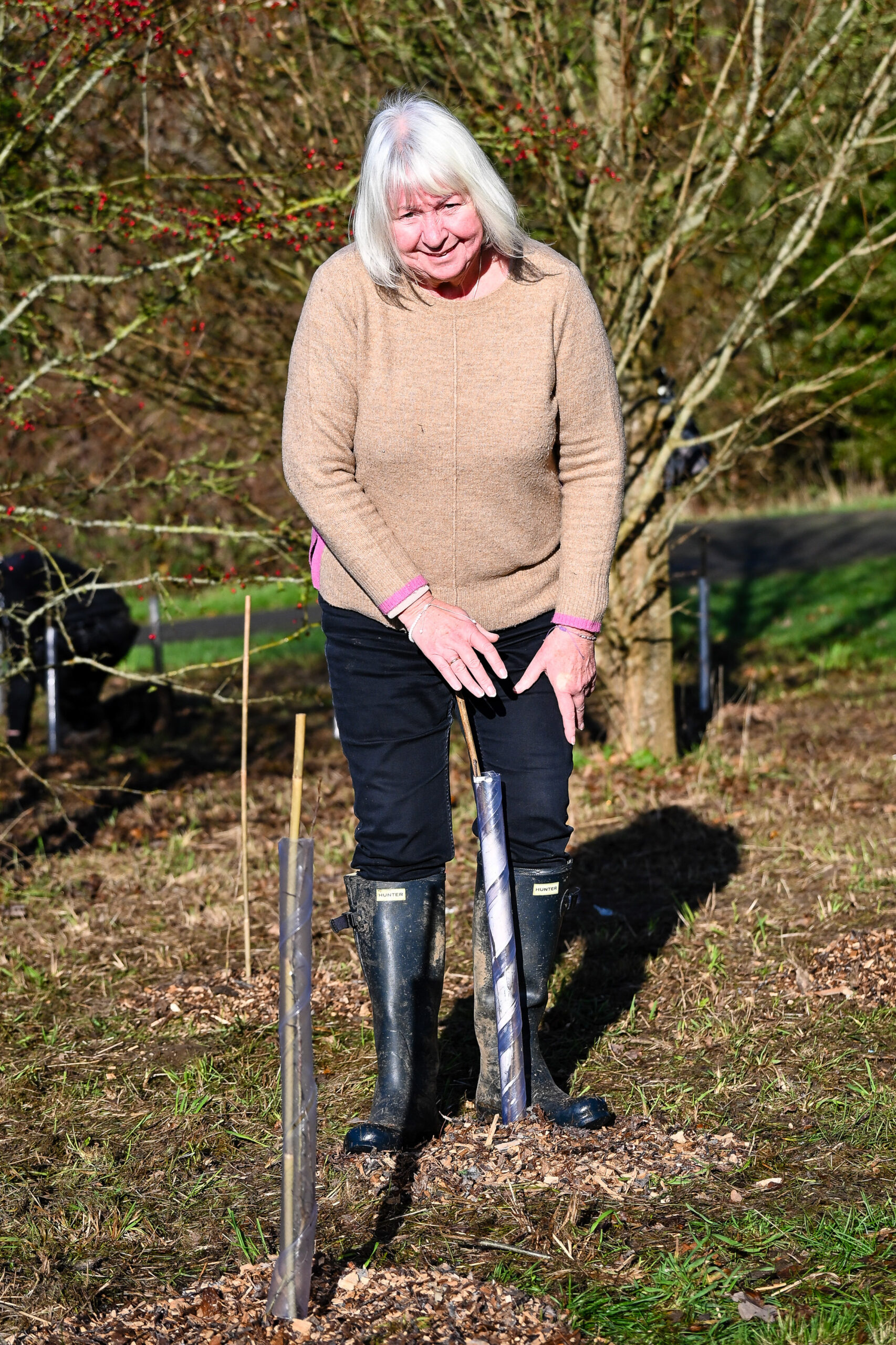
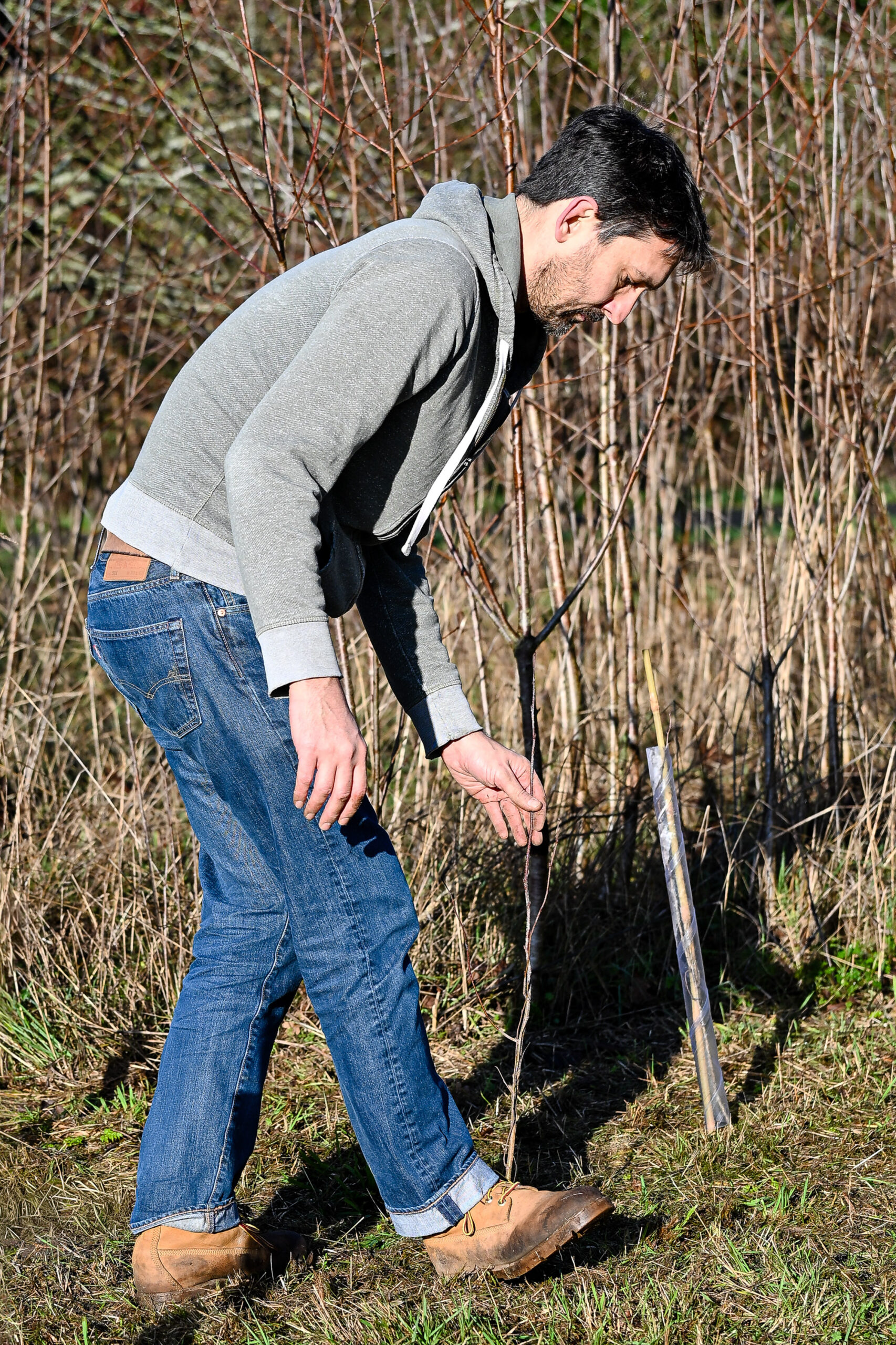
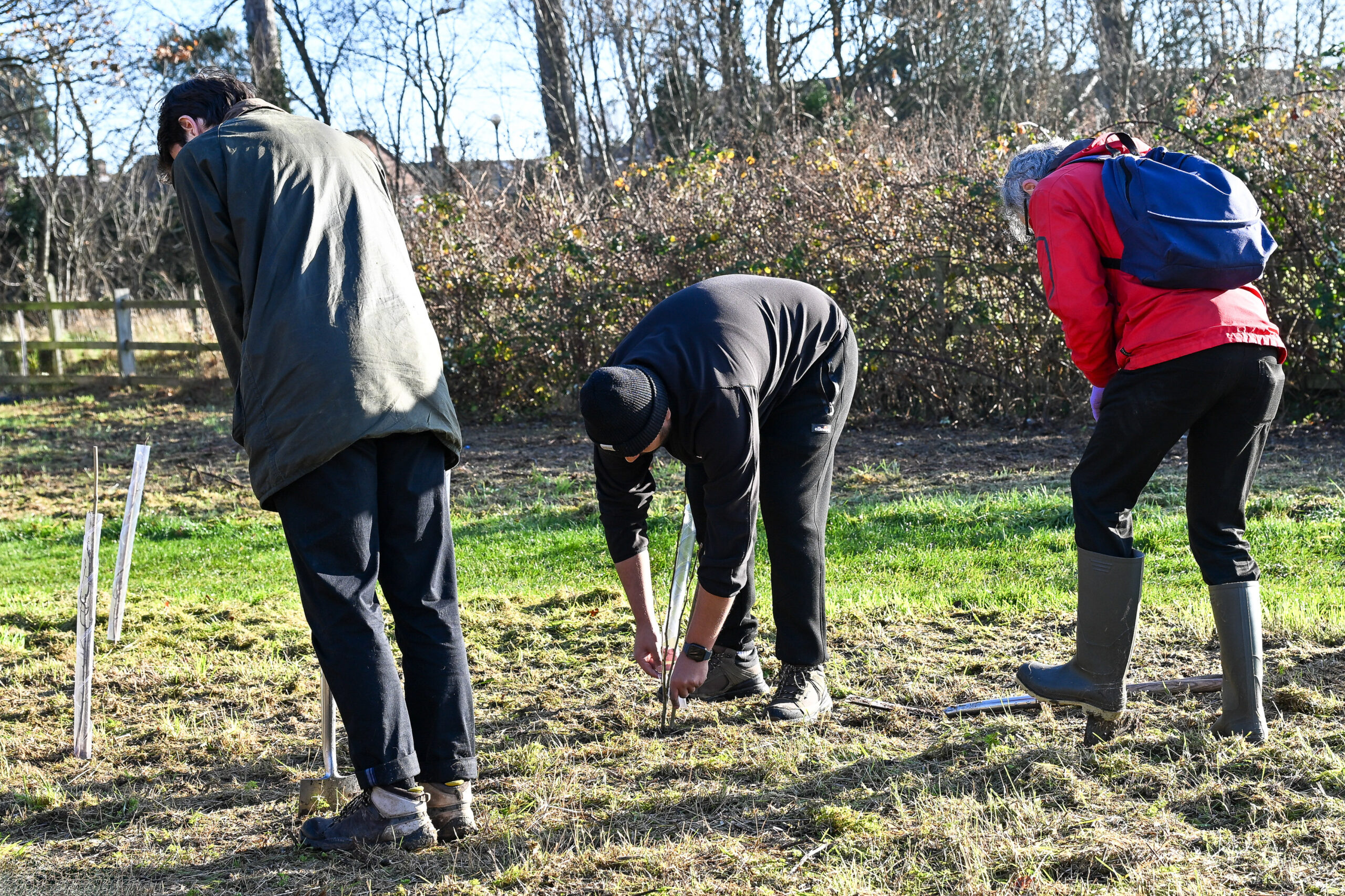
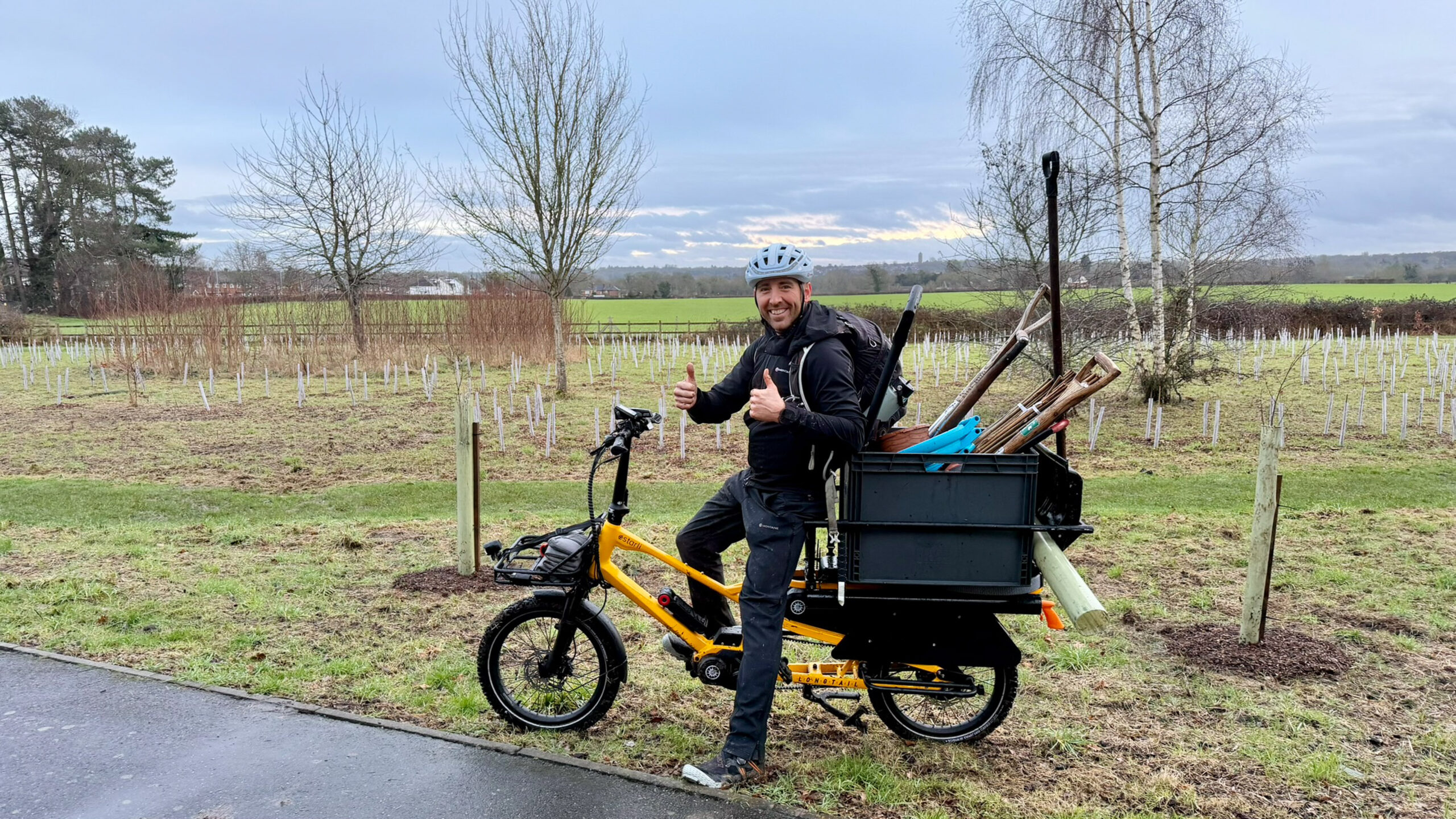
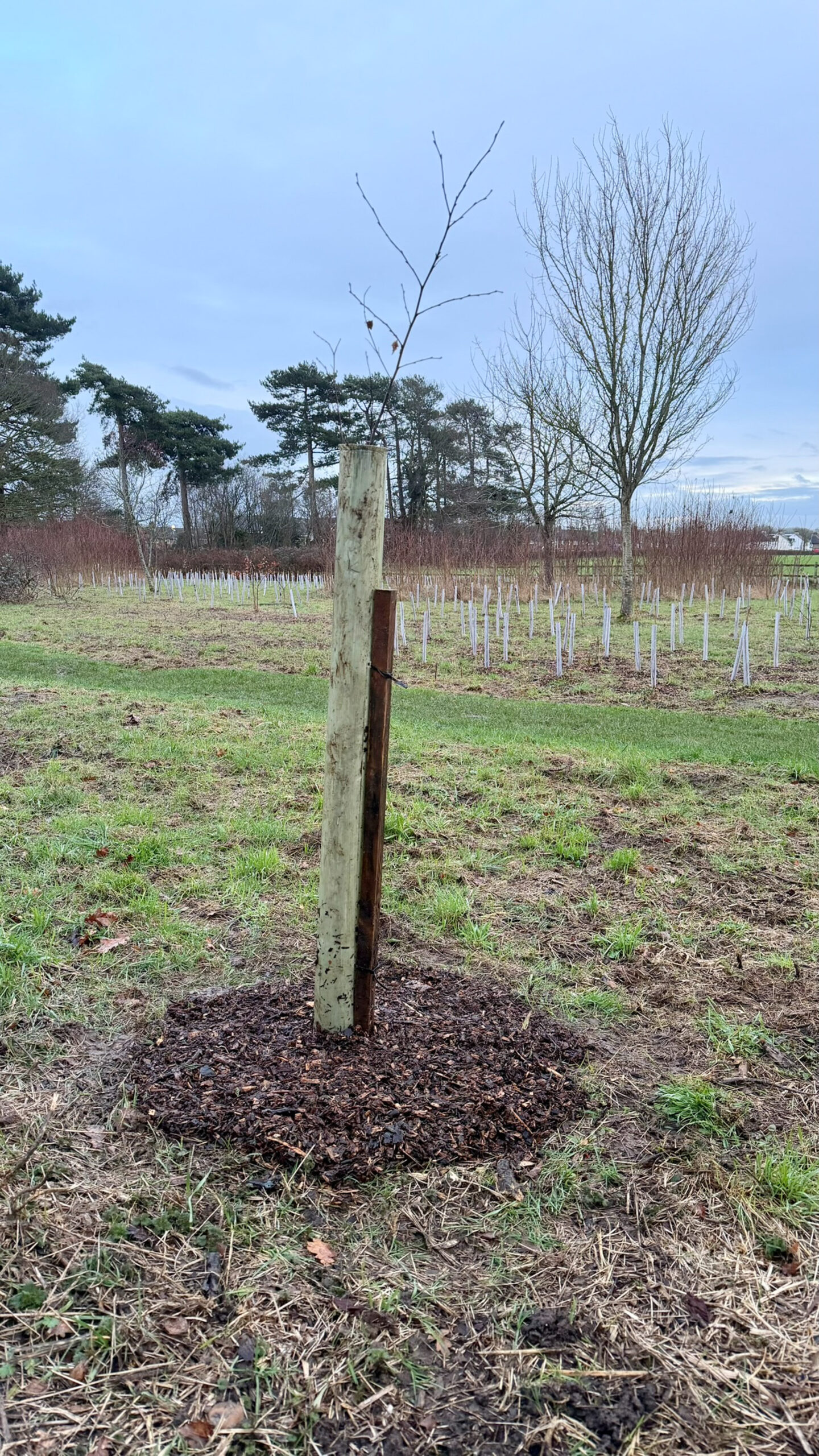
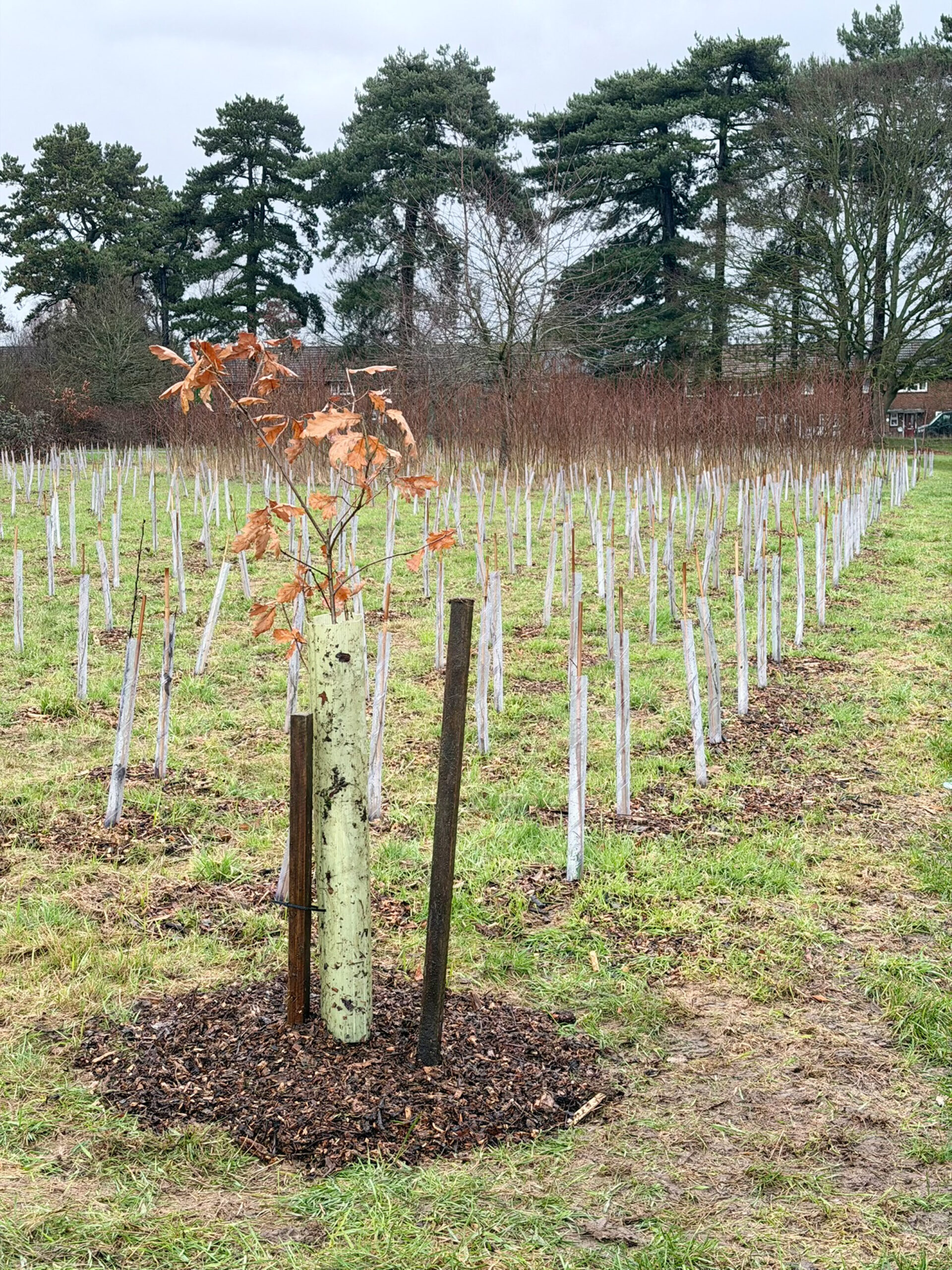
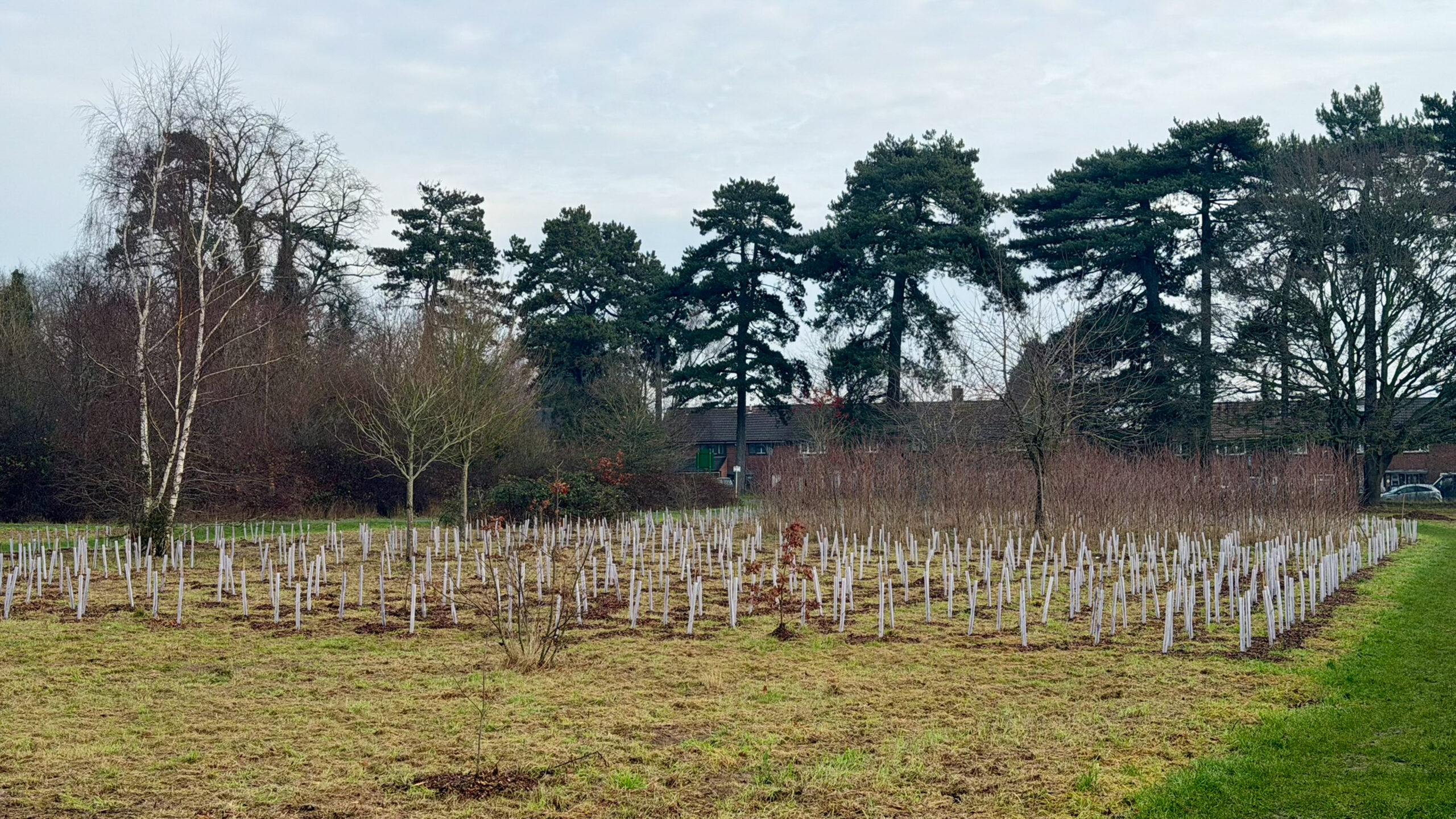
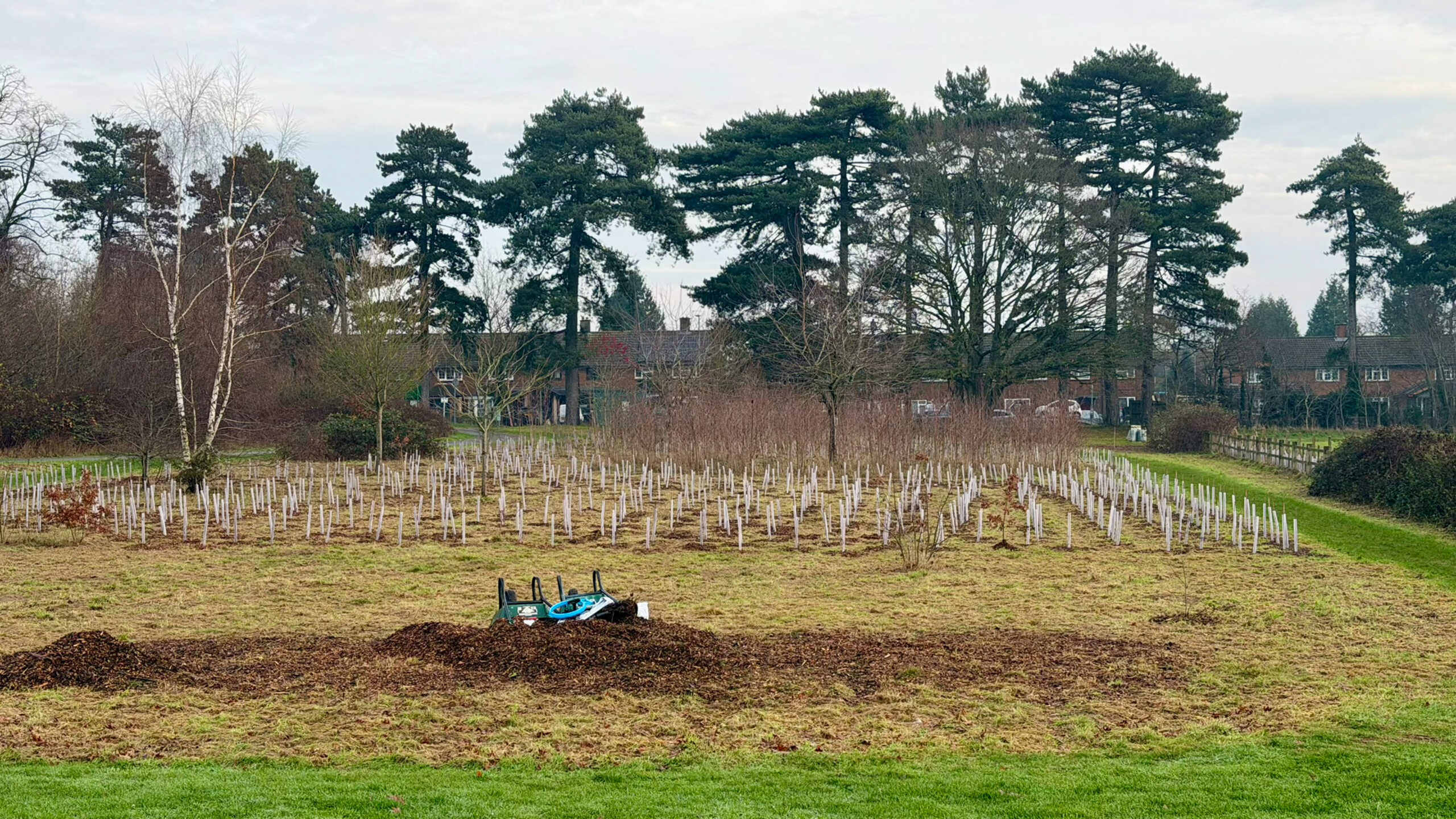
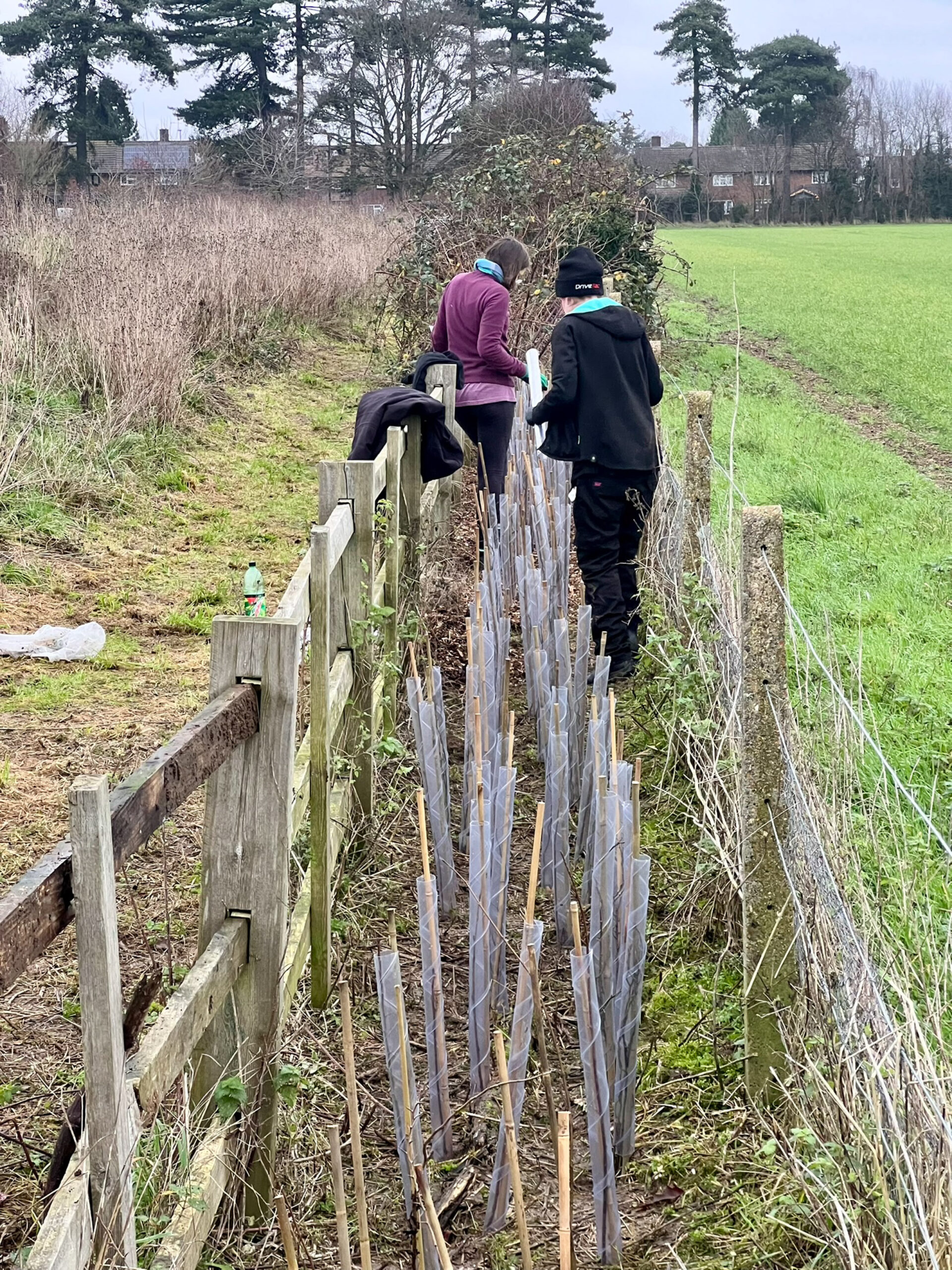
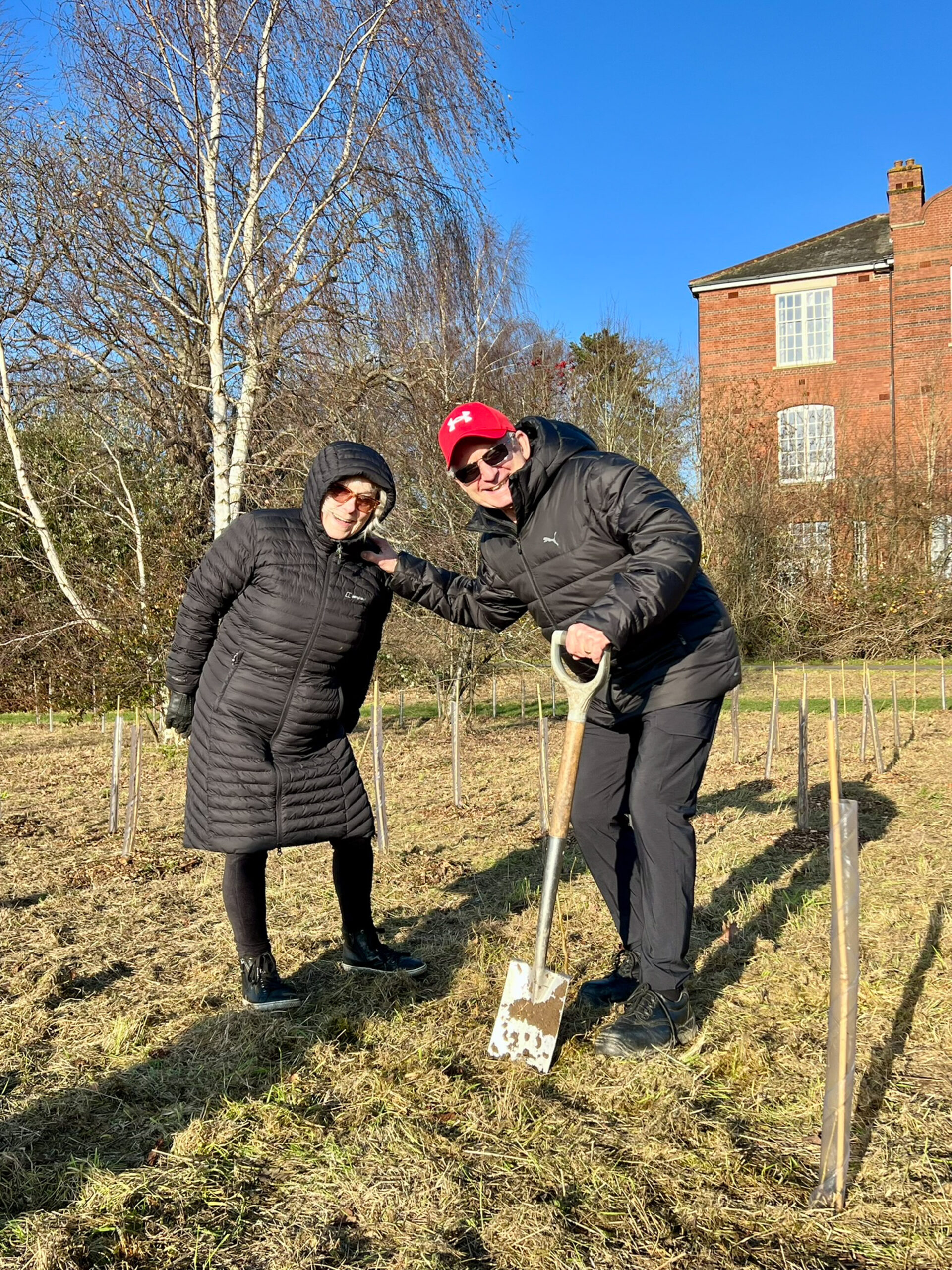
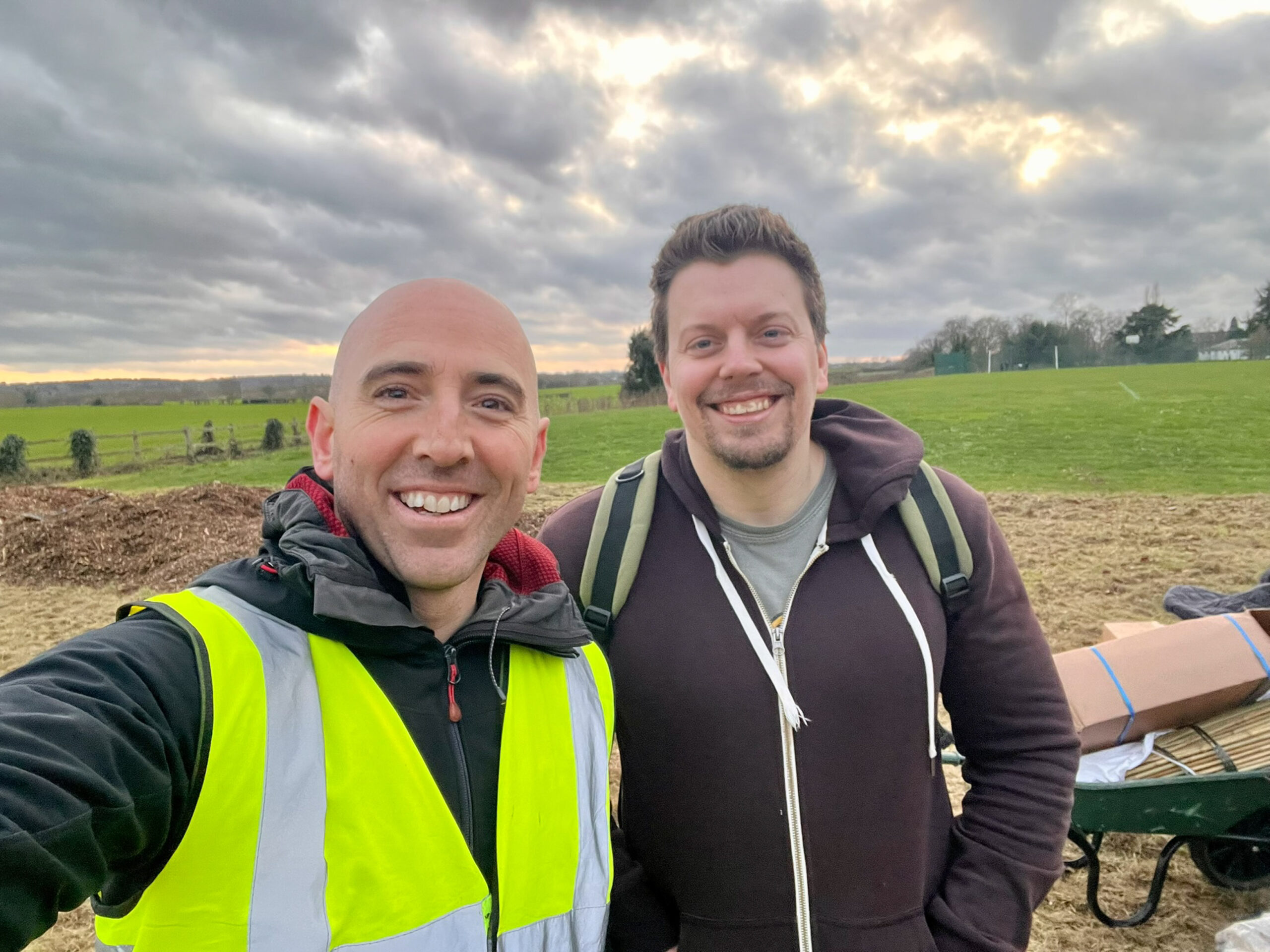
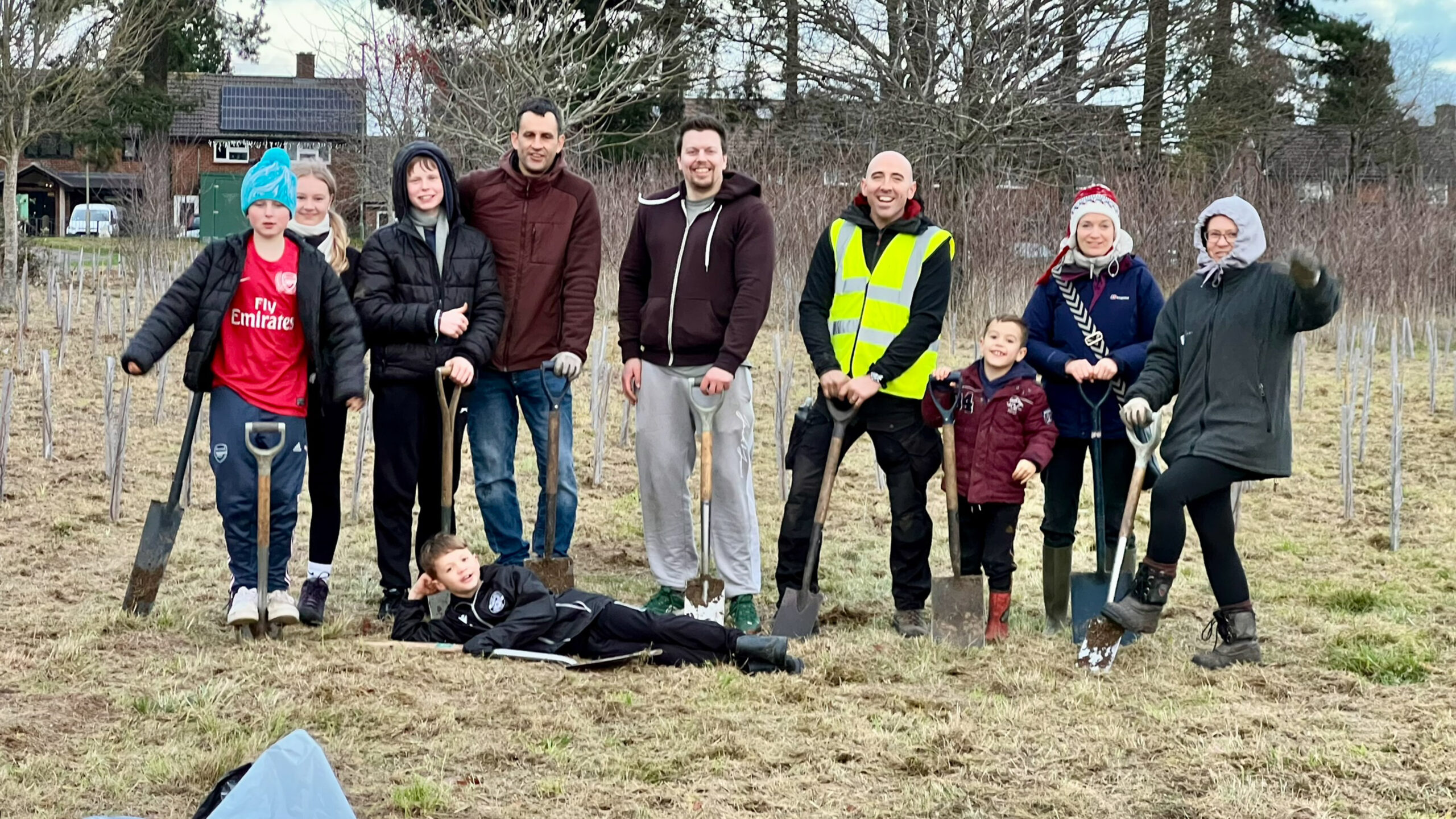
More than 50 volunteers aged from just two to over eighty rolled up their sleeves to dig holes, plant trees, install stakes and guards, and lay down an impressive 50 cubic metres of mulch, setting in motion a landscape that will continue to grow and flourish well into 2026 and beyond.
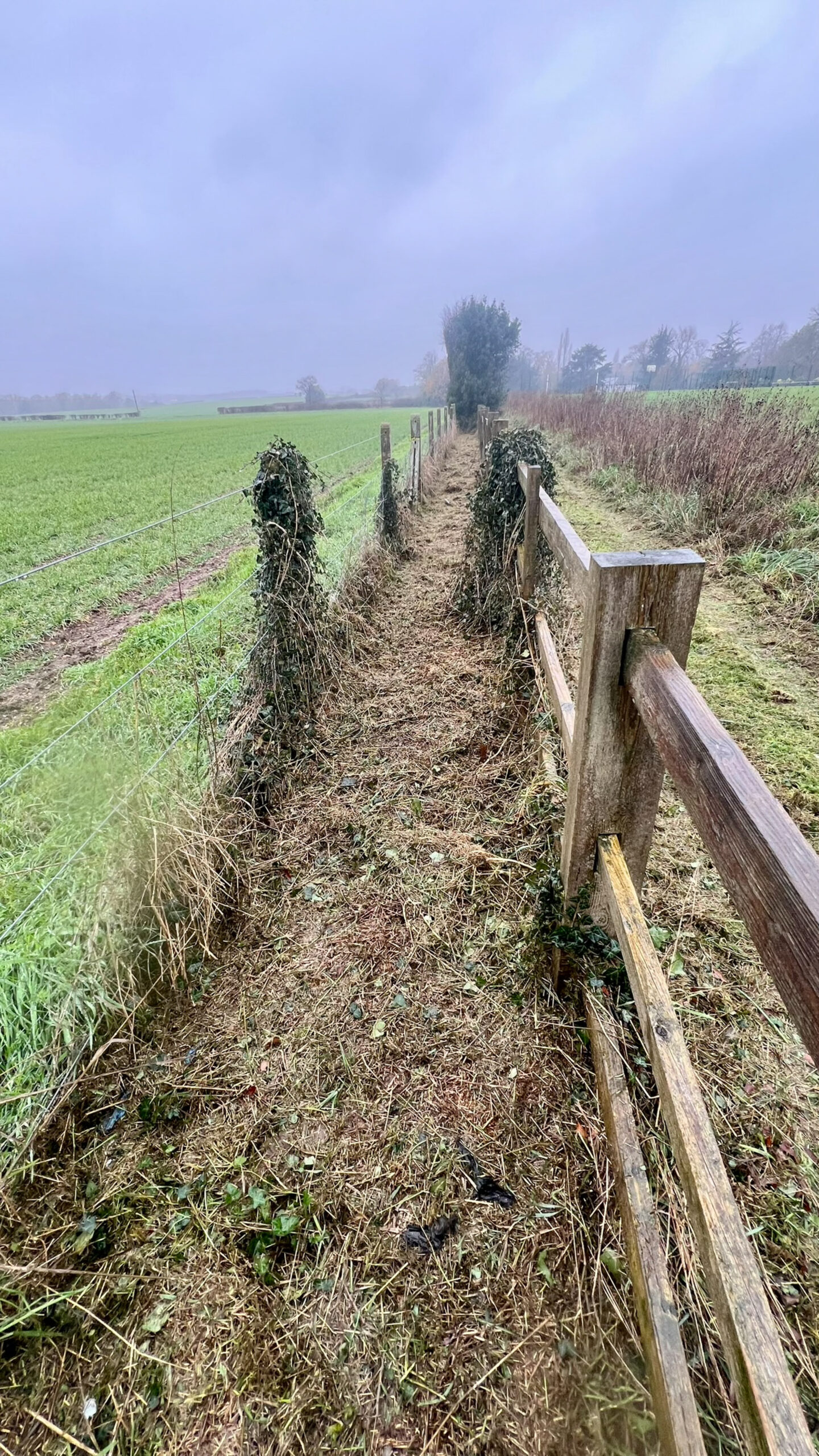
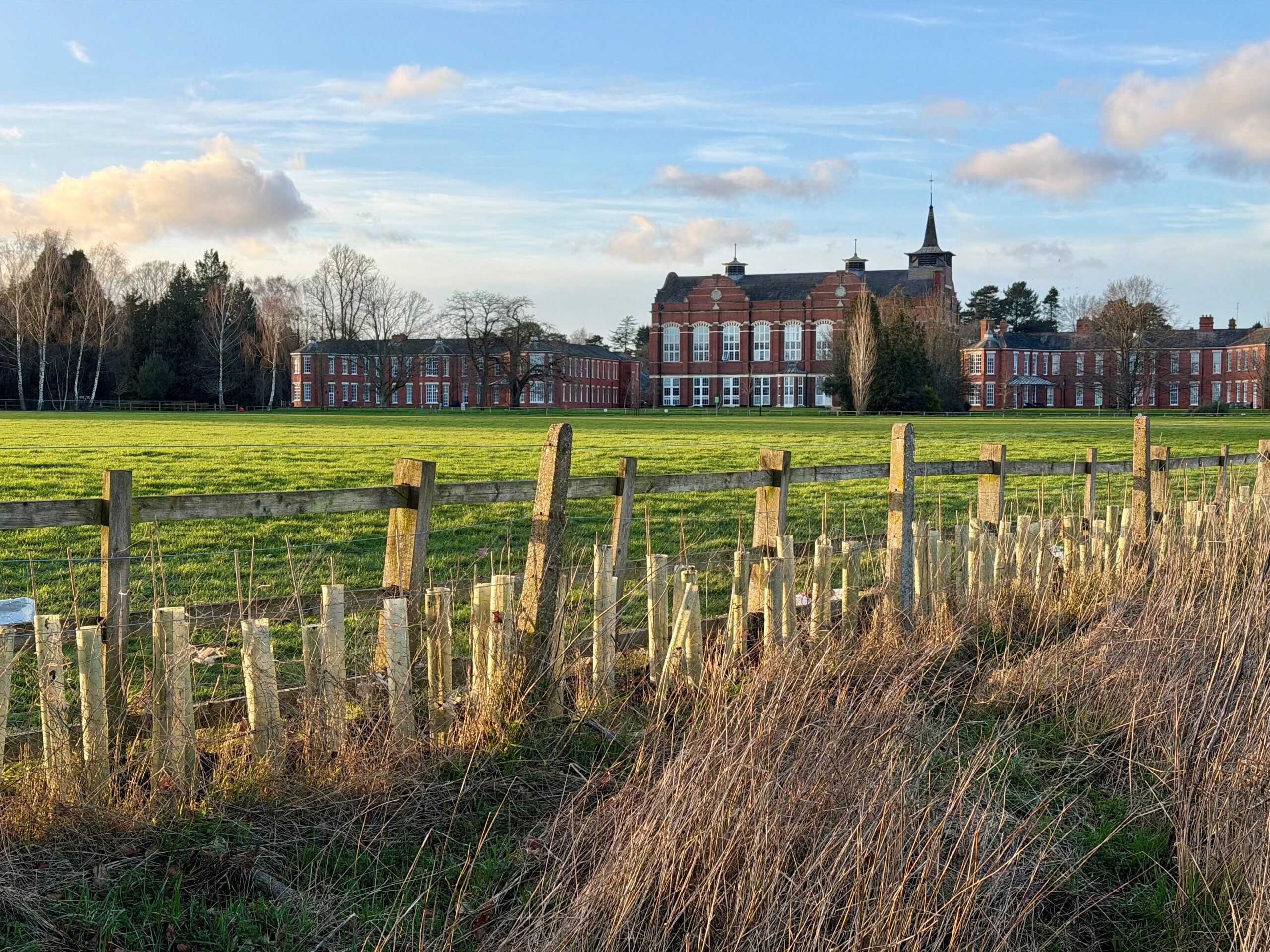
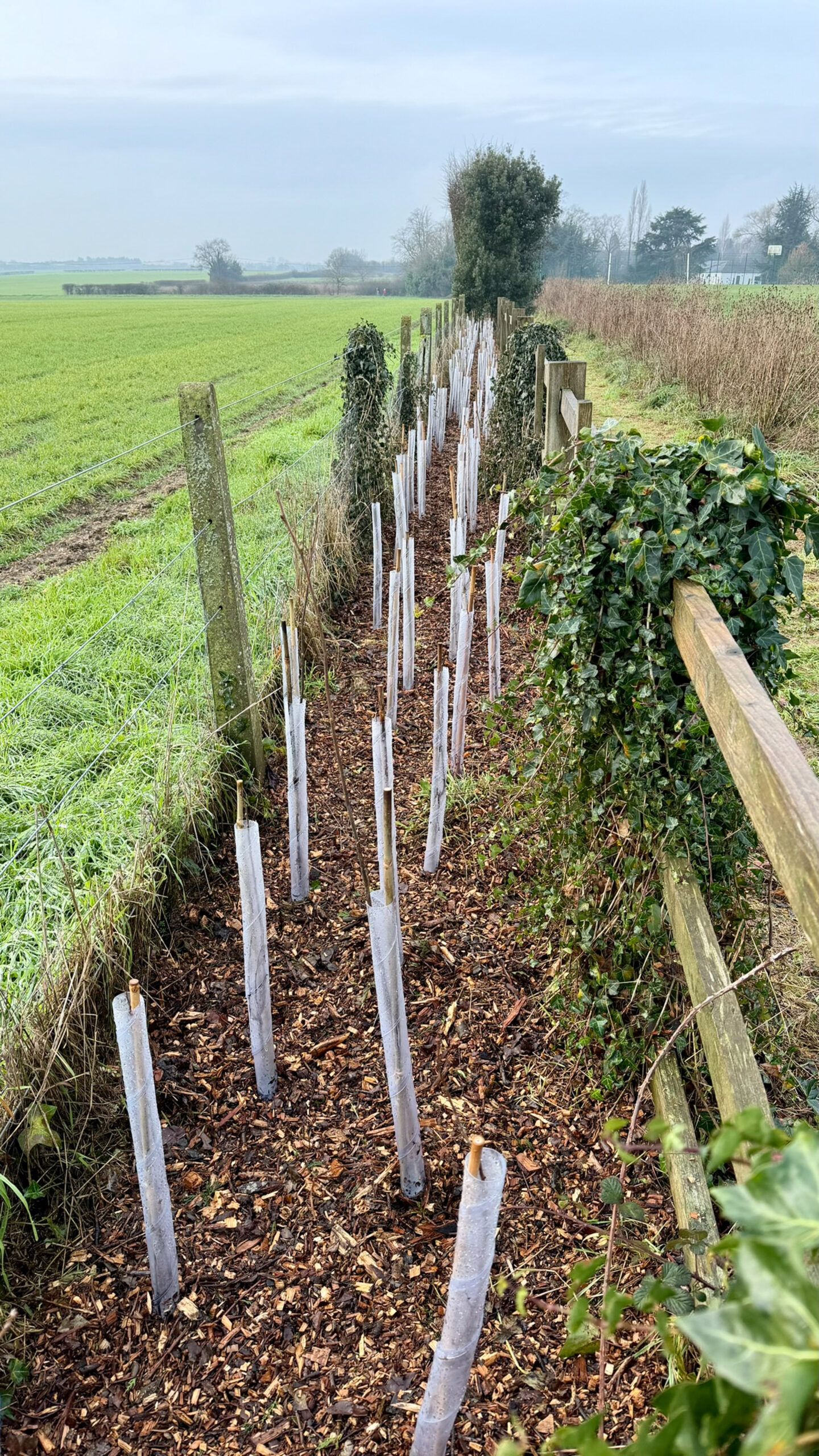
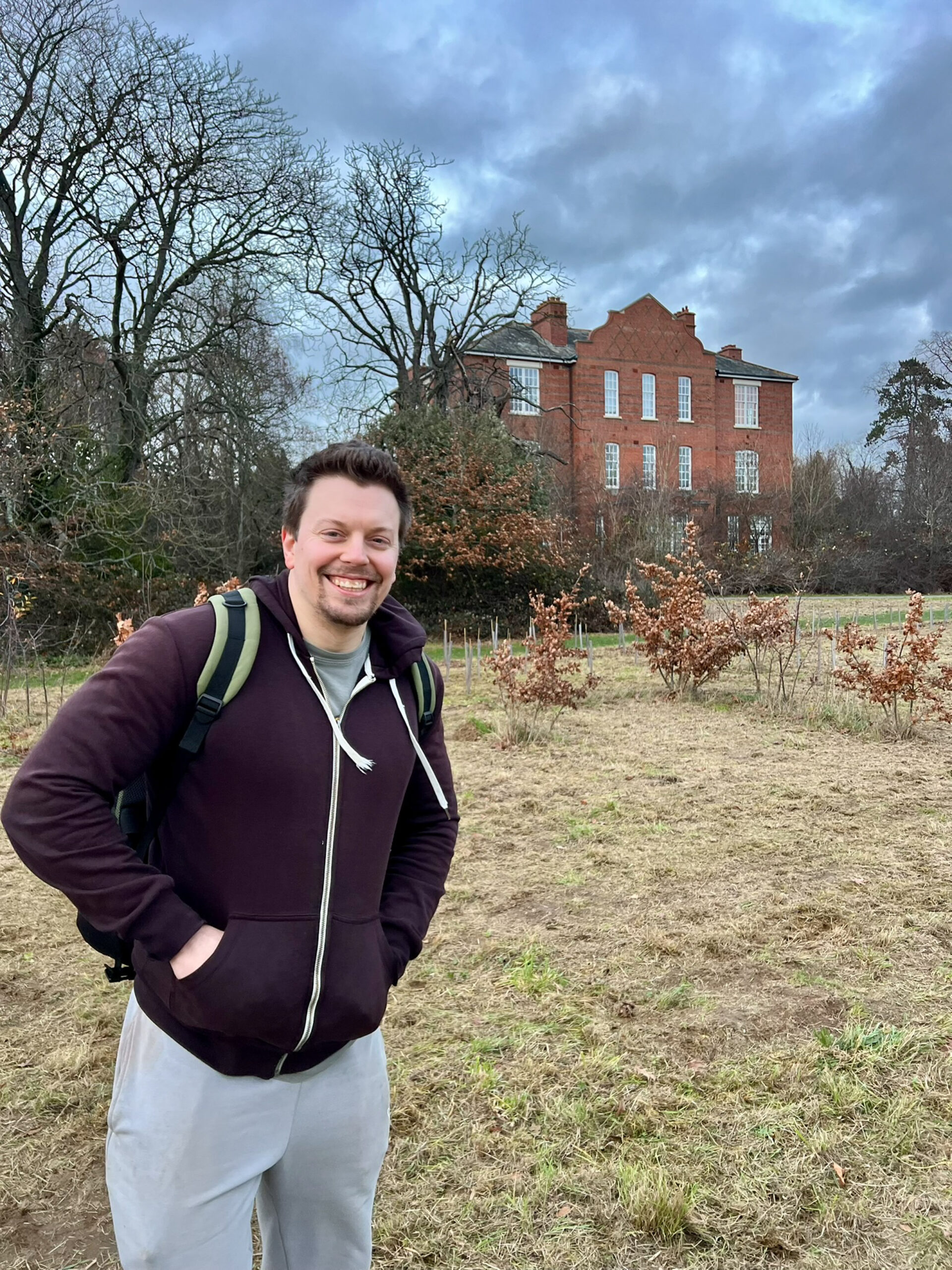
The results have been both immediate and lasting. To date, 1,500 native trees have been planted, alongside the strengthening of more than 150 metres of hedgerow, helping to create a resilient and biodiverse landscape designed to support wildlife and community wellbeing.
Last month marked the completion of the tree planting phase, representing a significant milestone in the project’s journey from vision to reality. Special thanks are extended to all the volunteers who made this possible, whose energy, commitment and shared sense of purpose have united a community determined to help the area flourish for years to come.
The hedgerow has become a defining feature of the project, providing a joined-up wildlife habitat corridor for birds, mammals and pollinators. As it matures, it will also serve as a natural buffer to any future planned housing development, helping to safeguard the ecological integrity of the rewilded area while clearly defining the boundary of this growing green space.
Young people played a leading role throughout the project. Students from the Eco Council at Bowmansgreen Primary School dug holes and took charge of wheelbarrows.
Beyond its ecological value, the rewilded area will also serve as an important outdoor educational resource for local schools, youth groups and the wider community. The site offers a living classroom where children and residents can learn firsthand about tree growth, habitat creation, pollinators and biodiversity. By providing opportunities for hands-on learning, observation and long-term stewardship, the project will help foster environmental awareness, inspire future custodians of nature, and create a lasting educational legacy for London Colney.
Since the initial planting days, the project has continued to grow in spirit as well as scale. Residents from across St Albans have come forward offering homegrown native trees from their own gardens, further embedding shared ownership and community connection into the evolving landscape.
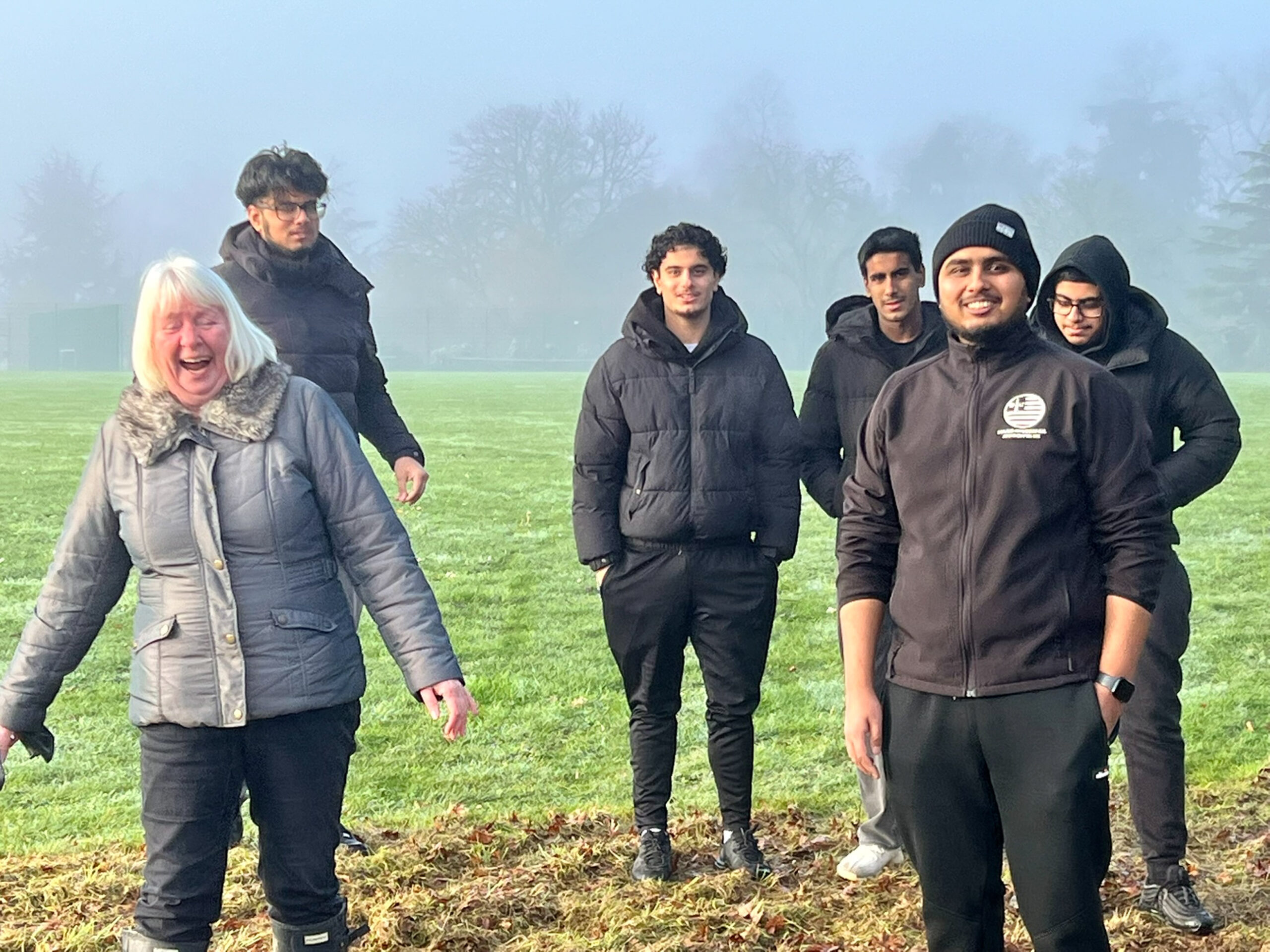
Reflecting on the project, London Colney’s environment officer, Matt Fisher, said the trees themselves were only part of the story. “The trees are almost a secondary result. What’s been created is a completely random and diverse group of people who have come together to form a community. I was genuinely encouraged by the breadth of volunteers – from those living right next to the park to people coming from much further afield, spanning eight decades of age. Alongside that, we’re creating richer habitats with greater biodiversity and a place of tranquillity for residents – somewhere people can slow down, reconnect with nature, and feel part of something positive. Just as importantly, the volunteers involved will go on to motivate and educate others, creating lasting environmental impacts both locally and further afield, and helping to bring even more people into future projects.”
The next phase of the project will focus on digging a small wildlife pond, part-funded through a Veolia Community Grant awarded to London Colney Parish Council.
Mechanical diggers will be brought in to carefully shape the pond, with excavated material used to form a butterfly mound, creating warm, sheltered conditions for pollinators and invertebrates. Wildlife-friendly fencing will provide a clear natural boundary, ensuring safety while gently discouraging dogs – and adventurous young people – from attempting an impromptu paddle.
Looking ahead to spring, native wildflower seed will be sown to introduce colour and create a rich, biodiverse habitat gradient across the rewilded area, further enhancing its ecological and educational value.
Plans are also in place to introduce bug hotels and memorial benches, delivered as part of London Colney Parish Council’s wider role in creating meaningful and inclusive community spaces.
A volunteer group will now be called upon to help manage and water the site over the coming years, ensuring the trees establish successfully and the area continues to flourish through 2026 and beyond.
In recognition of its deeper significance, the rewilded area will be named in honour of Daniel Day, who tragically died nearby in 2012. The dedication ensures the space stands not only as a haven for wildlife, but also as a place of reflection, remembrance and quiet connection, embedding personal legacy within a living landscape shaped by community hands.
Photos by Matt Fisher and Gary Davies