06 Mar 2026
A trailblazer in the field of learning disabilities is to be recognised with a national blue plaque at her Harpenden family home.
Judy Fryd (1909-2000) founded Mencap to help people with a learning disability live their lives to the full, after teaching her daughter Felicity to read, write and count despite a diagnosis of developmental delay.
The charity was devised from the dining table of her home at 8 Westfield Avenue, where later today her family will unveil the Historic England plaque.
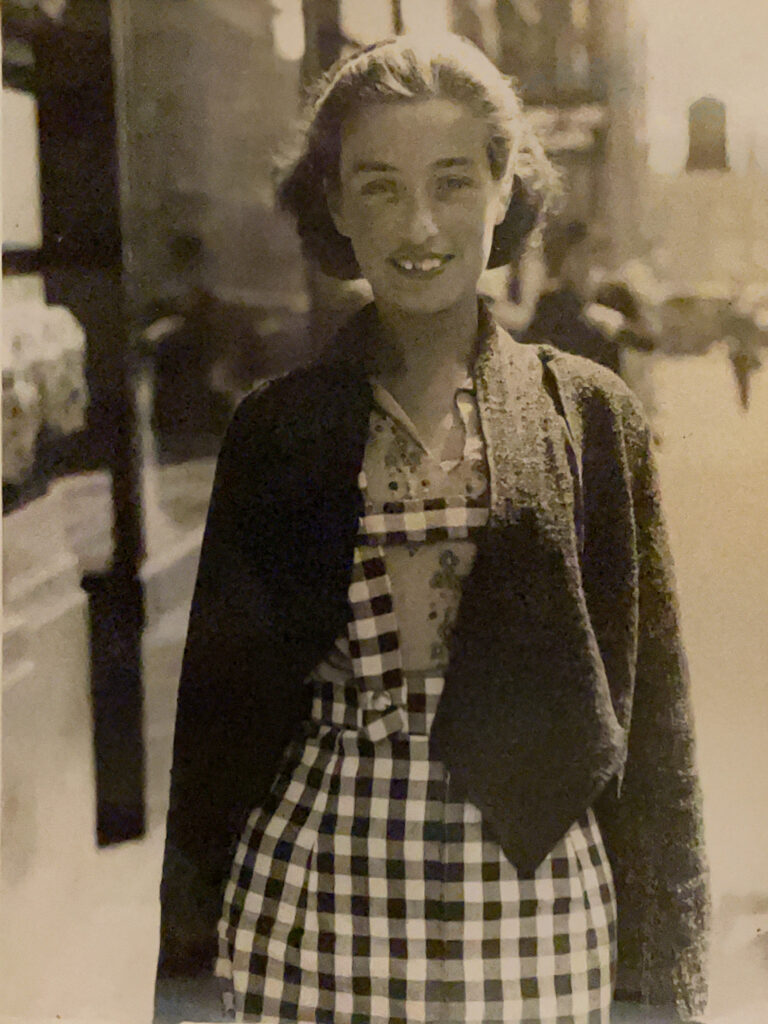
Caroline Joyce ‘Judy’ Fryd, was born in North London in 1909. After leaving school, she worked as a secretary and joined a union, speaking on a soapbox at Speakers’ Corner in Hyde Park about secretarial work and women in the labour force. Her early activism led her to study economics and political science at Ruskin Hall (now Ruskin College) in Oxford, and it was there that she met fellow student John Fryd. They married in 1936 and later settled in Harpenden, where they raised four children.
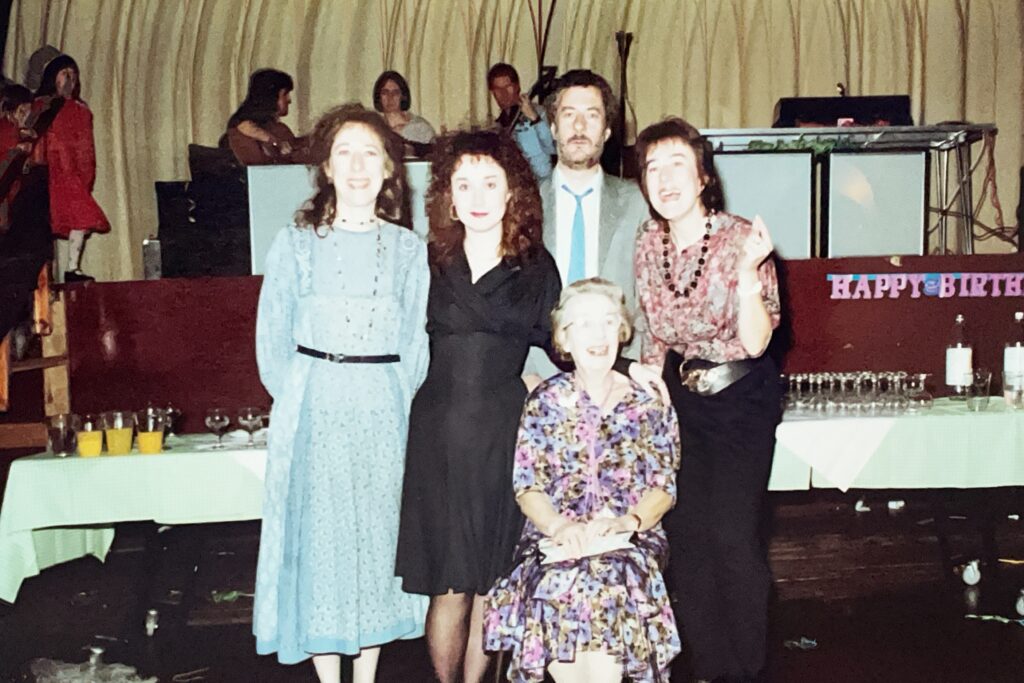
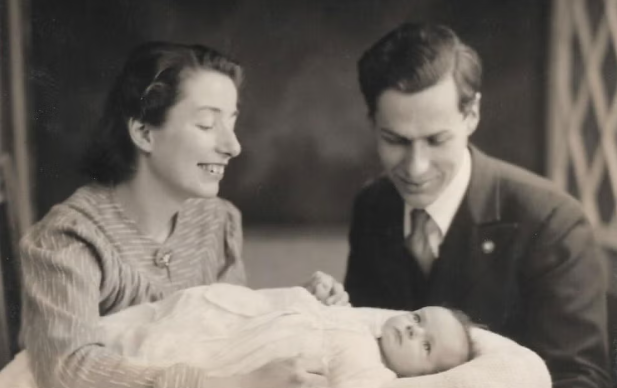
When her eldest daughter, Felicity, showed signs of developmental delay, Judy was confronted by a system that offered little hope. In the early 1940s no mainstream school would accept Felicity.
Undeterred, she taught Felicity at home, proving that her daughter could learn to read, write and count. Judy then began to connect with other parents through the letters pages of The Nursery World magazine, writing under the pseudonym ‘Cinderella’. In November 1946 she formed the association that would later become Mencap, which published its first newsletter in April 1947.

What began as a loosely knit network run by correspondence from Judy’s home at 8 Westfield Avenue grew rapidly into a national movement. By 1950, the Association had established a formal National Council, with Judy appointed as one of two honorary secretaries. She set up Harpenden Mencap in 1959.
In the 1950s, the organisation gave evidence to the Royal Commission on the Law Relating to Mental Illness and Mental Deficiency and put forward suggestions to the Mental Health Bill. These were steps towards the passing of the Education Act 1970, which gave all children a legal entitlement to an education.
The charity received royal patronage in 1981 and in 2002, two years after Judy’s death, it officially adopted the name Royal Mencap Society. Today, Mencap remains one of Britain’s leading charities for people with a learning disability.

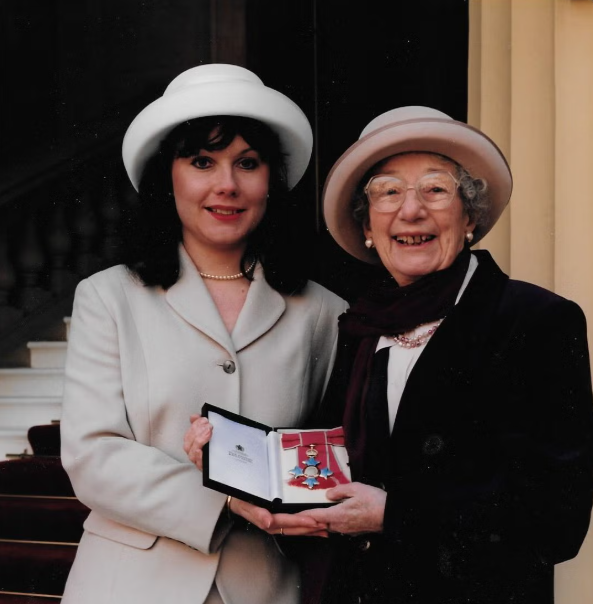
Felicity died from pneumonia in 1993, and Judy herself died in a nursing home in 2000 at the age of 90. She was appointed MBE in 1967 and CBE in 1996, and in 2009 was honoured with a commemorative Royal Mail postage stamp. A journalist in The Times once wrote of her: “There is a great big gulf between feeling and doing, but someone who has bridged the two most successfully is undoubtedly Judy Fryd.”
Claudia Kenyatta CBE and Emma Squire CBE, Co-CEOs of Historic England, said: “Judy Fryd created something which has transformed the lives of many, including her daughter’s. She felt so strongly that her daughter deserved better, that she helped to change our country’s laws and set up an organisation which has given a voice to people with a learning disability for over 80 years. This plaque celebrates the impact Fryd has had on society and the lives she has improved through her dedication and determination.”
Heritage Minister Baroness Twycross said: “Judy Fryd started her networking and campaigning from home, which is a powerful reminder that ambition and brilliance is driven by determination wherever it is found. Mencap does vital work for many communities up and down the country. It’s fantastic to see this blue plaque serving as a permanent tribute to the founding of this charity on a residential avenue in Harpenden.
“I hope that everyone in Harpenden can take great pride in this Blue Plaque, reflecting on Judy Fryd’s achievements at the heart of their community.”

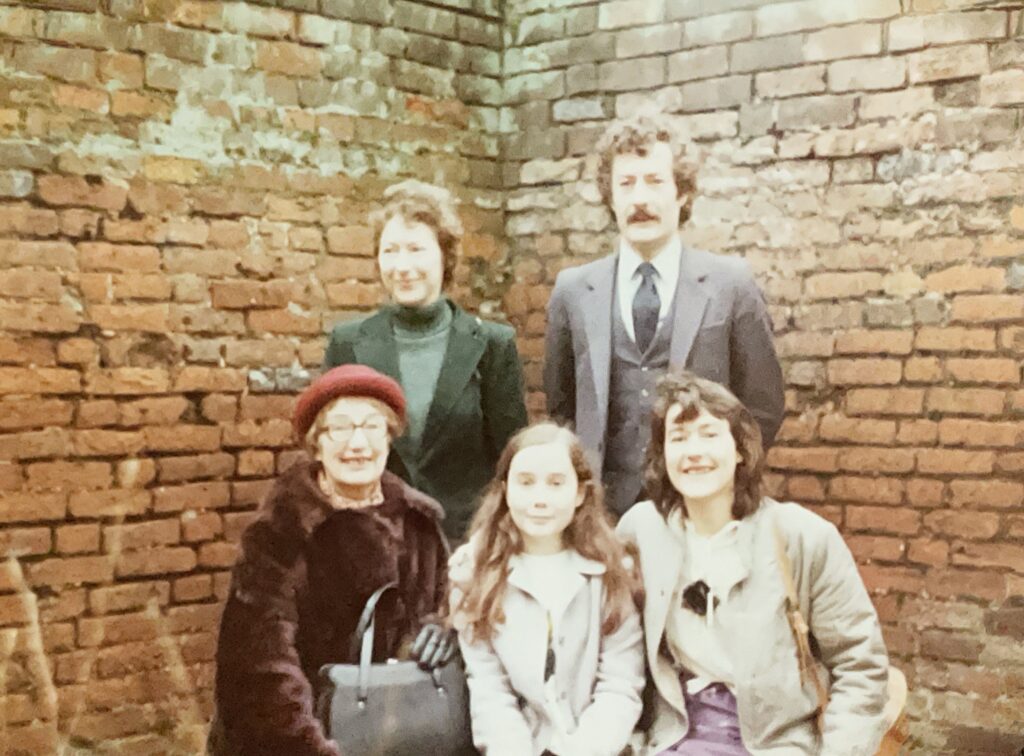
Judy Fryd’s granddaughter Elly Downes said: “Judy Fryd was and always will be, first and foremost, my Grandma. To her children, Felicity, Pat, Peter and Linda, she was a devoted mother, and to John Fryd, a loving supportive wife.
“She’s always been one of the most important people in my life and I will always love her to infinity and beyond! We have always had to share her with Mencap and thousands of people with learning disabilities and their families, her other family and lifelong passion, and are honoured to have done so.
“She led an ordinary life in an ordinary semi-detached house in Harpenden, and was very much respected by her neighbours, friends, and the community. But, 80 years ago in 1946, she did something extraordinary from her dining room table – she spent 60 years working tirelessly for people with a learning disability to be given rights, recognition, and fairness in a world where differences were never fully embraced.
“This work continues in her name and my family and I are so proud of how far things have come and will continue to support the ongoing work of Mencap in our ever changing world.
“We could not be more delighted that she and her home have been honoured with a Historic England national blue plaque. This is not any old house, but a very special place indeed, full of love and warmth, and history, which we will continue to cherish.”
Mencap chief executive Jon Sparks said: “I’m delighted that Historic England has honoured Mencap’s founder, Judy Fryd, with a blue plaque at the home where Mencap began.
“As Mencap marks its 80th anniversary this year, this is a fitting tribute to an incredible person who fundamentally helped change policy, provision and public attitudes – ensuring that generations of people with a learning disability have greater opportunities.
“Judy was a trailblazer whose campaigning transformed life for people with a learning disability and her legacy reminds us not only how far we’ve come, but how many barriers to equality, healthcare and employment still sadly remain. Mencap will continue this pioneering work to ensure people with a learning disability are not left behind as services and systems change.
“It is fantastic that Judy’s family continues to support Mencap and together we will not let Judy’s memory or mission fade”
As the charity reaches its 80th anniversary, it continues the bold work championed by Judy Fryd, as both a leading care provider and campaigning charity, Mencap continues to campaign for the UK’s 1.5 million people with a learning disability to live in their own communities, close to their families.
Uncovering hidden heroines
The unveiling of this national blue plaque to Judy Fryd coincides with Historic England’s partnership with Ancestry, the global leader in family history. Together with Historic England, Ancestry is encouraging people to uncover hidden heroines listed in the 1921 Census of England and Wales.
Featuring in the 1921 Census, Judy Fryd’s story is an example of the fantastic contributions of women to society, that can be uncovered and celebrated today. In honour of International Women’s Day, Ancestry is opening up over 400 million records from March 8th-18th, allowing people to explore for free, and discover stories of trailblazing women within their own family trees.
The eight-week public nomination period for the National Blue Plaque Scheme opens in May. The public is invited to submit their own nominations for people they would most like to see recognised through a Historic England national blue plaque at www.historicengland.org.uk
Special thanks to Ancestry, Delancey Real Estate and The Earls Court Development Company, and The Britford Bridge Trust for their generous support of Historic England’s National Blue Plaque Scheme.