


12 Oct 2025
Two decades ago, some time before St Albans cemented itself as a foodies’ hotspot, an ambitious restaurateur took a gamble on opening a new venture at a location which had seen a turnover of various venues before him.
It was to be a move which not only kickstarted the beginning of a chain of restaurants across the county and beyond, but started the momentum for the city to become a destination for any lovers of quality cuisine, as in its stead came a flurry of other independent eateries.
Now, 20 years on, Andrei Lussmann is renowned for his style of exceptional and affordable dishes in an informal setting, and the restaurant in St Albans’ Heritage Close is considered the jewel in the crown out of the seven in the Lussmanns portfolio.
Having initially opened a restaurant in Hertford back in 2002, Andrei realised that Hertfordshire was somewhat polarised, with people rarely travelling east to west across the county, and so looked for a suitable location to tap into a customer base which was unlikely to visit his first outlet.
“We came to St Albans because I was probably somewhat naïve, as we often are with the big decisions we make in life, not knowing that the location had failed twice as a restaurant. But we were very fortunate that after some time we came a locals’ favourite.
“Recently I suddenly woke up to the fact that we were missing the fact that actually we’re 20 years old, and not only that, but we’re 20 years old in St Albans, which is probably our most important restaurant, as it’s always been the mothership of the business which our other restaurants have circumnavigated like planets.”
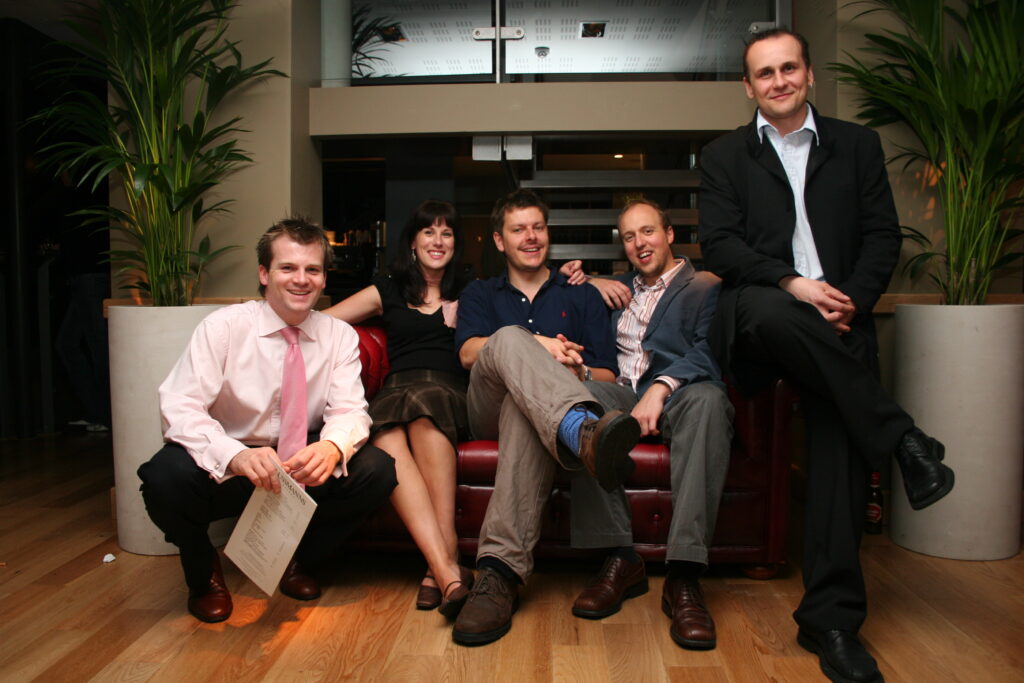
Although there is the same focus on quality dishes made from locally sourced produce, served in a warm and relaxed setting, the restaurant has never sat on its laurels, and has constantly evolved over this time.
“We’ve changed what we’ve called ourselves over the years because I suppose I’ve never been truly happy with the description. We used to call ourselves an ‘eatery’, which means informal dining, but people thought it was quite upmarket, so we became ‘fish and grill’ because that’s what we do, but the whole flexitarian and vegan movement thought we were cancelling them, so we changed it to ‘sustainable kitchen’, and people were confused about whether we were a kitchen showroom! Even the name of Lussmanns had people asking what we sold, whether it was shoes or hamburgers, and if we were German!
“So we changed it to ‘brasserie’, which is what it is, only for me to suddenly realise that brasseries are not the most trendy of restaurants anymore. What’s really fashionable at the moment is café-plus, because people have a bit less time, they don’t want the formality, and they also appreciate eating something which is perceived to be a lot cheaper.
“So we have to work very hard to ensure people recognise what it is that we’re doing. Customers want to know the staff are charming, the food is tasty, not too expensive and comes out on time, but they also want a story. I’ve suddenly realised that I need to be more of the story, and I’m not very good at being the face of the business, but it’s amazing what you’ll say yes to when the P&L is under pressure! I realised I’ve got to appreciate and respect the fact that people what to learn more about what you’re doing than what’s just on the menu.
“We’re all customers, you know, and if I like eating here and it’s how it should be then there’s a good chance that other guests will feel the same.
“But 20 years in this business is a very long time, especially in the same location. You know, independents are now the largest part of the hospitality mix on the high street – people think it’s the chains, but it’s really the mama and papa businesses, who are the engine room in terms of prosperity and opportunity for growth.”
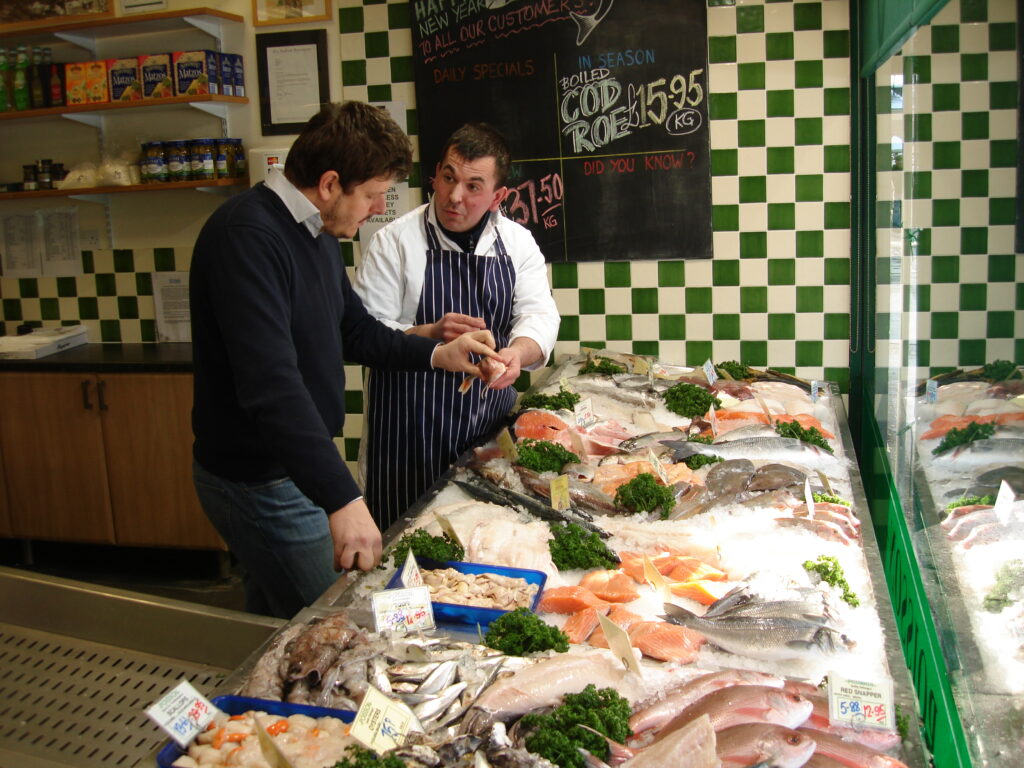
The autumn sunshine cascades through the conservatory roof of St Albans’ Lussmanns shortly before the business opens for lunch. Andrei is casually dressed in a branded t-shirt, a lightweight jacket and, yes, shorts,
having spent the past few hours checking every aspect of the operation is ready for service, but pulls himself away from the relentless cycle of running a restaurant to talk through some of his standout memories of the past 20 years.
“When Covid hit, St Albans was the most supportive of all our communities in keeping us going. Before Boris on that famous Sunday night said ‘we’re closing down the economy and we’re not going to let people go out’, we’d already been in touch with the local NHS Trust, Dione [Countess of] Verulam and Daisy Cooper and said, ‘Look, London’s in trouble, there’s not enough food in the supermarkets once you take hospitality out, we’ve got these restaurants staffed, so let’s cook for the NHS’ and they said yes, 100 per cent.
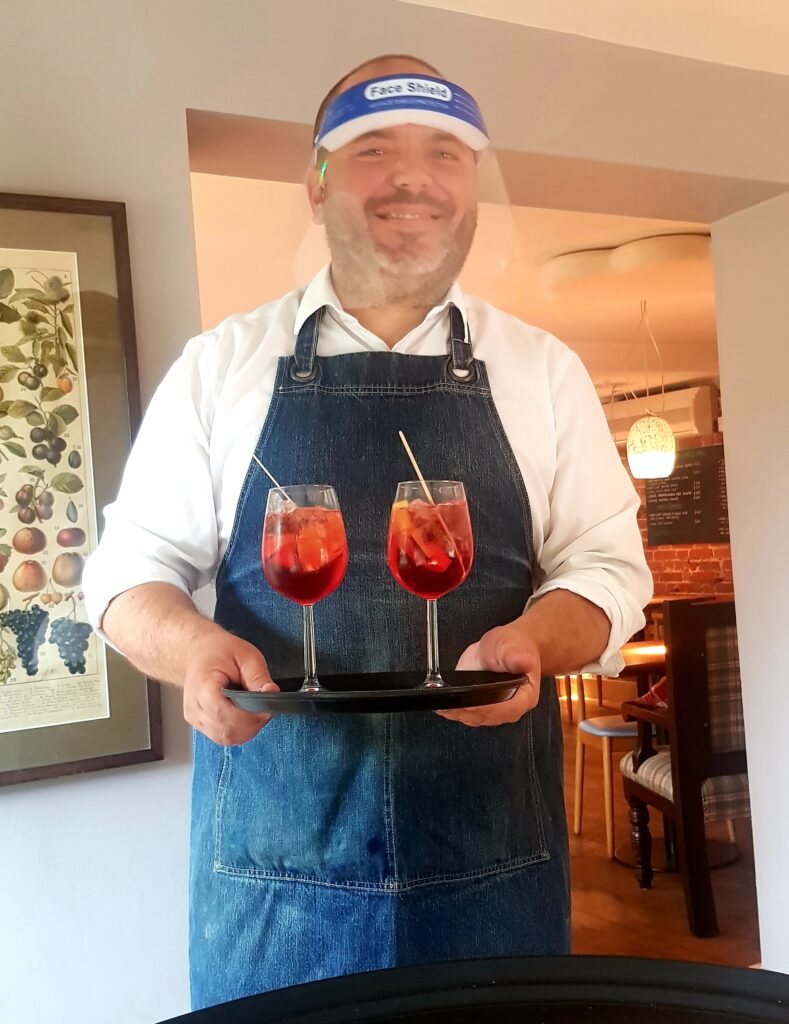
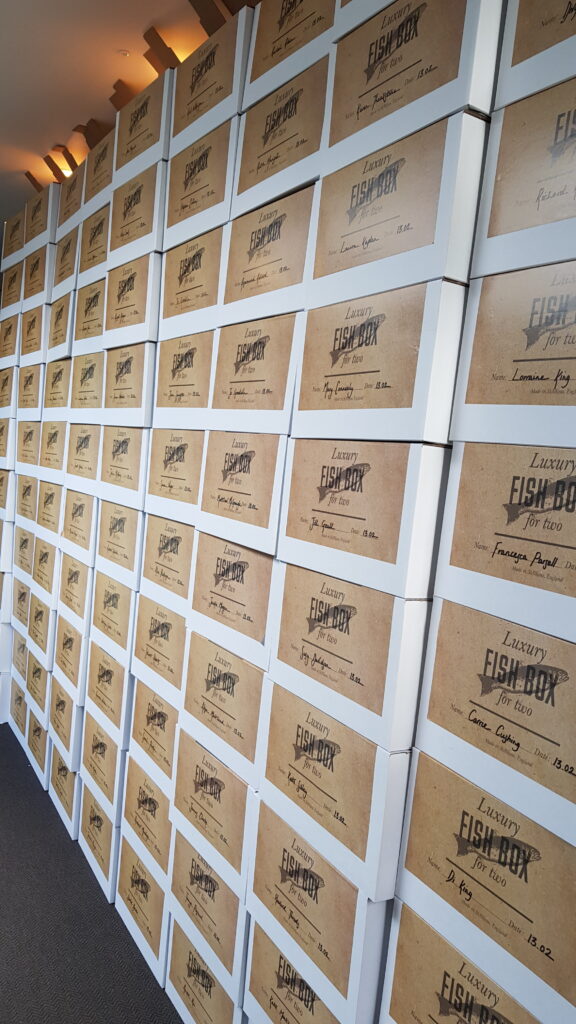
“I just thought that we needed to help when the whole country is brought to a standstill, and within 30 hours we had also created an online directory and service, and 500,000 meals later we had saved our bacon by turning the business online.
“We had to do something because we had no money, and when furlough eventually arrived I remember weeping like a child because I had been under so much pressure. For those first few days of online deliveries I was a driver, and I didn’t realised until then just how many of our customers appreciated who we were and where we came from.
“We had to survive and we had to get on with it, and more than anywhere, St Albans had a wonderful, well-intentioned and supportive community that really bought into the online idea, and were even leaving tips for the staff.
“Usually I only dealt with upset customers, broken restaurants, people trying to sue you, whether there is enough cash in the bank, just the negative stuff. You don’t focus on the positives, which is that probably 92 per cent of our customers walk out saying they’ve had an excellent experience, which is a huge proportion, so that was a very important realisation for me.
“I now go through all of our customer feedback on the different review platforms each day, and however emotional, eccentric or estranged the reviews might be, there’s always gold you can dig out. Feedback is really valuable when you can take something and learn from it. It’s good to make mistakes and take stock rather than not taking any risks.”
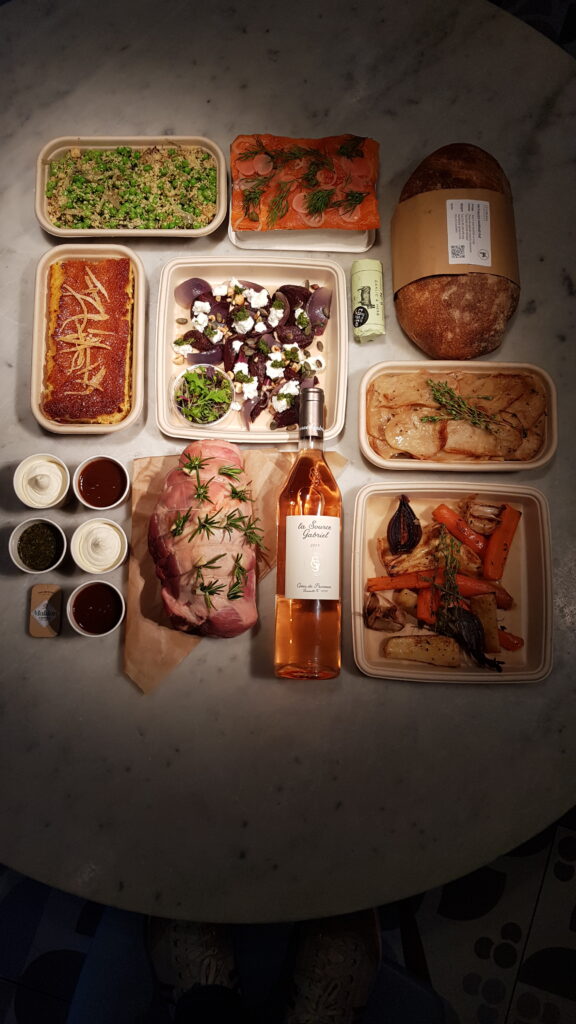
The St Albans restaurant famously hosted The Times’ food critic Giles Coren in 2011. Having been invited out for lunch with an old friend, he chose Lussmanns over the late, lamented D’Arcy’s because of its local sourcing,
sustainability and thoughtful fishing, which proved a game-changer for its reputation beyond just the Cathedral city.
“’Lussmanns is, in fact, everything a modern local restaurant should be, so thank heavens for that,’ said the reviewer, a line which was worth its weight in gold, but it could have all gone in a very different direction,” Andrei revealed.
“No one recognised him until he had left, when one customer said to his server, ‘Did you know that was Giles Coren?’, who promptly replied ‘Who’s Giles Coren?’ The customer said he’d better let his manager know, who then advised me, and I asked, ‘How was it?’ because of course you’re always worried.
“He said, ‘It was fine, but I wasn’t there ’, because I’d had given him a bollocking about the numbers so he’d been in the office the whole morning! I then asked who the chef was, only to find out that he’d been fixing one of the pipes, so the whole restaurant was being run by the ‘B team’. It just goes to show that we were lucky, it could have been a disaster!
“Giles Coren’s a very polite chap, there are some journalists who can be quite acerbic and overly sharp and unfair, but we had a fair wind, we were lucky, and it was lovely what he wrote in his review.
“It’s been very hard to find a new statement that sums us up better than ‘everything a local restaurant should be’, because that’s what we’re meant to be. We’re meant to be the local alternative to The Ivy and Cote and elsewhere.”
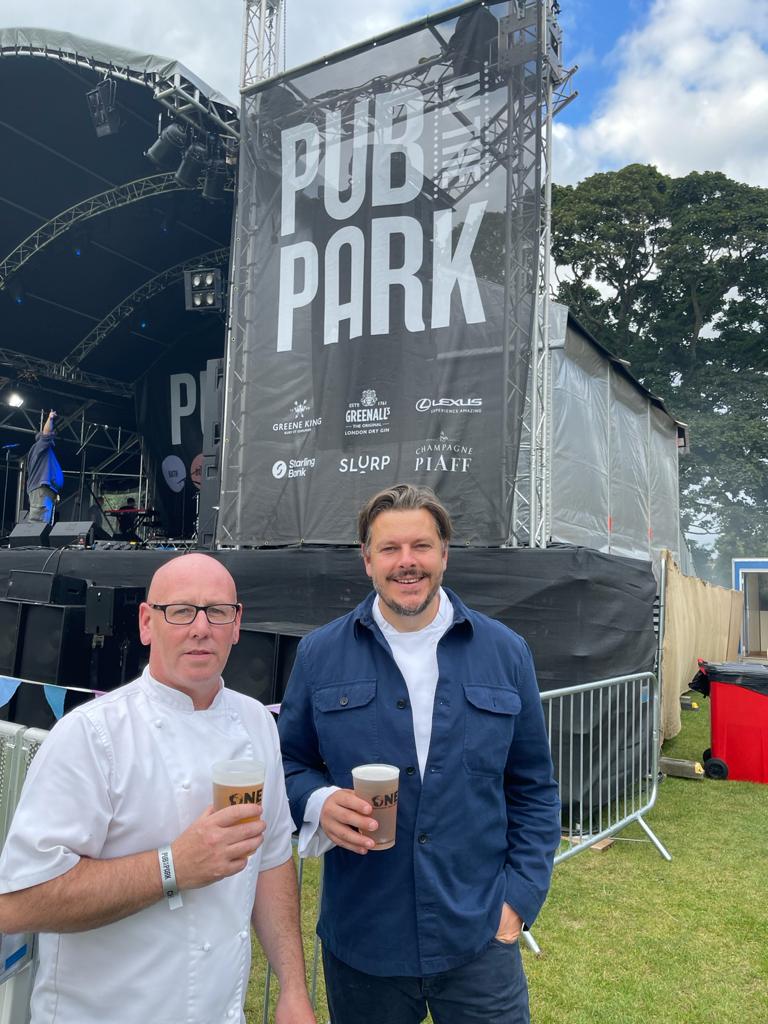
Like many hospitality businesses, Lussmanns is facing the brunt of a contracting economy and the challenges imposed by the Labour Government in terms of increased taxes and reduced rates relief.
“It doesn’t matter what political colour you are, you need a positive economy as well all benefit from it because there’s more money for everybody. Hospitality is very important because it combines two essential parts of life: it’s there for the public when they mourn and rejoice, when they come together at a table away from the kitchen at home; but furthermore it’s an industry which gives people their first job, provides work for
the single mum who requires a particularly balanced rota, or for someone who might be uncomfortable in certain environments and needs supportive working conditions.
“We have staff who have worked with us for 20 years, as well as staff who have been here for 20 days, and they all have different expectations and demands, and you have to treat them with absolute care and attention.
“Hospitality is brilliant in bringing together a diverse variety of people regardless of their religion, sexuality,
age, background or other demographics. They come together in this industry and find a way to evolve and become really good at something they love. We’re a broad church like no other, and it gives me great pleasure in this industry to see such a wide variety of people coming together.”
Over the past two decades Lussmanns has spawned various prodigies who have carved out their own success stories in St Albans, something which gives Andrei a huge amount of personal satisfaction.
“I’m really happy they’re doing their own thing, and nothing gives me more pleasure than seeing them succeed. Chris [Evans, owner of Hatch and former Lussmanns manager] is a good example, but he wouldn’t be doing well unless he worked very hard, is resilient, has a sense of humour and believes in people.
“You need that ability to pick yourself up and dust yourself down. I’ve done this now for 35 years, and you don’t ever get to a point whereby you can walk away saying, ‘oh I’ve achieved success here’, because it’s a bit like being a fighter, you have to keep on going back into the ring.
“Now your role might change from fighting to taking he sponge over, providing he gum shield or the psychological support, but it’s always tough and you’re always being reminded that you’re only as good as your last meal, as good as your staff want to be, and as good as what people are saying about you.”
Andrei is obviously feeling somewhat philosophical about his venture, perhaps prompted by the anniversary, maybe just because of the way the conversation has turned.
“The business of running a restaurant is probably the most democratic thing you can do, because if you don’t like eating at Lussmanns you’ll say ‘you know what, I won’t go there tomorrow’, and after a while we’ll suddenly realise, ‘oh my God, we are not very good’.
“So not only is this business in the front line and being constantly measured all the time, but you also have to ask yourself if you’re still in fashion? Dare I say that classical brasseries like us are probably a little bit less in vogue now than they have been for a very long time, because there’s this desire for experimental dining, and can’t you do something within the restaurant as well as eating?
“When I was growing up, going into a restaurant was fantastic, but the landscape of casual dining has changed so much since the ‘70s with Bernie Inns and the odd Pizza Hut, and the speed of change has been huge.
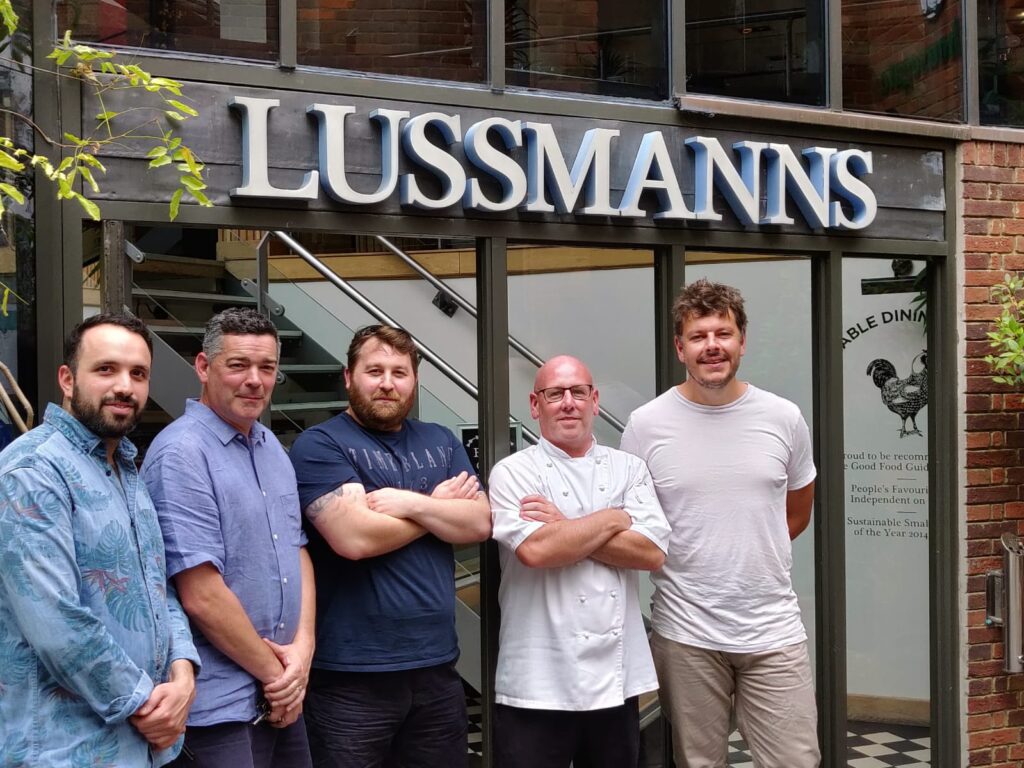
“People now want really strong-flavoured food from around the world, which has been brought over by immigrant populations who have realised that all they need is a few quid and a lot of hard work. There’s no truer sign of grit, personality, determination, resolve and learning on the go than someone who says they’re going to run some sort of hospitality operation.”
Andrei remains steadfastly proud of what he has achieved over the past two decades, and the place Lussmanns holds in so many people’s memories.
“A restaurant is a very special place. It’s a business where people come in saying, ‘here’s my wallet, I want to enjoy myself and I’m in your hands, I want you to take care of me’, and we’re very fortunate to be in that position. It reminds us of how important it is that we’re there for people being born, wakes, marriages, GCSE results, all these moments in or lives, and it doesn’t matter what nationality or religion you are, we all come together at the dinner table, and if it’s not at home it’s in a restaurant or a pub or something.
“That is something we must cherish forever because as an industry we’re under huge pressure and we don’t want to lose the places that are important to us. We’re still here after 20 years, we’re still learning, and we’re still looking to be the locals’ go-to restaurant for somewhere which is essentially good value.
“We don’t necessarily want to be considered the best place in town, but we just want to be one of people’s three favourite restaurants, and somewhere they will bring their children as they grow up.
“As well as their incredible support during the pandemic, the people of St Albans have shown us huge loyalty over the 20 years we’ve been in the city – and that’s during a period in which lots of new, independent food businesses have sprung up. It’s not a big place, but it’s beautiful and historic with a real community vibe and I really hope we’re a part of that for years to come.”
