05 Oct 2025
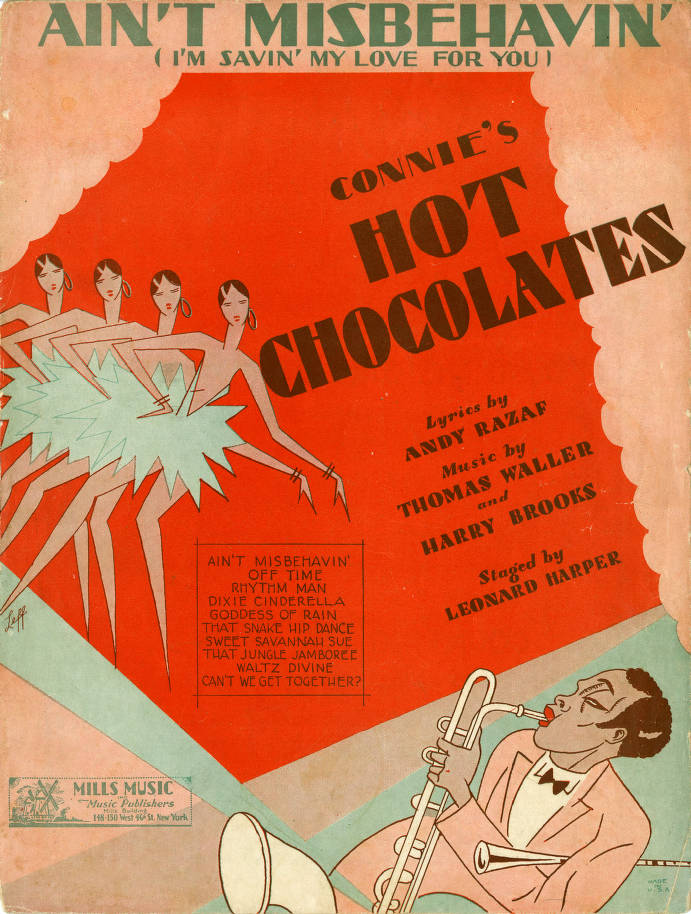
In 1929, the song Ain’t Misbehavin’ nicely rounded off the Roaring Twenties. The clubs and dance halls were still belting out jazz and early swing. More people were filling their leisure time with sports and exercise.
In Fleetville, Ballito’s Sport and Social Club on its factory premises offered plenty of activities for their employees and their families: roller skating, keep fit, tennis, cricket and days out on coach trips.
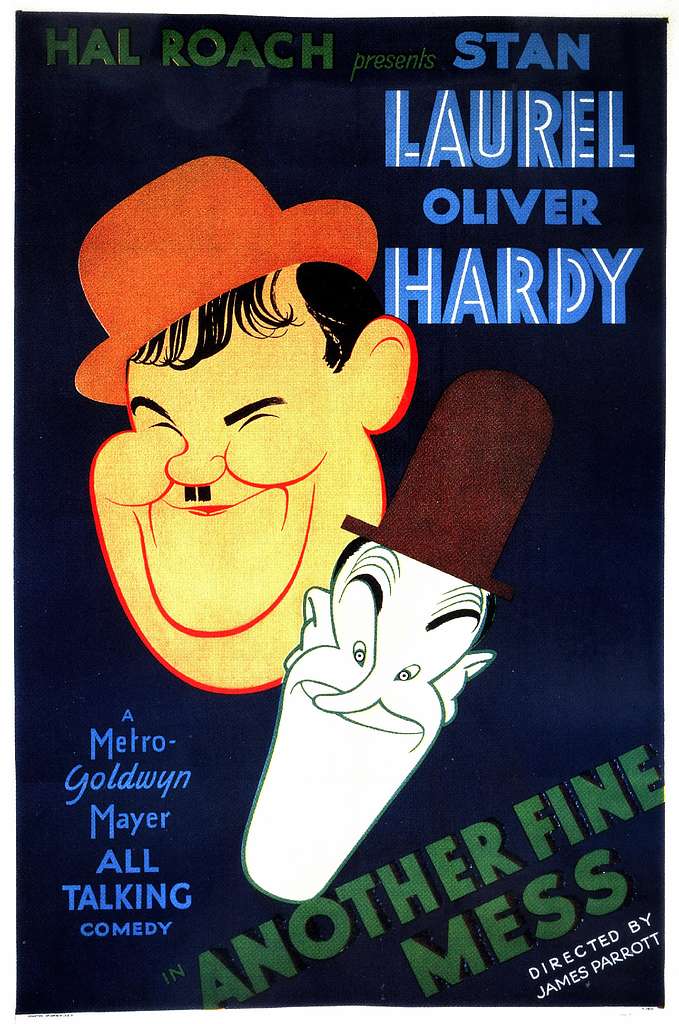
People were still flocking to the picture palaces to laugh at Laurel and Hardy or gaze devotedly at up and coming actors like Cary Grant, Clark Gable and the first Blonde Bombshell, Jean Harlow. Fortunately for the people of St Albans there was a choice of cinemas – the Grand Palace and the Chequers in addition to the Regent in London Road.
This had been gutted by fire and was undergoing refurbishment until December 1931 when a magnificent new cinema, designed by Percival Blow and James Martin Hatfield, opened. It held seating for around 1,600, a theatre organ and a café. It was renamed the Capitol Cinema and is now the Odyssey.
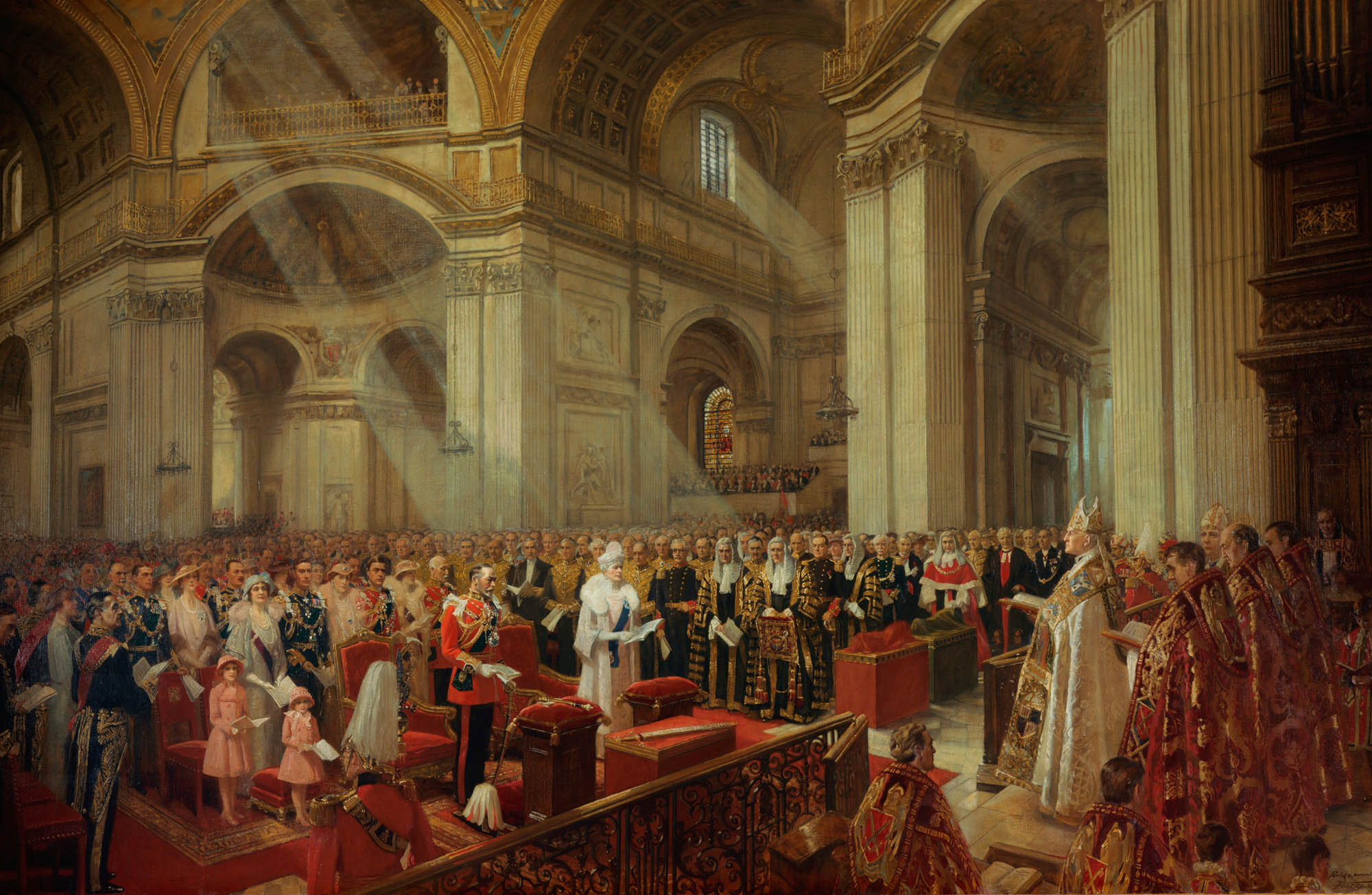
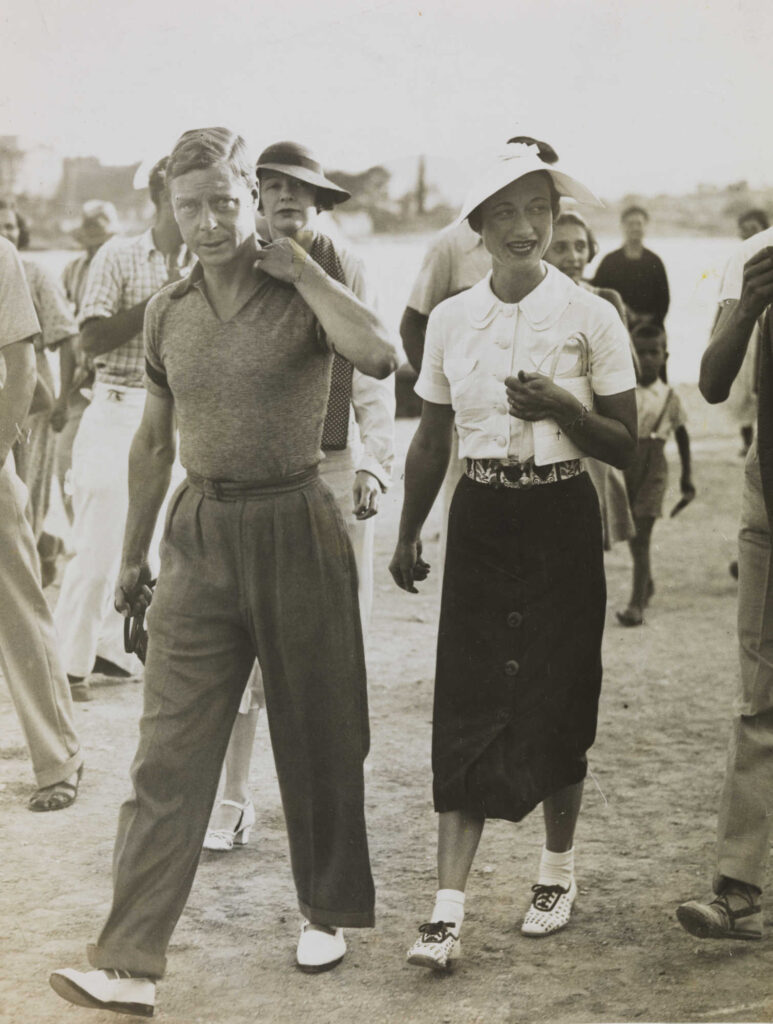
As well as enjoying the latest films, a trip to the cinema also gave audiences the chance to catch up with current events on the newsreels. There was the Silver Jubilee of King George V in 1935, marked with a service of thanksgiving at St Paul’s Cathedral, and celebrated with street parties and a painting by local Harpenden artist Frank Salisbury. There was the scandal of the Abdication Crisis the following year, when King Edward VIII gave up the throne to marry an American divorcee, Wallis Simpson.
For an increasing number of St Albanians, work was in London. Thanks to its rail links, it was an easy commute. Local buses also provided access to the factories and businesses which had settled in St Albans. This easy access to London and the diversity of local employment was to save St Albans in what was to come.
In October 1929, the value of stocks and shares on the New York Stock Exchange in Wall Street began to tumble. By 1930, the economic fall-out had spread to many countries, including Britain. The hardship which was to follow was known as the Great Depression in America but as the Great Slump in Britain. It hit hardest in the north of England, Scotland, Northern Ireland and Wales, with up to 70 per cent unemployment.
By comparison with the dreadful hardship elsewhere, St Albans remained relatively unscathed. Nevertheless there was unemployment, evidenced by the long queue that formed each morning at the gates of Shenley Hospital hoping for a day’s work labouring in the garden.
St Albans did what it could to help others. Thanks to a scheme to provide work to the unemployed from different parts of the country, the lake in Verulamium Park had been created and locals were able to cool off with a bathe during the heatwave of 1932.
In 1936 the Jarrow marchers, striding into the city playing mouth organs and kettle drums, stopped here en route to Westminster. They were greeted by the Mayor and provided with accommodation, food and visits to the cinema.
A bigger problem for St Albans was the housing shortage that had persisted since the end of the First World War with little action.
In the Thirties the council began to build some new houses but the main growth was in private developments. A new unintentional ring road was created by new developments from Batchwood Drive to Beechwood Avenue, and the Marshalswick estate was begun.
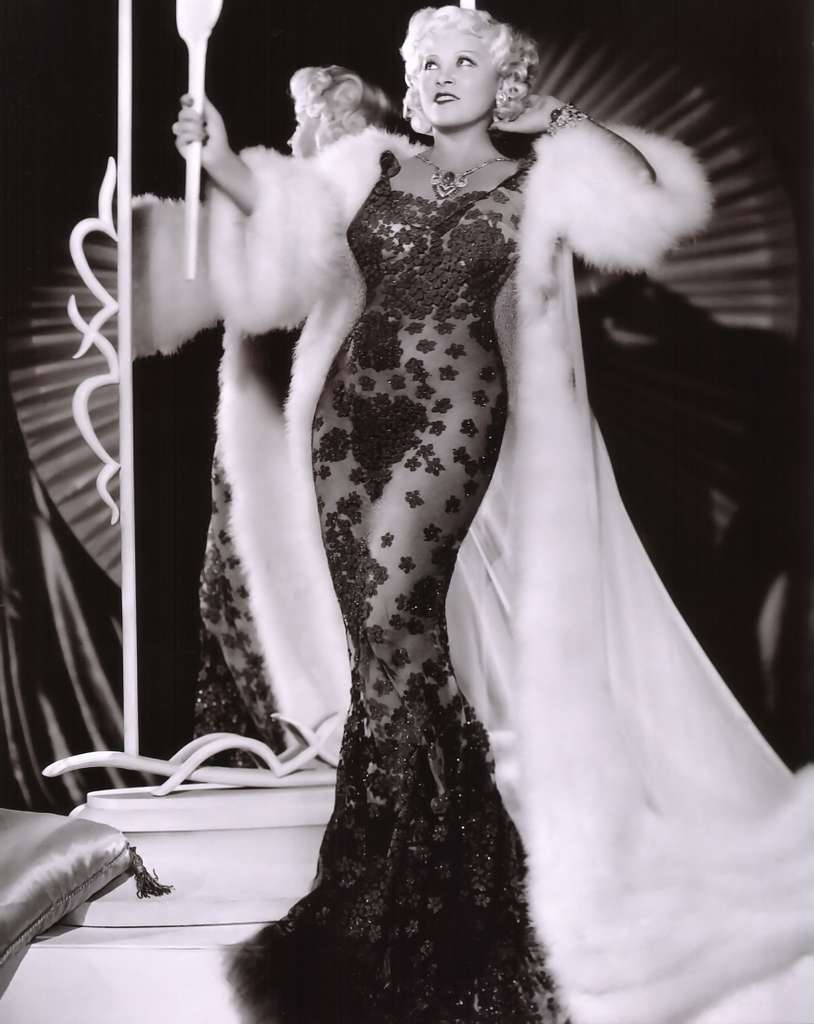
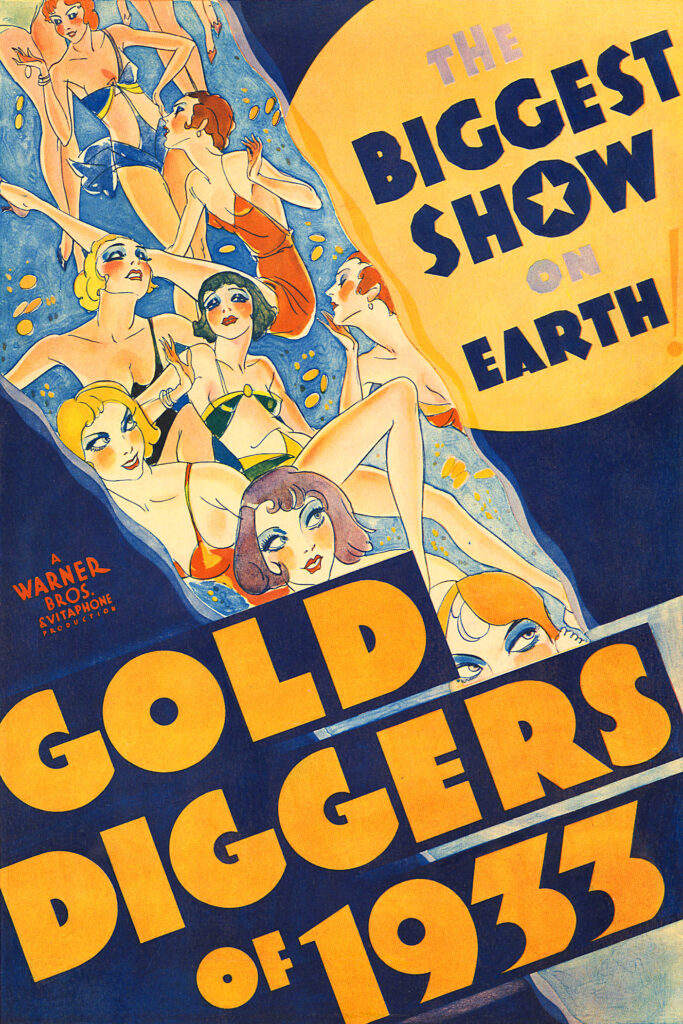
Life went on but things had changed. Escapism became an art. Back at the cinema the Talkies, while still in black and white, allowed the audience to lose themselves in the glamour of a different world. Jean Harlow sashayed across the screen in silken bias cut dresses.
By 1931, Vogue Magazine asserted that the tubular style of the Twenties was finished. Instead, hems lengthened again and clinging evening gowns moulded to the female body became known as ‘Goddess’ dresses. The ‘figure’ had returned.
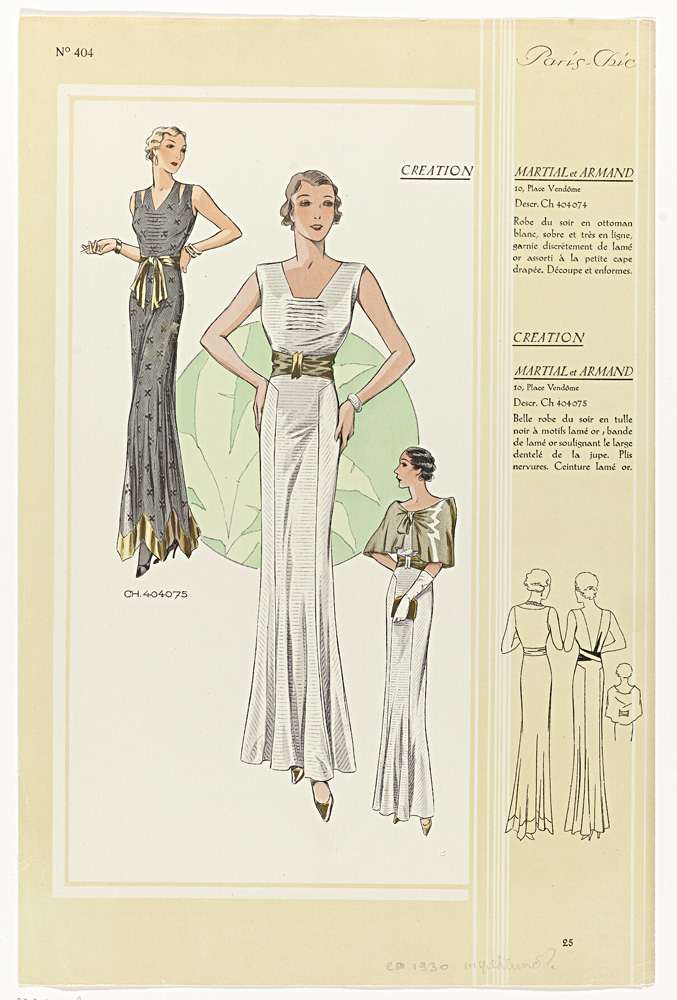
There was a new area of nakedness. The back. The Twenties had been about showing off legs but the back was now on display in a way never seen before in Western fashion.
A challenge, of course, for lingerie makers who had to become inventive.
Flexible girdles became popular. But many dispensed with nearly all underwear as corsets and petticoats couldn’t be worn under these slinky evening dresses.
Thanks to technical advances, these fashions weren’t just for the rich. Rayon and nylon meant that ordinary women could look as if they were wearing silk or crepe de chine. The introduction of nylon stockings meant a big and profitable expansion of the Ballington Hosiery Mill in Fleetville. Its Ballito Stockings became an essential item for many women.
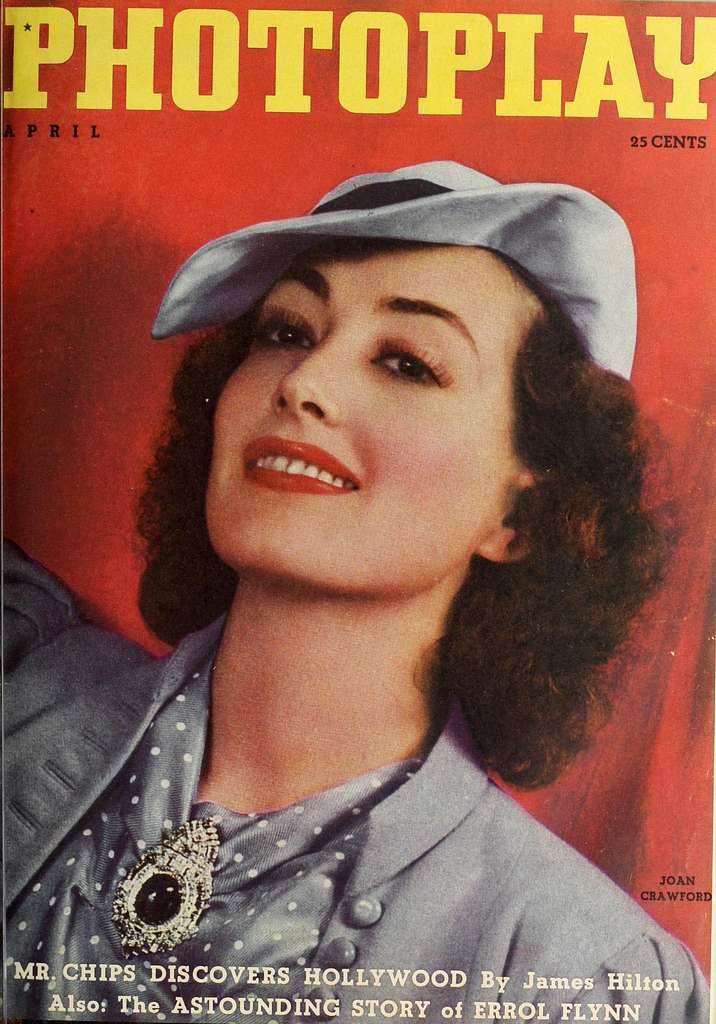
Copying film stars featured in fan magazines, women began to grow out the sleek bob of the Twenties and put waves in their longer hair.
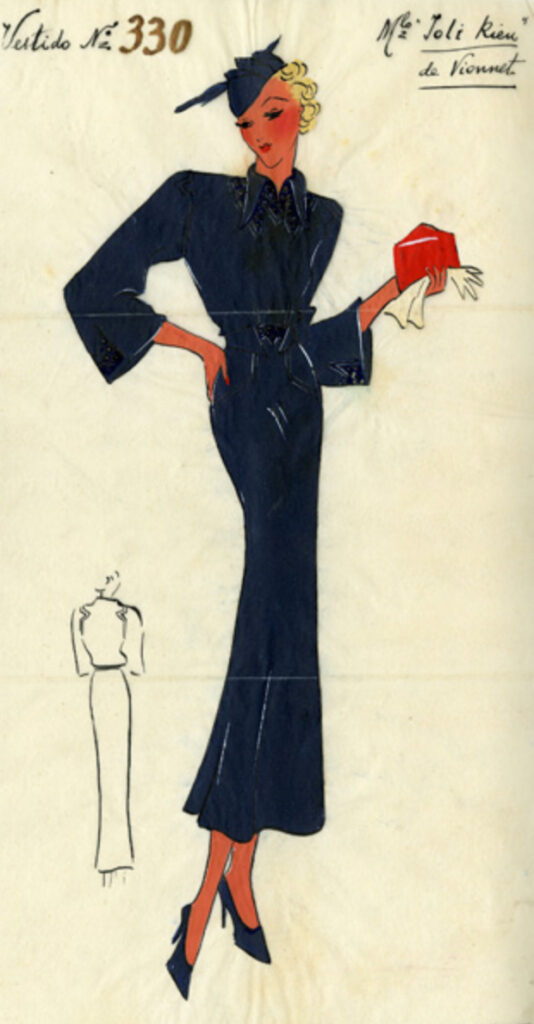
As for colouring hair, this was still a fairly basic art in the Thirties. But that didn’t stop many women, especially fans of Jean Harlow who tried to copy her platinum blonde bombshell look. Although Jean Harlow denied she used bleach, it’s thought she used a mix of soap flakes and bleach to achieve her look, so striking in black and white films. On top, hats would be worn tip-tilted coquettishly forward.
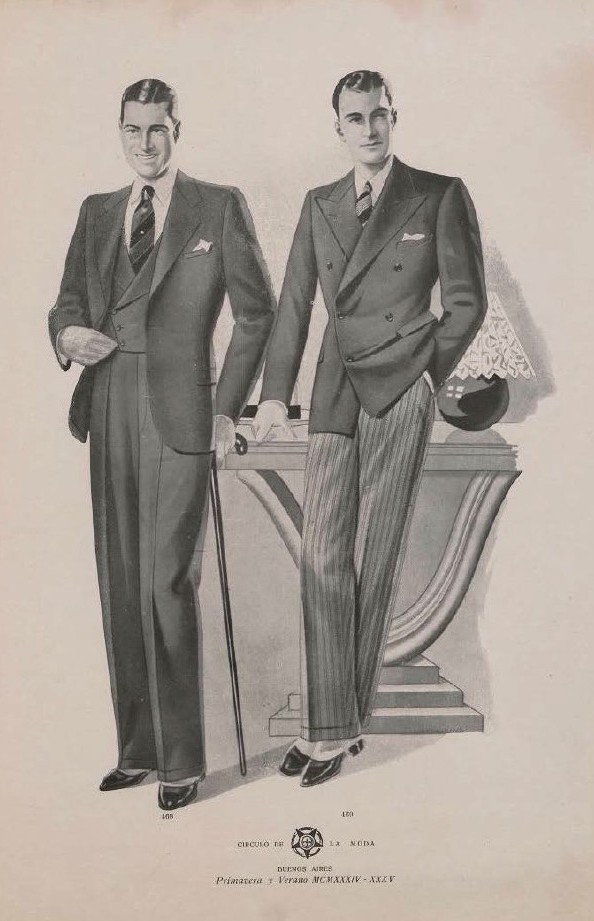
Fashions for men were slower to change. The looser style of suits in the Twenties were gradually replaced by a style which made more of the natural shape of the male body.
Jackets would include a nipped waist, single back vent with high armholes which would accentuate the chest and slim the torso. Wide-legged trousers remained fashionable but began to be tapered and ended with cuffs.
Casual wear had taken off in the Twenties and wasn’t going away. Knitwear in the form of sweaters and cardigans in Argyle and Fair Isle patterns became popular.
Evening wear was still formal, led by the tuxedo, but dinner jackets in white were worn in hotter climates and during summer parties.
But it wasn’t just fashion. Things were changing in the form of the growing popularity of certain political movements across Europe.
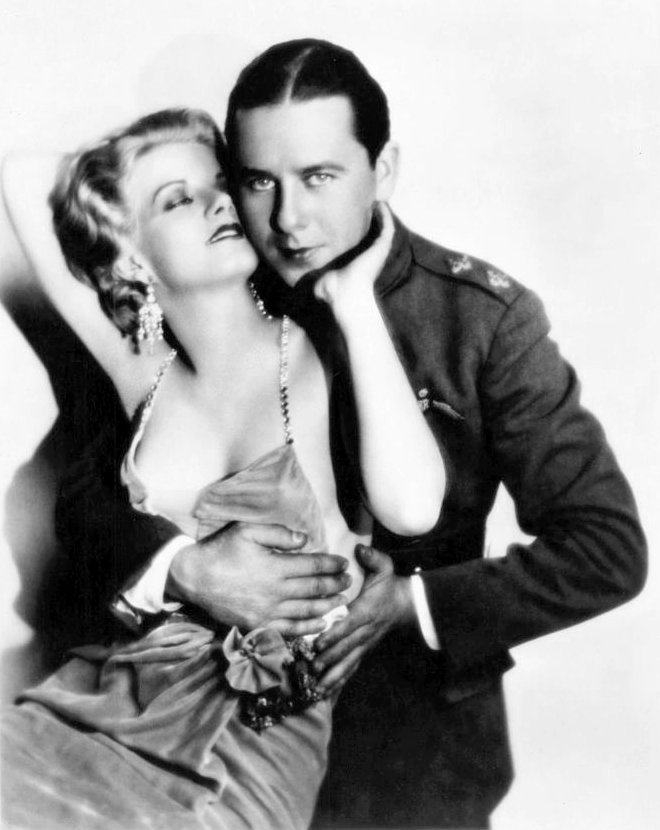
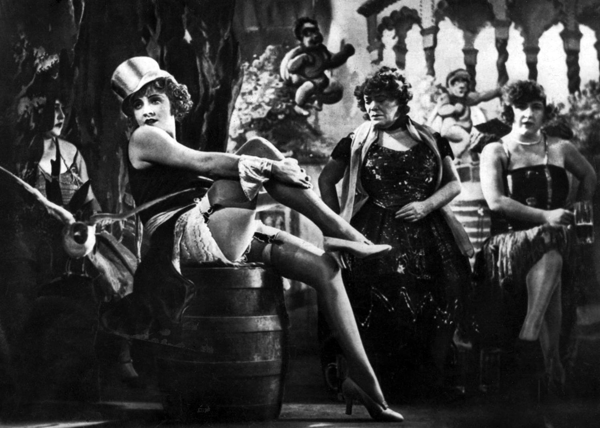
There was also a backlash against the perceived lewdness of films. In 1930, the first attempt at film censorship was introduced in America, the Motion Picture Production Code, known as the Hays Code after its creator, Will Hays. Its aim was to stop a film being produced which would “lower the moral standards of those who see it”. In Britain, the British Board of Film Censors’ recommendations had been adopted for similar reasons.
Of course, this didn’t go down terribly well with those unafraid to flaunt their sexuality like Marlene Dietrich and Mae West. The latter, well known for her brazen sexual confidence and double entendres dryly said: “Virtue has its own reward, but has no sale at the box office.”
There was also a backlash against a ‘return to nature’ movement from Northern Europe which had gradually spread here. Naturism. A group of people who enjoyed
exposing their bodies to the sun were forced out of their regular sunbathing spot at the Welsh Harp reservoir in north west London. They found a safer location for their meetings near Bricket Wood. They called it Spielplatz, (playground) and it is still there.
There were other forms of entertainment which didn’t involve taking your clothes off. By 1932, many homes in St Albans had radios. There was even a programme created especially for the younger members of the family, Children’s Hour.
Technology was having a real impact. Electric lighting was becoming more widespread. By 1936, some of the more affluent households even had televisions. And locals with an interest in golf were encouraged in 1935 when Batchwood Hall was acquired by St Albans council who developed an 18-hole golf course in the grounds.
Apart from Children’s Hour, something else which would have made the children of St Albans very happy was the sugar rush. Canned food became very popular, with canned peaches and evaporated milk often preferred to the real thing. On the shelves of St Albans sweet shops were new chocolate brands – Mars, Kit Kat, Smarties, and more. And there were ice creams, with the Walls salesman and his trike starting to appear on the streets with its enticing message “stop me and buy one”.
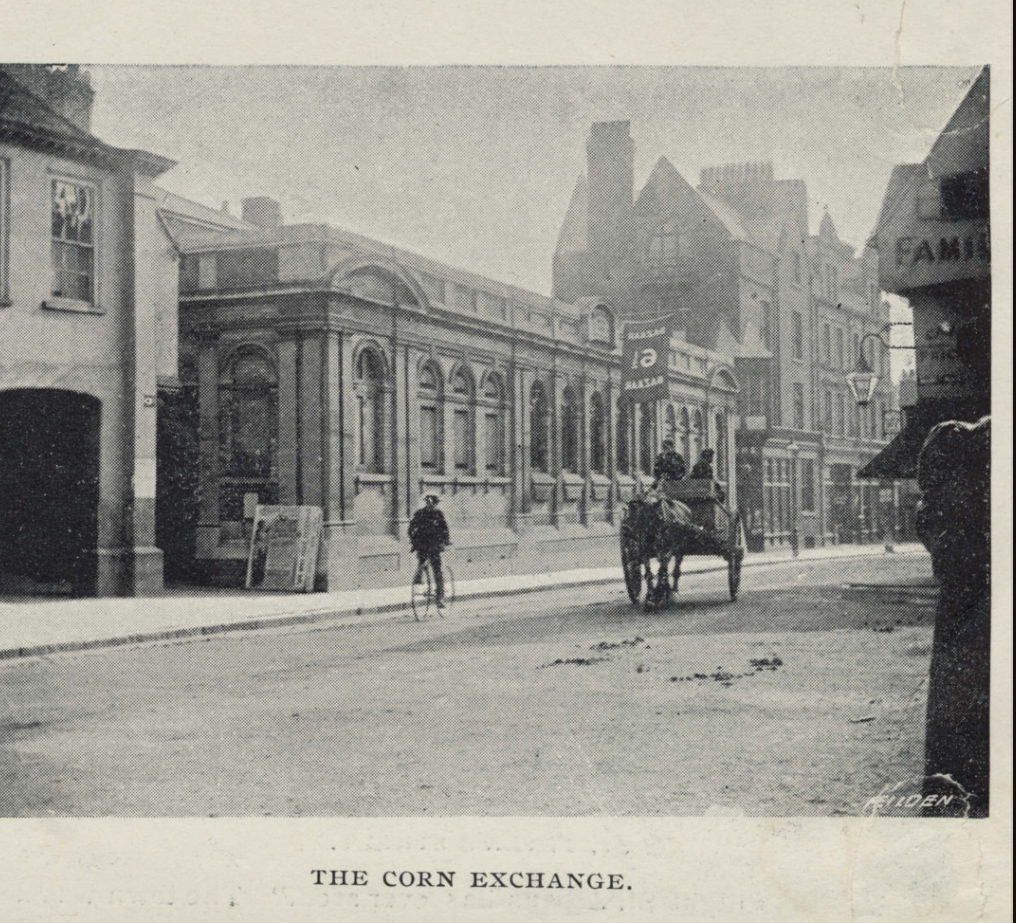
So despite the Great Slump, St Albans was still a bustling market town. But there was a price to be paid for this prosperity. At the end of the Twenties, the Corn Exchange in the Market Place had been let out as five retail units. The resulting work on the building didn’t go down well. The resulting ‘helpless chaos’ meant that the fine symmetry of the original building had been severely damaged.
Talking of chaos, the increasing number of private cars on the roads brought a new problem to the city – traffic congestion. The particular bottleneck was The Peahen junction, where the A5 met the A6. Watching this accident black spot from the balcony of The Peahen was a popular pastime. The solution – traffic lights. These were controlled by rubber pressure pads in the road surface and provided endless amusement to local children who found they could change the lights – and annoy the drivers – by stepping on them.
Many locals would have seen cars as a menace. They would probably have hailed with relief the first edition of the Highway Code in 1931 as nationwide, 7,000 people were killed in road accidents every year. In 1935, voluntary driving tests were introduced. By June, these tests were made compulsory.
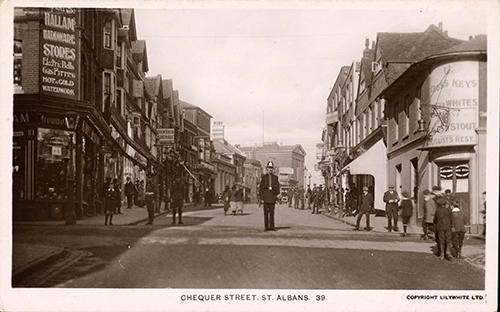
After all, the Thirties were still a time when farmers would arrive by horse and cart on market days. The cattle market on Wednesdays drew a good crowd and the many pubs of St Albans provided a chance for the farmers to socialise afterwards.
In fact it has been said that “If it wasn’t for their horses knowing the way back, they would never have got home”.
Towards the end of the 1930s, news from Europe became ominous. Those who had survived the 1914-18 war, believing that was the war to end all wars, now listened with increasing dread to radio broadcasts and scanned newspaper headlines with mounting horror.
The younger generation would soon be swapping their stylish suits and fashionable gowns for uniforms. The sugar rush would be destroyed by rationing. The bright lights of dance halls and clubs dimmed by black-out. Total War was coming.
History in colour. www.stalbanstourguides.co.uk