03 Sep 2025
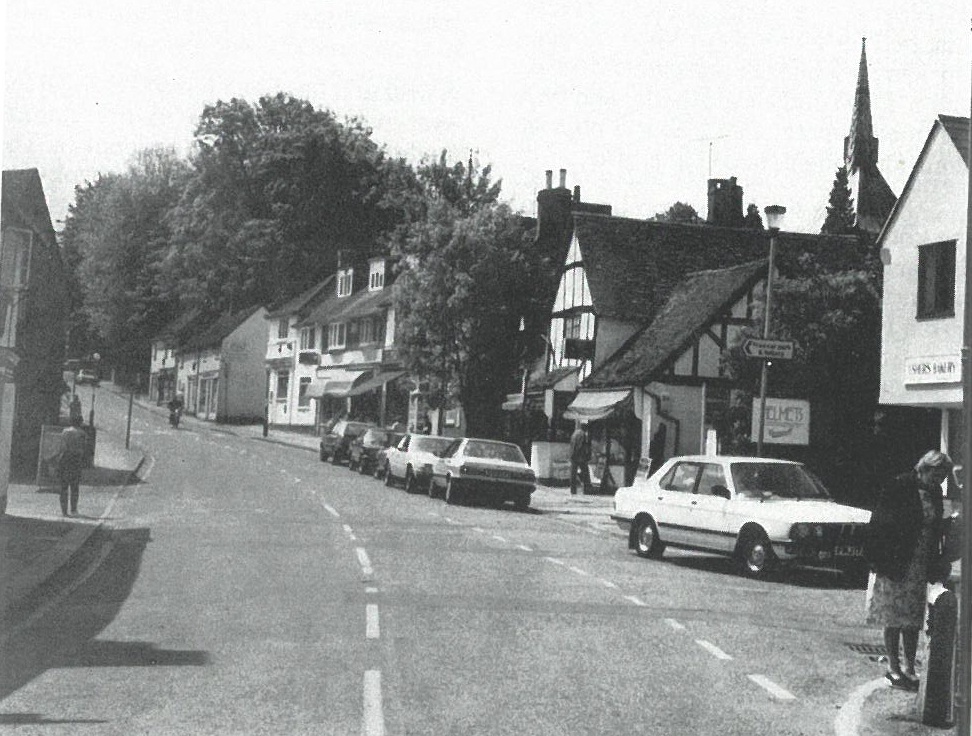
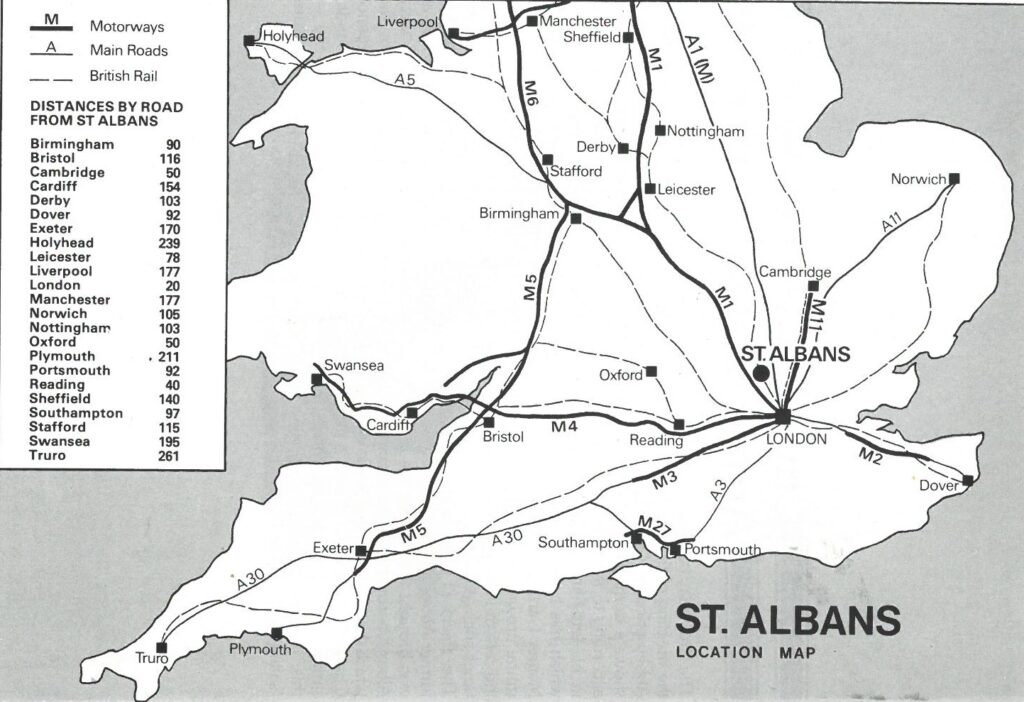
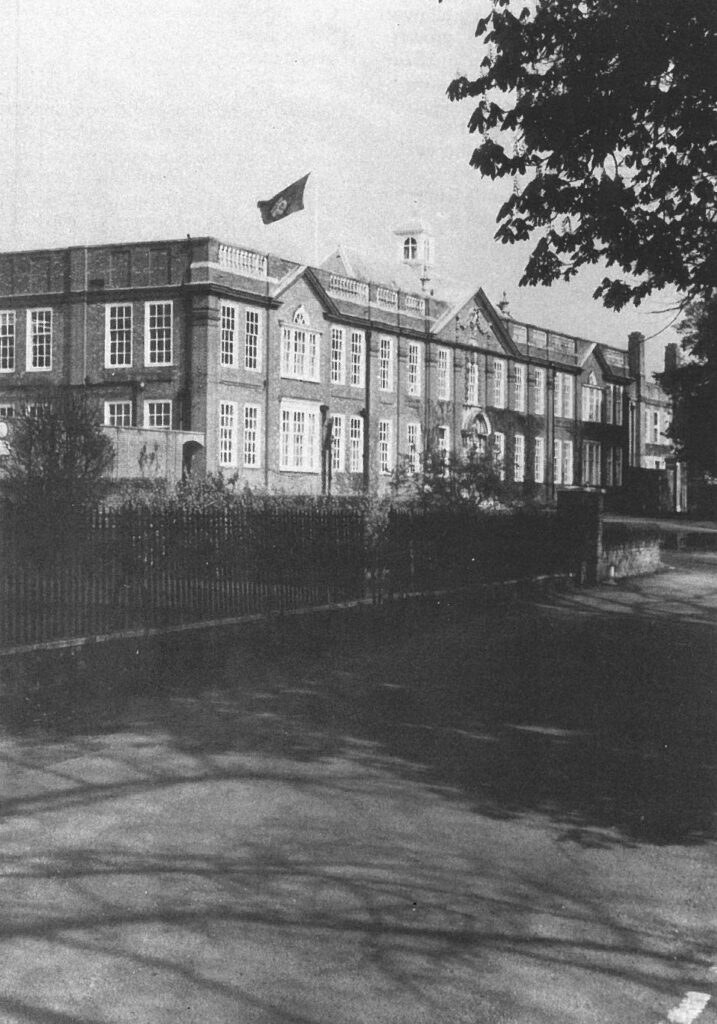
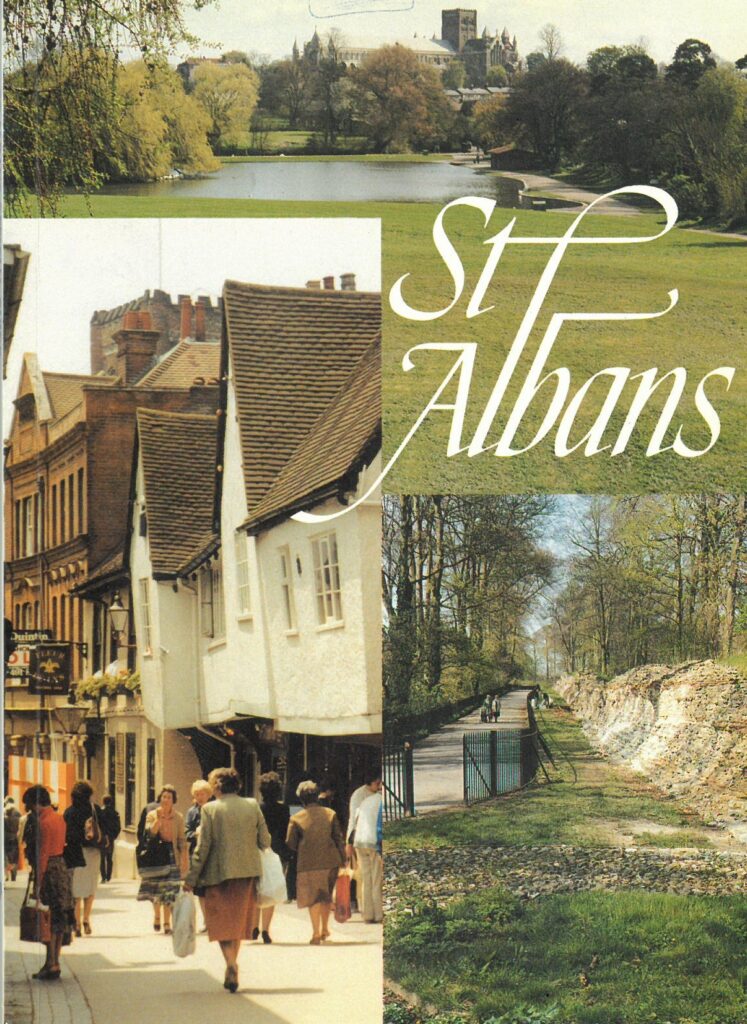
Just over 40 years ago, the City and District of St Albans Corporation published an ‘official guide’ to the district at large which mixed contemporary advertisements with historical details, places of interest and other useful information.
Whether you were a long-term resident, a visitor or someone considering moving here, it was a comprehensive gazetteer of eighties St Albans which arguably would have enjoyed a long shelf-life, hence why a copy probably found its way into our archives.
Picking through the information contained therein offers a fascinating insight into a period of history within many people’s living memory, but which is vastly different from the district of 2025, reflecting instead what life here really was like back in 1982.
So what can we discover from trawling through the contents of this 98-page booklet?
The population of the city back then was 52,000, almost half the current estimation of 92,156.
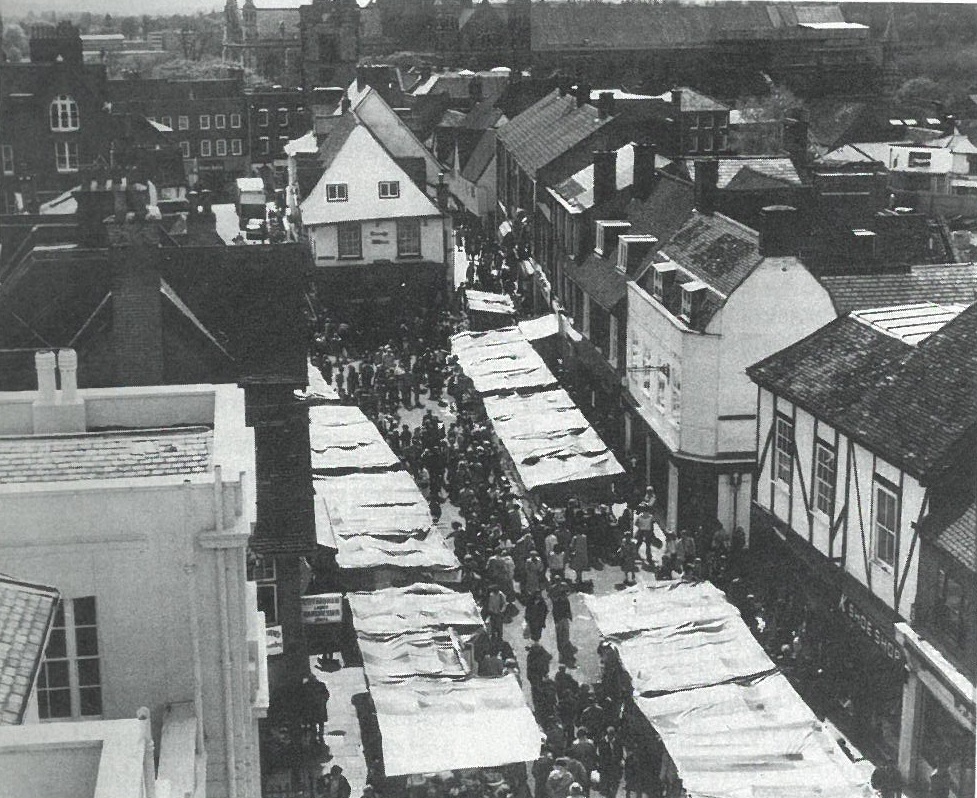
Peter Lilley was still MP for St Albans, and there were 21 different banks still open within the city and neighbouring communities. An antique market took place in the Town Hall every Monday from 10am-4pm, and early closing was on a Thursday in St Albans, and on Wednesday in Harpenden, Redbourn and Wheathampstead.
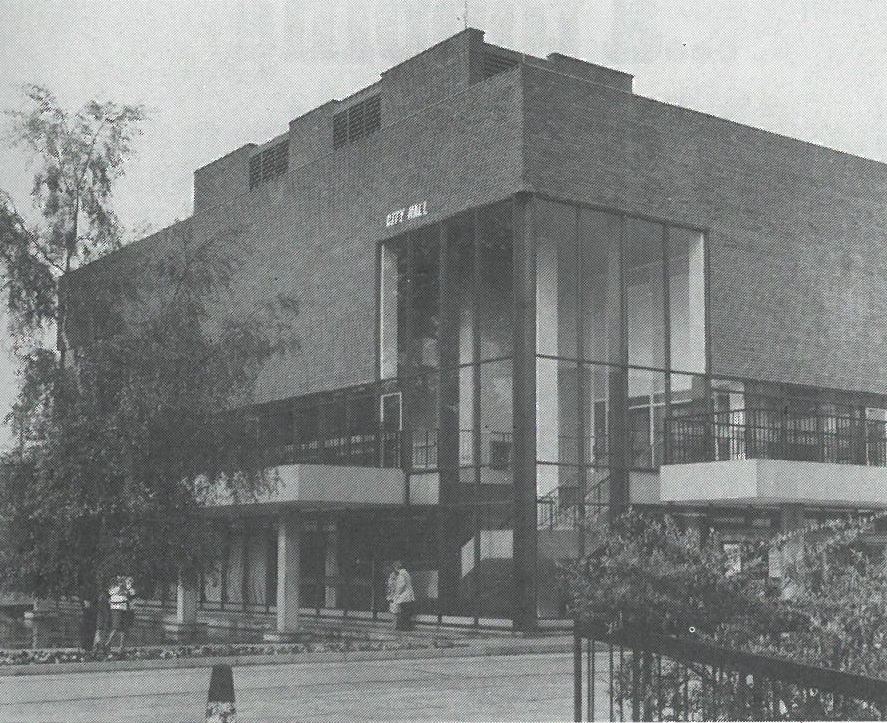
If you were looking for entertainment – whether that was ballet, cabaret, celebrity lectures or wrestling (!) – then David Capel-Jones was the maestro behind the scenes of St Albans City Hall, with tickets on sale from the tourist information centre and box office at 37 Chequer Street (now the Fone Store).
The original City Museum in Hatfield Road was highlighted as one of many (obvious) places of interest, particularly because of the famous Salaman collection, said to be one of the finest provincial collections of craft tools and still on display today in the Museum + Gallery.
Moving out of St Albans, a section mentioning Sandridge offers a somewhat loaded take on what was obviously a contentious issue at the time.
“A major 1,500 housing development at Jersey Farm was approved on appeal by the Department of the Environment and is currently being built, but the District Council are insisting on provision of adequate recreational facilities and open space within the scheme.”
An entire section of the booklet is devoted to the district as ‘A Place to Live’, possibly to attract newcomers relocating to the area, with reference to the four nursery schools, 54 primary schools and 15 secondary schools within the district which are administered by the county council.
Just a few years after the launch of Margaret Thatcher’s right-to-buy scheme, there were still 9,000 social housing homes owned by SADC across the district, but that figure has declined to just under 5,000 today.
Another interesting comment, which alludes to some sort of collusion between local authority and local estate agents, is the line: “While the Council is anxious to preserve the ‘Green Belt’, limited expansion has taken place so that local estate agents can provide details on a wide range of properties from the small terrace City house to the ‘county seat’.”
Unfortunately the implication is that planning decisions were made on the basis of providing a suitable property portfolio for the marketplace!
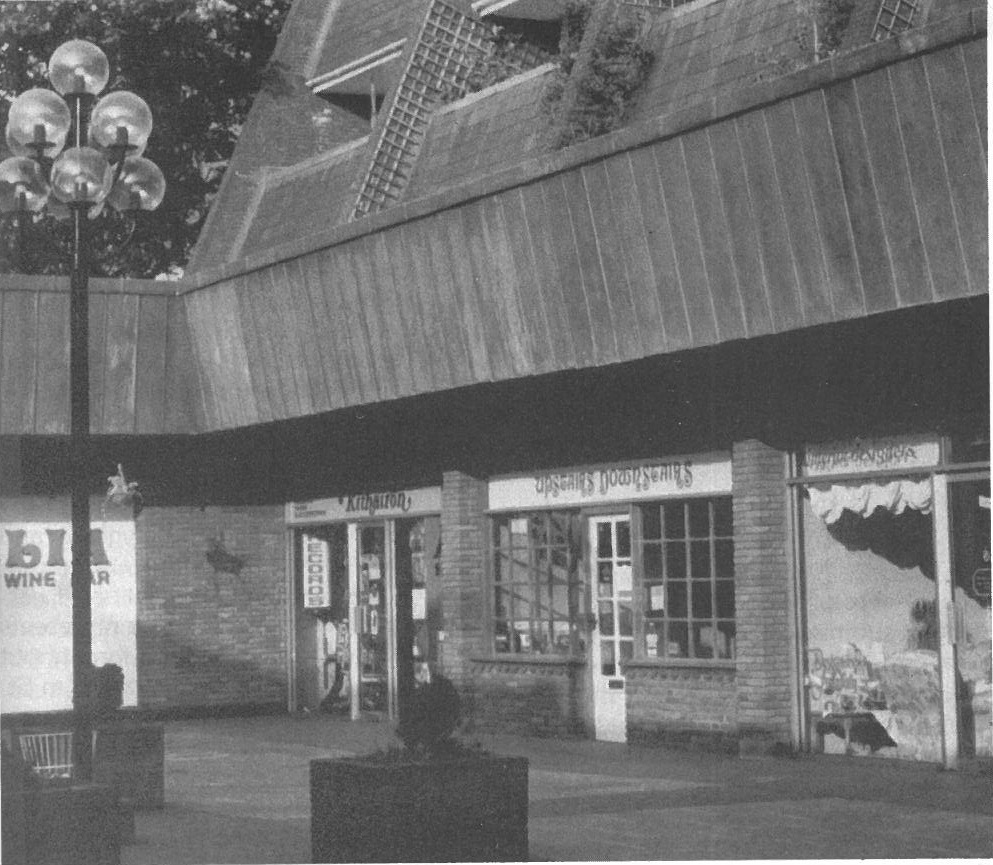
Two major shopping centres were also underway at the time, Christopher Place (unnamed in the booklet) and The Maltings, described as a six acre medieval site where the existing buildings have undergone a major transformation through “a splendid restoration and conservation project”.
An unprecedented level of detail is given to council services, including a breakdown of SADC’s rate needs (£3,454,000 for 1983/84), how it had a staff of 626 employees, and that councillors sat on one or more of nine different committees: Finance/Priorities, General Purposes, Health, Highways, Housing, Planning and Development, Recreation and Staff and Salaries.
Industry and commerce enjoys a final section of the booklet all on its own, with a note that the local employment rate was about 6.7 per cent, far lower than the average for the country (10.7 per cent for 1982).
At the time, the largest employment in the manufacturing sector was in mechanical, electrical and electronics engineering (8 per cent of the workforce), but the biggest overall sector was service industries, with 70 per cent, including areas like transport and communications, insurance, banking and public administration.
Although more than 4,000 people from St Albans and Harpenden commuted into London at this time, the guide suggested this may decline in the future, predicting the advent of working-from-home some four decades later.
“It may be that in the years to come this number will tend to decrease as more people find the increasing cost of rail travel too heavy a financial burden and decide that possibly higher wages for working in the City are more than offset by the expense involved in travel and meals, and also by the time spent in travelling to and from their homes.”
The growth of tourism in the district had been recognised as an ongoing source of “invisible” earnings, with SADC resolving to more actively encourage visitors based on a working party report which recommended various environmental improvements to the city centre.
This also advocated the introduction of more hotel facilities and “eating houses” to encourage visitors. Hotels mentioned included many which have since closed or no longer take guests, including The Haven, The Peahen, The Pre, The Gleneagles and The Moat House.
Meanwhile restaurants highlighted included the Efeler Restaurant and Scotts Wine Bar in St Albans, and Murphy’s in Harpenden, all long gone.
There’s further editorialising, so unusual in a product of this nature, about future growth in the district, with the county council almost criticised for curbing the growth of industry in Herts by rejecting companies’ proposals for new works and factories unless they had already been established.
The author suggests the St Albans district might see an easing of restrictions to encourage growth, before then focusing on that age-old bugbear of housing: “It is pointless to provide more opportunities for employment if housing cannot be provided for the people wishing to take the jobs available.” Indeed.
Moving on then, and the guide celebrates some of those companies which used to be based in St Albans but have since disappeared into the mists of history, including Ryders Seeds on Holywell Hill (in 1982 the site of St Albans’ main Post Office), Ballito Hosiery Mills (replaced by a large Co-operative store which has since become Morrisons), orchid grower Sanders of St Albans, printers Gibbs and Bamford and Fisher Knight, and in clothing Nicholson and Company and WO Peake Ltd.
And of those businesses which still survived in 1982, many have since either relocated or closed down entirely, including Marconi Instruments, chronometer manufacturers Thomas Mercer Ltd, lime juice company L Rose & Co, Lacre Ltd, who made road sweeping machines, swimwear company C Victor Ltd, and St Albans Rubber Company.
Beyond the editorial content, the mix of ads scattered throughout the guide also capture a snapshot of the time.
Looking for new or used cars? On the corner of Marlborough Road and London Road, where now can be found Benedictine Place – was Ford dealership Godfrey Davis, which occupied the site until around 1988, when it relocated to Brick Knoll Park.
The much-missed Gardens of the Rose chose to advertise its 30,000 rose plants with a black and white ad featuring no pictures at all – hardly the best marketing for such a visual attraction.
At 3-5 Hillside Road – now flats – was the independent Lyndale School, which closed in 1994, but was still advertising its merits back in 1982.
The Harpenden Moat House in Southdown Road promised a hotel and restaurant of “unique charm and beauty” which was apparently recommended by celebrated food critic Egon Ronay.
It later became Harpenden House Hotel before being transformed into luxury apartments after closing in 2014.
Who remembers The Maltings Italian restaurant at 43 High Street, Wheathampstead? It’s now occupied by The Golden Elephant… What about another Italian, this time at 116 London Road in St Albans? Claudius, “for the personal touch” is now Pizza GoGo.
This then, is a picture of St Albans on the cusp of further great change.
In just a few years time, Prime Minister Margaret Thatcher will open the final section of the M25 between junctions 22 to 23 (London Colney and South Mimms), which although not directly impacting on the city, did open it up for further growth and development as new transport links were made available. Not least of which was the Park Street rail freight terminal.
But all of that is in the future…