


22 Aug 2025
Caroline Thain looks at the struggles faced by many local women in obtaining recognition for life-changing conditions such as ADHD and autism in middle age.
If you are a midlife woman who often feels overwhelmed, anxious, stressed, or struggling to keep up with the demands in your life, you may be autistic with ADHD.
There is an exponential rise in the number of middle aged women seeking autism and ADHD diagnoses in St Albans.
This increase is representative of the growth across the UK, with female diagnostic assessment doubling, according to NHS Digital.
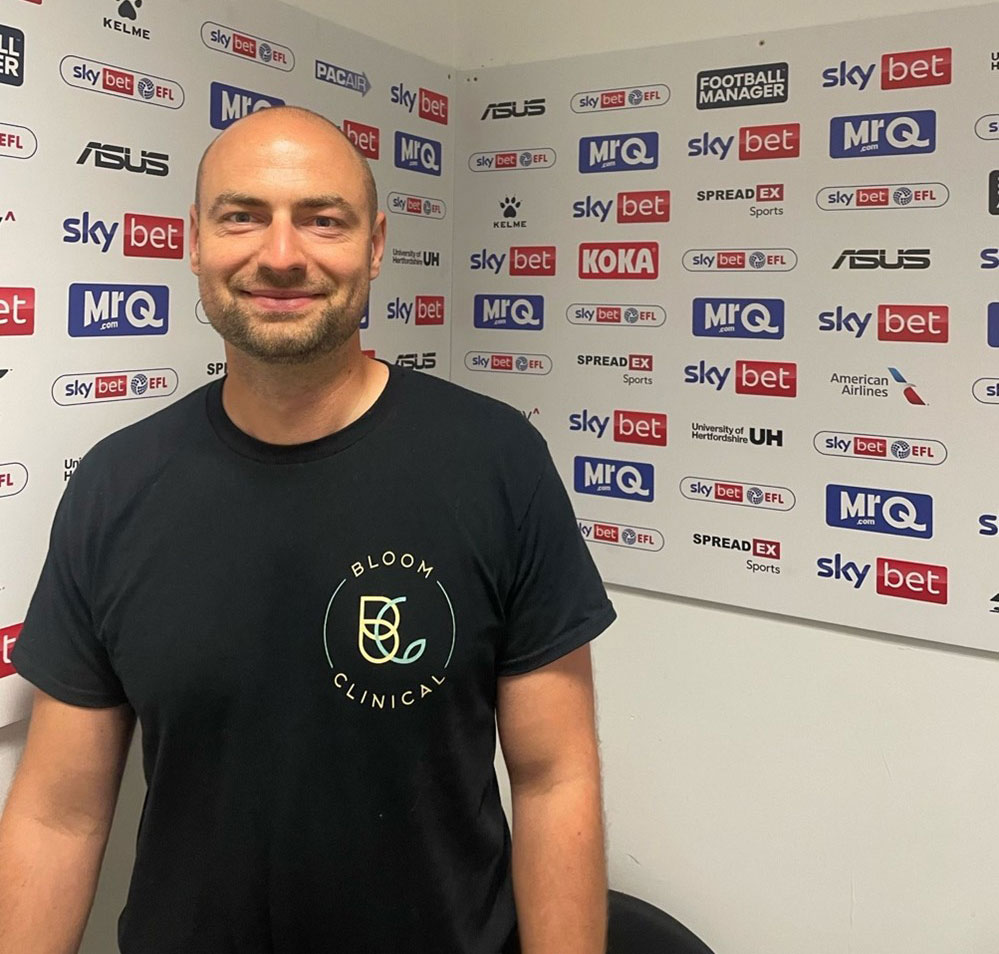
Robert Andrews, at St Albans-based private provider Bloom Clinical, explained how factors in late recognition of spectrum conditions in women include hormonal changes in perimenopause, improved wider awareness of female neurodiversity presentation and mums seeking support for their selves, after accessing help for their autistic or ADHD children.
Robert said: “A notable proportion of those referrals are for women between the ages of 35 and 55. We are seeing a clear rise in self-referrals and GP referrals from women in midlife who previously may have been overlooked due to outdated diagnostic criteria that skewed towards male presentation.”

Former teacher and artist Kat Shaw, 49, from London Colney, realised the source of her whole life problems, after a therapist told her she has ADHD in perimenopause.
Kat was shocked and despite learning about, and supporting, neurodivergent pupils for many years, she had not identified it in herself.
Kat was diagnosed at the age of 45. She explained she has huge relief and self compassion and that acceptance of her difficulties has empowered her. She chooses to be medicated for ADHD.
But living for four and a half decades undiagnosed took a toll on her mental health. She is under a psychiatrist and lives with anxiety, overwhelm, mood swings, OCD and a suspected personality disorder.
She said: “At first it was a huge relief and then I was almost elated but then you realise ‘This is my life now. This is who I am.’ I sometimes feel so angry that I was let down. I wonder how different my life would have been if I’d been diagnosed earlier. And I feel really sorry for myself, still – five years later.
“I’ve always been not normal and I just thought it was the way I was. I thought everyone was like that.
“Looking back it makes sense that it’s ADHD but it really frustrates me that there’s the gender gap. Women present so differently that it gets missed.
The gender gap is massively played out in the health service and underdiagnosis of women.
“When I was diagnosed I felt so validated. I’m not just a person who messes up my life. I couldn’t do anything better because of my condition. I had a really difficult life in a world that wasn’t made for me. I still mourn for all the years that I wasn’t able to perform to my potential.
“I’m a million miles an hour and don’t know whether I’m coming or going. I get really overwhelmed with so many things to do that I don’t do anything. I can’t unscramble my brain and I don’t think it’s fun or a superpower. It is really difficult and it really annoys me when people say that.”
It was through perimenopause that Kat realised she needed more help. She had built up coping strategies but she reports being very internally stressed and anxious.
“Everything got a million times worse and I mentally broke down and thought ‘I can’t live, I can’t cope’. I was in a cycle of overwhelm and burnout. Perimenopause made life almost impossible and my ADHD became much more visible because before then I had a tiny bit of brain power to cope but then it all fell apart.”
Kat says she strongly believes that early diagnosis is the best hope for people with ADHD, so that they can get help they need.
But diagnosis is not always easy.
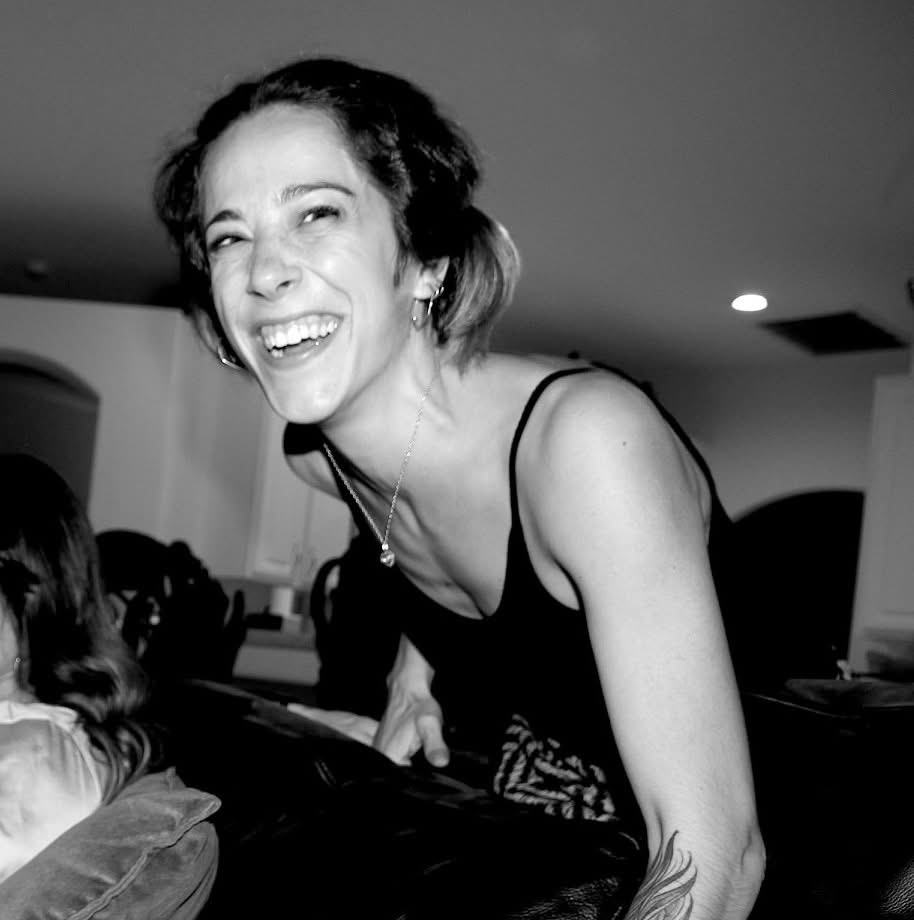
Diagnosed recently with ADHD at the age of 35, Andrea Zabala Wynn from Cavendish Park, said she found the assessment process frustrating – which, along with the cost, has put her off trying to get diagnosed with the autism she suspects too.
She said: “The ADHD process was so long and stressful. It was suggested I should get assessed for autism but it sounds stressful and expensive and it’s not like they can actually do anything. So I didn’t bother. With ADHD diagnosis, I could get medication.
“The first assessment through the NHS was horrible and I cried after because I thought they didn’t think I have ADHD. Then I got a negative diagnosis and it still makes me so angry my blood boils. I had to go back to my doctor, and was then diagnosed with ADHD through a private provider, after a further six months.”
The problem with the first assessment, she says, was they asked about her childhood but she couldn’t remember, or understand, what her self perception was at the age of 10.
“They also asked me questions that were more aimed at neurotypical parents of hyperactive little boys. So I couldn’t answer them.”
Additionally, Andrea suggests if they had asked her mum questions, she wouldn’t have been positively diagnosed – her mum would have thought there was no problem because she describes her mum as having ADHD too.
She explained: “If they asked her ‘would you say your daughter struggles to focus?’ she would say ‘only as much as I do – so not more than normal!’
“I shudder to think how many adults, women in particular, have been misdiagnosed and gone off thinking they’re just broken.”
A reliance on parents, who are likely to be neurodivergent themselves, is something which many adults report struggling with in the assessment process.
Some adults have fallen out with their parents because they didn’t understand the source of their lifelong difficulties, and who didn’t recognise anything different in their children because they may be undiagnosed but autistic or ADHD too.
And not everyone chooses a formal diagnosis.
A 47-year-old finance worker from Fleetville said she often feels “doomed, helpless and hopeless”. She requested to remain anonymous because she feels shame, and isn’t ready to go public with her neurodivergence.
Jane (not her real name) is, what she refers to as, “self-diagnosed” autistic and experiences noise sensitivity, social awkwardness, anxiety, time distortion and thought loops – but the long NHS wait and the cost of private assessment puts her off making it official.
She said: “I realised after my daughter was diagnosed that I am autistic. I did online tests and scored highly and I recognised all of the traits in myself.
“My husband and children are all neurodivergent and very supportive but I wouldn’t dream of telling my work, as the banking world is very neurotypical.
“Daily mindfulness meditation, journaling and laughing with my kids helps. It’s a slow process but I’m getting there. I am definitely on a journey and I hope to come out of it with more self-compassion.”
Jane reports that recognising her own autism has helped her find tools to manage symptoms, make sense of herself and help her children.
Wendy Sharpe, 49, who lives in Oaklands, discovered when her child was young that she has ADHD herself. Her own teacher used to call her “mouth on legs”, and she struggled her whole life but can’t face “jumping through hoops” for a diagnosis.
Wendy said: “I am one hundred percent classic ADHD. My biggest challenge is I feel overwhelmed all the time. As a mum, you take on the lion’s share.
“My two daughters have difficulties – one is ADHD and one has emotional dysregulation. I’ve got a really supportive husband who does his share but it’s not the lion’s share.
“If I could go to a GP and get diagnosed I would but I am not going to jump through the hoops to get it.
“I know I’ve got ADHD. I don’t need it verified.
“I’ve grown up without the restriction of labels and had an amazing career.
“There are going to be struggles but there are some amazing things that come with ADHD. It’s hard, it can be really lonely, but it gives you an amazing resilience and energy to keep on going.”
Support organisations, ADD-vance, Hatfield, and Angels Support Group, Letchworth – both of which help those with neurodiverse children in St Albans – revealed that several of their own middle aged female staff have recently been, or are waiting to be, assessed for neurodiversity.
They also confirmed that parents often realise they are neurodivergent when accessing help for their children.
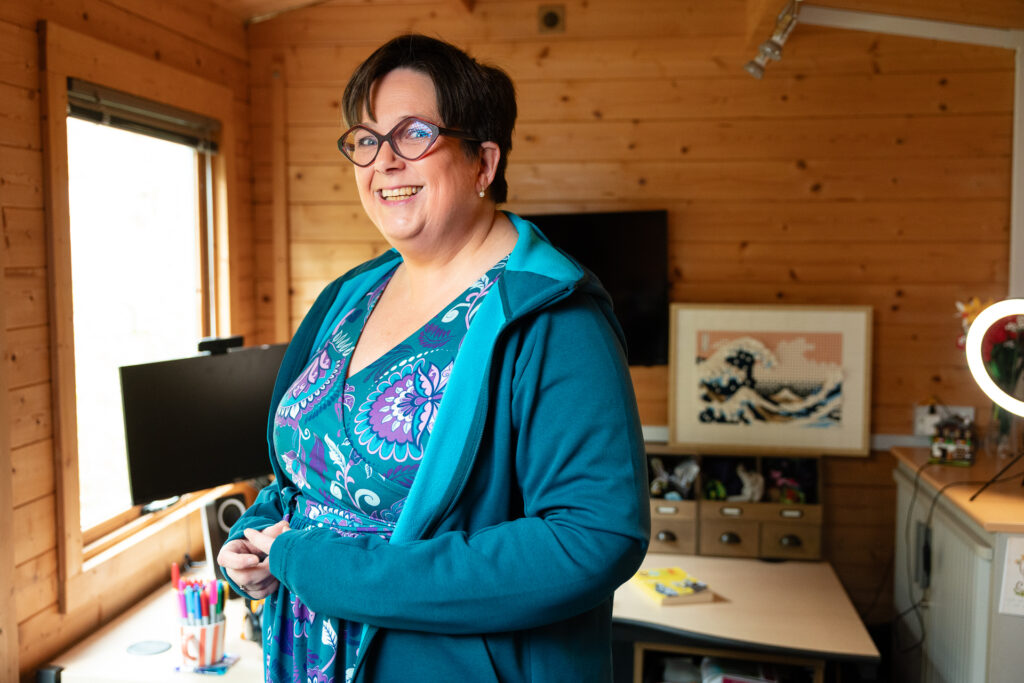
Jen Smith, 50, from St Albans, works for ADD-vance as a freelance trainer and coach. She was diagnosed at the age of 46 and uses her autism and ADHD lived experience to help others in her work and when volunteering with the Scouts and Girl Guides.
She describes the issue of seeking diagnosis as “contentious”, explaining it can be enough to self-identify as being autistic or having ADHD and others respecting that. She states the importance of receiving an accurate assessment and support for those who decide to pursue a formal diagnosis and says it can be important in identifying other similarly presenting conditions that might need treatment.
Jen described how diagnosis is not quick or easy and there are years long waits on the NHS: “There is a lot of processing after a diagnosis and it’s very common to experience grief, though no two experiences will be identical.
“Diagnosis will not ‘fix’ anything though it may give access to treatment or medication if necessary, or may help people make sense of previous experiences.”
So what helps? What hope is there?
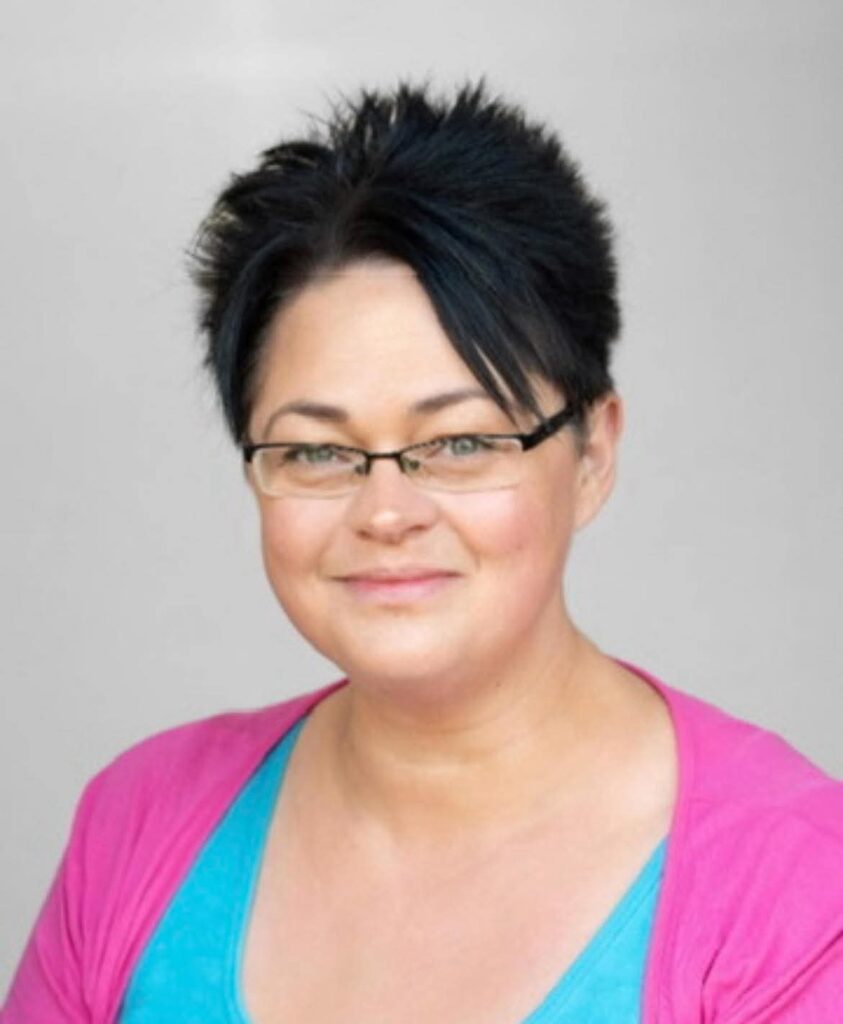
Ali Harris, 47, lives and works in Oaklands, St Albans, as an ADHD counsellor and coach.
She said: “ADHD is not the enemy – if your ADHD symptoms worsen, it indicates growing stress levels, and is a sign you need to employ emotional or physical regulation techniques. If you aren’t sure how to do that, then getting support can be helpful. ADHD management is learning how your ADHD affects you and then experimenting with what helps.
“Midlife women face extra challenges because perimenopause plays havoc with your body and hormones. Access to good medical care and advice on HRT is important for ADHD women, as this can help with our ability to emotionally regulate.
“Understanding your feelings and behaviour patterns can help you learn how to climb out of, or avoid, emotional troughs and pitfalls.
“There is a lot of hope for people with ADHD. We can lead extremely happy and productive lives. The most important thing is to learn balance and give ourselves grace, without avoiding tasks altogether or making excuses.
“Acceptance is another key concept. A lot of us feel under pressure to bring our symptoms to heel or appear neurotypical, which is unrealistic and harmful. We can never be neurotypical; no amount of drugs or management will remove it. And why would we want that? We don’t all have to be the same. Diversity is good.
“Although ADHD can be inconvenient, it can be a source and driving force of enormous wells of creativity, focus, productivity and passion.”
Anyone considering a diagnostic assessment can ask their GP to start the lengthy process, or contact a private provider such as Bloom (www.bloomclinical.co.uk).
Ali Harris offers private therapy and coaching for ADHD. She can be found on Facebook (Ali Harris Therapy & Co).
Jen Smith also provides private help on a one-to-one basis (www.thecuriousmentor.com).
National websites for autism and ADHD include ADHDUK and National Autistic Society.
For mental health distress, Samaritans take phone calls 24 hours a day on 116 123.
