06 Aug 2025
A commemoration of the life of George Hogg by the Harpenden & District Local History Society took place on July 22 – the 80th anniversary of his death.
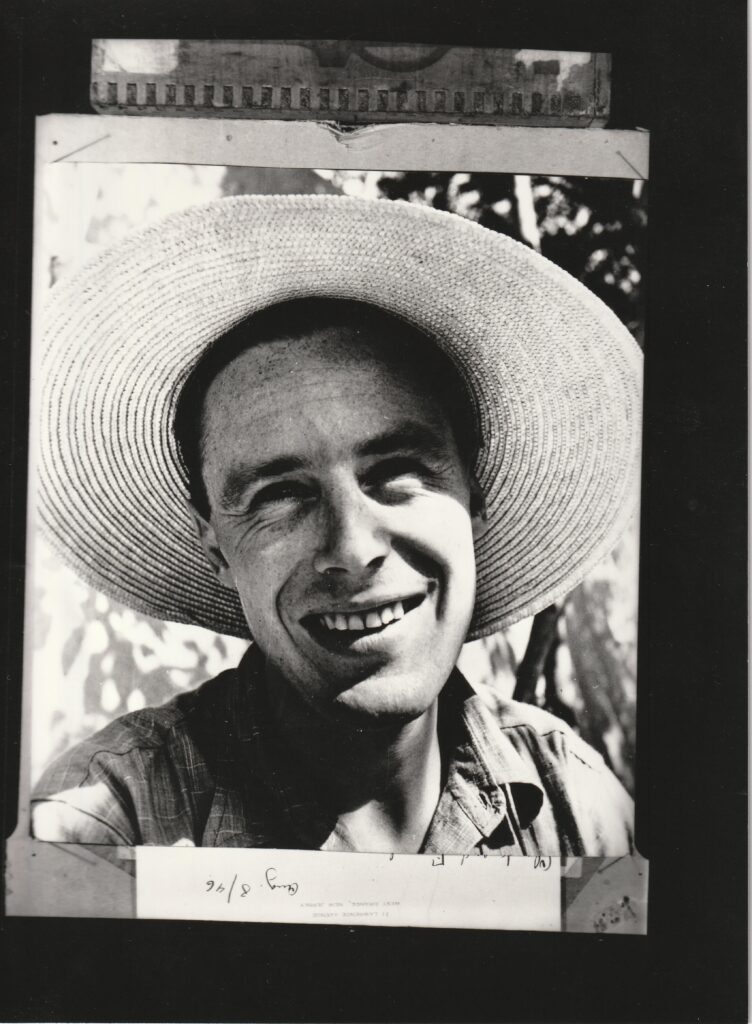
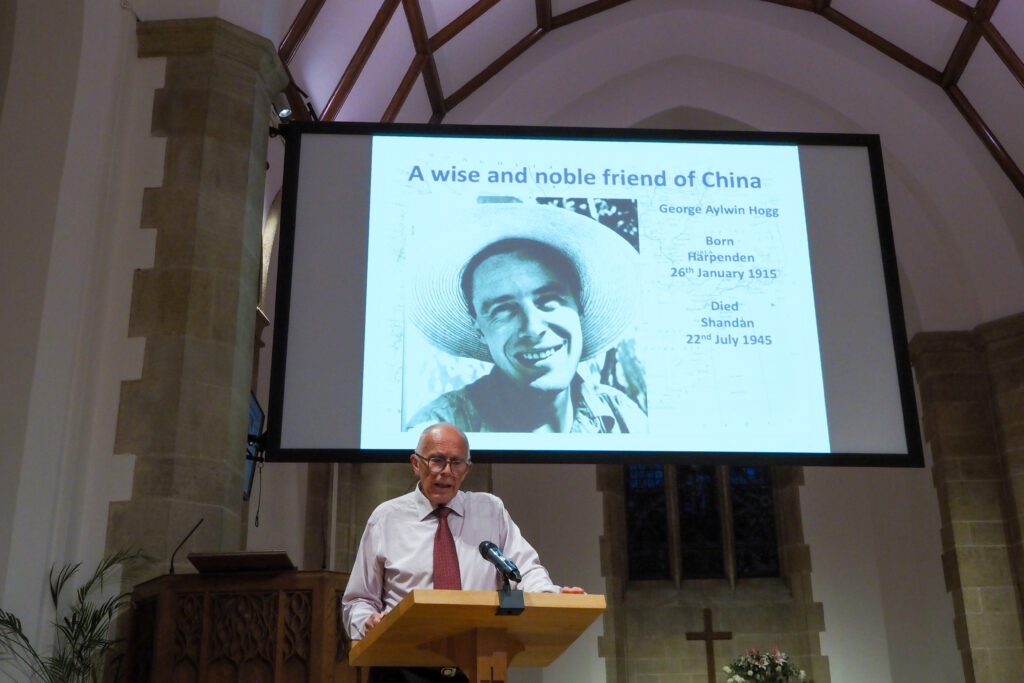
But who was George Hogg, and how come, whilst he is to this day honoured in China, with statues in eight cities, he is so little known in Harpenden, where he was born and grew up? Mark Thomas, Hogg’s nephew and biographer, gave a lecture attended by 170 people in the evening at High Street Methodist Church, recounting Hogg’s extraordinary achievements in China, as a vital step to making his uncle’s life better known.
Hogg, born in 1915 and brought up in Harpenden, where he attended St George’s School, set off on a world tour in 1938 and spent seven years in China in the midst of the Japanese invasion and rivalry between Nationalists and Communists. In 1942 he was appointed headmaster of a school for technical training in a village called Shuangshipu. Hogg quickly worked wonders with the fabric of the school, its equipment and, most notably, pupils. Hogg organised the boys at the school as if it were an English public school, putting their welfare and a structured, but not disciplinarian, approach at its heart. The school flourished and grew.
Even though Shuangshipu was remote and insignificant, by 1943 it was no longer thought safe.
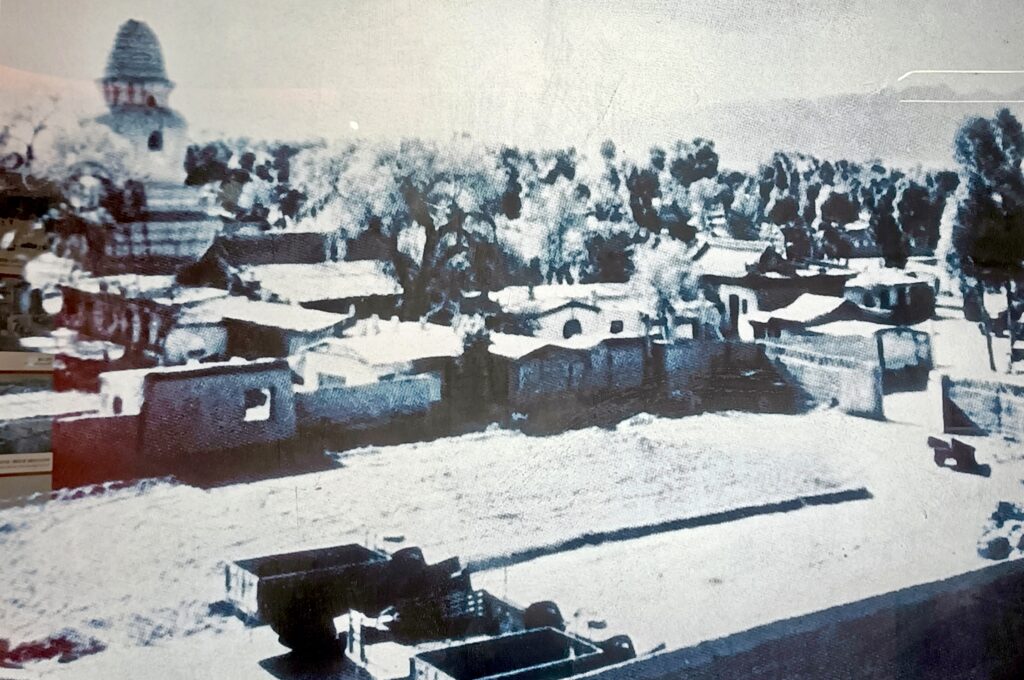
Accordingly, Hogg selected Shandan in Gansu Province, an oasis town near the Gobi Desert, as a new location for the school, 700 miles away.
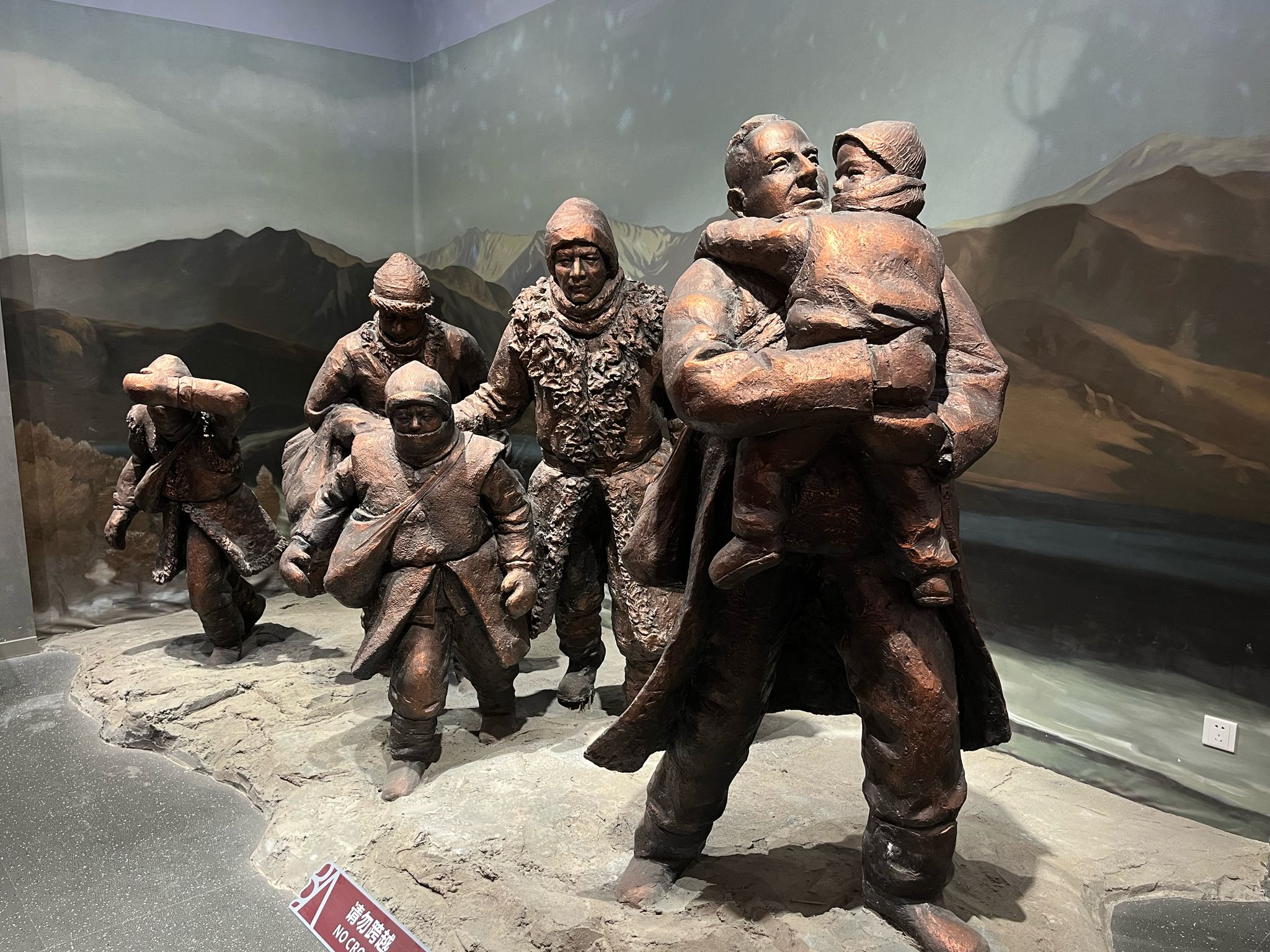
In January 1945, in fierce winter conditions, Hogg set off by foot from Shuangshipu with 30 pupils, taking machinery with them on horse-drawn carts and one truck, passing over two high mountain ranges.
The school was set up afresh in a derelict Buddhist temple in a compound used by a warlord’s cavalry.
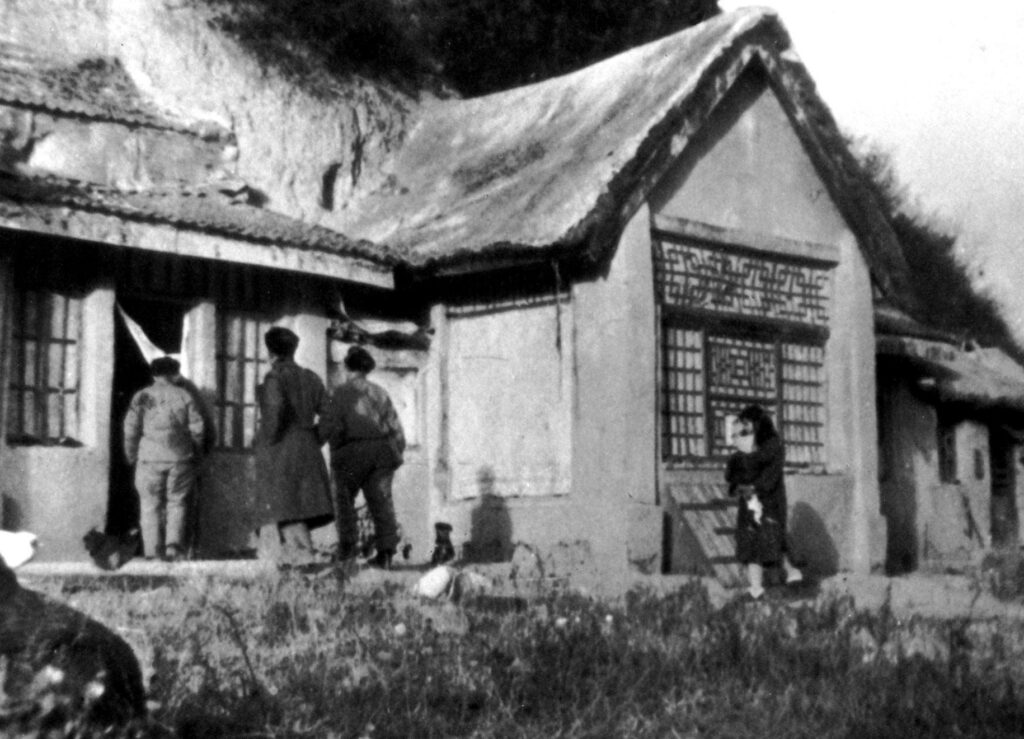
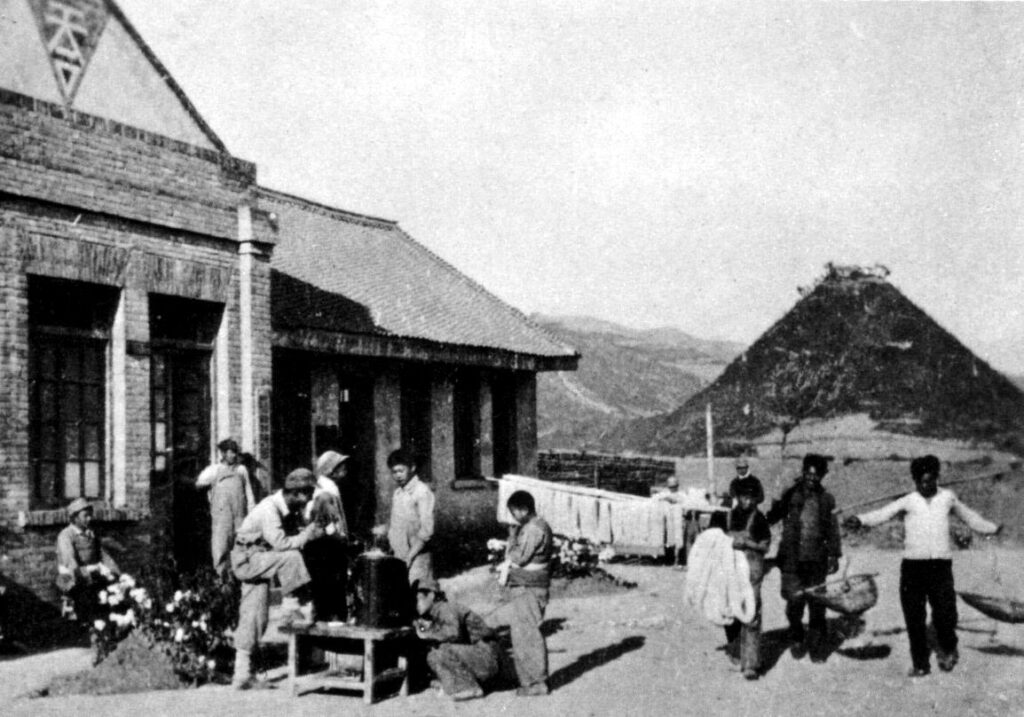
For three months Hogg and his boys worked at renovating and fitting out the buildings. The school was operating fully by May 1945.
In July 1945 Hogg wrote home that he would be back in England one day. A few days later he was playing basketball with the boys in the compound, wearing straw sandals which provided little protection to his feet.
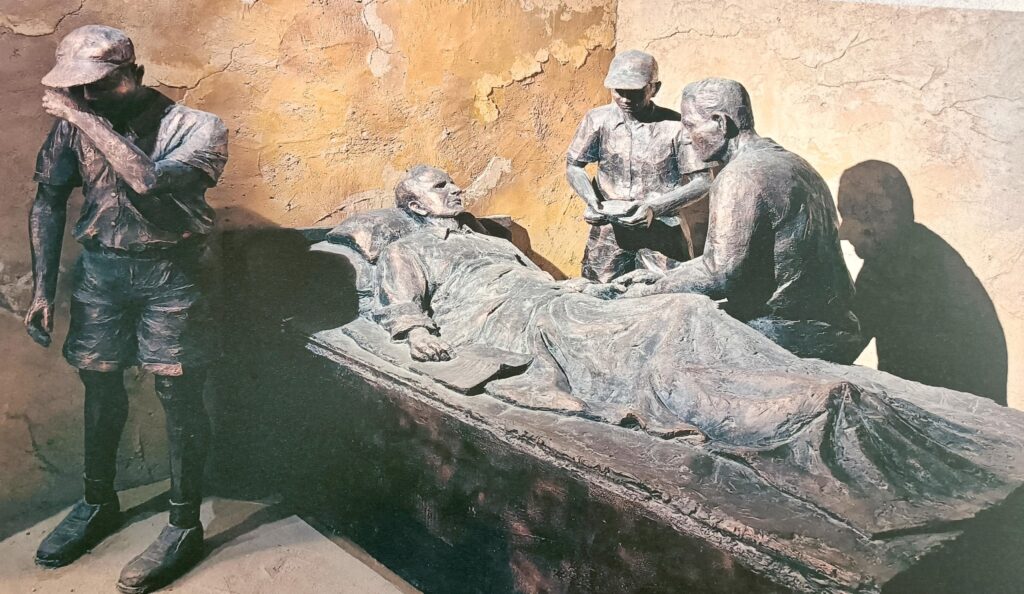
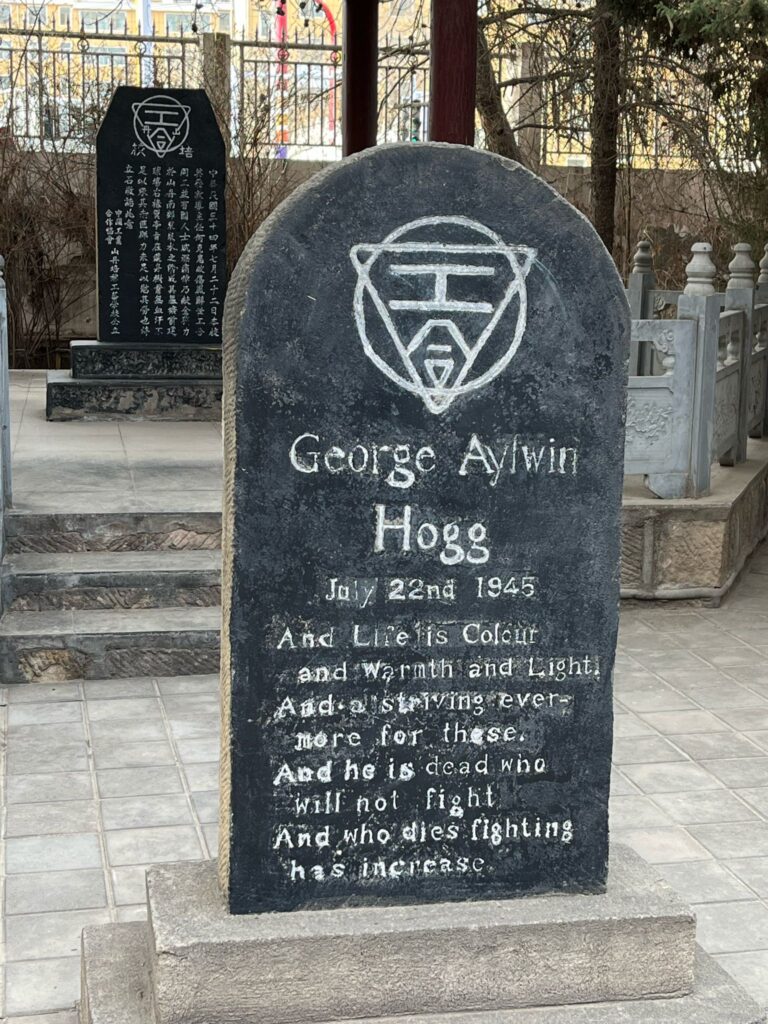
During play he stubbed and cut his toe and subsequently contracted tetanus, for which there was no serum in Shandan. Although drugs were sent for frantically, they did not arrive in time and George died on July 22, and was buried the next day.
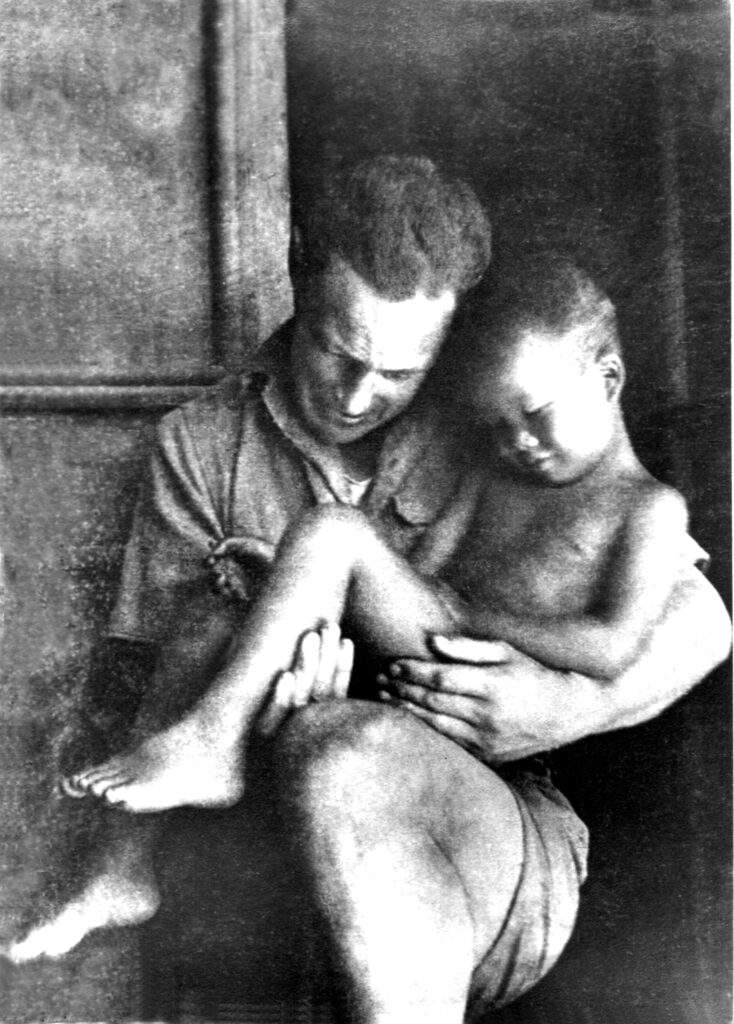
The boys were distraught, especially his four adopted sons and his parents received a telegram three days later informing of the tragedy.
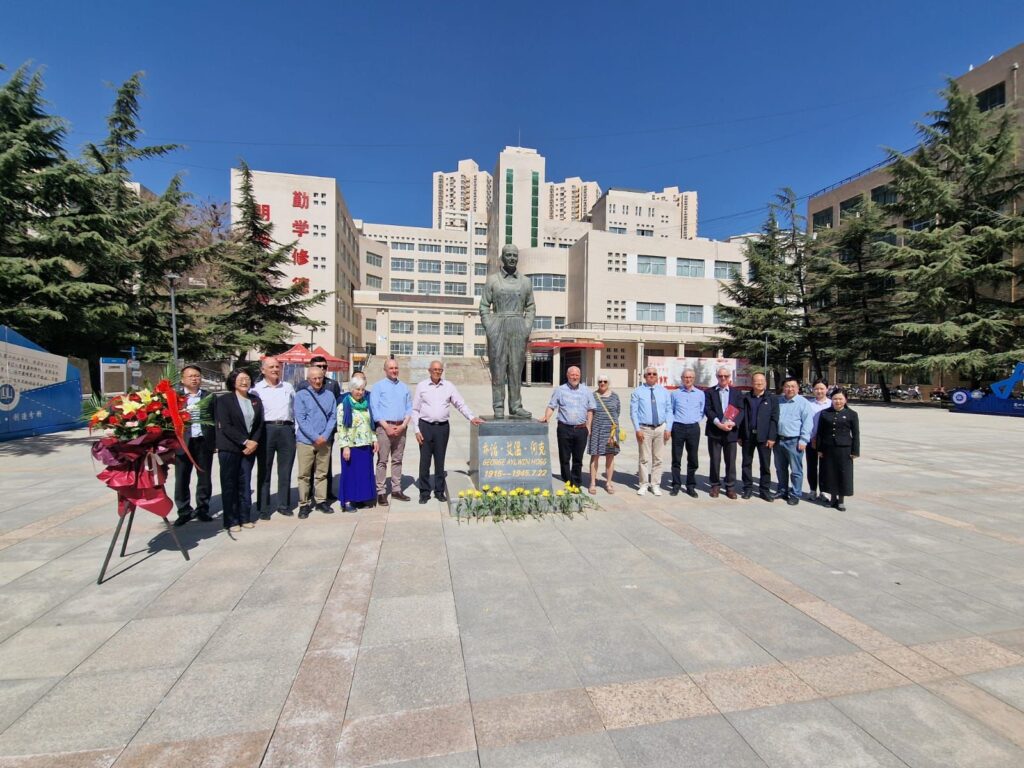
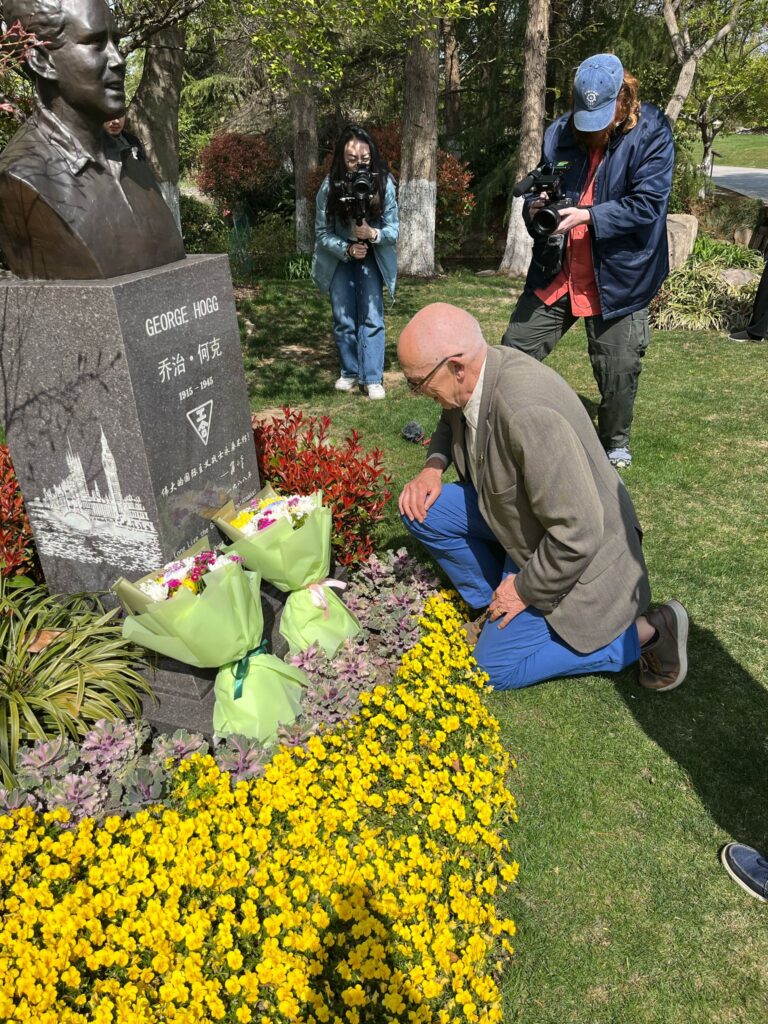
Hogg is to this day commemorated as a hero across China. In 2025 exhibitions and lectures have been held and new statues erected as part of the 80th anniversary of his death.
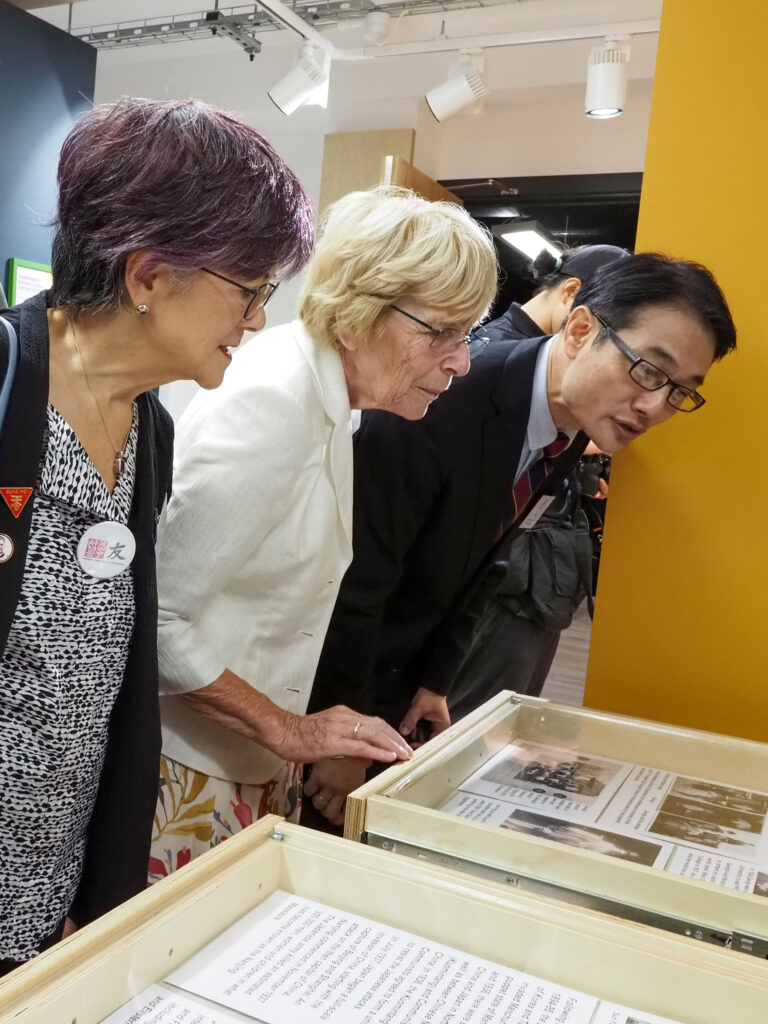
Meanwhile in Harpenden, the commemorative events in Harpenden began with the opening of a special exhibition on Hogg, which will run until October in the Harpenden Museum at the Eric Morecambe Centre.
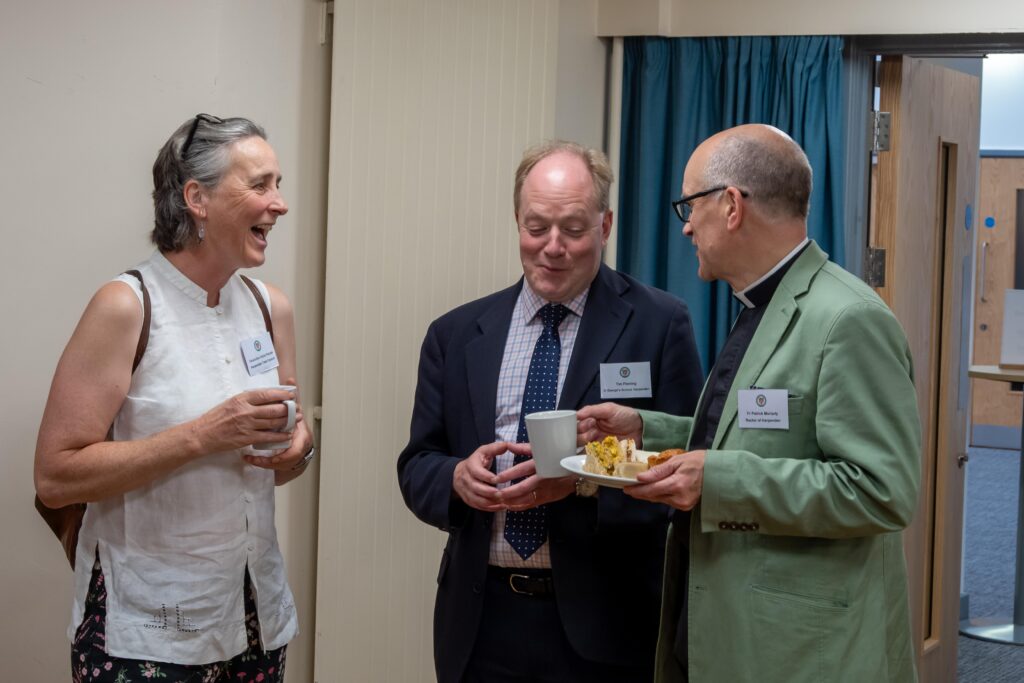
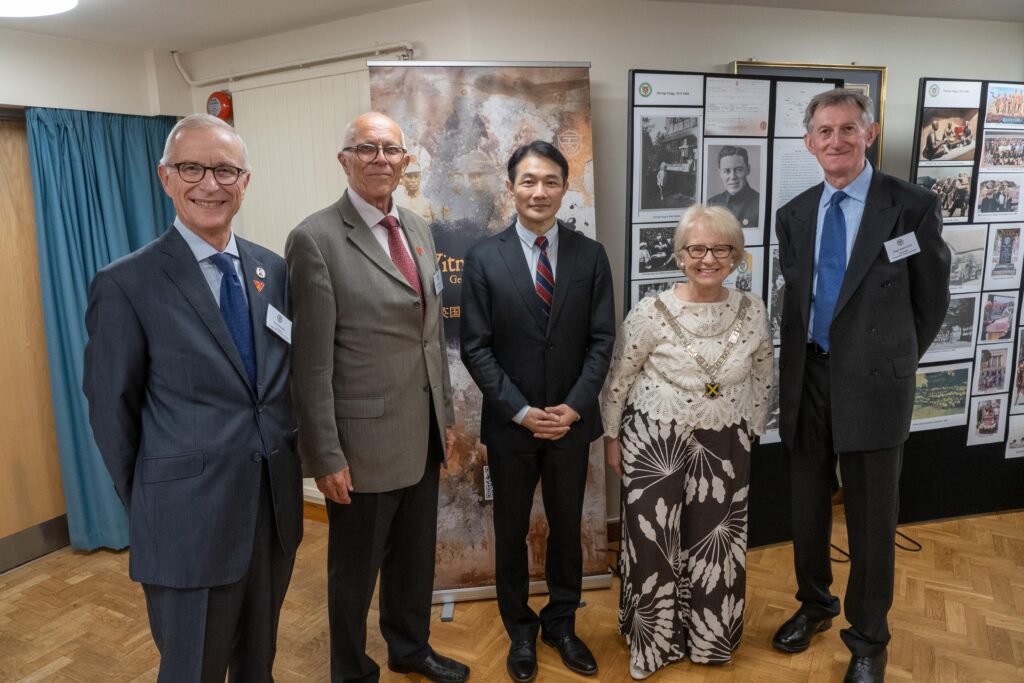
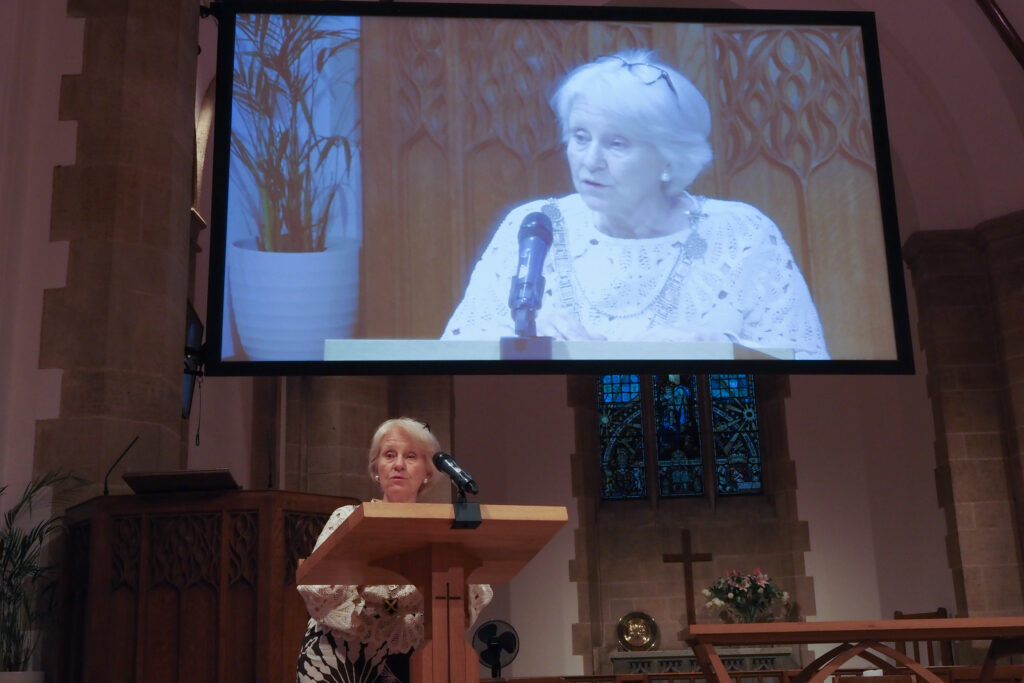
This was followed by a reception in the Rothamsted Conference Centre at which St Albans Mayor and Harpenden councillor Teresa Heritage gave the welcoming address.
The Mayor said: “George’s upbringing and education in Harpenden provided him with a solid foundation for his exploits in China – for that the town can be proud.”
Speeches followed by Bi Haibo, Minister Councillor from the Chinese Embassy, Zoe Reed, Chair Emirata at the Society for Anglo Chinese Understanding – whose father had been one of George’s pupils – and James Clark from Rothamsted Enterprises.
Bi Haibo said: “Hogg’s internationalist ideals of peace, justice and selfless dedication remain deeply cherished by the Chinese people.”
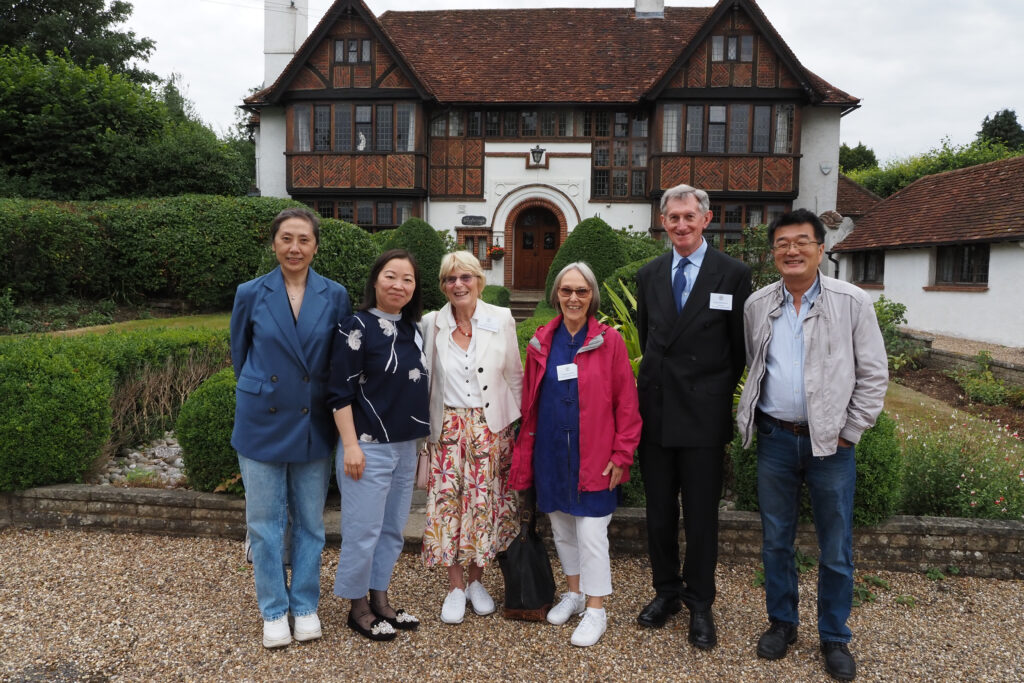
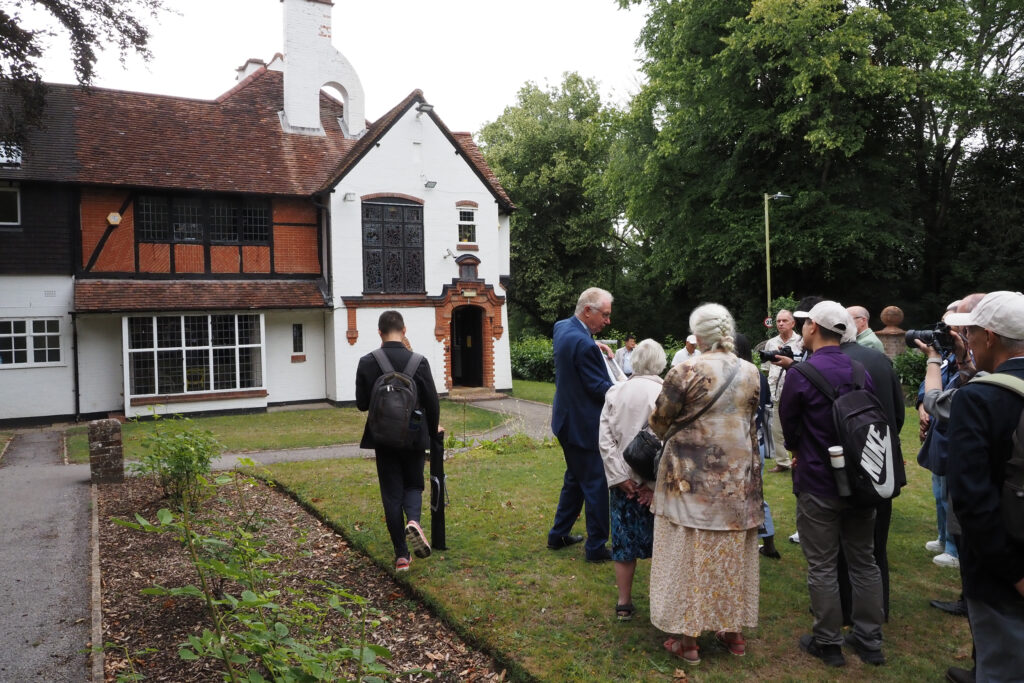
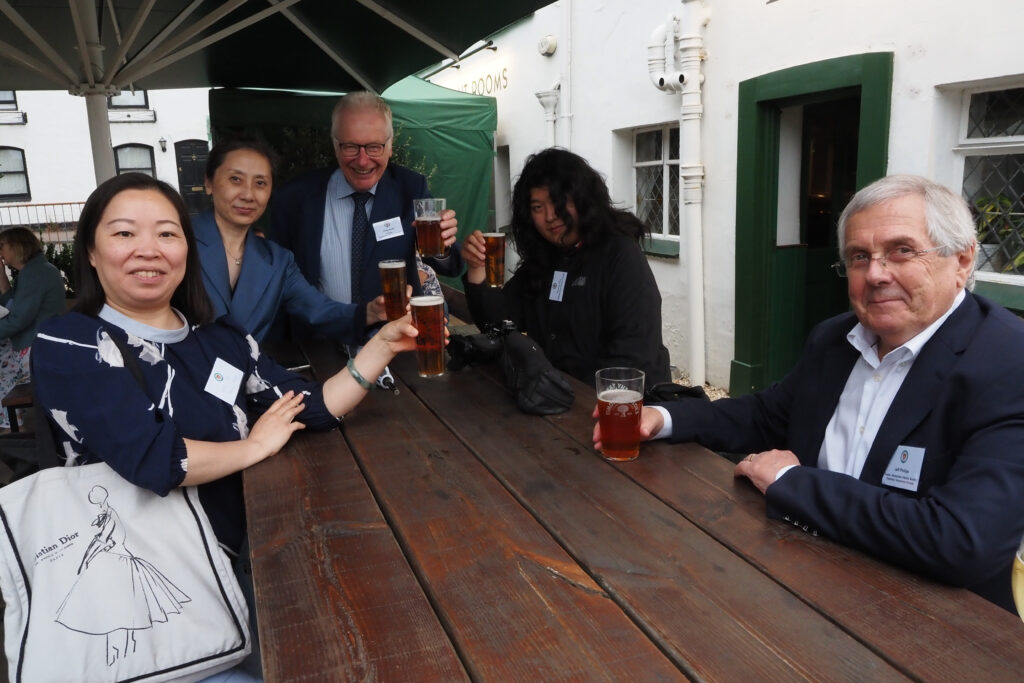
The reception party were given a tour of Red Gables, West Common, where Hogg was born, passed by Wayfarings where the family moved while Hogg was at St George’s School, and paid a visit to the Silver Cup, where Hogg had a farewell drink with friends before leaving England.
Cllr Heritage added: “It may strike you as odd that a local man who achieved fame in China is so little known about in England, including even here in Harpenden. Three biographies have been written. A TV series in China and a feature film have been made. And yet ask the locals about George Hogg and they will give you a blank look.”
The new exhibition is intended to change that. Signed copies of Mark Thomas’ book, Blades of Grass, are on sale at the Harpenden Museum, ordinarily open 11am-3pm on Tuesdays, Thursdays and Saturdays.