07 Jul 2025
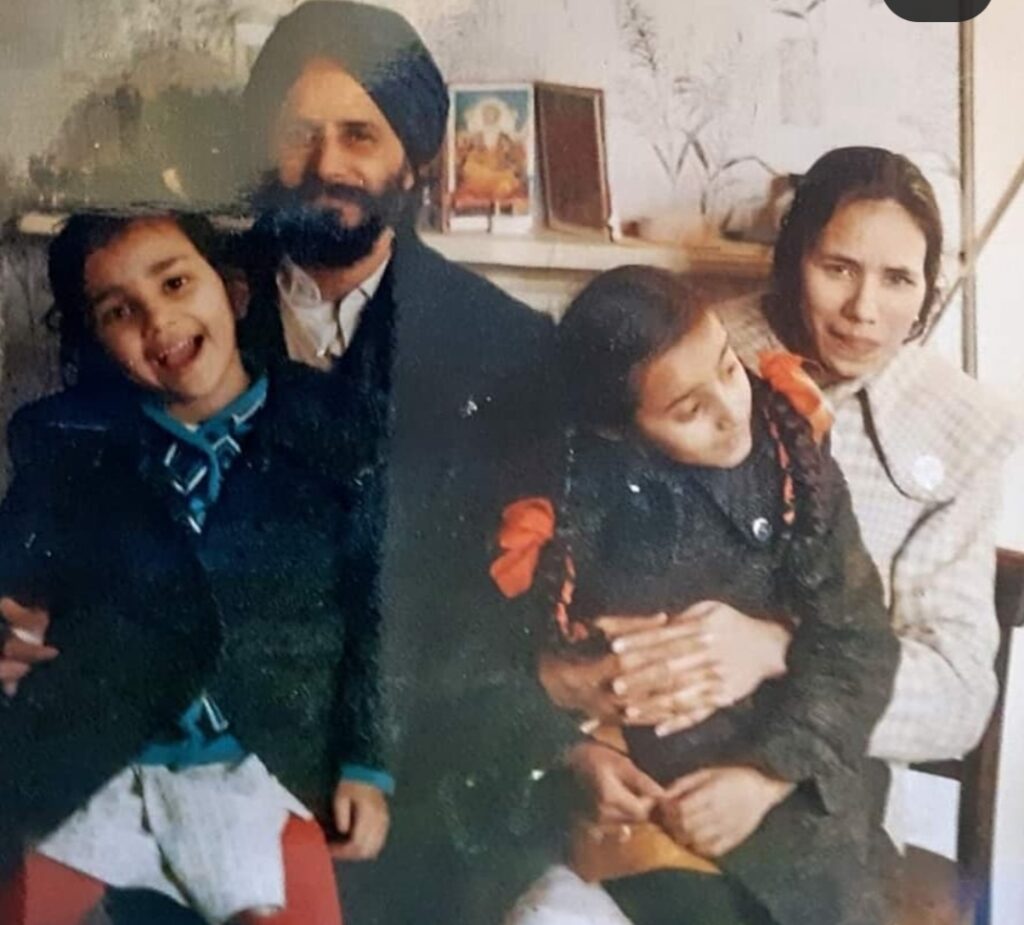
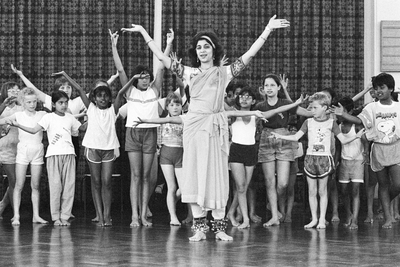
The stories of St Albans’ South Asian community will be told through dance, photography, fashion, objects and specially created artworks at a new community-led exhibition.
Generations: Stories from South Asian St Albans, opens at St Albans Museum + Gallery on July 18 – the first day of South Asian Heritage Month – and runs until November.
From cuisine, fashion, music and art to business, academia, health care and politics, South Asian communities have enriched and helped to shape city life for generations, but until now have been underrepresented in local museums and archives.
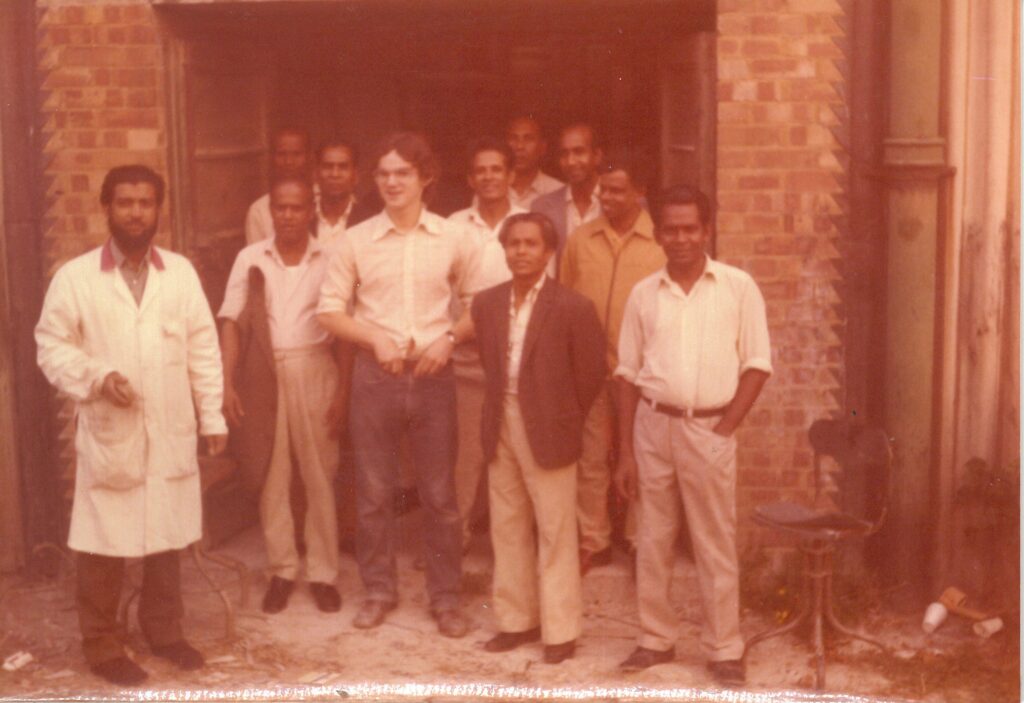
New items have already been added to the museum’s collection through the exhibition research including photographs from St Albans Rubber Company, a key employer of South Asian communities in the 1970s and 1980s.
Stories of migration to St Albans are revealed through objects in the ‘What Did You Bring?’ area and visitors can listen to oral histories about what it means to be South Asian in St Albans with the chance to add their own personal stories.
Families can enjoy reading and sharing stories in a cosy corner with colourful woven stools (handcrafted by participants) and people can take their photo in front of a 1960s St Albans Town Hall backdrop.
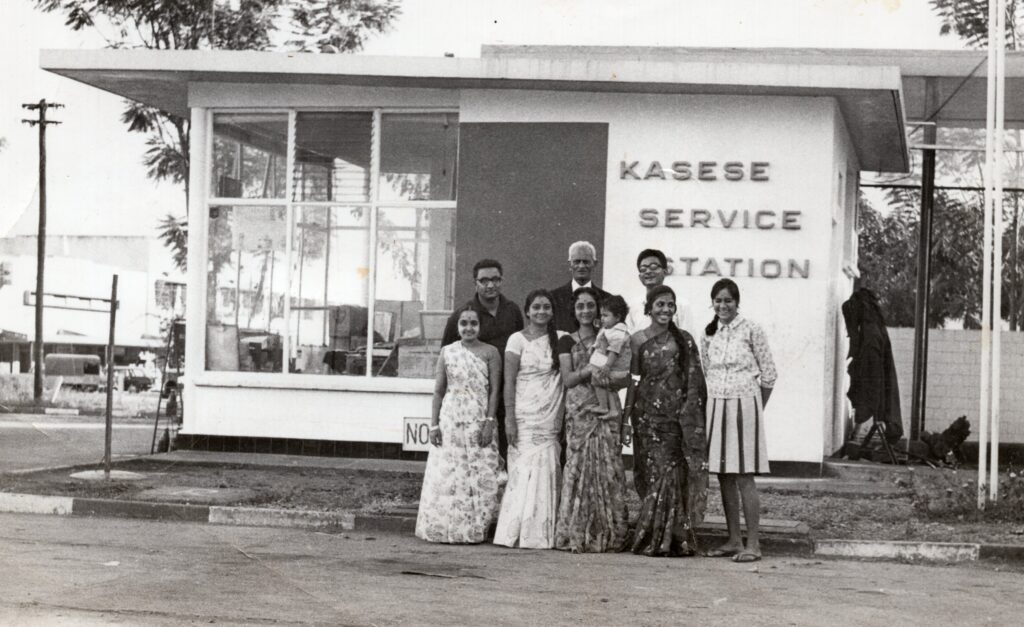
Project lead Elanor Cowland of St Albans Museums said: “Part of the joy of this exhibition is the opportunity to shed light on the colourful tapestry of South Asian communities and how their stories are interwoven with our city’s history.
“Although South Asian communities are long established in St Albans, it’s a challenge to research the history of these underrepresented communities by traditional routes such as archives and museums as often they are not included in the records and information is hard to come by.
“By approaching this topic using the voices and expertise of the communities themselves, we are able to build a picture and to start to understand their experiences, and the ways in which they have shaped the local area.”
Over 60 participants, spanning four generations, from multiple communities worked together with a group of 15 co-curators to bring their stories to life.
Co-curator, Arti Kumar, said: “This exhibition is a chance for all of us to celebrate our shared histories, learn from each other, and see the richness of South Asian culture come to life. It’s full of surprises, remarkable stories, and interactive ways to engage with all communities. I can’t wait for everyone to experience it.”
Anisha Kashim, also a co-curator, said: “”St Albans has always been home to me. My family, like many others from the Bangladeshi community, came here decades ago to build a better life, often working and raising families in a place that didn’t always welcome them.
“I grew up here, went to school here, and while I have so much love for this city, I’ve also seen how often our stories have been overlooked.
“That’s why this exhibition means so much. It’s not just about history, it’s about recognition, memory, and belonging. I hope it opens the door to more honest conversations about who we are, how we got here, and what it means to truly feel seen in the place you call home.”
And another co-curator, Preet Cox, famous for the St Albans Rainbow Trail initiative and last year’s Mini Mela Festival, added: “For a number of years, I have championed creative initiatives that amplify the diverse voices within our community in St Albans, including those with South Asian heritage, and so being part of the co-curator group for this exhibition has been a deeply fulfilling experience.
“I’m looking forward to seeing our collective efforts come to life through the exhibition and hope it inspires all who visit to embrace the richness of shared heritage and the importance of unity within our communities.
“On a personal note, the Generations project is a powerful reminder of our shared humanity amidst the upheaval present in the world. In a time when division can overshadow our connections, Generations invites visitors to engage with the narratives of residents, highlighting the strength found in diversity and community.”