


27 Jun 2025
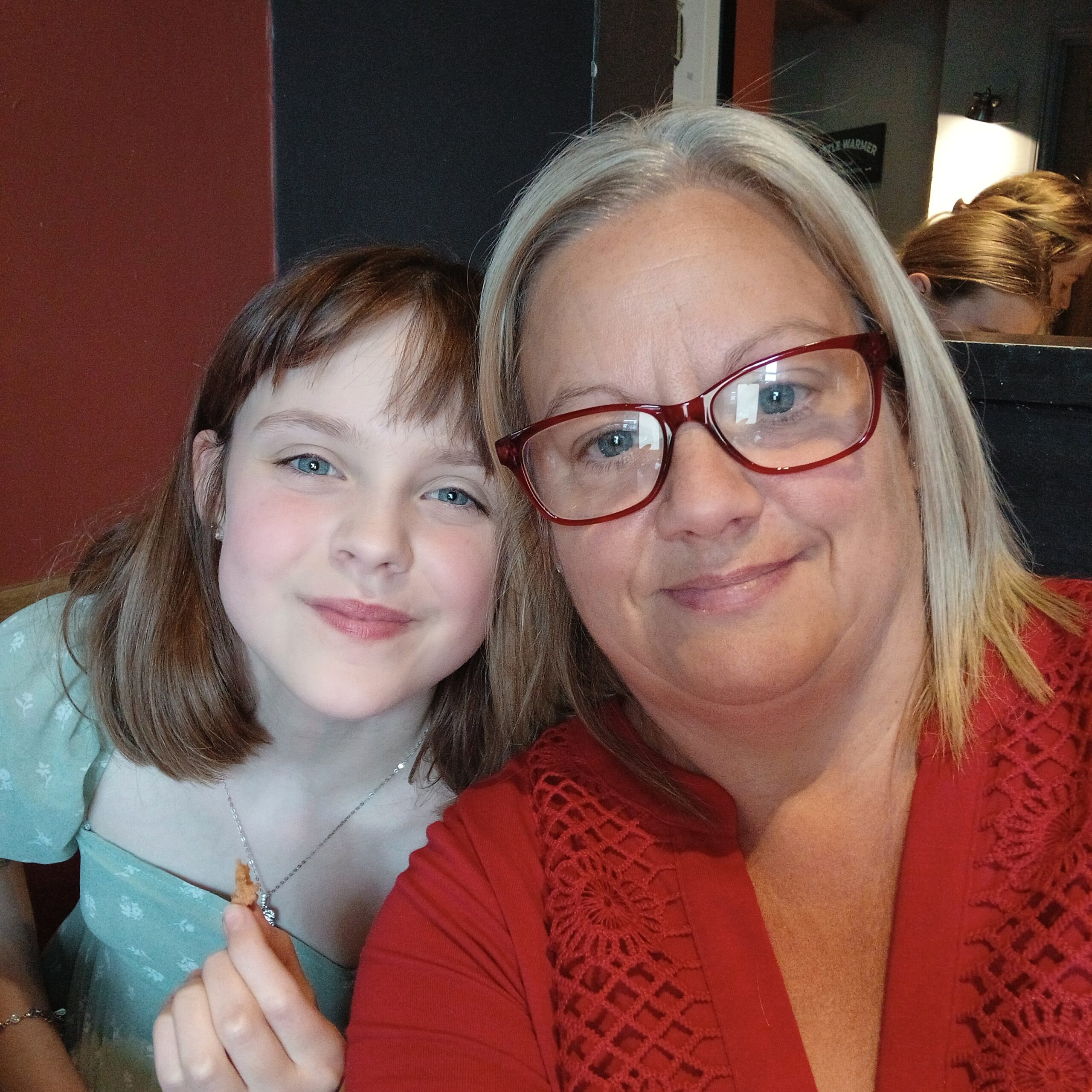
St Albans mum Lisa Stanley shares – in her own voice – the story of her battle fighting for her child’s education, and why she feels let down by the organisations which should have supported her through this traumatic time… (Bethany gave her permission for her mum to share her story)
I became a mother at 39 with a healthy baby girl, Bethany, via emergency C-section. At 8lb 6oz, she was considered “whopping,” especially for someone as petite as me — I’m only 4ft 10ins. My waters had broken 52 hours earlier, so she had to have antibiotics every four hours for the first 24 hours of her life.
From day one, my daughter cried endlessly. I was told:
“Babies cry, it’s normal”, and ”she just needs winding”, “she’ll get used to the car, the noise, the routine”, and to “let her cry it out”.
So, I did what so many new mothers do — I carried on. I trusted professionals. I trusted their advice.
But my baby didn’t stop crying. She wouldn’t sleep unless upright and held. She screamed on car rides. She hated sudden noises. She couldn’t be comforted unless she was in my arms.
She had a sour smell to her breath — my mother suspected reflux.
The GP dismissed me as an overprotective first-time mum. But I knew something wasn’t right.
Eventually, another GP listened and referred us to a paediatrician.
Bethany was diagnosed with milk intolerance and silent reflux. I was furious.
Why hadn’t anyone told me this sooner?
At five months old, I was told to introduce dairy-free solids — advice that completely contradicted what I’d previously heard about babies’ readiness for solids. But again, I listened. I followed the rules.
Still, the crying continued. Day naps disappeared. Sleep didn’t come easily — not at night, nor in the daytime.
Despite these challenges, my daughter was ahead in many developmental milestones. She was sitting, crawling and walking — all early. But she couldn’t self-soothe. She couldn’t sleep independently.
She didn’t cope with noise, transitions, or changes.
At three years old, she started pre-school. Separation was hard, but staff said she settled quickly.
At four, she joined nursery at primary school. No major issues were reported. But she still wouldn’t sleep alone.
At five, she entered Reception. She began to talk about friends who watched her under the toilet door, who fought over her, excluded her, or were possessive. The teacher reassured me: “They’re just kids being kids. She’s fine.”
By Year One, the problems intensified. After school, my daughter had explosive meltdowns. She would lie on the floor, screaming and crying. I tried everything — snacks, drinks, distractions — anything to get her home.
The school said: “She’s fine here.”
I knew she wasn’t.
Eventually, I self-referred to an early help provider. That was one of the worst decisions I made. Instead of understanding, I was told to enforce punishments.
They said to do things like send her into school in her pyjamas and to confiscate toys. They focused on behaviour, not the root cause. I complied because I thought that they knew best. Looking back, it breaks my heart.
During lockdown, I observed her more closely. She couldn’t sit still. She would do cartwheels during lessons. The meltdowns over schoolwork, particularly maths, were unbearable. I raised my concerns with the school — that she was masking, fawning, and freezing in class. I was dismissed again.
In Year Two, her attendance dropped significantly. She began school avoidance. I had earned several diplomas by this point. One in autism, another in Pathological Demand Avoidance (PDA) and another in children’s mental health. I requested meetings. I raised PDA as a concern. The SENDCo hadn’t even heard of it.
The PDA Society defines it as a condition which is “widely understood to be a profile of autism. One of the most well-known features of PDA is demand avoidance, which is where a person finds it hard to manage everyday tasks or demands, even those they want or need to do.
I was doing everything I could — paying for private therapy, art therapy, drama therapy, emotions coaching. None of the usual services that are meant to help were listening.
Social services were called because I posted on a private Facebook group that I was struggling with suicidal thoughts. That’s how desperate I had become.
In February 2021, I caught Covid and ended up in intensive care with pneumonia, I was still expected to call the school daily for attendance reasons.
In July 2021, we had a private initial autism assessment. It confirmed what I already knew: Autism with a PDA profile.
In 2021, I applied for an Education Health Care Plan with the local authority.
By Year Three, my daughter had stopped attending school altogether. We moved schools to one known for SEND support. It worked for three weeks and then it all started again.
Avoidance. Meltdowns. Self-harm — at eight years old.
Still, the message was the same: “Boundaries, consequences. She has to go to school.”
They could not see her. They could not hear her.
In March 2023, I deregistered her. It wasn’t elective home education. I was forced to take her out. I became responsible for her education and had to do reports, plan her curriculum and teach her. And still without any help.
We finally got an NHS autism diagnosis and educational psychology assessments. She was prescribed melatonin for her extreme sleep difficulties. I was hopeful. I thought the help would now come.
It didn’t.
I was then accused of FII (Fabricated or Induced Illness). They said I was inventing her needs, manipulating diagnoses and seeking medication unnecessarily.
Every professional failed to understand PDA. Failed to understand trauma. Failed to understand why she couldn’t go to school — or even talk about it.
In 2024, we applied to EOTAS (Education Other Than at School) and got reports from a speech therapist, an occupational therapist and an educational psychologist. They confirmed what we had been screaming out for years — she cannot cope in a school environment.
Still, we were refused any help. They said she didn’t meet the criteria for ADHD because she sat still in the meeting. She didn’t speak. Selective mutism was ignored.
They told her — a ten-year-old with autism and emetophobia — all the rare side effects of ADHD medicine which she then refused. Who wouldn’t?
Bethany has depression, anxiety, severe fears and phobias including a fear of germs, food poisoning and vomiting. She has daily tummy aches and difficulty interpreting bodily signals. She still cannot sleep alone. She self-harms. She has no executive functioning skills. And yet — nobody is helping.
As of June 2025, I am her sole educator, therapist, advocate, and emotional anchor. We are reapplying for EOTAS. We are fighting again.
The impact on our lives is catastrophic. We feel so alone and uncertain of what the future brings. My daughter is entitled to an education which can meet her needs. The system is not fit for purpose.
There are loads of other mums like me going through this. Something needs to change. And soon.
Herts county council response
“We acknowledge that some families have not received the standard of service they deserve, and we sincerely apologise for that.
“We are actively supporting young people with tailored education packages while working to secure long-term placements that meet their needs.
“Significant investment has been made to improve our Special Educational Needs and Disabilities (SEND) services. This includes recruiting over 100 additional staff—many with lived experience of SEND—and investing millions to strengthen support for children and young people with Education, Health and Care Plans (EHCPs). We have created over 550 special school places over the past two years, and by January 2026 we will have created almost 200 places in specialist resource provisions attached to mainstream schools.
“While we are confident the service is stronger today, we recognise that not all families are yet feeling the full impact of these improvements. We are listening, learning, and working closely with schools and partners to ensure progress is consistent and sustainable.
“It’s important to note that Hertfordshire continues to receive one of the lowest levels of Government funding for High Needs SEND provision. Despite our efforts to secure fairer funding, the current allocation does not fully meet the cost of delivering the support our children deserve.”
