16 Jun 2025
Every two years, St Albans plays host to exhilarating music and inspirational performers from across the world, when the city welcomes the International Organ Festival.
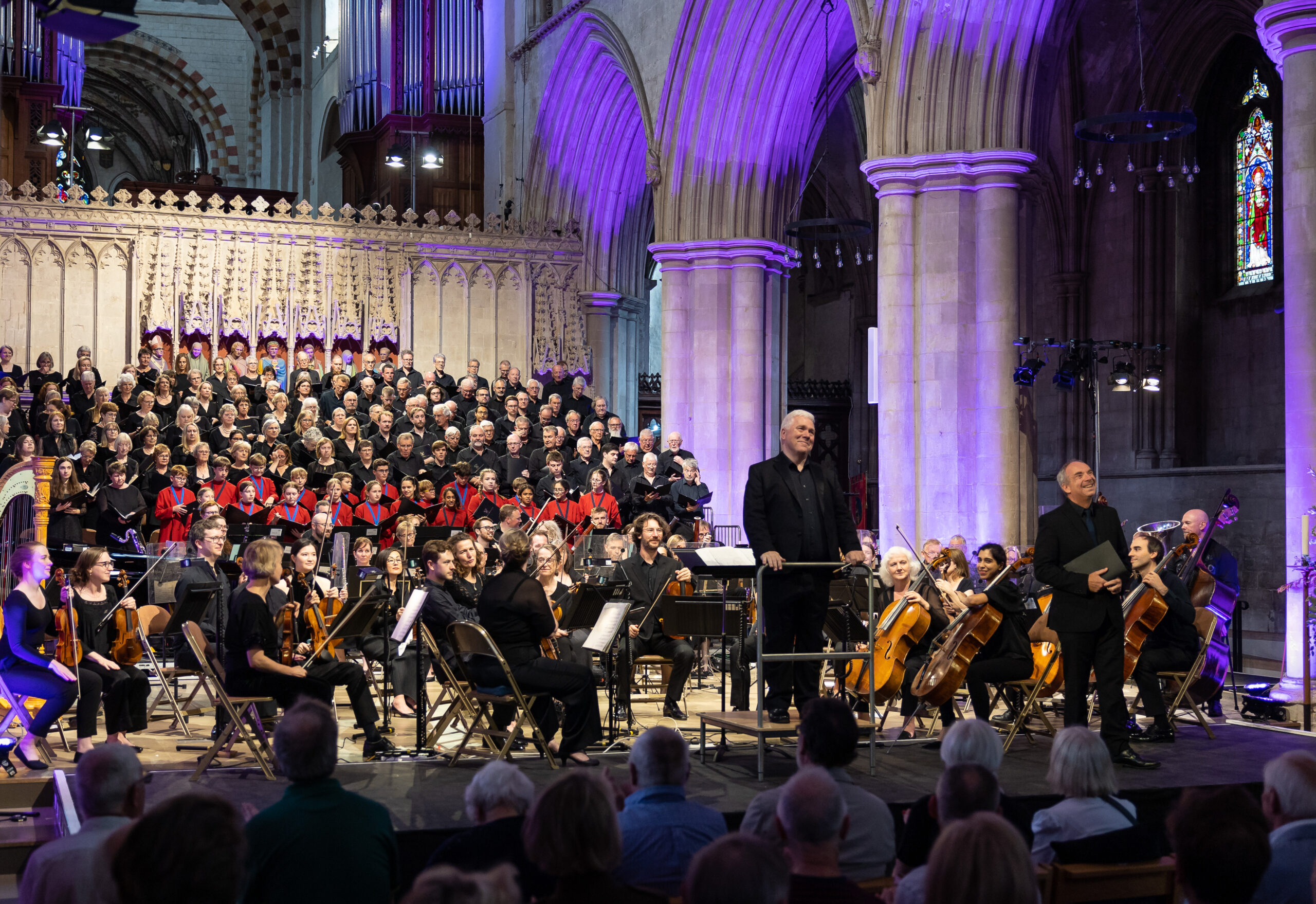
This summer – from July 7-19 – sees the 33rd of these events to take place, with highlights including the much-anticipated return of Three Choirs, Beethoven’s Ninth Symphony, and London Handel Players, while organists from across the globe perform in front of a panel of judges in the hope of winning one of the many competitions taking place.
Peter Hurford, who is still remembered by many people in St Albans, founded the festival back in 1963.
Having been appointed organist and choirmaster of St Albans Cathedral five years previously – a post which he went on to hold for several decades – he commissioned a new organ for the Cathedral, built by the celebrated makers Harrison and Harrison.
He played a large part in its design process, producing an instrument which was ground-breaking at the time and able to play a wide range of concert music, going well beyond the sort of repertoire that is traditionally heard in a cathedral, even one like St Albans.
The idea of hosting a festival and associated competition was built around the desire to celebrate this new instrument, and more than 60 years on it still plays an important role, although today the events include so much more than just the organ.
Right from the start the competitions and festival were conceived together. Over the years the competitions have attracted excellent young players from around the world, and winners gone on to become some of the most celebrated performers of their generations.
The competitions became a sort of convention of international talent, and the youthful buzz generated a sense of excitement around the festival. This mutually supportive atmosphere continues today, and together the competition and festival are considerably more than the sum of their parts.
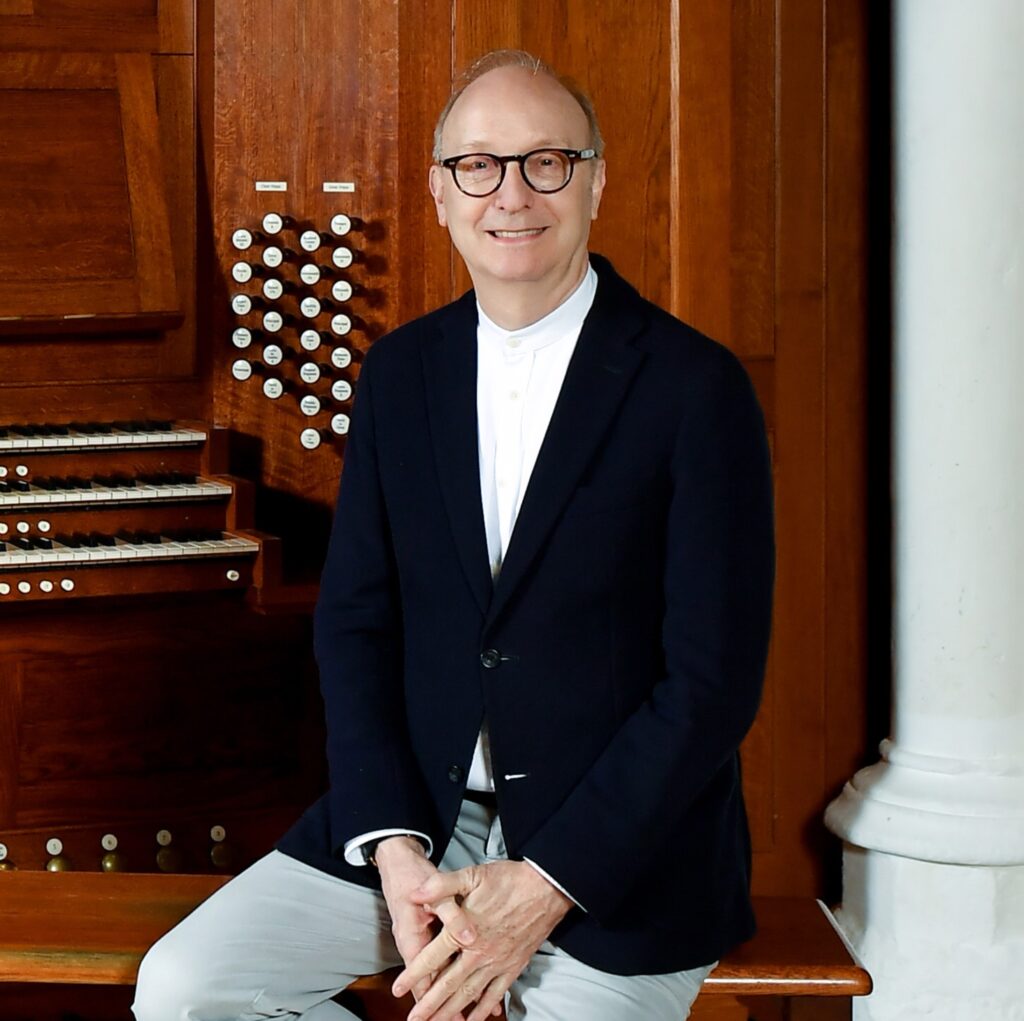
Festival artistic director David Titterington explained: “We encourage all of the competitors to come to as many events as possible – all creative musicians take their inspirations from far and wide, certainly not restricted to their own instrument.
“For many years we’ve been known as ‘the friendly festival’, and the organists form friendships with the people of St Albans as with their fellow competitors.
“Of course they all want to win, but they often don’t come across as rivals as they tend to support one other and to celebrate each others’ successes.”
From the very first events more than 60 years ago the competitions and festival attracted an international reputation. Today it is renowned for providing a unique atmosphere – competitors and jury alike claim that there’s nothing quite like it anywhere else in the world.
David explained: “Our wonderful teams of volunteers and supporters make this a truly community-focused event, in the best sense. We’re always looking outwards, attracting top international performers for our concerts as well as competitors from around the world, and simultaneously we present friendly events which wouldn’t feel the same if they were taking place anywhere else.
“It’s such a pleasure to bring world-class music-making right into the heart of the city, with standards as high as you’re ever likely to find in London or indeed any other city around the world.”
David has been heavily involved for 18 years now. He was on the competition jury in 2007 and after that festival was appointed as artistic director and executive director.
But away from St Albans he has also enjoyed a long and remarkable career as a professional musician.
“One of the great joys of my life is the variety. I combine being an active performing musician across the world with nurturing young performers at the Royal Academy of Music, where I’ve been Head of Organ for many years.
“My work in St Albans connects me into so many other areas: I’m always on the look out for exciting performers to bring to the festival, I connect with my peers in the organ world as I seek out jurors to form an eclectic panel of experts from around the world, and I represent the festival in discussions with potential supporters and donors.
“All of these roles produce their own special thrills and satisfaction of achievement, but still nothing beats the adrenalin of performing on a great instrument in an iconic building – when the concert goes well, it’s the best feeling in the world.
“Nothing else could compare to performing at the Royal Albert Hall in the BBC Proms, or premiering a major new work at the Royal Festival Hall.”
So what is it about the organ as an instrument which you find so engaging?
“Every organ has its own unique qualities, which are inextricably linked with the building. A soloist who for many hours every day plays the same violin or cello (or whatever other reasonably sized instrument they’ve chosen), practising it at home, caring for it, and transporting it with their own hand to concert halls around the world, builds intensely personal relationship with that instrument.
“It’s very different for us organists, as every time we play in a new venue it’s a process of discovery. Even returning to an old friend, we may find that they have changed in subtle ways which call for adjustment. Or perhaps it’s the player who has changed? It keeps me thinking, and I love that.
“The counter-balance to this is the familiarity of having been the organist at the Dutch Church in the City of London for many decades, playing there almost every week: that’s an essential part of my life, too.”
So if someone has never been to the festival, why should they come this year?
“I have to say that I’m particularly pleased with the line-up for this year’s festival. It may have the organ at its heart, but it offers so much more and I believe that there really is something here for every music lover. You could come to many top-class events without even hearing a single note played by the organ, although I’d argue that would be a missed opportunity.
“If you’re attracted by large-scale performances, you can’t get any better than Beethoven’s Ninth Symphony with its famous Ode to Joy, of the exhilaration of hundreds of voices singing together in our Three Choirs spectacular – which is looking like it will sell out soon, by the way.
“The jazz singer Jacqui Dankworth has the most wonderful voice and stage presence, so I wouldn’t want to miss her playing live with her trio in the Cathedral’s Nave. Alim Beisembayev won First Prize at The Leeds International Piano Competition a few years ago, and is an extraordinary talent: he’ll be performing beautiful solo repertoire by Debussy, Liszt and Chopin.
“Lucy Crowe, one of the world’s very greatest sopranos, will perform with her regular accompanist Anna Tilbrook. I could mention many more, and I’d urge anyone who’s new to the Festival to browse through the calendar of events to make up their own mind. Whatever you choose, you’ll be made very welcome.”
The festival receives no public funding, corporate sponsorship is largely a thing of the past, and trusts and foundations have ever-increasing calls on their resources. Therefore it would not survive for more than a few days without contributions from private individuals, who all give loyally and generously to the festival. Anyone reading this who is in a position to donate is urged to contact David direct via the festival website at https://organfestival.com/