10 May 2025
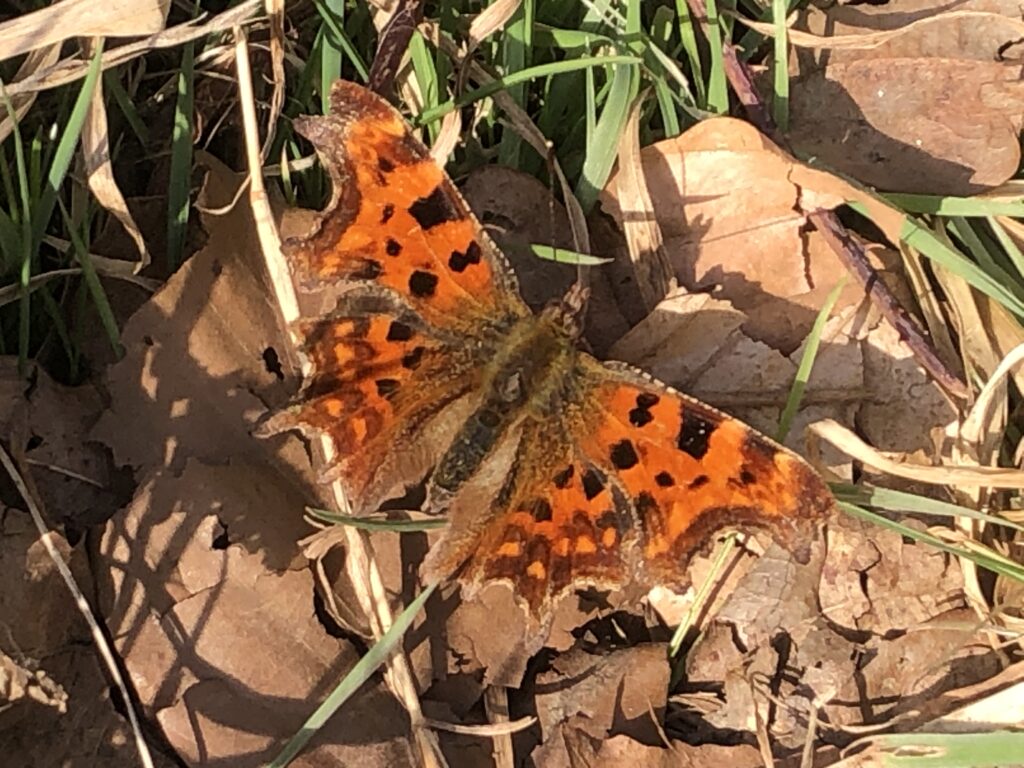
It’s hard to deny the beauty of a butterfly or the wonder in welcoming wildlife into our gardens but are we doing enough to enable them to flourish?
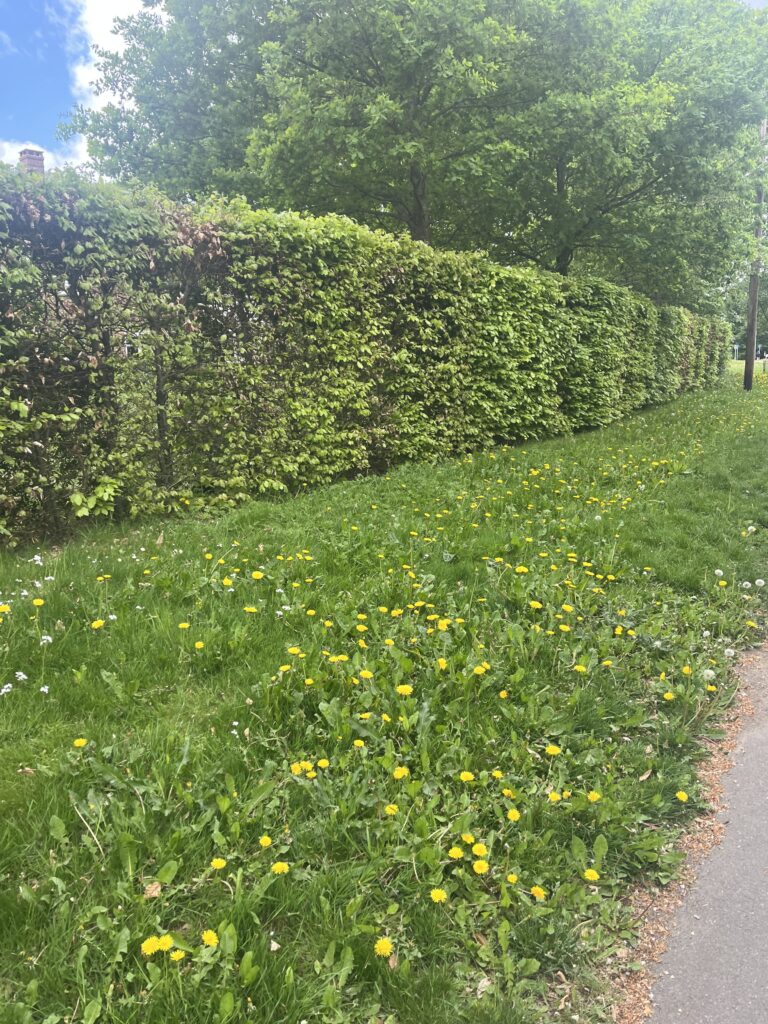
With No Mow May upon us, we investigate what is being done in St Albans and why it’s vital to think about this stuff for more than just one calendar month of the year.
No Mow May is a national initiative devised by Plantlife which aims to help people to support nature in their gardens and connect with wildlife.
Their annual campaign asks people to pack away their lawnmower and “let wildflowers grow freely and help nature”.
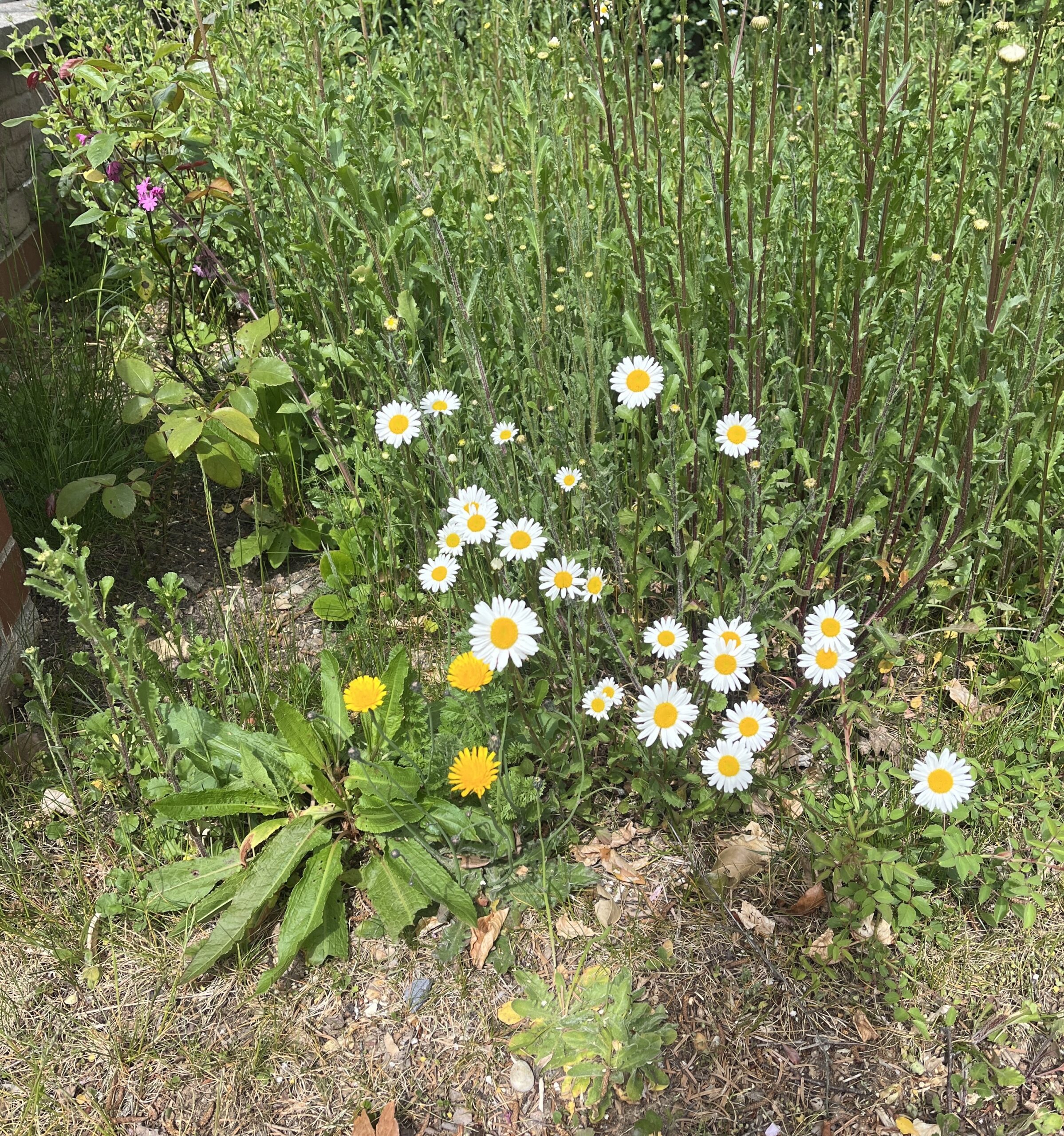
Jill Watson of Sustainable St Albans said that encouraging people to allow a patch of longer grass and wildflowers to grow helps pollinators at this crucial time of year, by providing food and support to ecosystems, increasing biodiversity and food security.
She said: “Mowing lawns chops off any wildflowers or other grasses that might be pushing through. Keeping the grass short limits plant diversity, habitats and food for insects.”
Cll Juliet Voisey of St Albans Green Party agrees: “Rewilding is the new way to garden, and initiatives like No Mow May were born in the hope to reverse the trend in insect, bird and mammal decline. In short it means bringing more insects, more bees, butterflies, more birds and more hedgehogs into your gardens.”
Plantlife say that 97 per cent of flower-rich meadows have been lost since the 1930s meaning a huge loss in the vital food and habitat needed by wildlife.
Research has shown that allowing grass to grow even for a while helps a variety of insects and animals.
For example, Butterfly Conservation found that there was a 93 per cent increase in the number of butterflies on lawns left unmown until the end of summer – June, July and August are the peak months for caterpillars to feed.
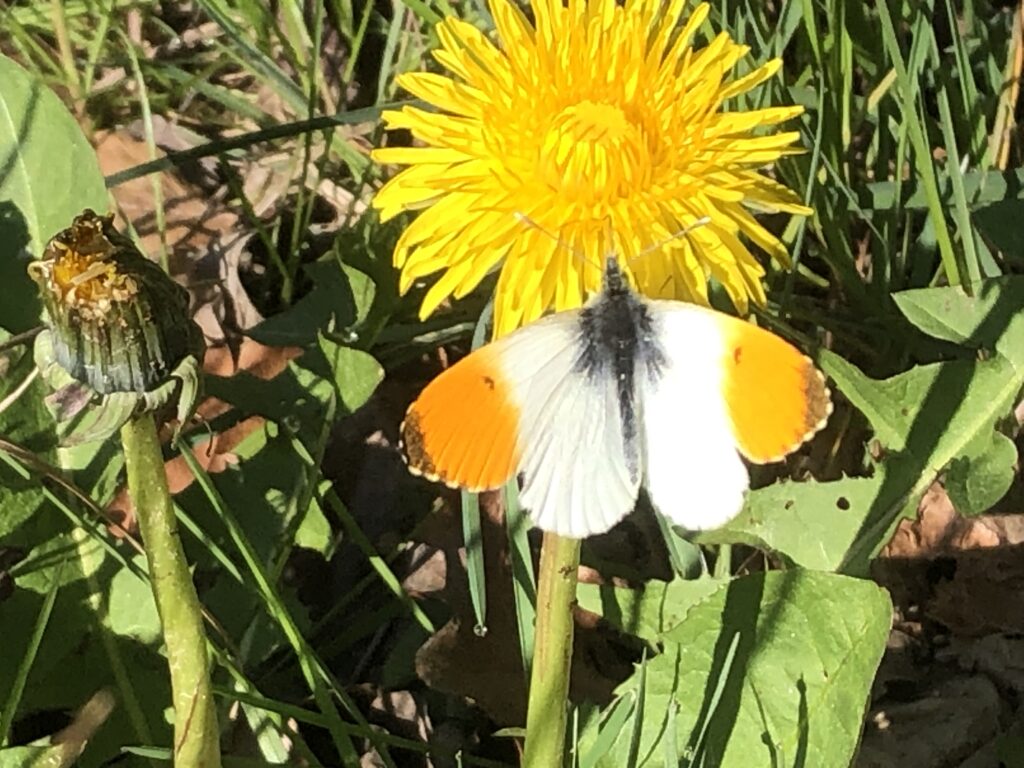
Chair of Butterfly Conservation in Herts and Middlesex Malcolm Hull said: “Some long grasses and wildflower species are crucial for the development of young stages of insects. The caterpillars of many butterfly species are entirely dependent on one or two plant species. If these plants aren’t encouraged to grow, butterfly numbers will continue to decline.”
Rather than simply supporting No Mow May, for several years St Albans district council has focused on rewilding as a means of encouraging biodiversity.
Assistant director (public realm) Stuart Fitzsimmons explaine: “Every year, we set aside rewilding areas throughout the green spaces that we own, including Verulamium Park, refraining from mowing for most of the year.
“This creates wonderful flower meadows for wildlife, such as bees and other insects, and allows various natural grasses and plants to flourish.
“Our programme is run in partnership with our grounds maintenance contractor John O’Conner and local environmental groups.
“We believe that this has greater and more sustainable benefits to biodiversity than No Mow May.
“Not mowing all areas we are responsible for in May would also increase our costs considerably as the longer grass would need to be collected, when cut in June, to avoid a mess and the suppression of new plant growth..
“On behalf of Hertfordshire County Council, we cut highway verges across the district and we implement rewilding initiatives with them.
“This involves identifying verges which it would be safe to allow to grow longer throughout the year.”
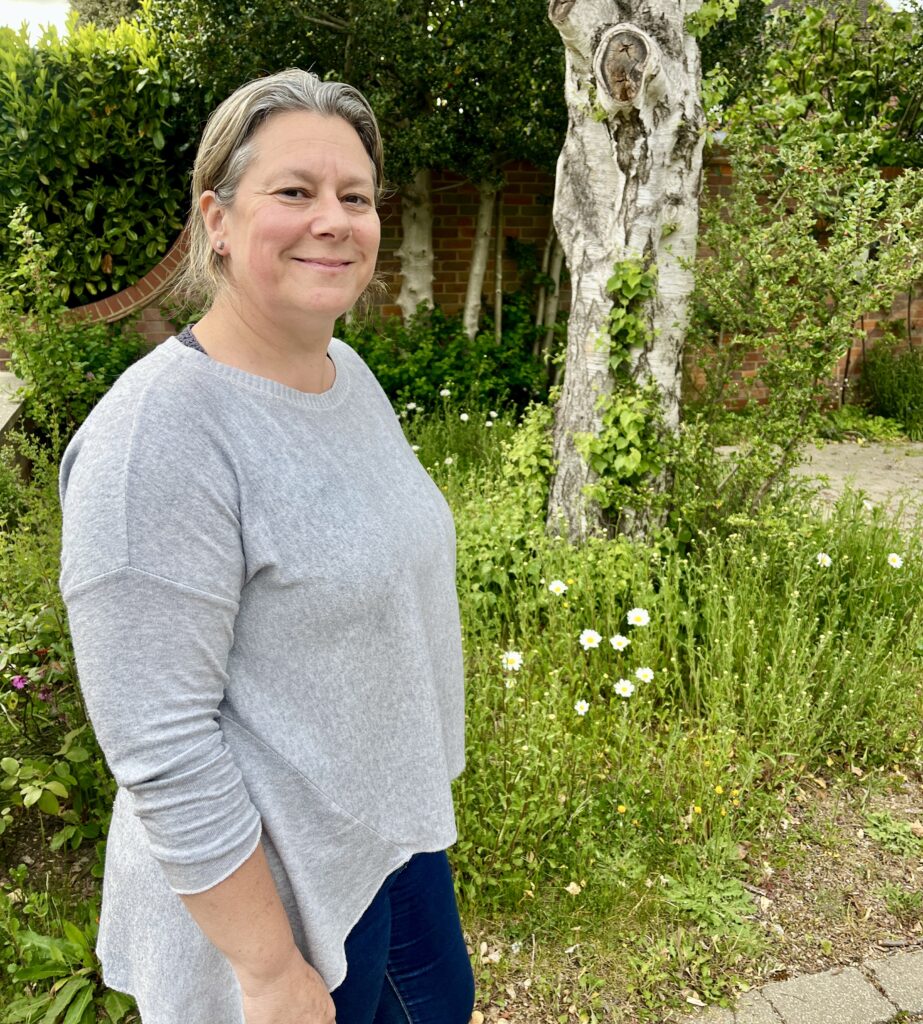
Sonya Jefferson is from Grow Community Sopwell, a not-for-profit organisation established to promote the benefits of sustainable, localised food production and to promote wildlife conservation and restoration projects.
She said: “Although we recognise No Mow May as a starting point, we encourage people to think about the biodiversity in their garden all year round.”
Jill agreed: “A month is a great start. It’s even better if you can leave a patch to grow all year round or even seed a specific area with a wildflower mix.”
Sonya recalled a sad event which occurred a couple of years ago: “We have a mini meadow site in Creighton Avenue that was first cultivated in 2023. Within that first year so much had happened and the grasses and plants had grown knee high.
“The noise of the insects was something to behold and the birds were in all the trees nearby waiting for the next snack. They were happily singing away and then the council contractor cut the whole lot down and there was immediate silence. With no escape route, the life in and around the
meadow was gone.”
Juliet said that SADC has introduced some new areas for wildflowers in the last couple of years, working with the local Butterfly Conservation group and a team of volunteers which records butterfly sightings in these areas to monitor the impact:
“If you have a potential site please get in contact with me or Wilderhood Watch locally.
“They will support you to get your site established and registered with the council which ensures council contractors know where to restrict mowing.”
Wilderwood Watch is a group of St Albans residents determined to help make our city more friendly for wildlife
and people, one street at a time, by creating ‘corridors’ of plants from which bees and other pollinators can forage all year round.
Jill added: “Good meadow management leaves an escape route for the wildlife by cutting towards a strip you leave long all year round.”
Sonya suggests creating a strip or patch for biodiversity if you do not want to turn your whole lawn into a wildflower meadow.
Malcolm said: “Clearly we need cut grass areas for sport, recreation and some formal gardens. Cut grass looks neat and tidy to some people, but to wildlife it looks like we just wrecked their home. And many people do like wildflower meadows where the beauty of flowers, bees and butterflies can be admired.”
Jill said that though there are lots of areas that would make for great wildlife meadows, larger areas do need managing: “It’s not just a case of letting it go as that can also limit diversity.
“It took three years of seeding for a small patch of my garden to have a variety of wildflowers, so depending on the weather conditions it could take a while to change, but the results will be worth it longer term.”
To take part in No Mow May you can:
- Spread the word about No Mow May to neighbours and friends;
- Leave a patch of grass or woodland in your garden;
- Share your pics or experiences on social media using the hashtag #NoMowMay;
- Take the opportunity to learn more about the wildlife in your garden;
- Contact Wilderhood Watch regarding new sites via https://wilderhoodwatch.org/