06 May 2025
On three separate occasions during the 20th century, Verulamium Park played host to epic reenactments of key moments from St Albans’ long history, with members of the public stepping into the roles of kings, queens, bishops, anarchists and martyrs.
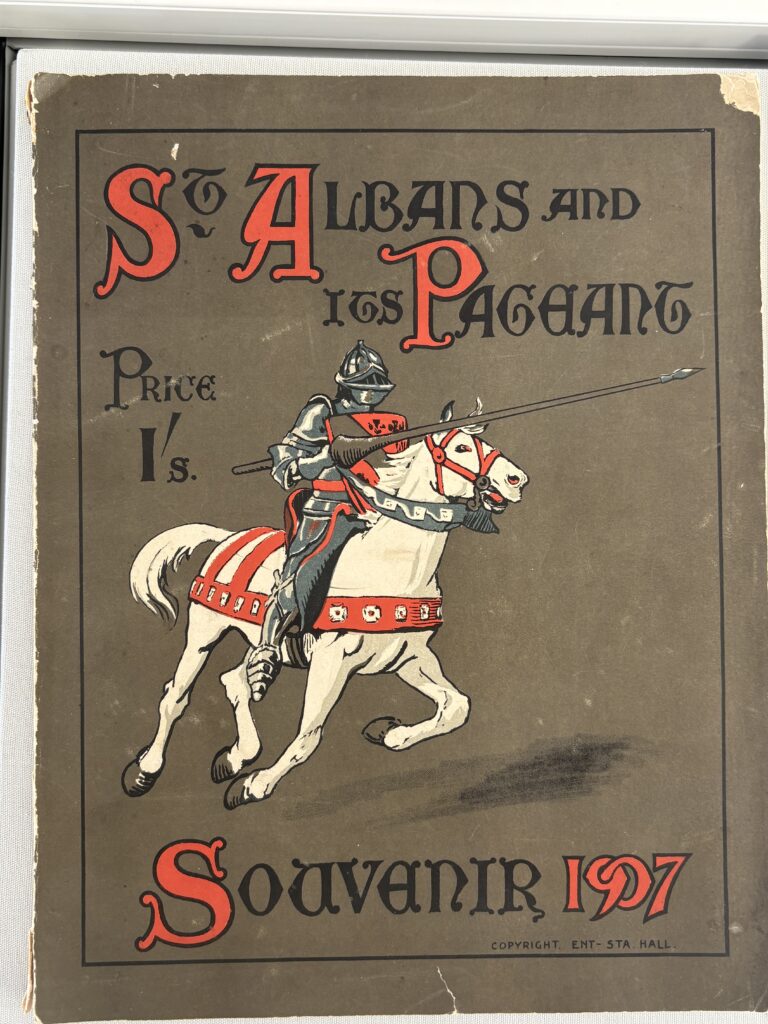
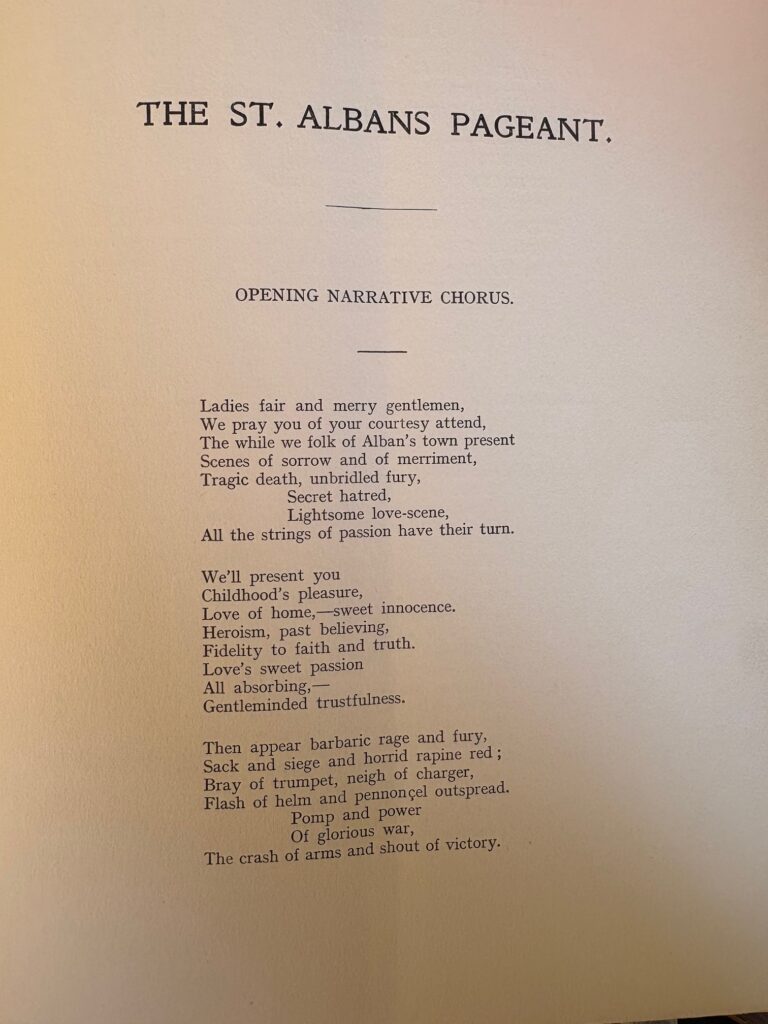
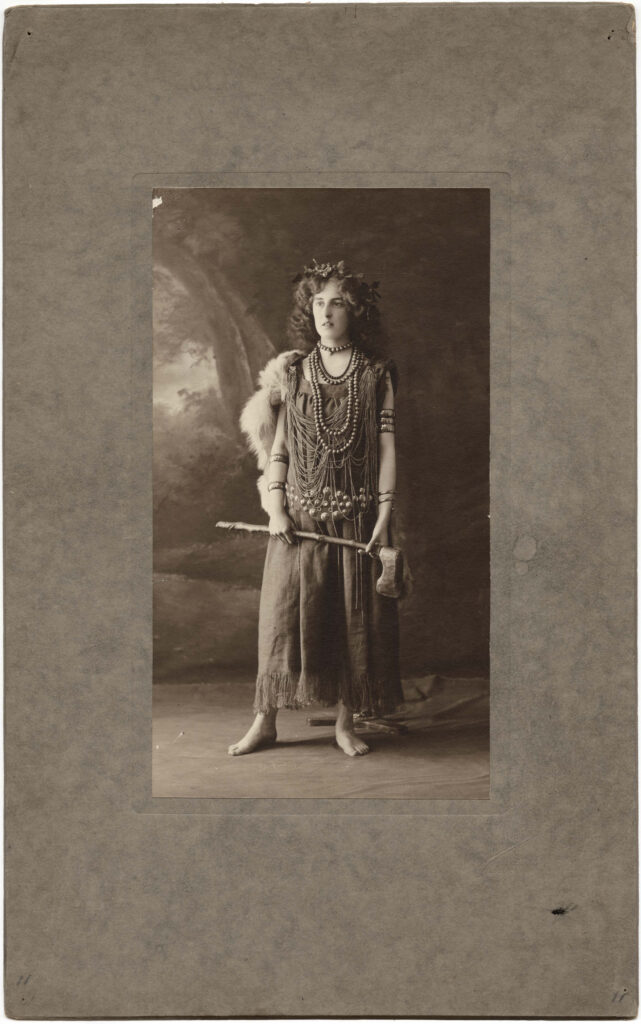
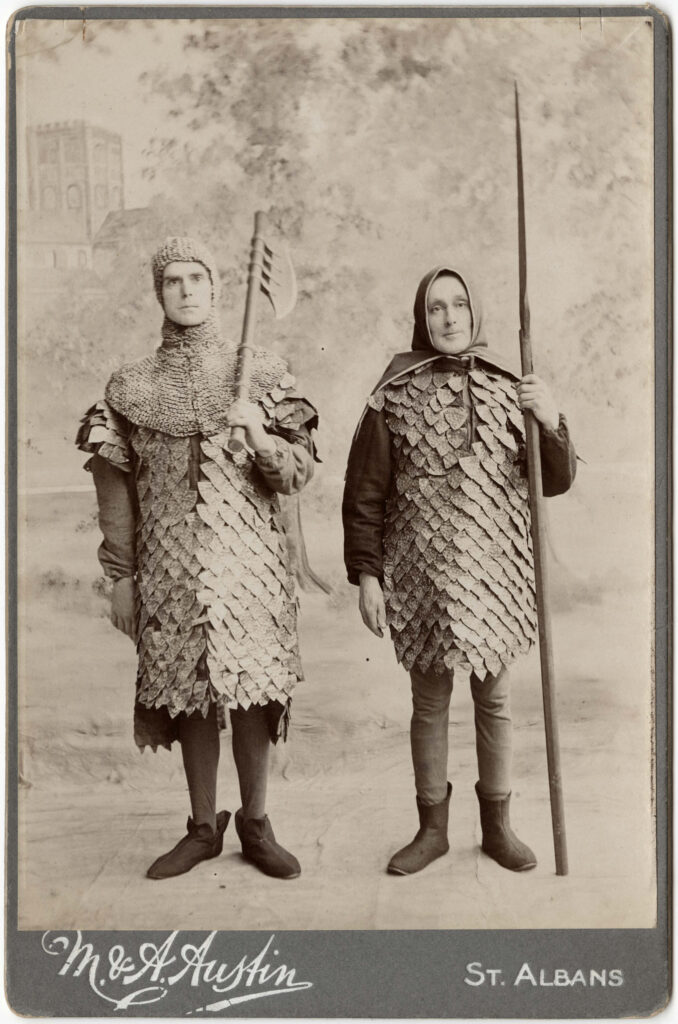
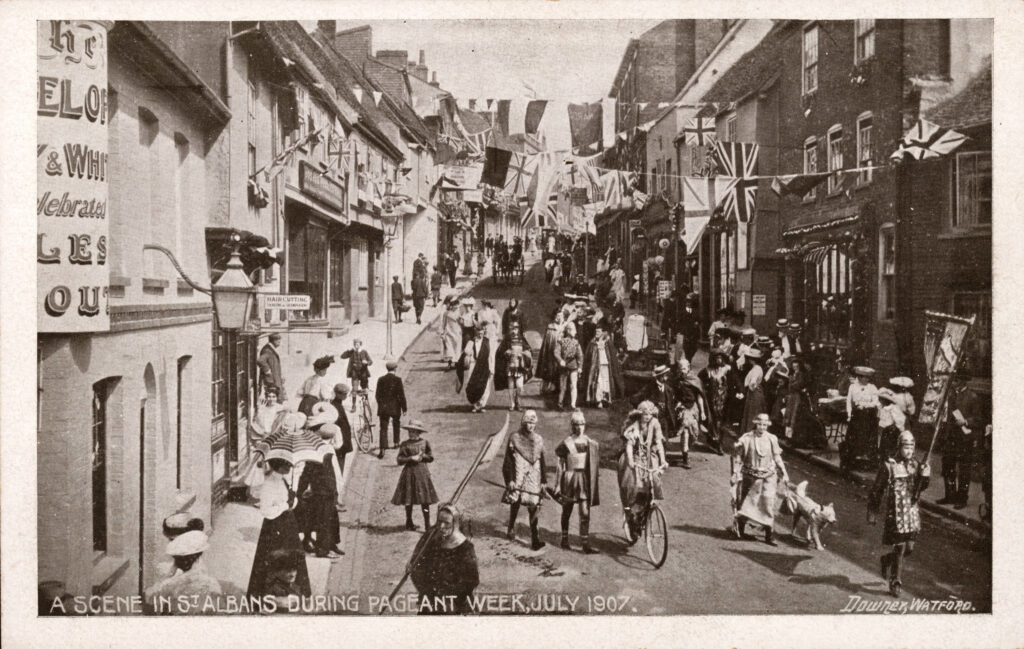
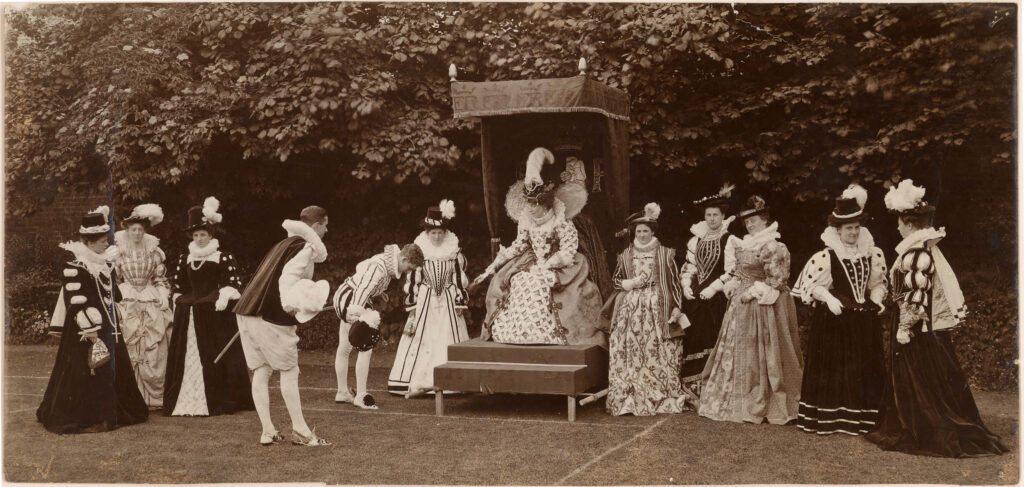
The city’s first pageant took place in July 1907 and involved 3,000 performers and a choir of 200 in recreations of eight historical scenes, beginning with Julius Caesar and ending with a visit from Queen Elizabeth I in 1572, but also included the martyrdom of St Alban, the funeral of Queen Eleanor and the Peasants’ Revolt, among others.
It was written by Charles Henry Ashdown, described in the programme as the author of ‘St Albans: Historical and Picturesque’ (1893), which was illustrated by the celebrated Dickens artist Frederick George Kitton.
Ashdown, who was also science master at the grammar school and secretary of the St Albans and Hertfordshire Architectural and Archaeological Society, wrote in the preface: “The ecclesiastical, military, and civil history of St Albans and the neighbourhood is so exceptionally rich that no less than twenty-three occurrences suitable for dramatic representation appeared on my first list; but these have, by careful selection, been reduced to eight…
“To Albanians and residents in Hertfordshire the prominent names in the book are as household words, and it has been a positive pleasure to re-clothe these old friends in flesh and blood, and in many cases to put into their mouths again the identical words they uttered centuries before.”
A headquarters for the planning of the event was set up on the corner of Victoria Street and Marlborough Road in a building renamed ‘Pageant House’, and the production proved so influential that it gave its name to a street in Sopwell – Pageant Road.
Special trains were laid on from London, and preparations for the event were even reported in the American press, alongside a regular ‘Pageant Gossip’ column in the Herts Advertiser. It was still fondly remembered as late into the 20th century as the 1970s, and described as a classic of the Edwardian ‘pageant fever’ genre.
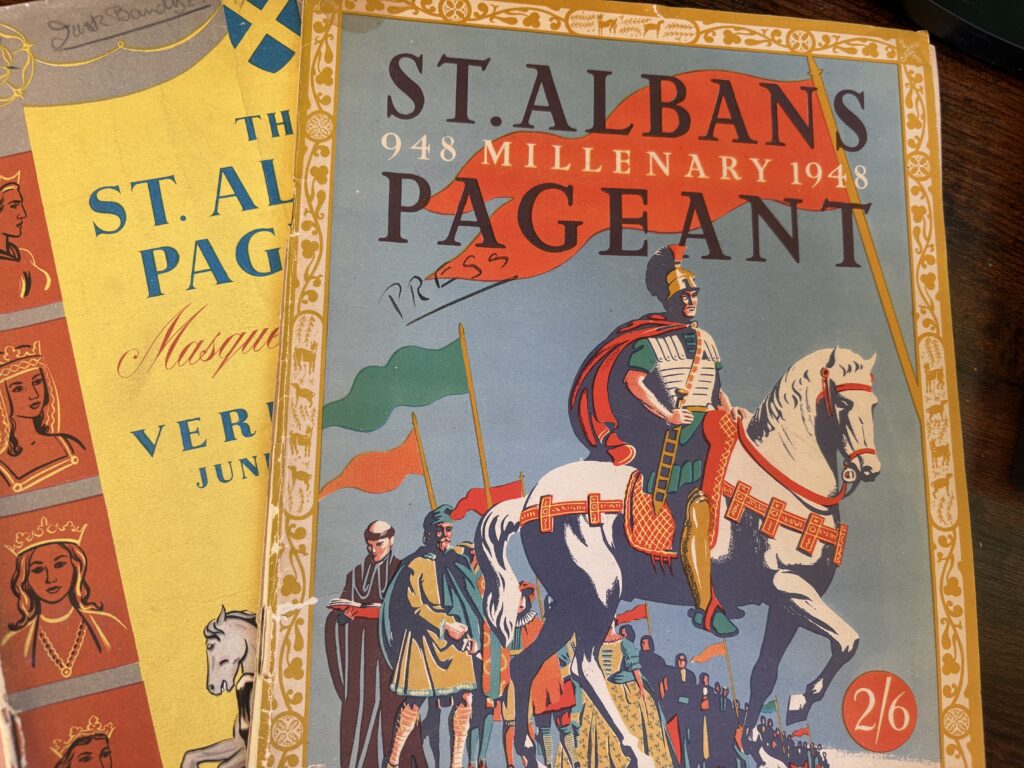
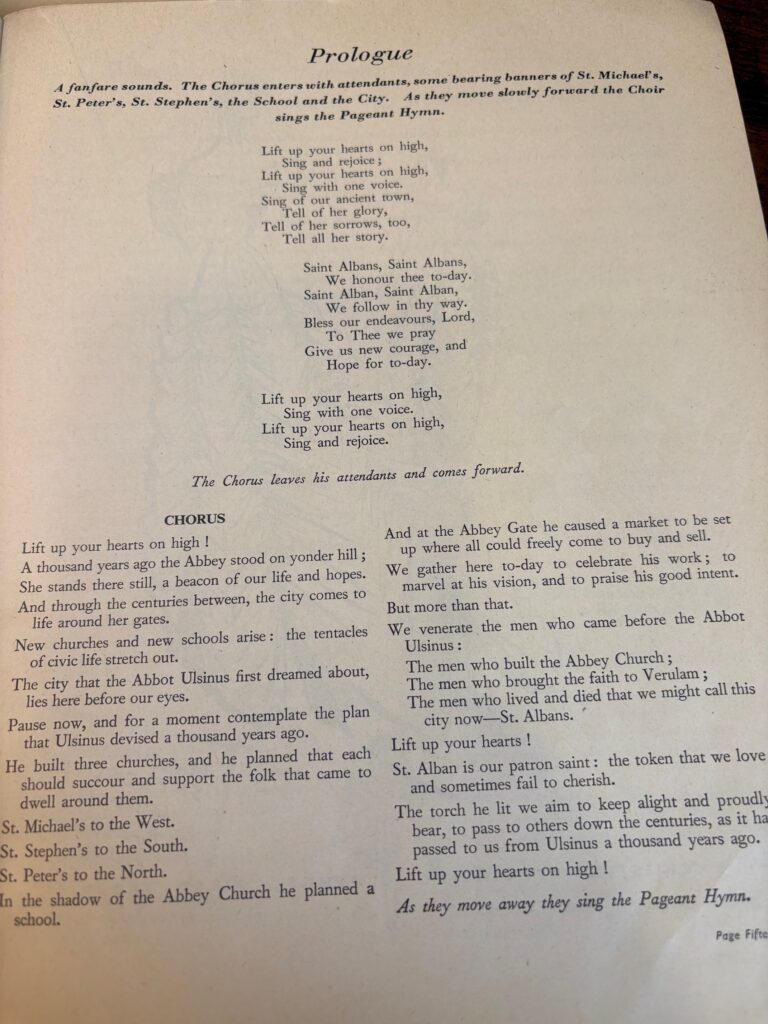
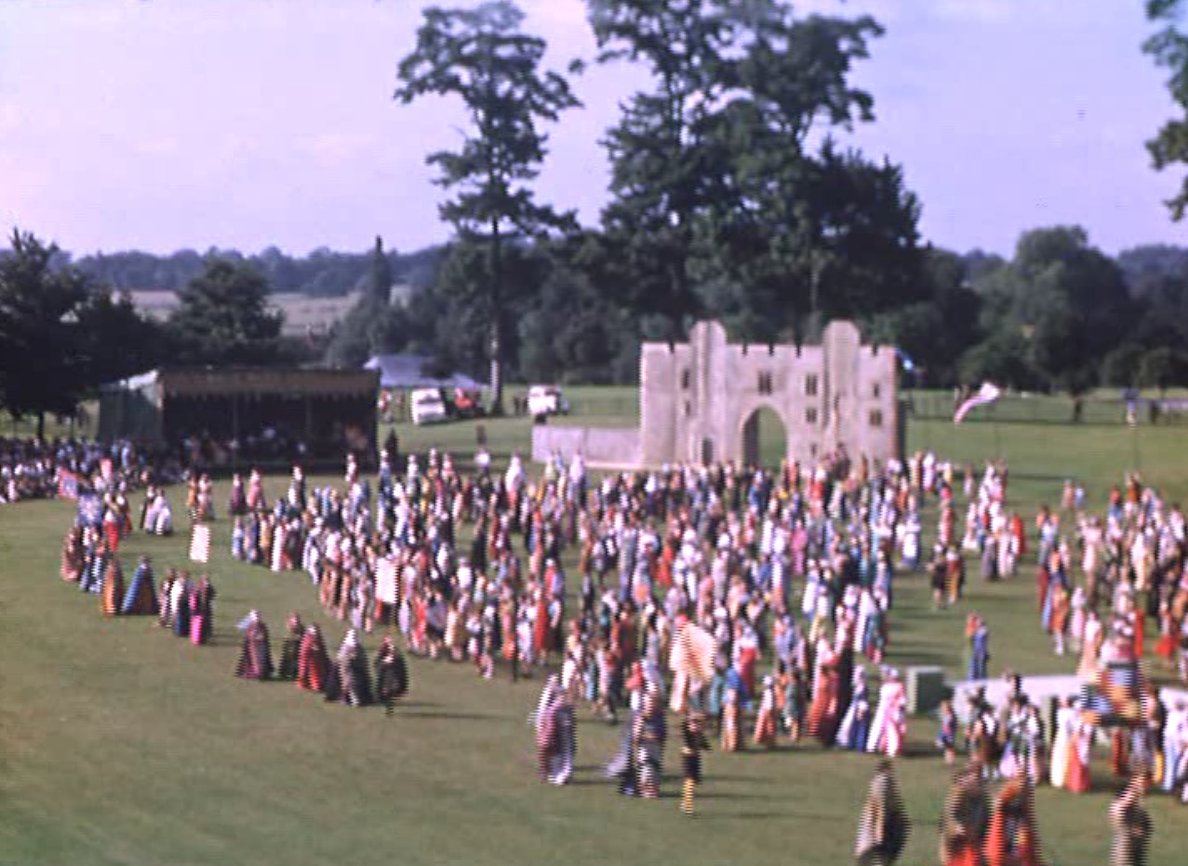
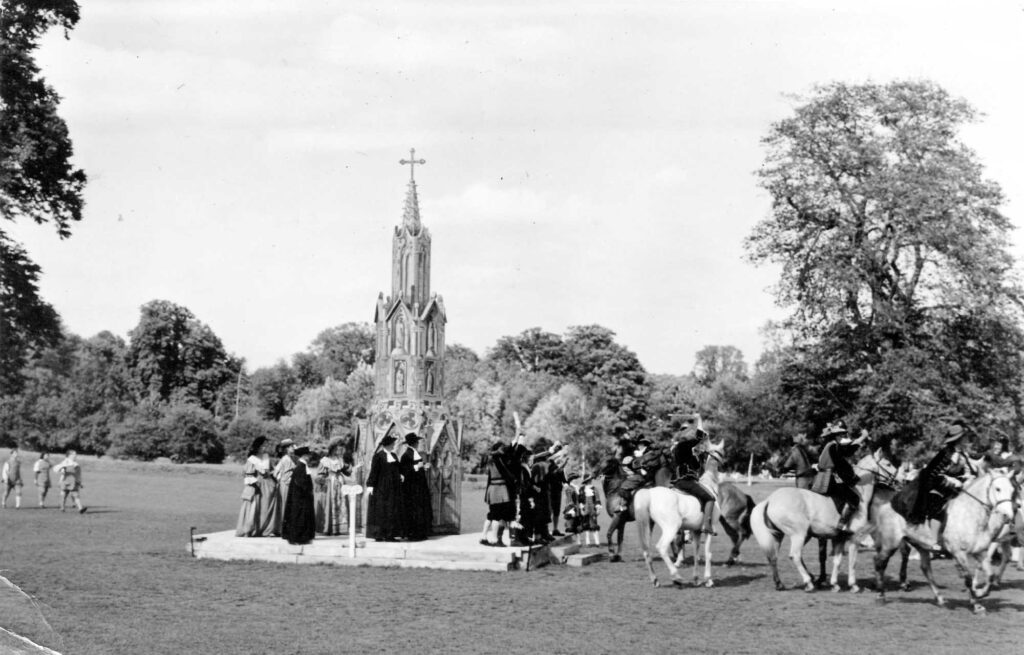
It was to be many years before St Albans hosted an event on a similar scale, and The Millenary Pageant in June 1948 was actually dubbed the ‘Austerity Pageant’ because of the continuation of post-war rationing. It marked 1,000 years since the establishment of three parish churches, the market and St Albans School.
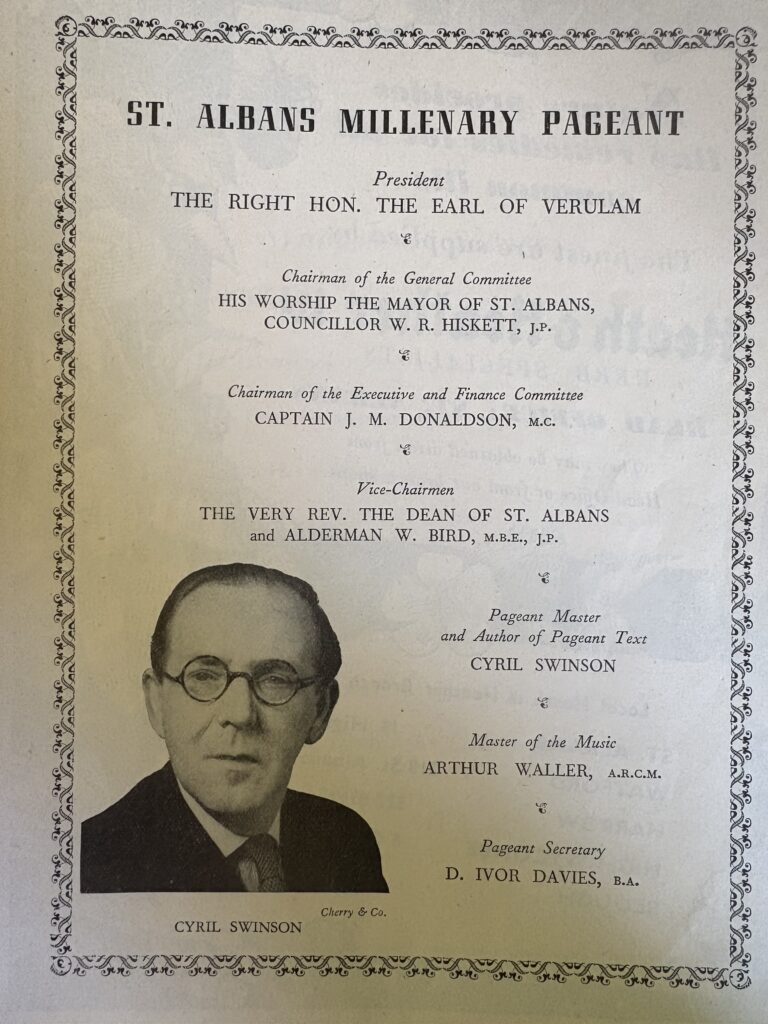
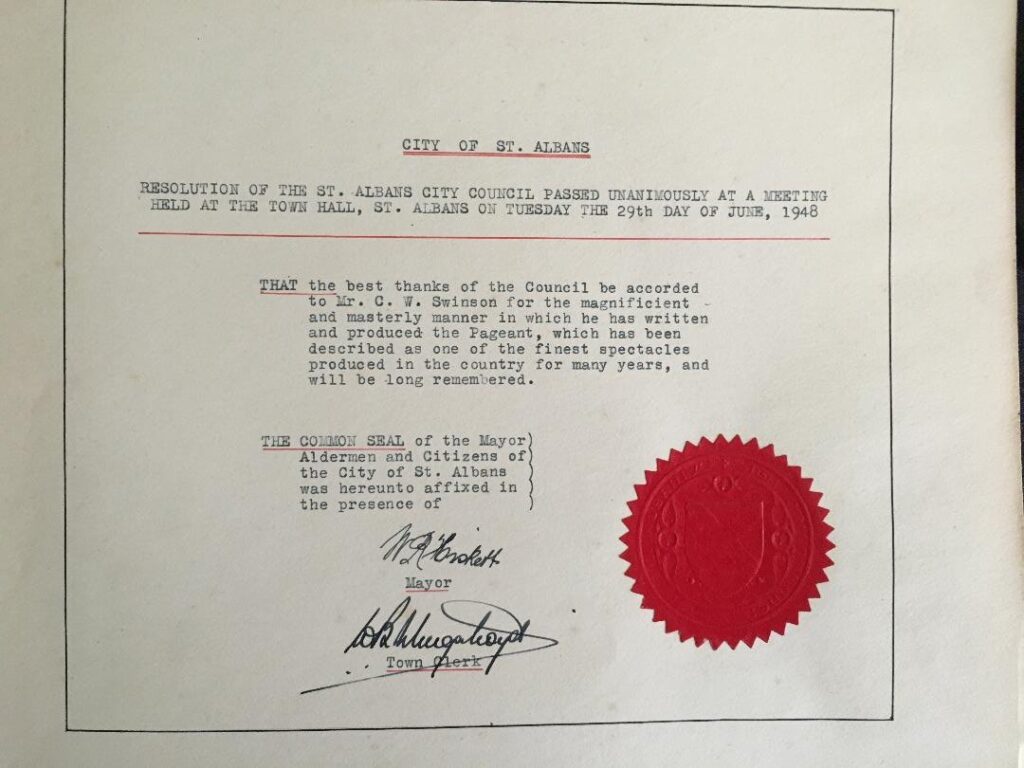
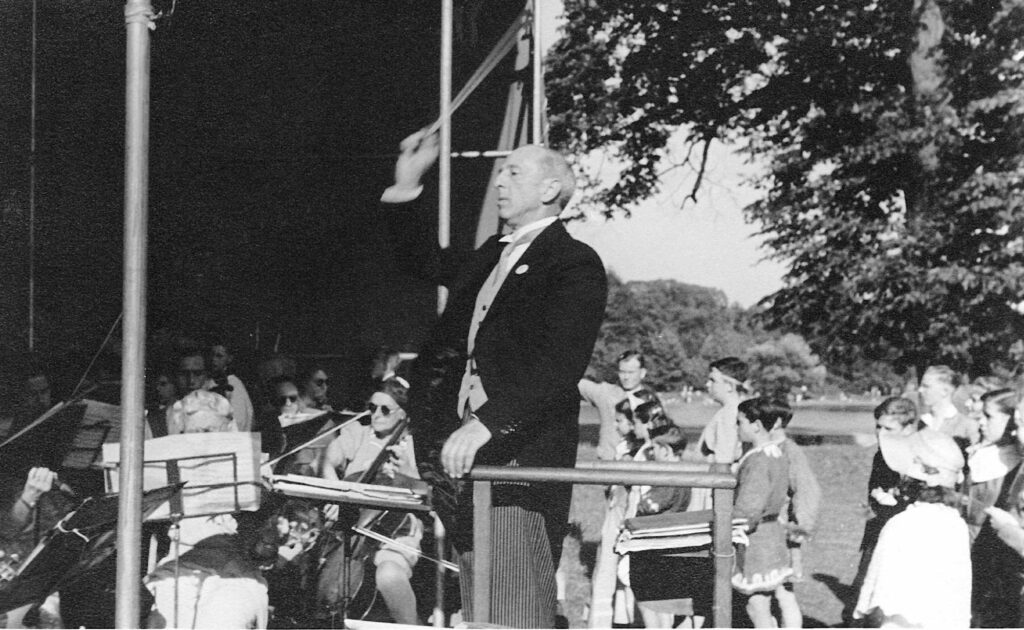
The city council approached author Dorothy L Sayers and playwright Lawrence du Garde Peach to write the performance, before the responsibility went to Cyril Swinson, a founding member of the Company of Ten, who also stepped in as Pageant Master, supported by Arthur Waller as master of music.
It again saw scenes re-enacted from key moments in St Albans’ rich history, including one set in 948AD, when the Abbey’s sixth abbot – a man known as Ulsinus or Wulsin – not only laid out what would become the town of St Albans, but also established St Albans School and the three churches of St Stephen, St Michael and St Peter.
This was followed by other sequences including the martyrdom of St Albans, King Offa establishing the Abbey in 793AD, the Sovereign Way General Election scandal of 1722, and Queen Elizabeth I’s visit to Gorhambury House in 1572.
The final sequence featured the celebrations surrounding the Royal Charter of 1877, which gave St Albans city status, and the creation of the diocese of St Albans later that year, with city councillors playing their own predecessors.
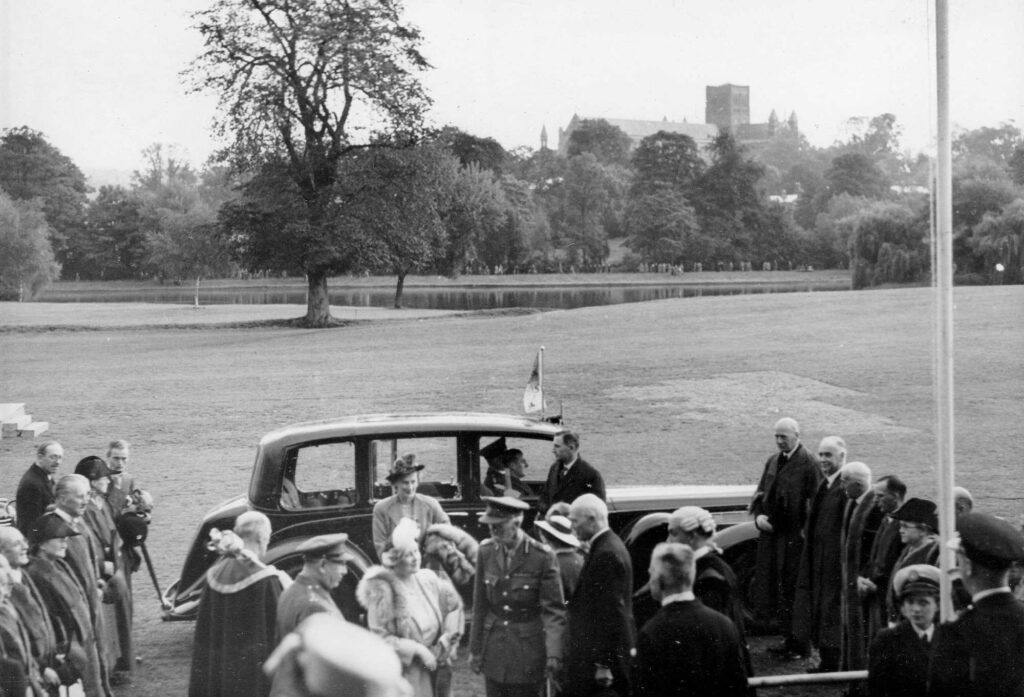
One of the distinguished guests was Queen Elizabeth, later the Queen Mother, who attended on June 22, and was met by civic leaders beforehand.
Writing in the programme, St Albans Mayor WR Hiskett said it was unique to be able to celebrate the thousandth anniversary of three churches, a school and a market, adding: “We in St Albans are members of a community with an ancient and illustrious record, for, times out of number, on this spot history has been made.
“We have reason to be proud of our long and colourful story, and its presentation in this Millenary Pageant is a fitting outfit for civic pride.”
Cyril’s wife Brenda Swinson supported her husband as one of his personal assistants, and her handwritten notes about the pageant have been preserved by her son Peter.
She said: “It began with Captain JM Donaldson, who had come to St Albans to see the 1907 Pageant and thought St Albans was a good place to live.
“He was elected to the City Council and became Mayor in 1947-48. And wanted to have another pageant in celebration.
“He came to see a performance by Company of Ten, in which there was a scene of some Americans wanting to know about the city – everyone they asked said they didn’t know, except a small girl.
“Captain Donaldson realised there was someone who could write and probably cared about St Albans and so my husband agreed to do it.
“The City Council was persuaded to agree, little knowing what was to come. I think they must have agreed to back it financially, but I don’t know for certain. It’s difficult to remember but there were many shortages so soon after the war and it really was an act of faith to plan so large an undertaking.”
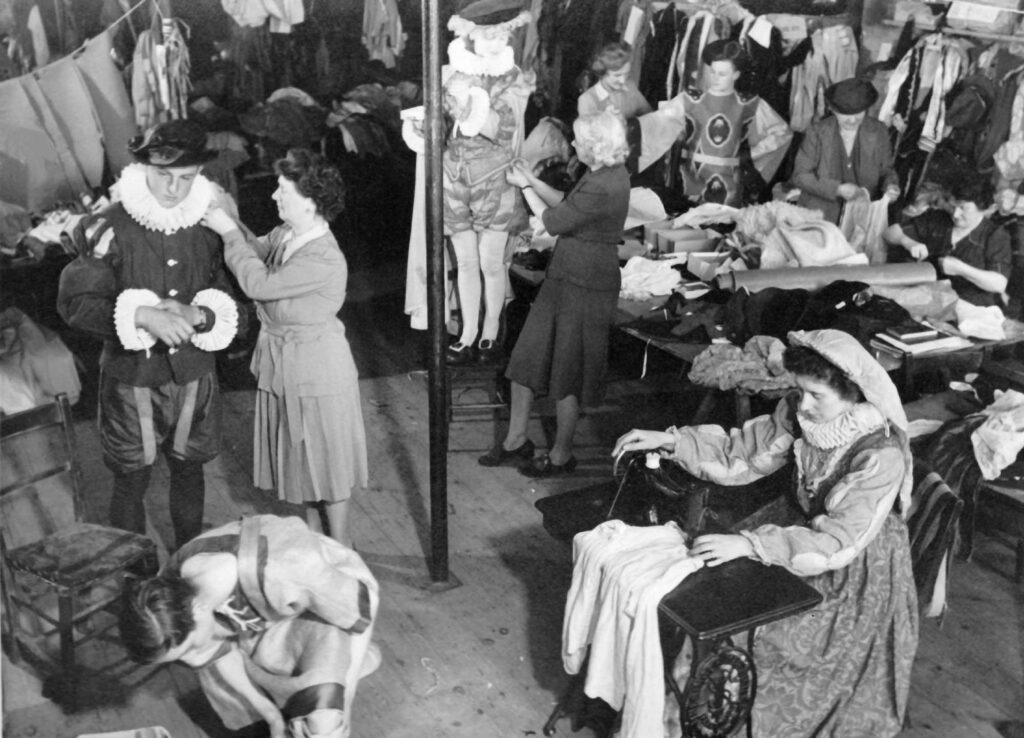
This included sourcing coupons for clothing and materials to make costumes, coping with a strict paper allowance and a lack of recorded music apart from 48rpm records.
“But, somehow, the right people seemed to turn up!” she said.
“The plan was for each episode to be completely independent, with sub producer, secretary, wardrobe mistress and property master. Then we had to recruit people by visiting all kinds of groups to encourage them to take part.”
Those approached included the Company of Ten, the Cathedral, St Saviour’s, St Peter’s, St Stephen’s and St Michael’s churches, St Albans School, the Townswomens’ Guilds, the Women’s Institute, the Sea Cadets and the British Legion.
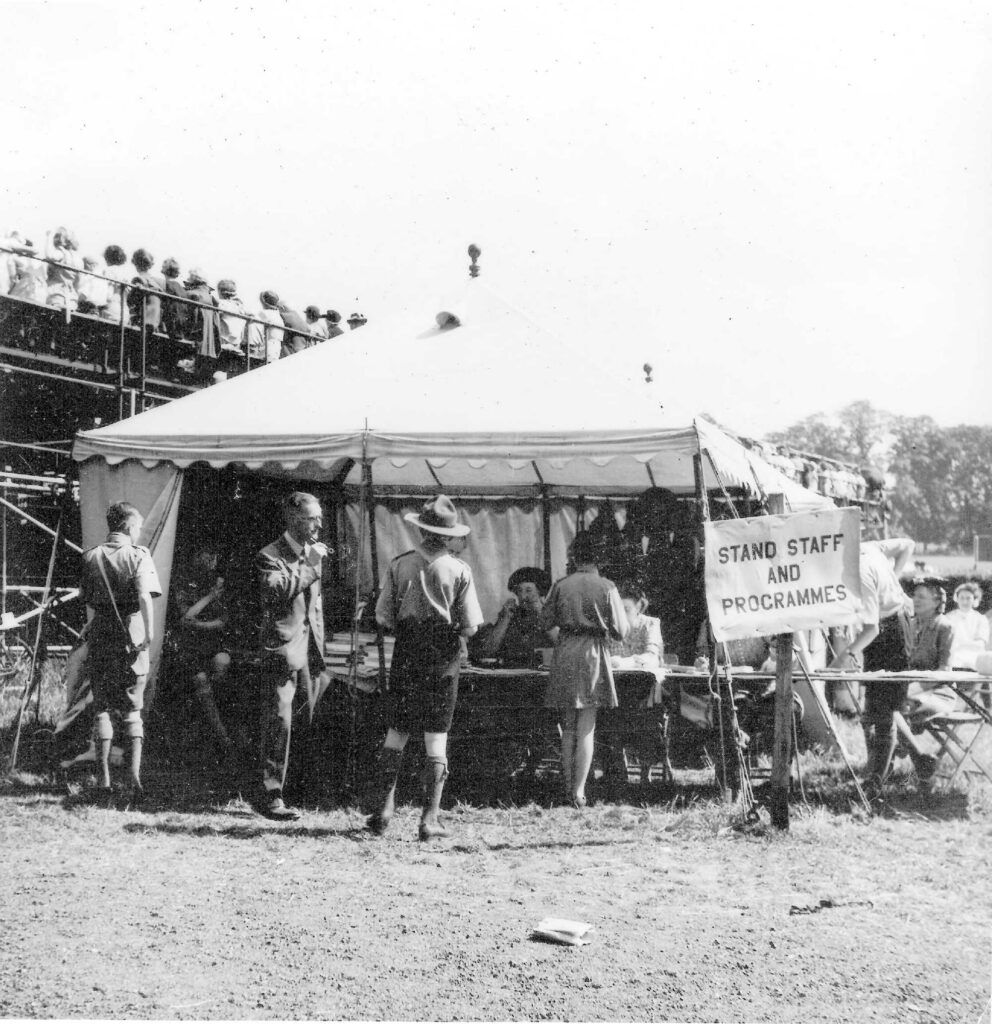
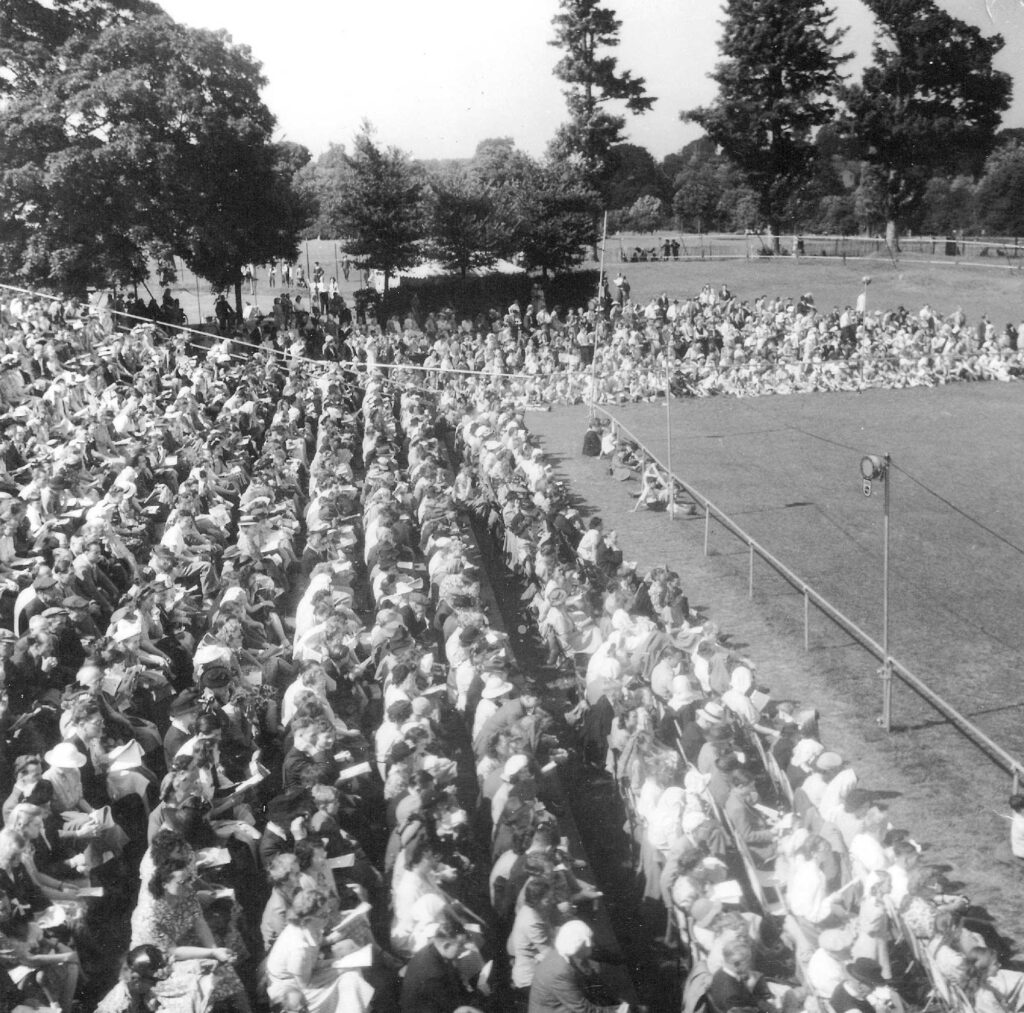
The final production had a cast of around 1,000 people, at a much more modest cost than its predecessor, and made a profit of more than £3,000, which funded a home for the elderly in the city.
Peter Swinson, the son of Cyril and Brenda, added: “According to my mother my father wanted the 1948 Pageant to be as brightly coloured an affair as possible following the drab years of the war. Many of the costumes were apparently made from brightly dyed parachutes!
“All the pageant performers and backstage personnel were just locals, many from the amateur theatre company. These days I guess the operation would be slicker with a great deal of technology involved. Indeed I doubt it would be possible to convince a several hundred people to perform together, with many weeks of rehearsals and performances in variable weather conditions around the lake. (It poured with rain at the performance that the Queen Mother attended).”
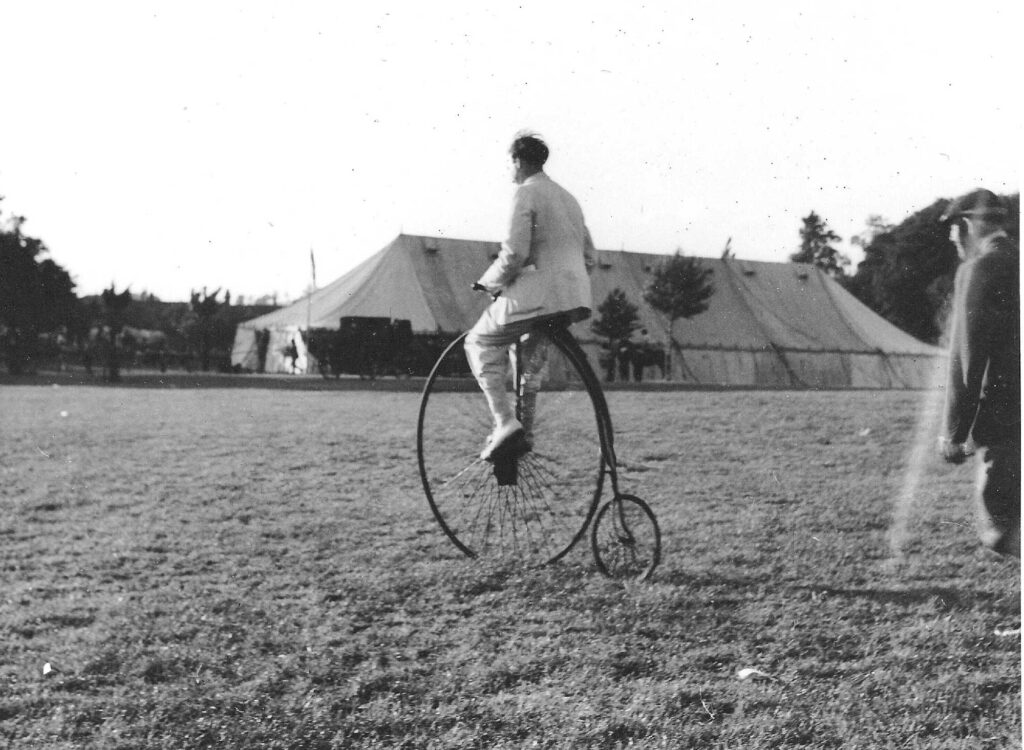
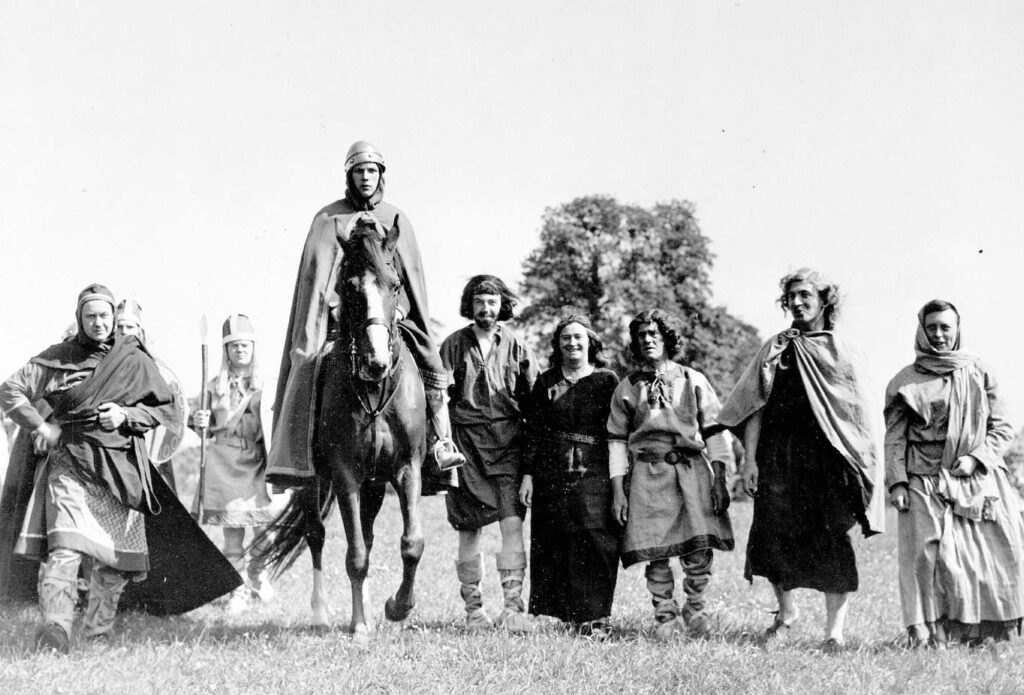
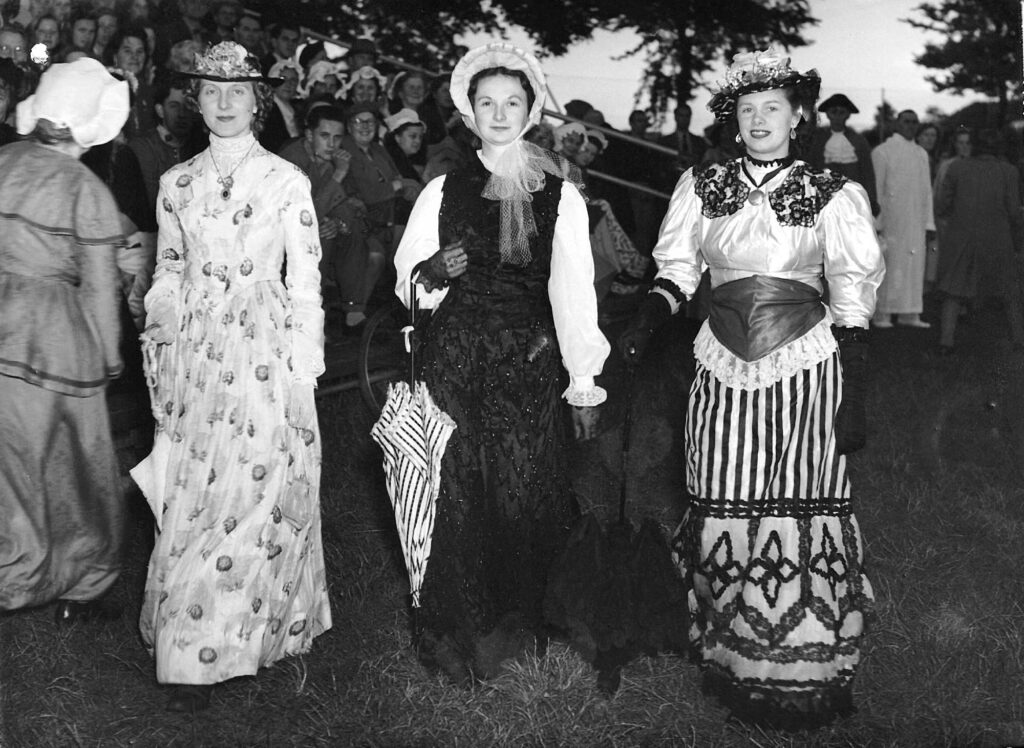
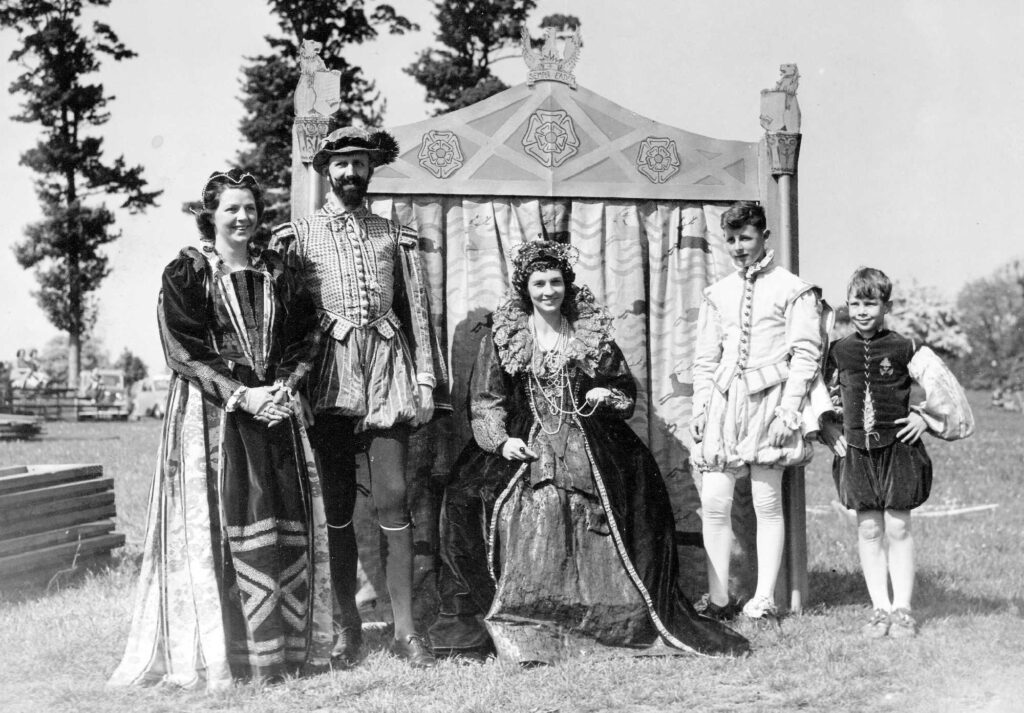
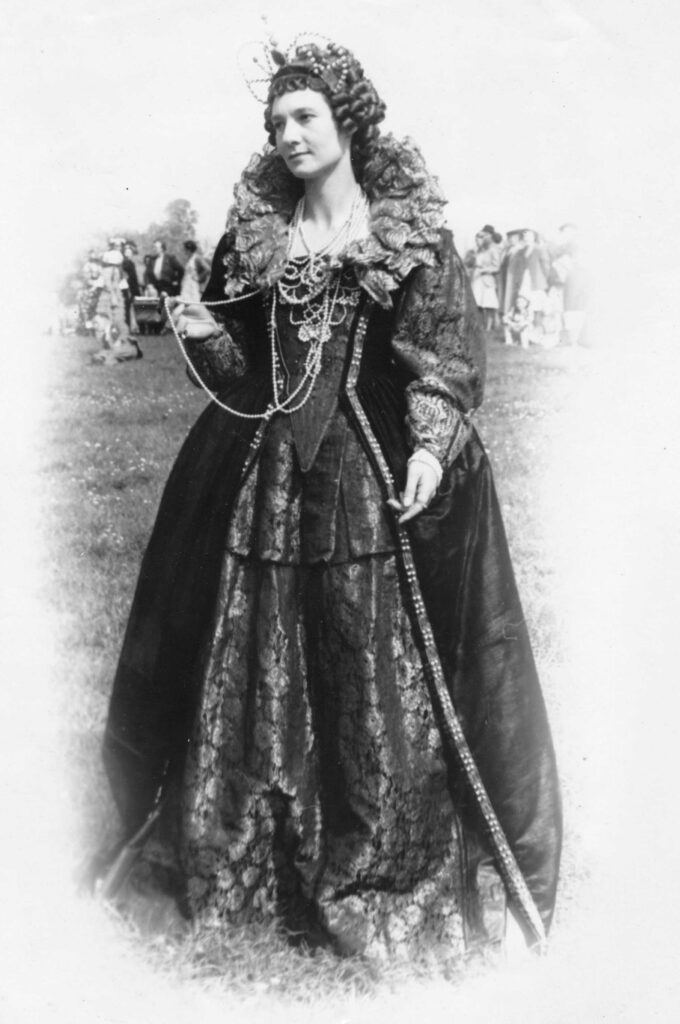
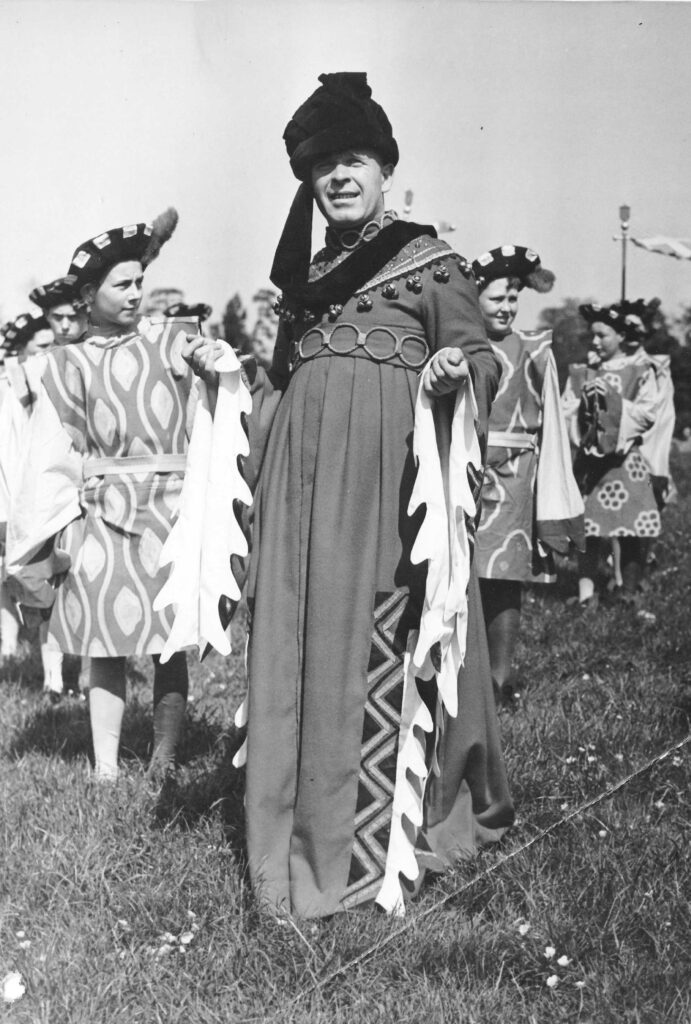
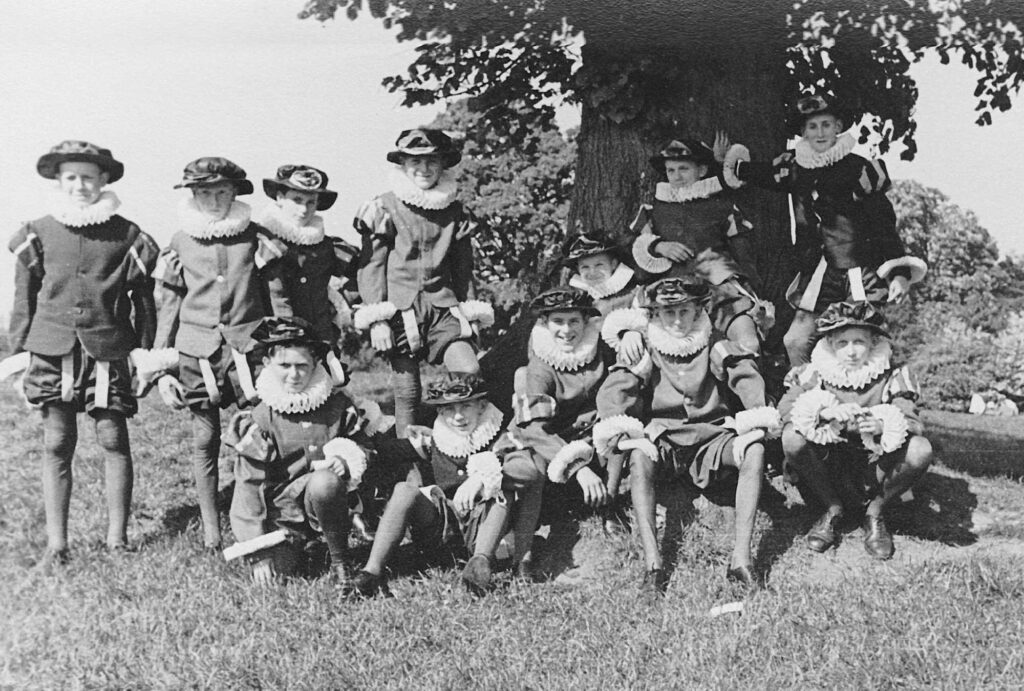
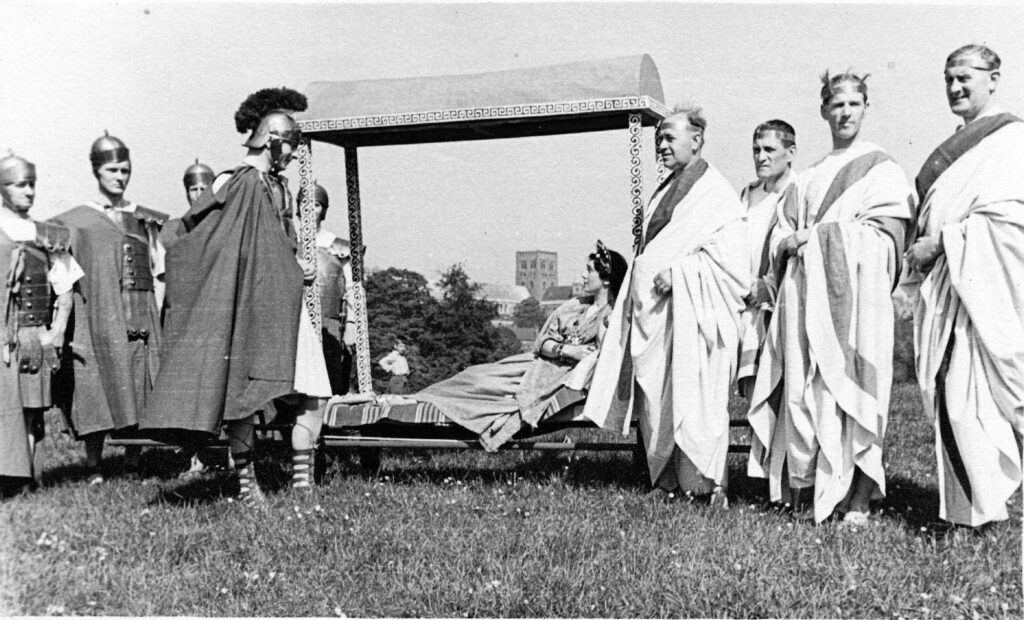
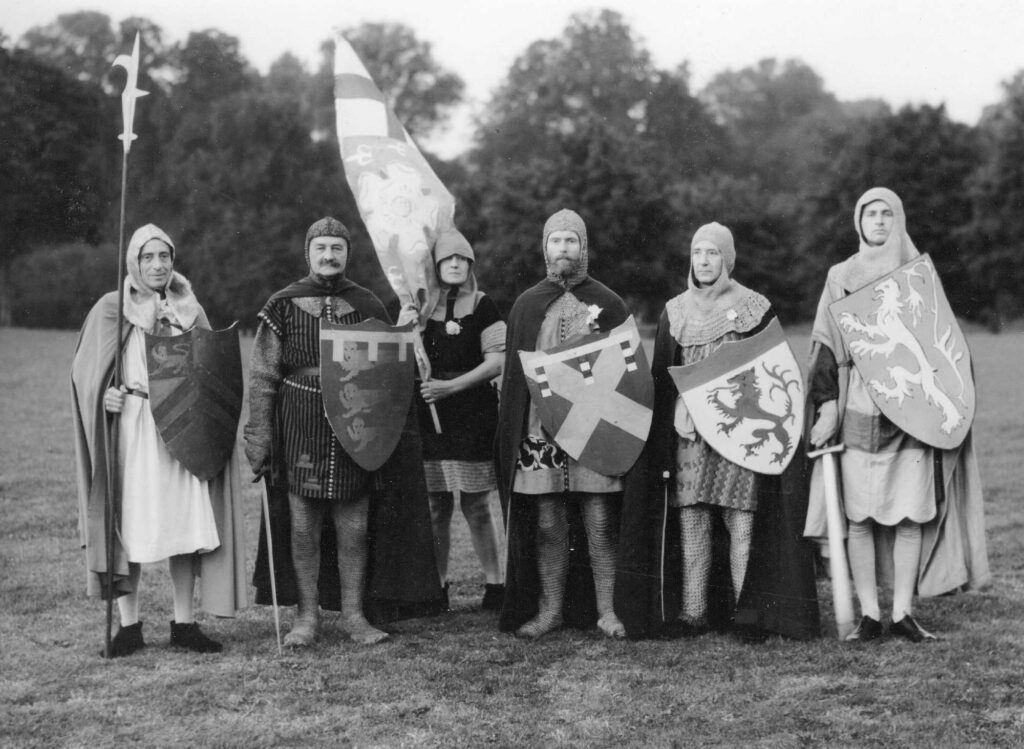
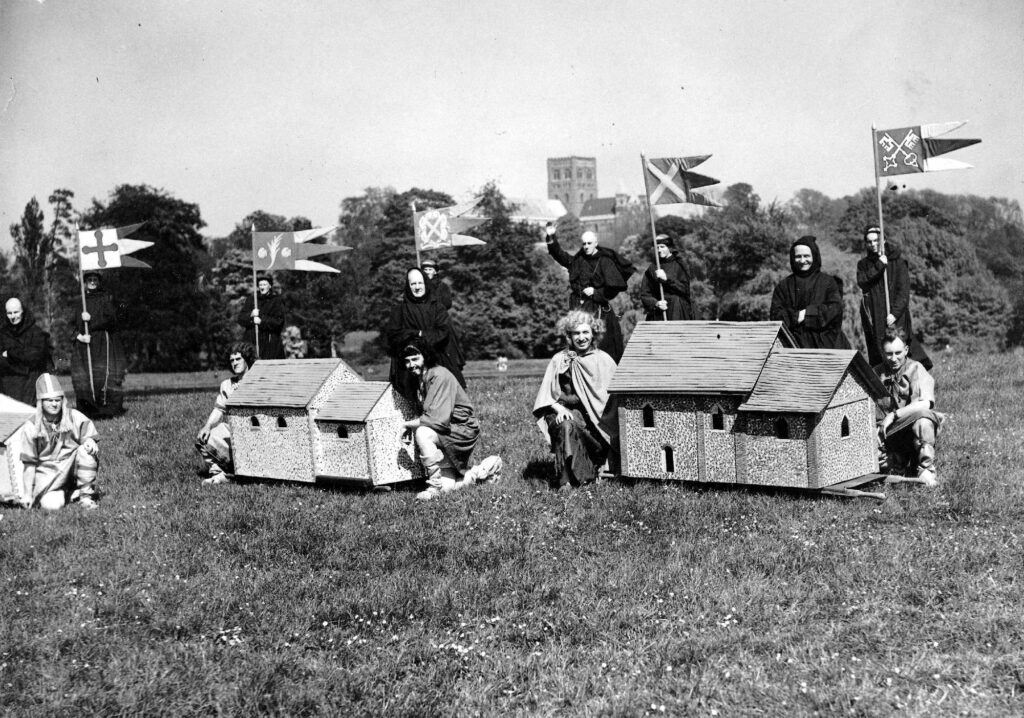
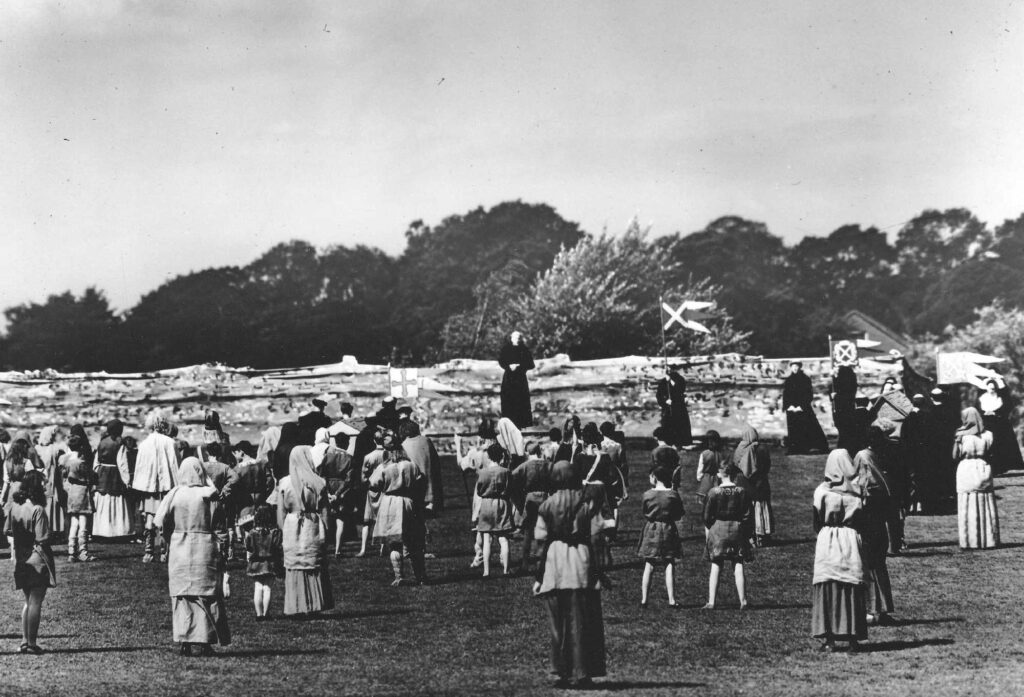
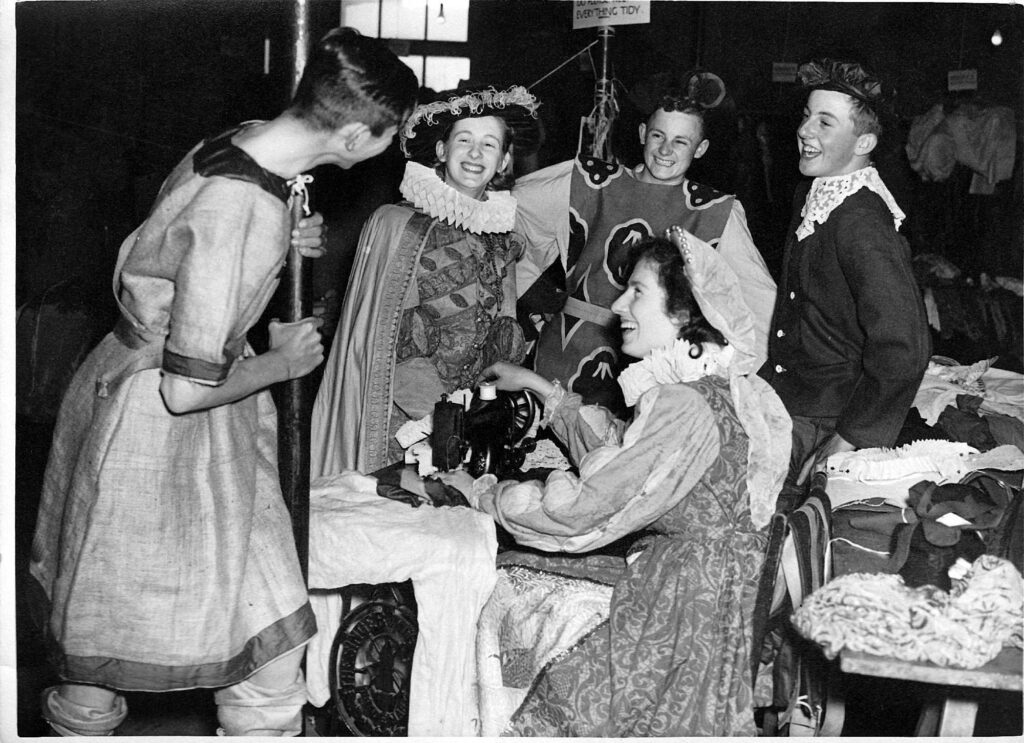
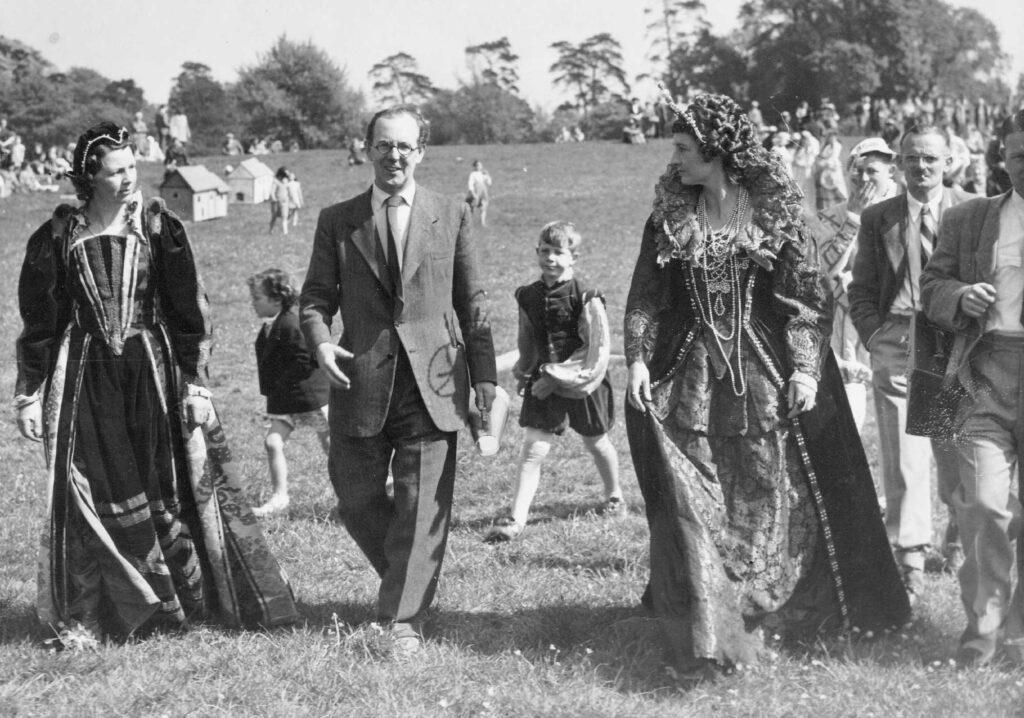
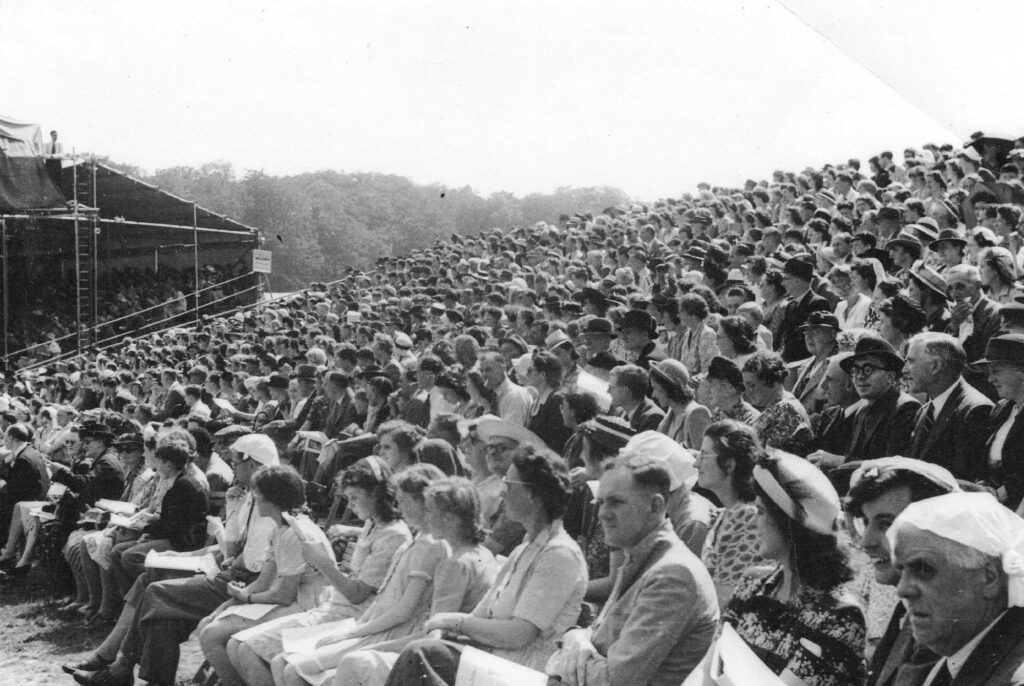
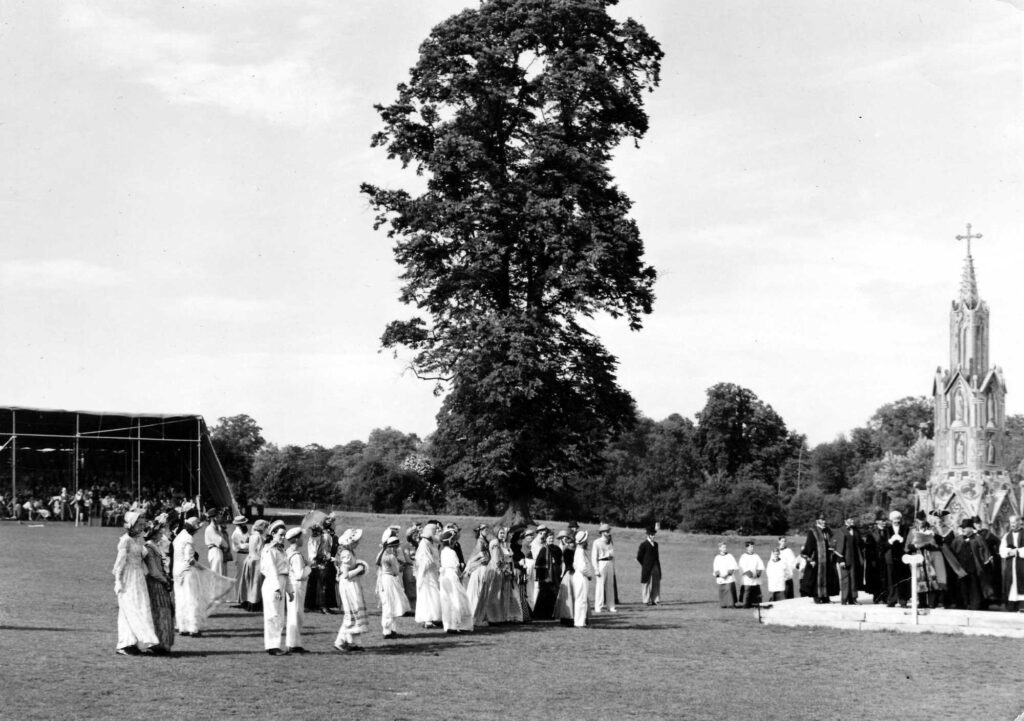
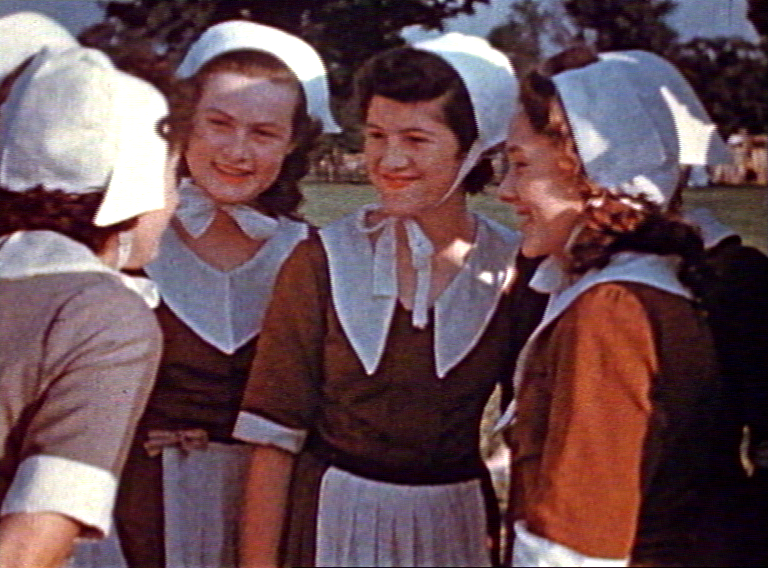
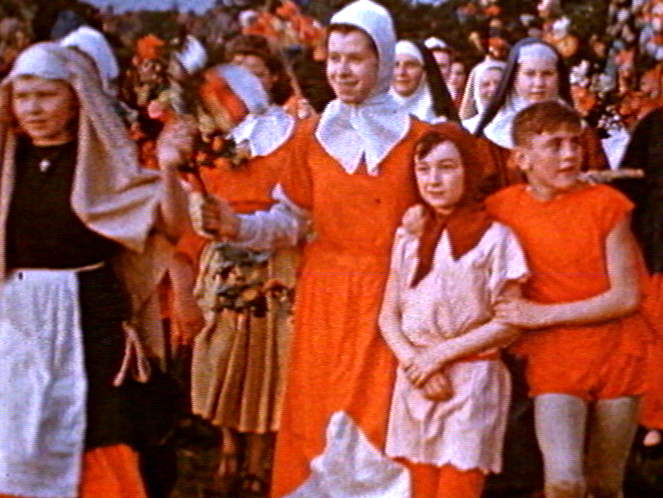
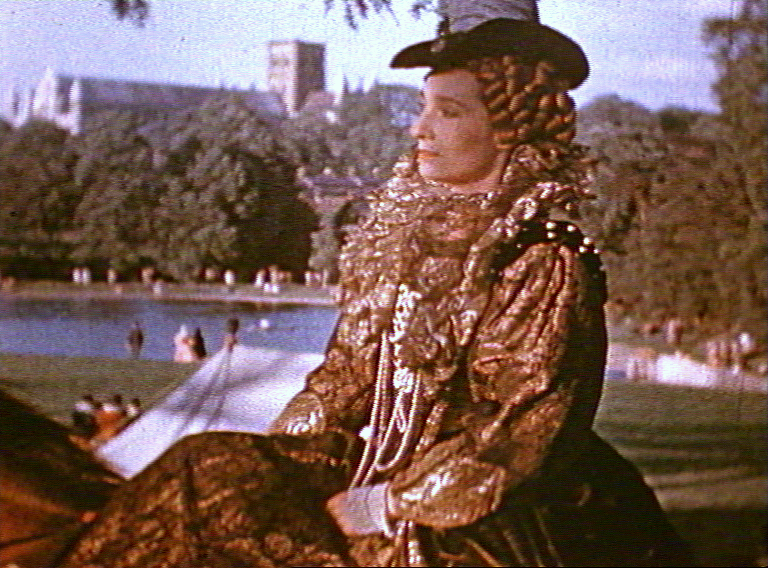
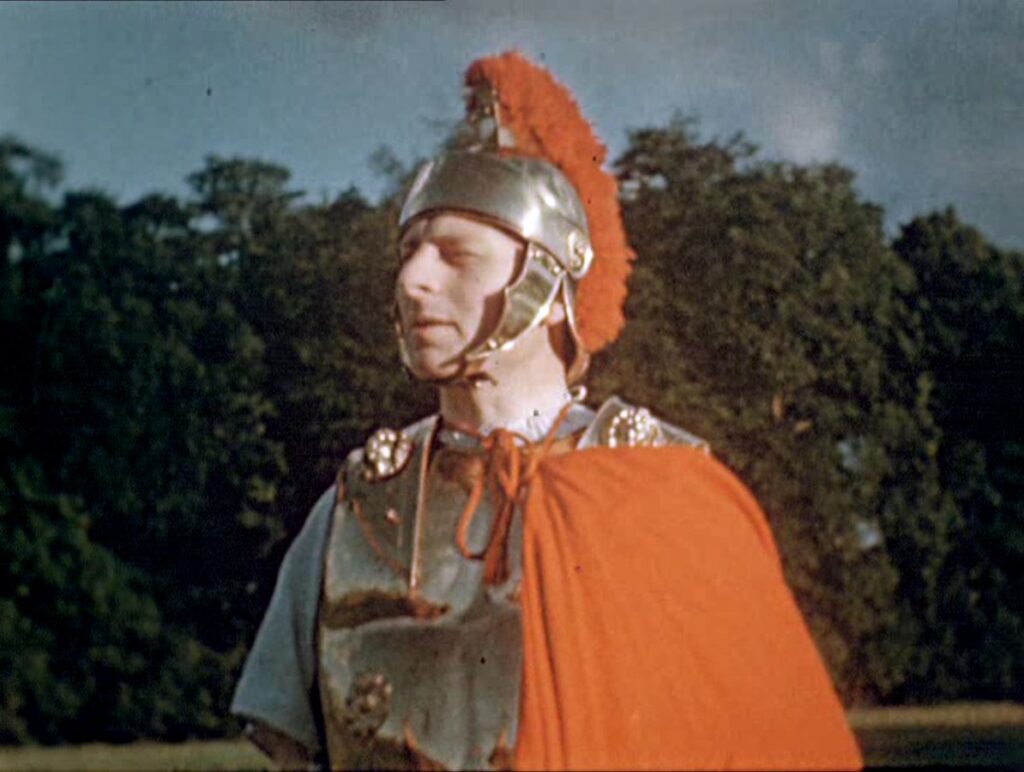
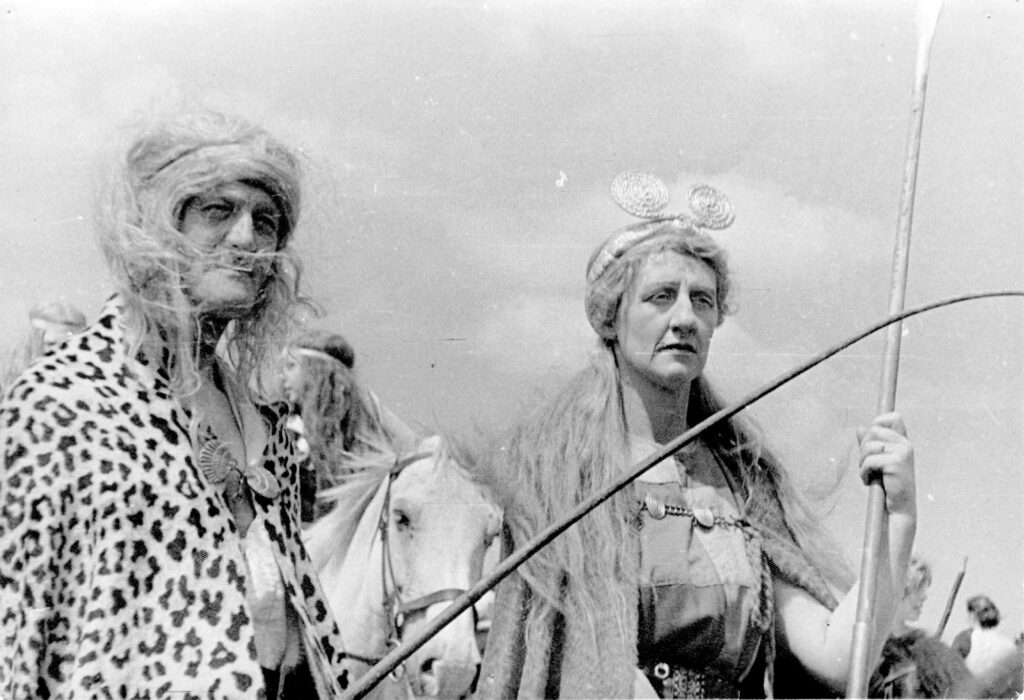
Just five years after St Albans hosted its Millenary Pageant the city staged another spectacular event in the park. The Masque of the Queens was held to celebrate the Coronation of Queen Elizabeth II, and took place between June 22-27 1953.
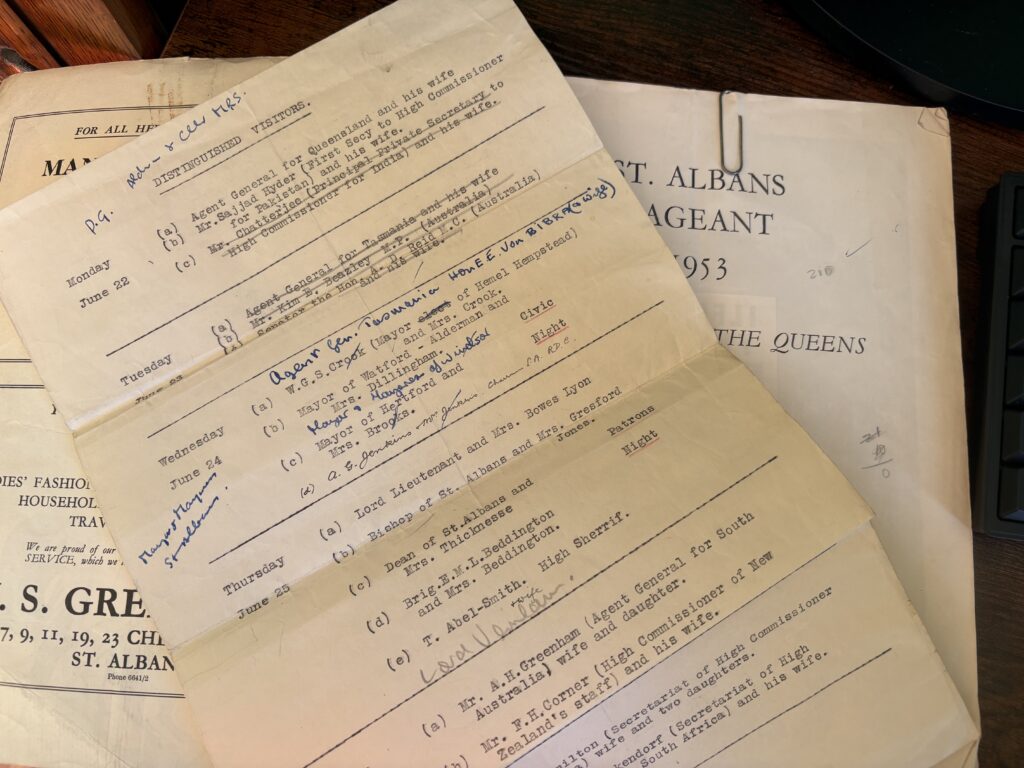
Distinguished guests included Bishop of St Albans Michael Gresford Jones, Herts High Sheriff Thomas Abel Smith, and Lord Lieutenant Sir David Bowes-Lyon, who was the younger brother of Queen Elizabeth The Queen Mother and uncle to Queen Elizabeth II.
Writing in the official souvenir programme, then Mayor of St Albans William Bird said: “Five years ago a Pageant was held in St Albans to portray some of the episodes in our long and fascinating history.
“It proved to be one of the most successful ever held in this country, and now, in Coronation Year, this new pageant has been staged, in which each event is connected with one of the many Queens who have been linked with our City’s history.”
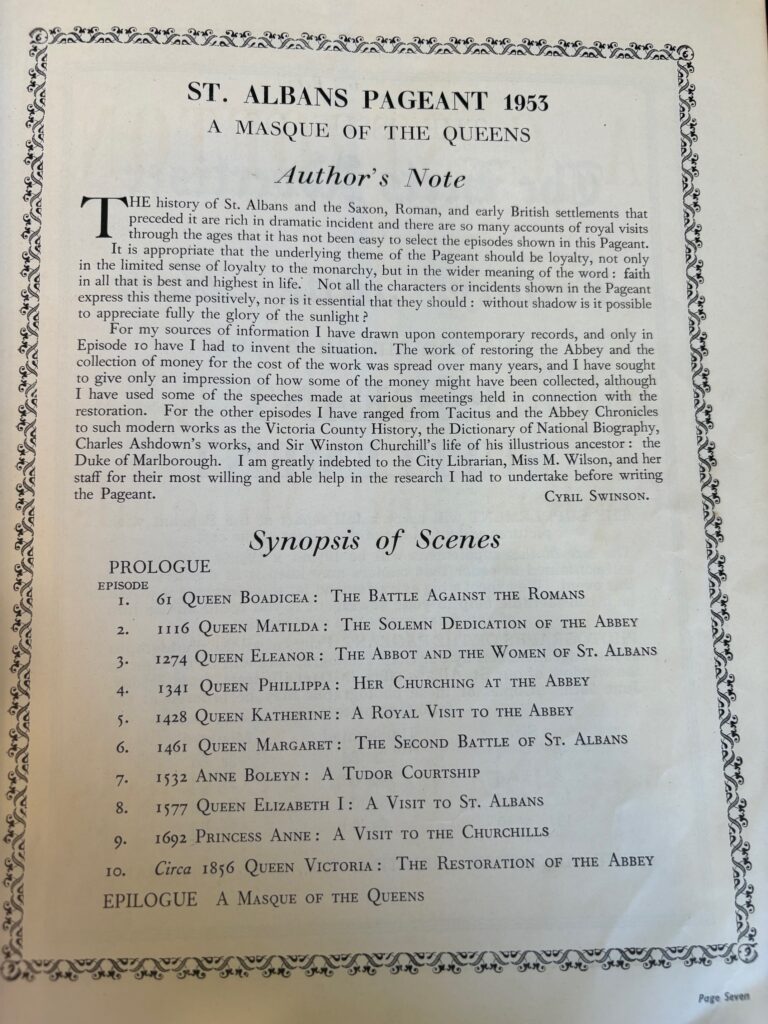
Ten episodes were written by Pageant Master Cyril Swinson and largely based upon contemporary records, with music by Lewis Covey-Crump.
They included Queen Boadicea’s battle against the Romans, a visit to Sarah and John Churchill by the then-Princess Anne in 1692, Queen Margaret and the Second Battle of St Albans in 1461, Anne Boleyn’s Tudor courtship in 1532, and Queen Matilda’s attendance at the dedication of the Abbey in 1116.
The souvenir programme produced for the event includes a complete script from the performances, together with a list of committee members responsible for putting it on and those people with speaking parts in the performance.
They included Cyril Swinson’s wife Brenda as Boadicea and Marjorie Grimston – better known as the Countess of Verulam – as Princess Anne. A full list of everyone who took part was published in an eight-page supplement of the Herts Advertiser on June 26, and included a 100-strong choir and 35-person orchestra.
An advertisement in the programme said the newspaper expected “a big extra demand for this issue” and advised readers to let their newsagent know if they required extra copies. It was in marked contrast to 1948, when paper shortages restricted the number of issues printed.
A typed list of dignitaries who attended, with handwritten notes and corrections, possibly used for this supplement, is now in the archive of the St Albans Times.
Other advertisements in the programme included renowned manufacturers of marine chronometers Thomas Mercer Ltd of Prospect Road, electrical suppliers Harry Smith of Verulam Road and Station Road in Harpenden, WM Couper car dealership in Catherine Street, Ballito Stockings and The Waterend Barn.
It also features an extensive piece on St Albans’ past by Dr Elsie Toms, who not only wrote the first comprehensive history of the city (The Story of St Albans) but was a local councillor, alderman, mayor, and magistrate.
Her article is supplemented by a look into the future by city engineer and surveyor AS Moody, which includes some fascinating predictions on how St Albans was to develop in the second half of the 20th century, especially in light of recent housebuilding demands from the Government.
“The future St Albans will be a pleasant place, retaining the best of the old combined in a harmonious way with the modern development and presenting a picture of an English city growing and changing through the centuries.
“Although the built-up area of the City must expand, it will not be allowed to sprawl but will be contained within well defined limits, and the homely Hertfordshire countryside will continue to encircle the old City, as it has done for centuries.
“If the present plans come to fulfilment, it will be a more or less self-contained community, with employment facilities for its citizens in the City area or in the industrial undertakings in the adjacent parts of the county. It will be inevitably a town from which many workers will continue to travel to work in London, and the possible electrification of the main line railway will shorten and ease the burden of travelling, Nevertheless it will remain a market town in character acting as a centre for the surrounding villages and countryside.”
Moody says it was unlikely the general appearance of St Albans would be radically altered, and any new areas developed to the north, north-east and west of the city would need to be provided with churches, shops, pubs and other communal facilities, alongside open spaces and playing areas.
His final comments reflect the plans which were already in progress for the creation of the Civic Centre area, and rather optimistically suggested an end to congestion in the city centre.
“The area between St Peter’s Street and Upper Marlborough Road, will be developed as a Civic Centre, so that the Administrative Offices of the City Council, County Council, Government Departments, the Court House, Police Station, Public Hall and so on, can all be brought together for the convenience of the citizen, and to enhance the dignity of the City.
“The construction of new bypass and arterial roads will take the heavy long-distance lorry traffic out of the City, and additional car parks and a bus station in the centre of the town will relieve the congestion on the highways which exists to-day.”
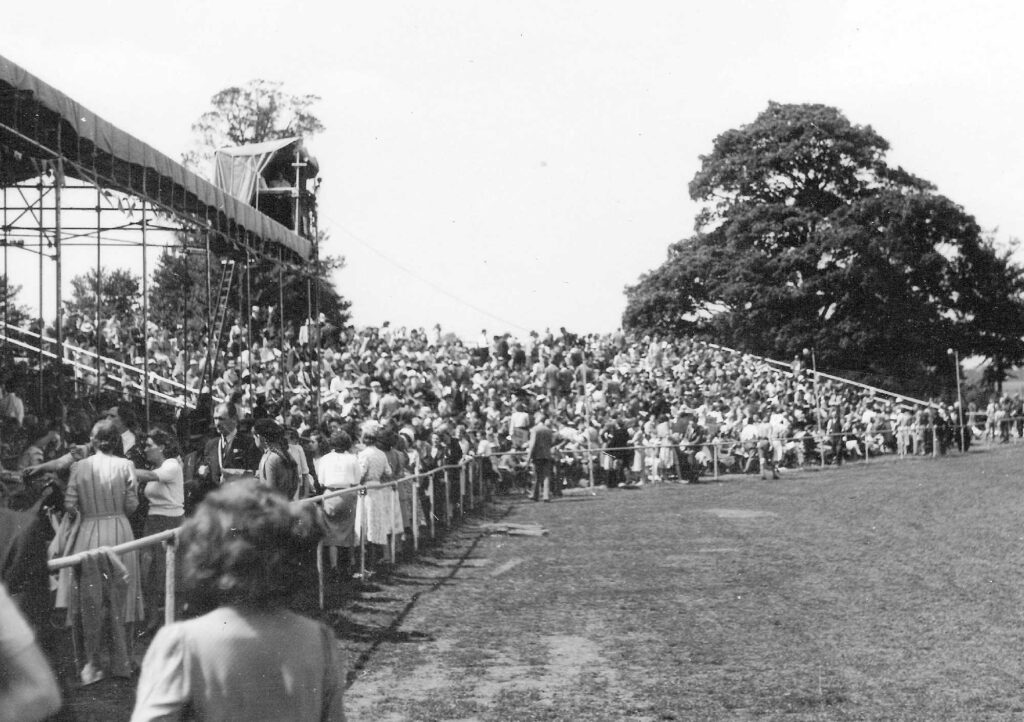
Unfortunately the 1953 pageant made a loss, mostly due to disappointing audiences, which saw just two-thirds capacity fill the grandstand seated area across all seven performances, although it was fondly remembered by those who attended and took part. It proved to be the last outdoor pageant staged in St Albans, bringing an end to the era of large theatrical productions of this scale.
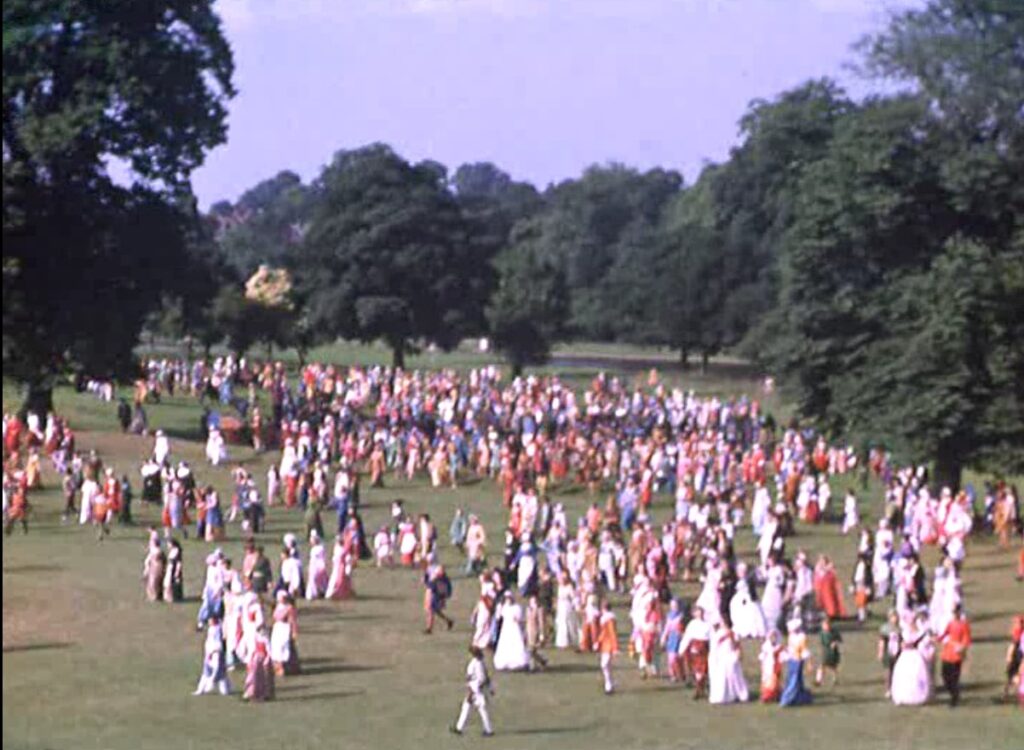
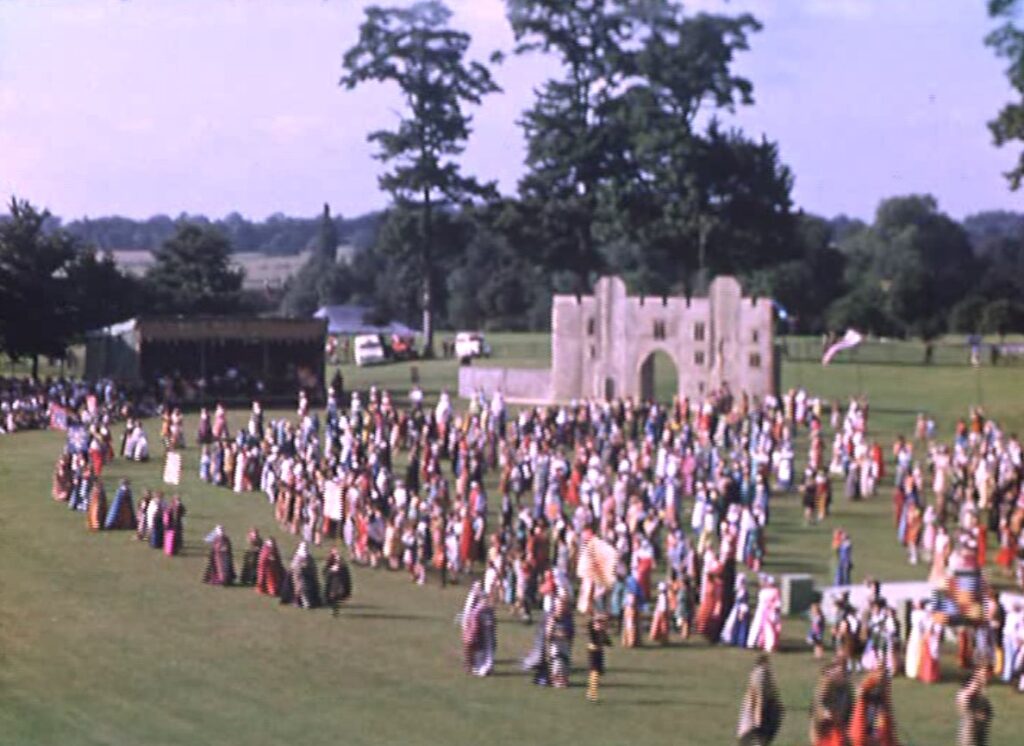
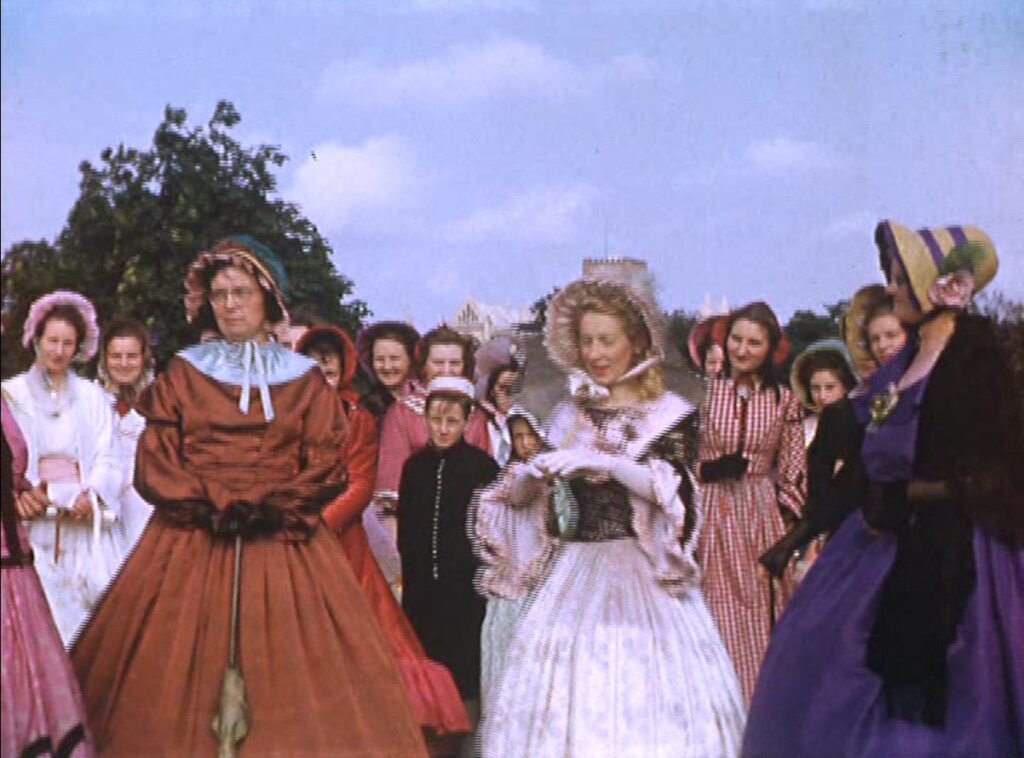
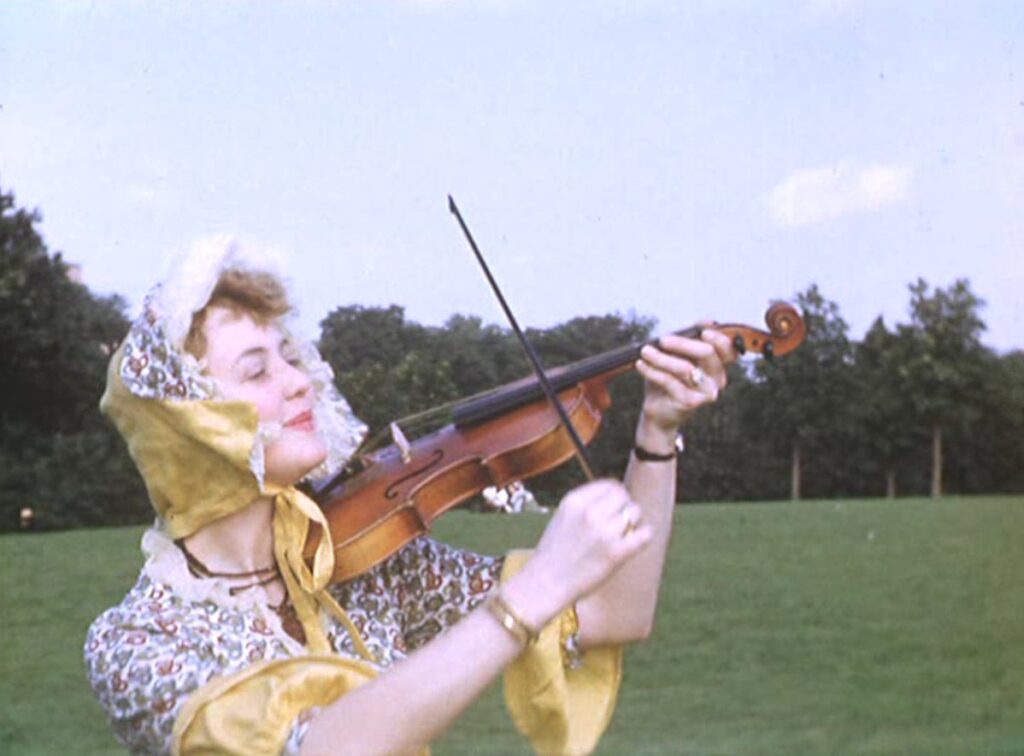
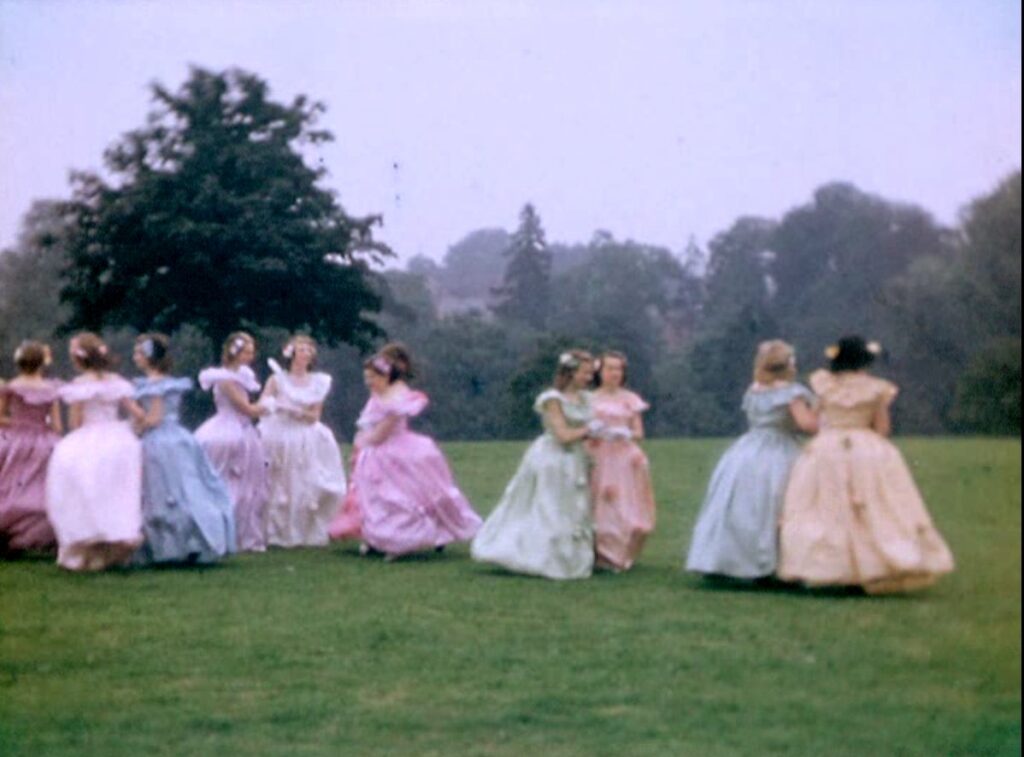
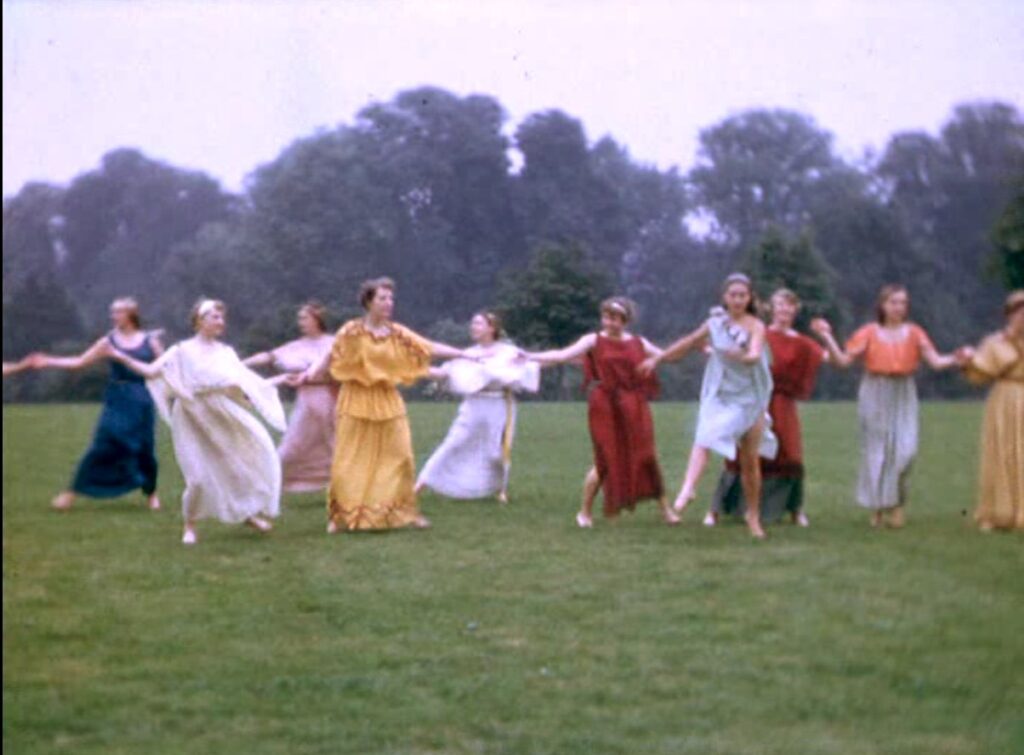
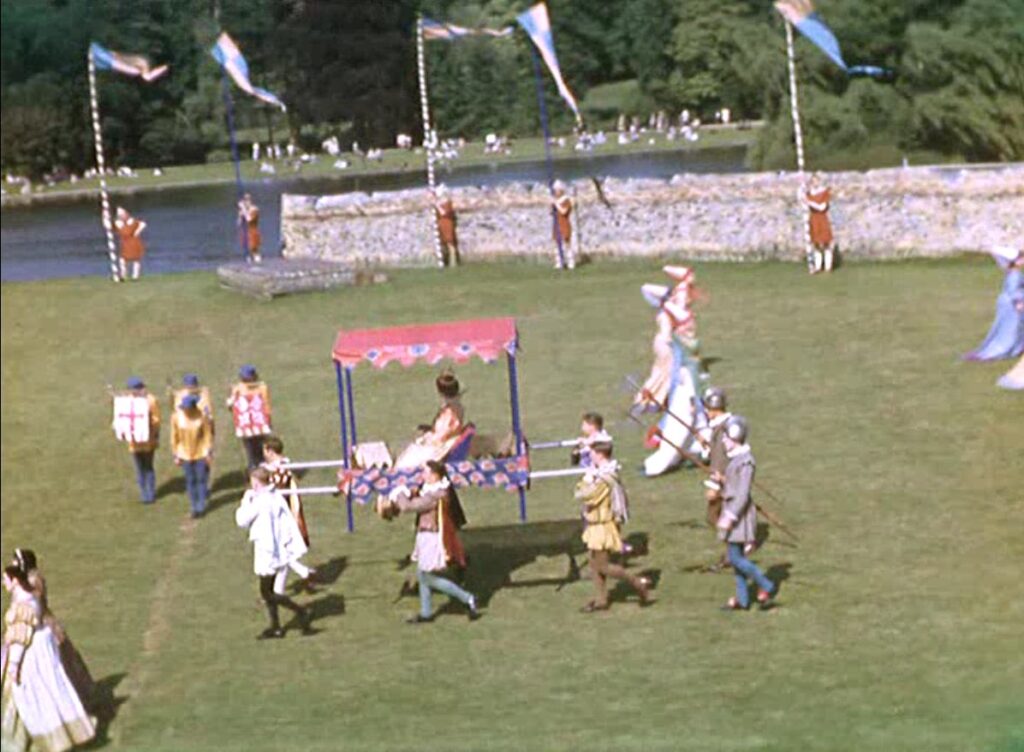
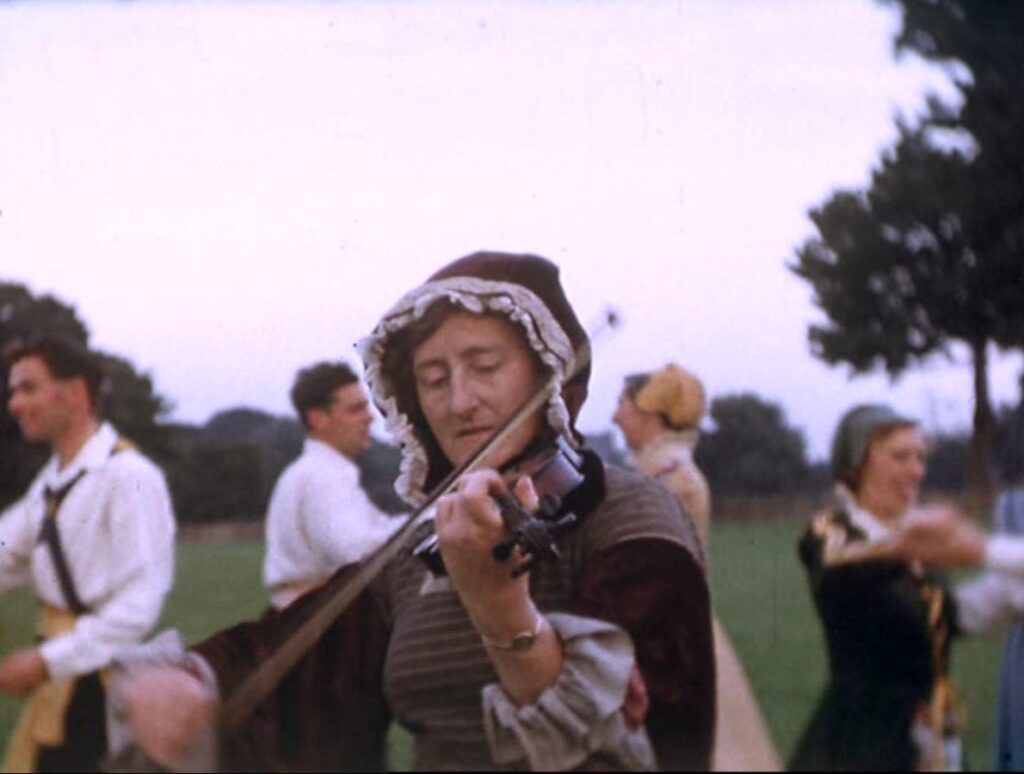
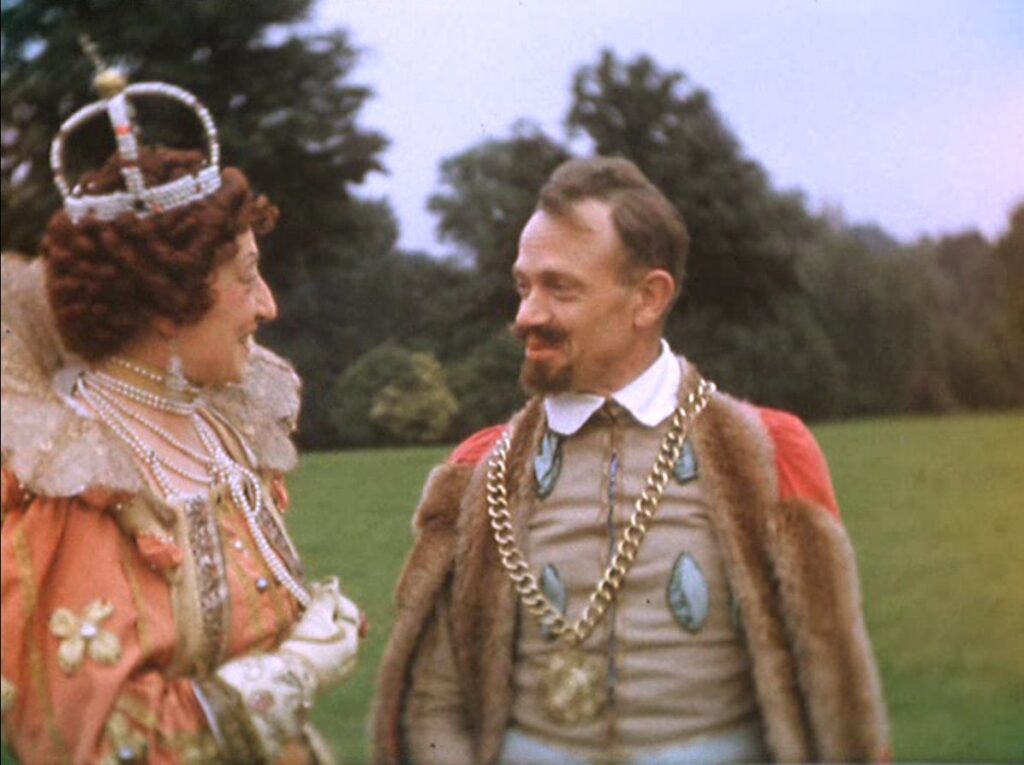
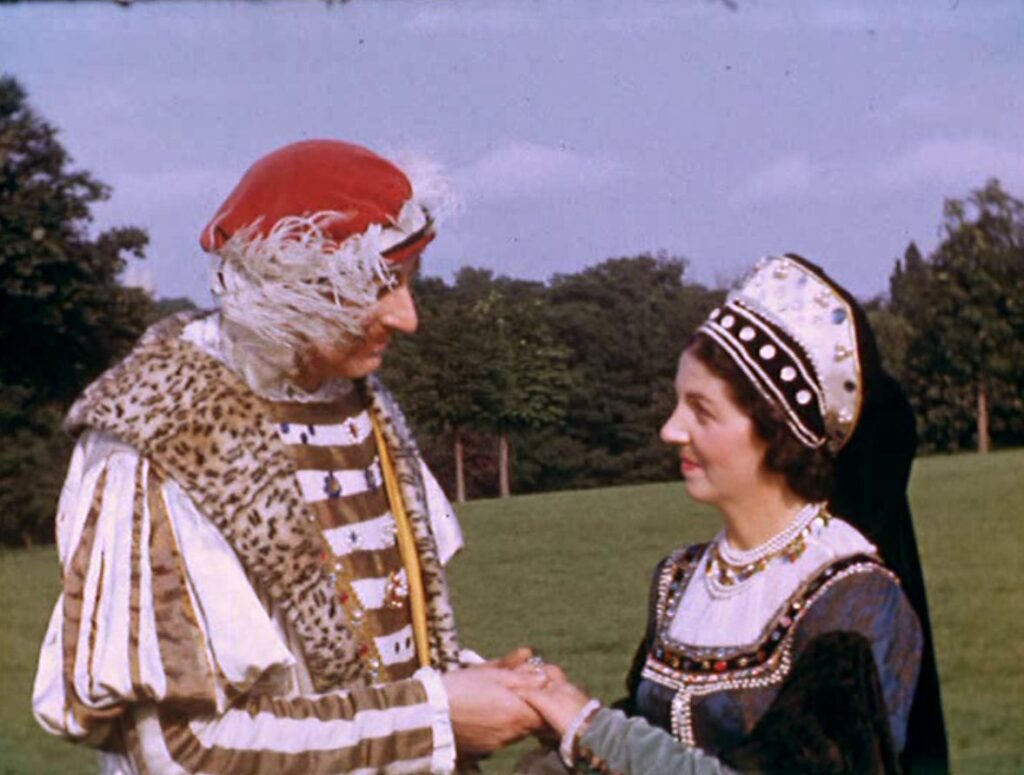
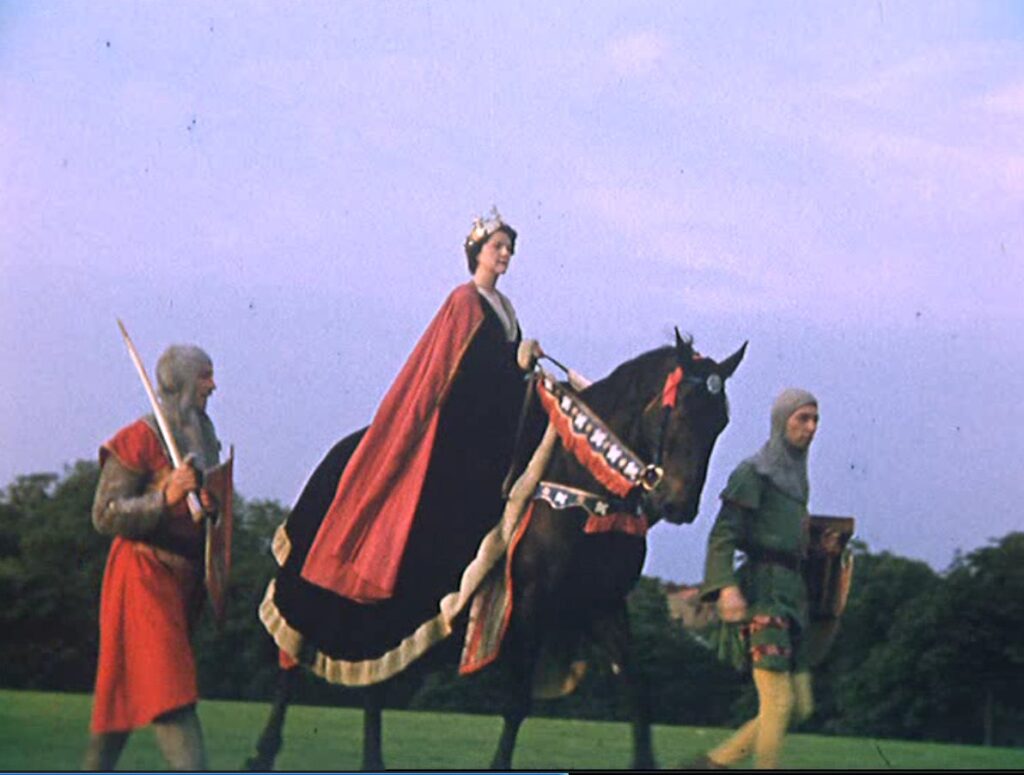
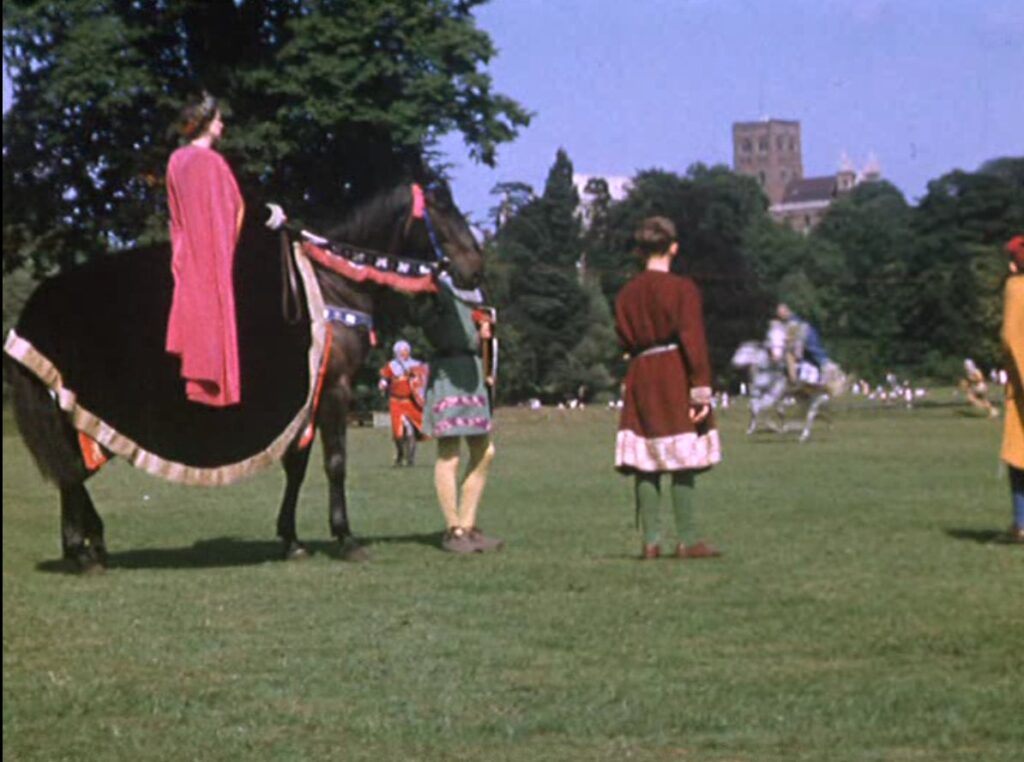
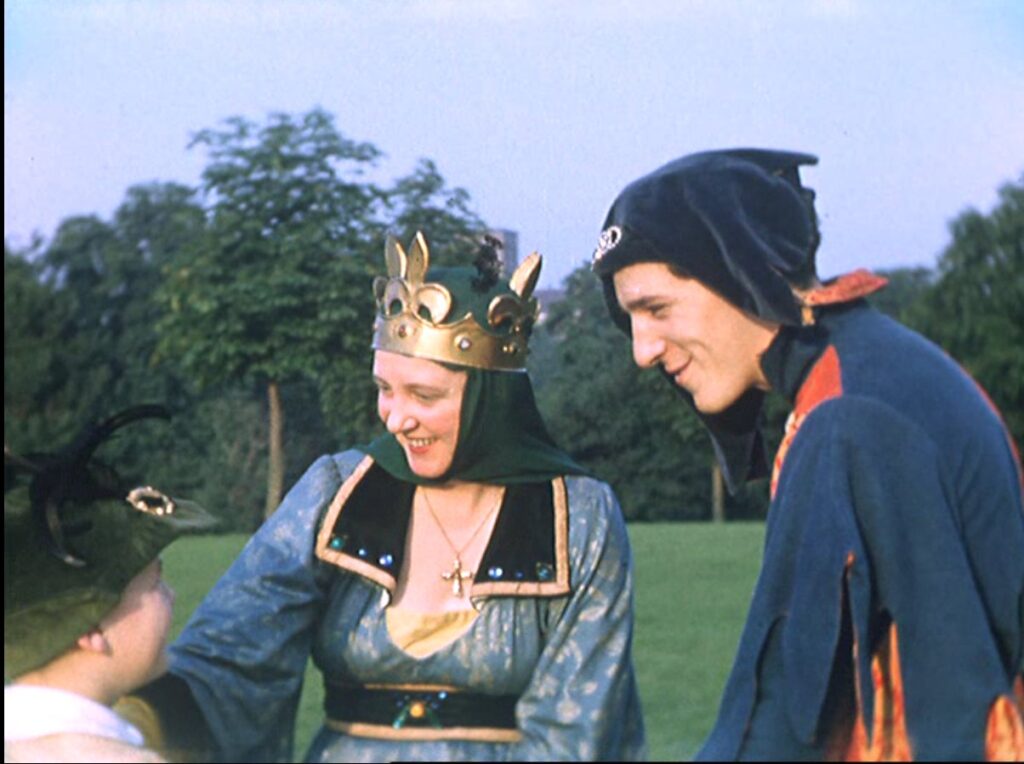
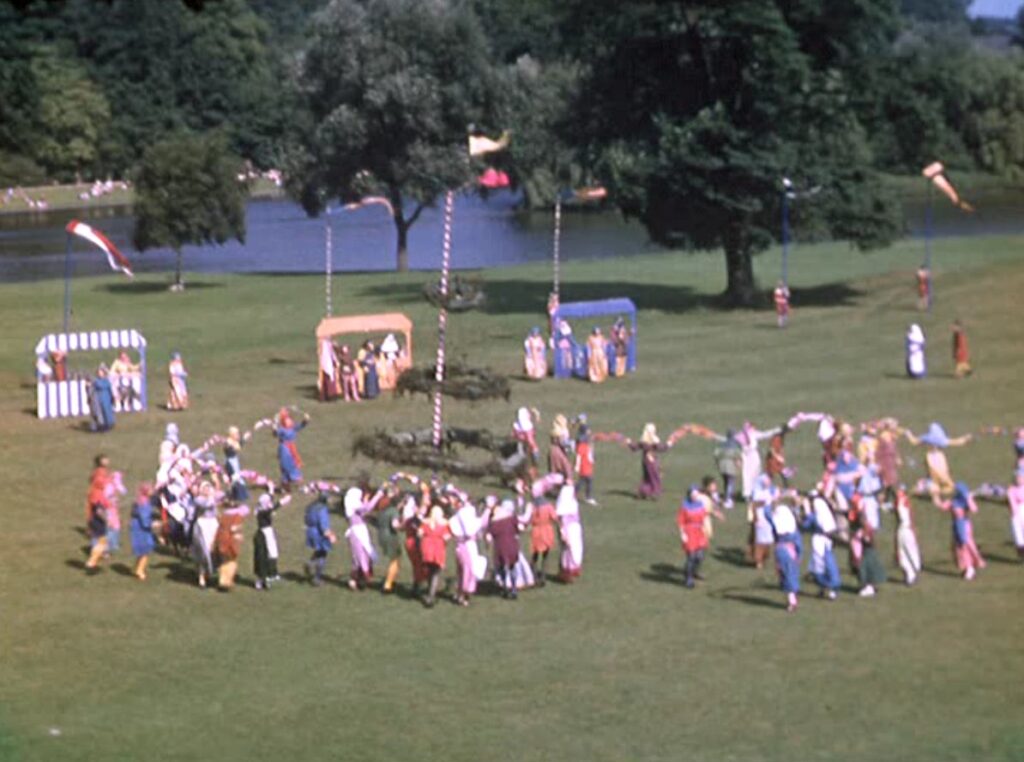
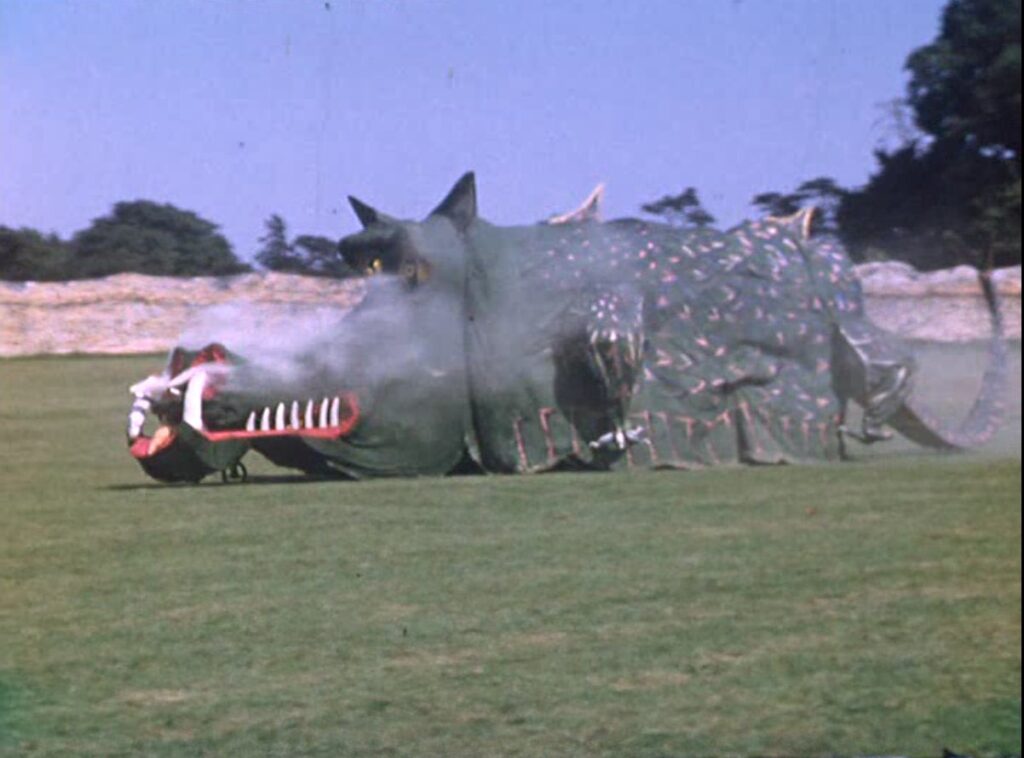
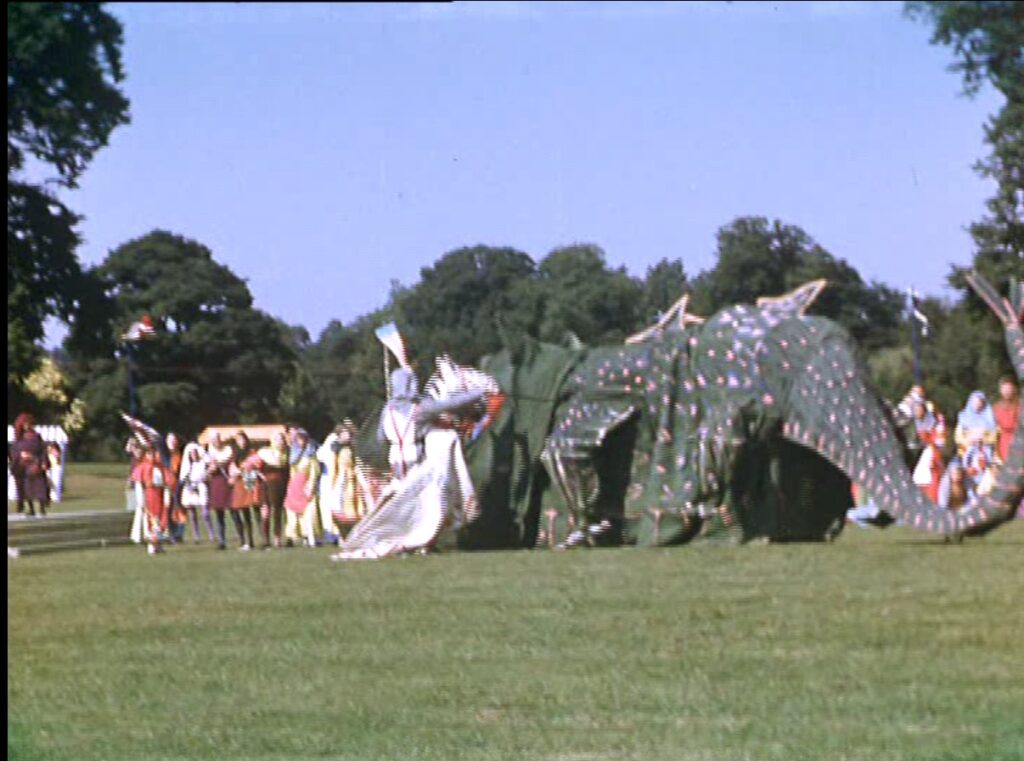
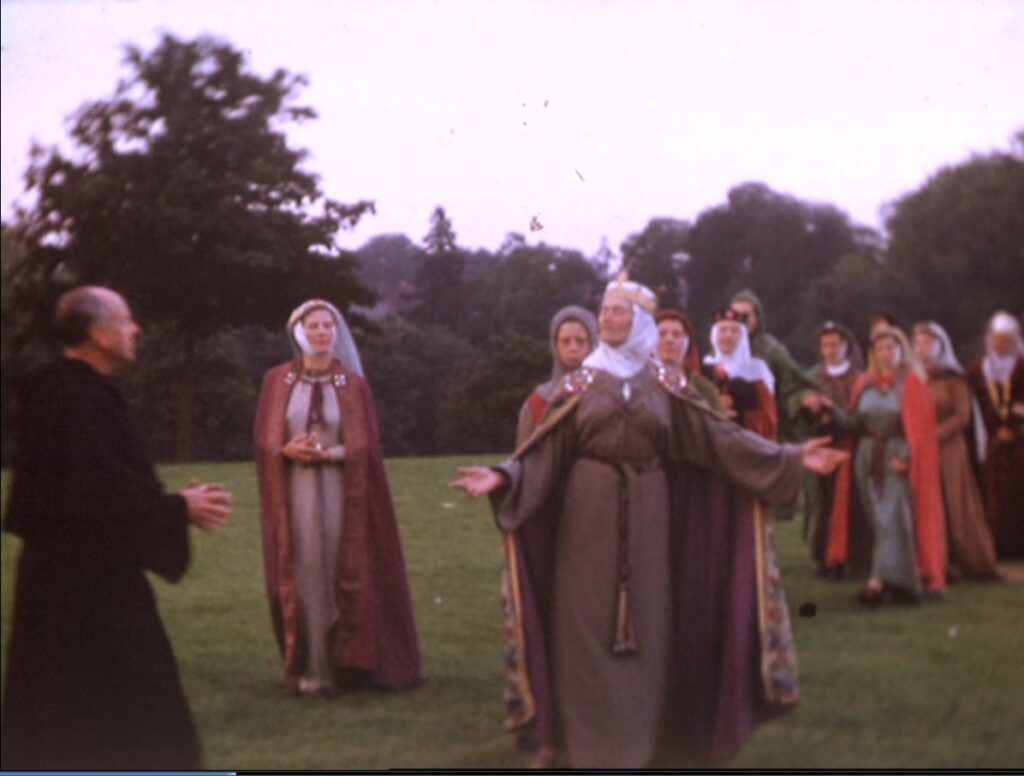
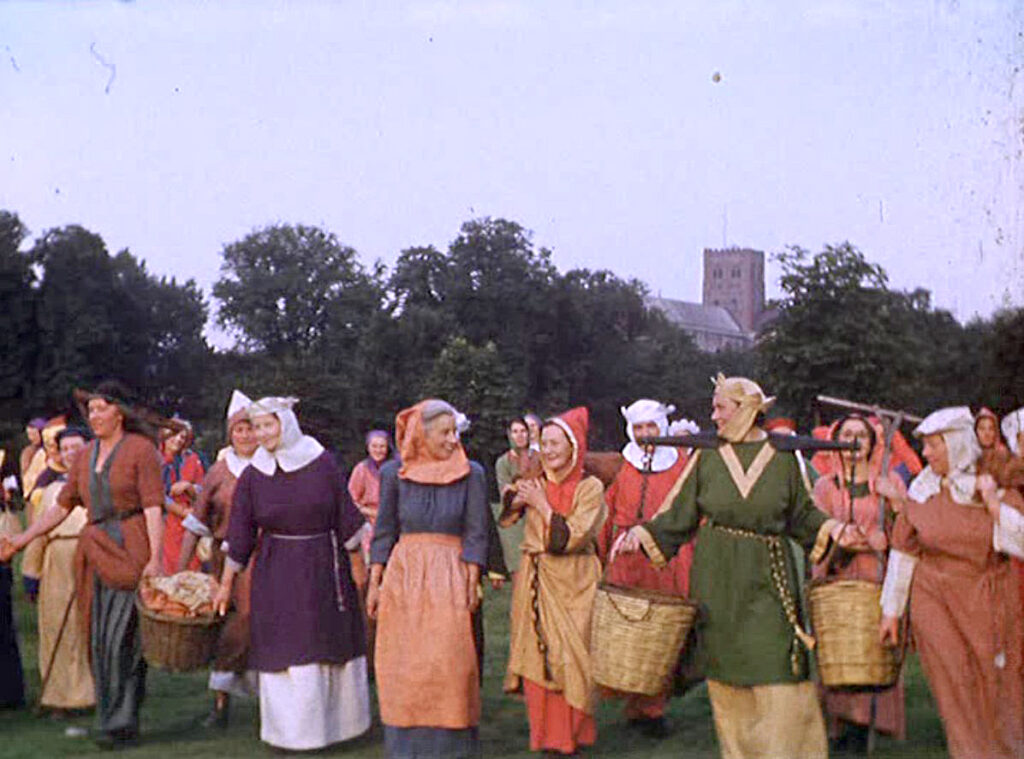
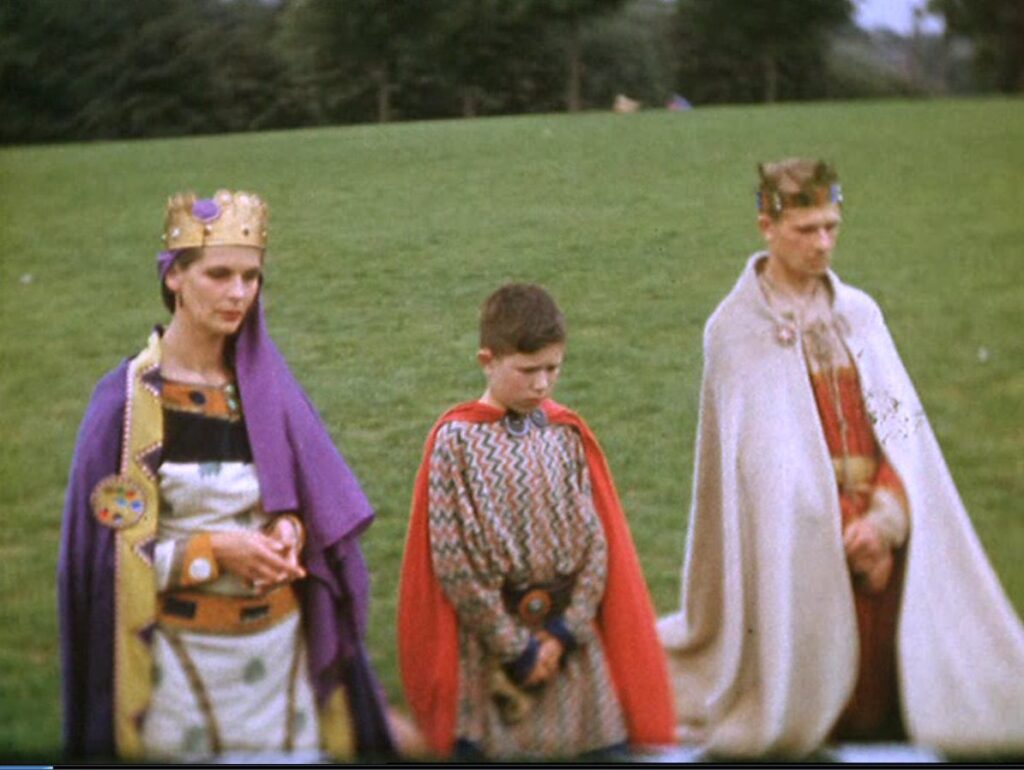
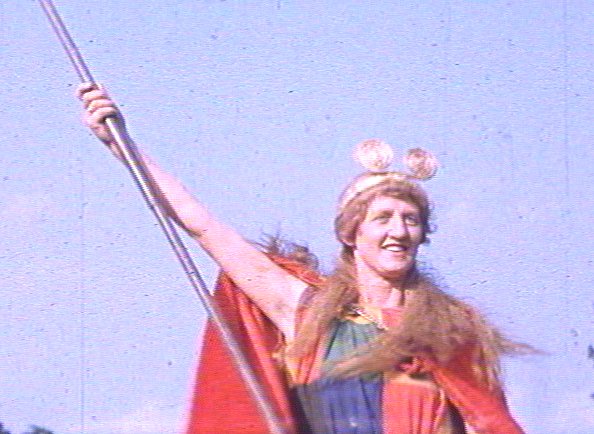
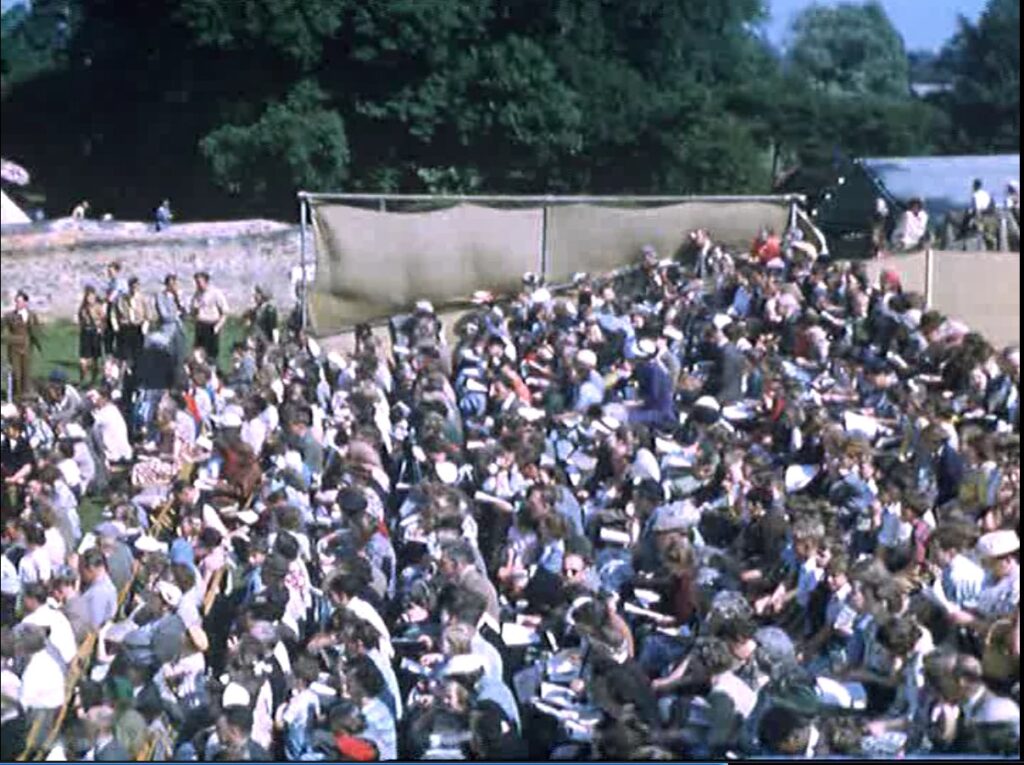
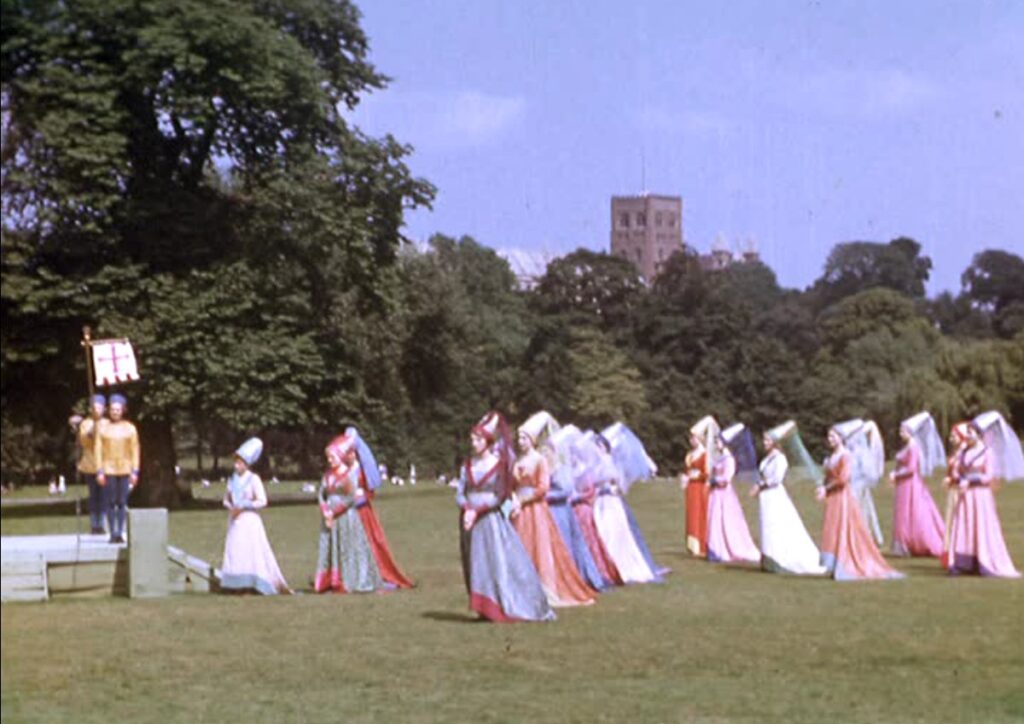
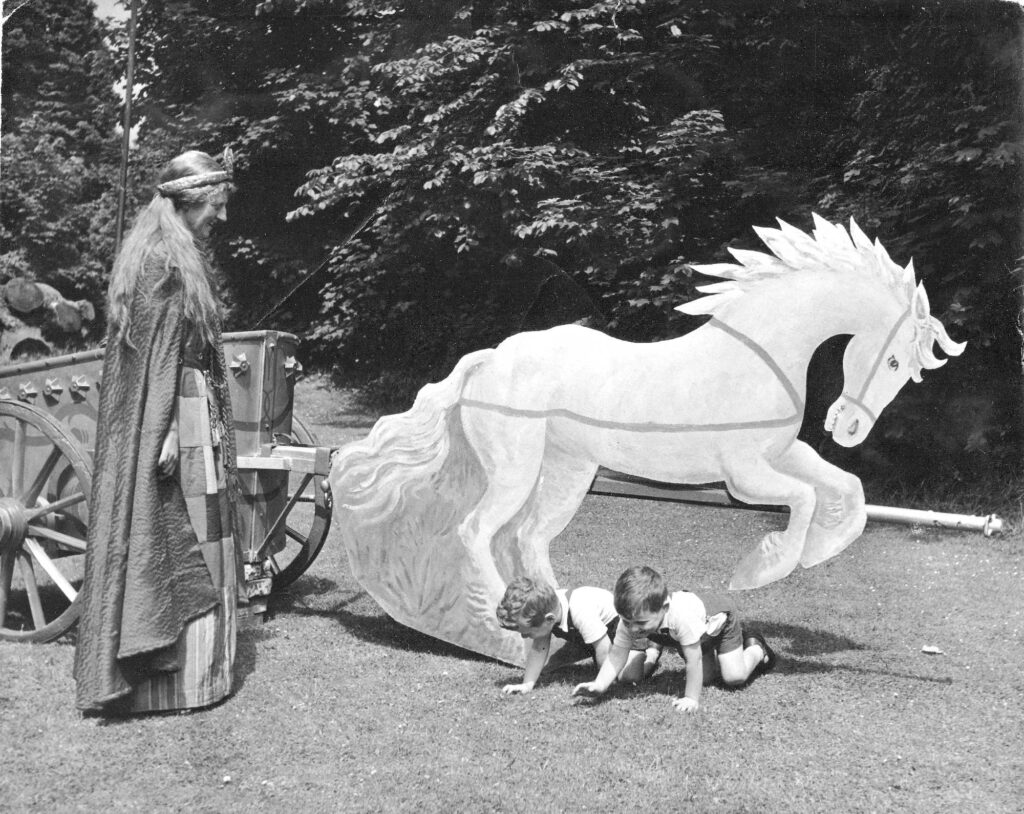
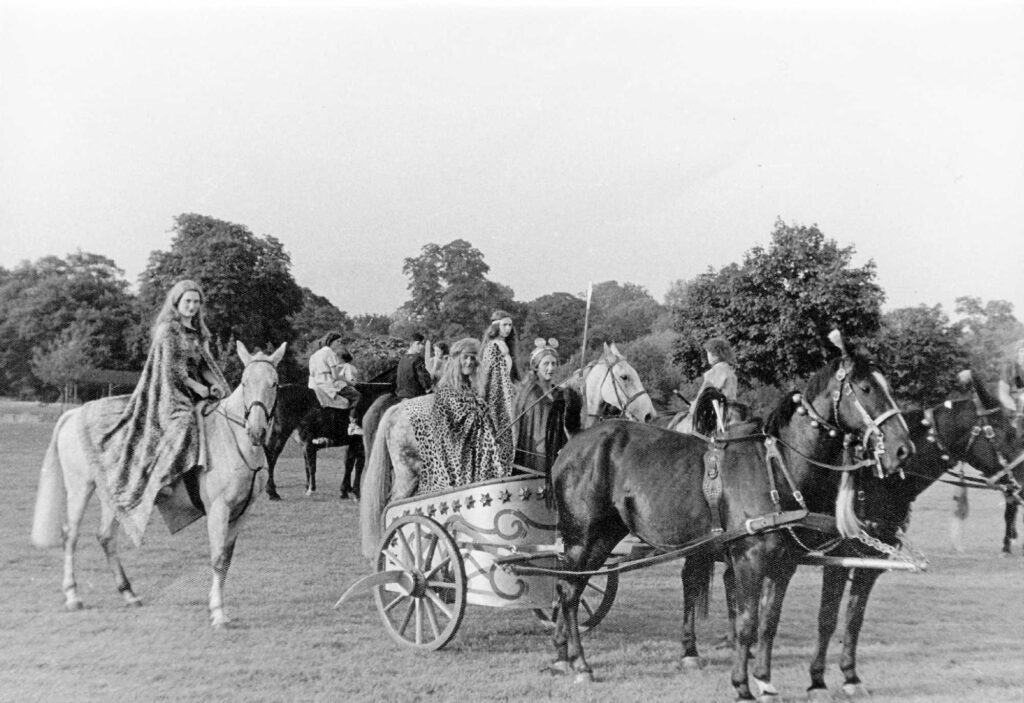
Peter Swinson recently supplied colour films of both the 1948 and 1953 events to the University of East Anglia’s film archive (EAFA), which are now available to view on their website.
He explained: “The [original] films were offered to St Albans council, however they just passed them on to dad and as far as I know were never projected in his lifetime – he died aged 52 in 1963. He had led a very full life, writing and directing several other pageants across the UK. He was a director of the publishers A C Black and wrote prolifically on the British Ballet.
“As I spent my life in the technical side of the film industry (working for The Rank Organisation) I had access to film scanning facilities and was able to fully restore the films to digital files and then provide them to the East Anglian Film Archive.”
Although he was born in September 1948 and therefore after the first production, Peter was old enough to remember its successor.
“I do have vague memories of the 1953 Pageant, especially of the chariot that my mother rode as Boadicea. It was kept in our garden. Dad had purchased Abbey Mill House, at the bottom of Abbey Mill Lane in 1952 and we had a very large garden where quite few of the pageant props were stored in various outbuildings, including the dragon. I remember crawling inside it to find it was powered by two chaps on bicycles.
“A few years later, my dad gave a large barn that was in the garden to the local amateur dramatic society Company of Ten. For many years it became the local theatre, until in 1968 the COT built the Abbey Theatre. The pageants were often discussed by those who appeared in them as many were also members of the Company of Ten.
“The pageants were still widely discussed well into the 2000s. At a 2003 film presentation one lady pointed out her mother in close-up and told me she was now in a home and had almost no memory of anything. She asked if I could provide a still from the film. I actually supplied the whole scene on DVD and was pleased when the lady let me know that on seeing the film her mother’s memory came rushing back and she ‘came to life’ remembering her time in the pageant.”
He added: “The pageants were probably the largest performances held in St Albans, and I believe the audience totals exceeded 20,000 over the weeks they were held.
“While practically all those involved with the pageants are no longer with us, their children, grandchildren, great-grandchildren, great-great grandchilden and indeed great-great-great-grandchildren may well like to see their forebears in action.”
You can see the 1953 pageant here: https://eafa.org.uk/work/?id=W463991
And the 1948 pageant here:
Additional sources: historicalpageants.ac.uk, www.stalbansmuseums.org.uk