02 Apr 2025
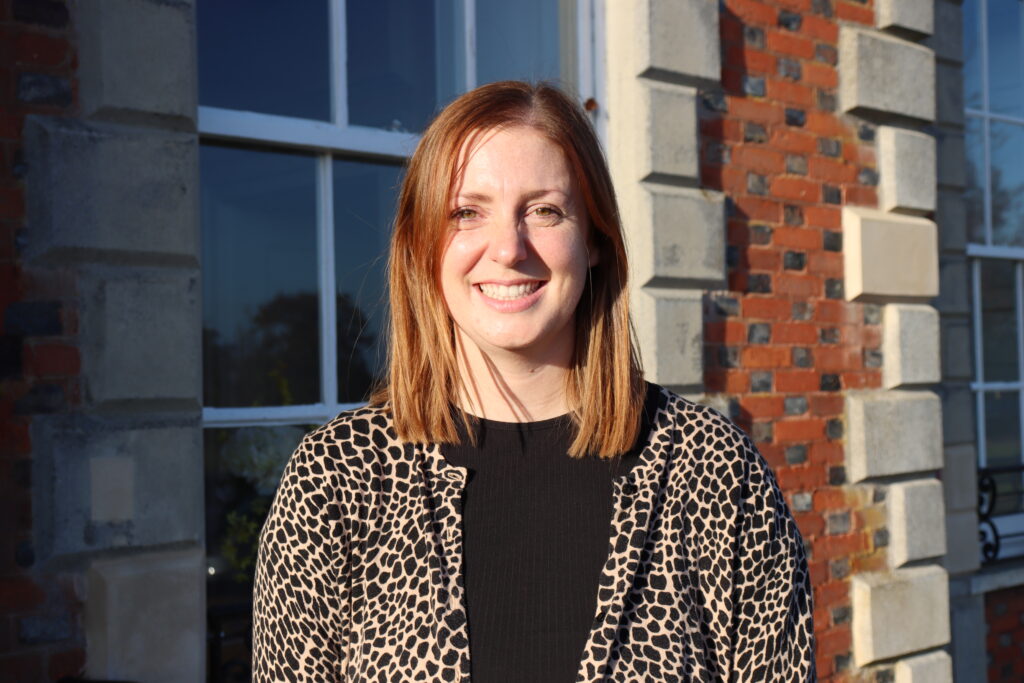
Judith Waiting, head of Personal, Social and Health Education (PSHE) at Beechwood Park School in Markyate, looks at the lessons we can learn from the hit Netflix drama series.
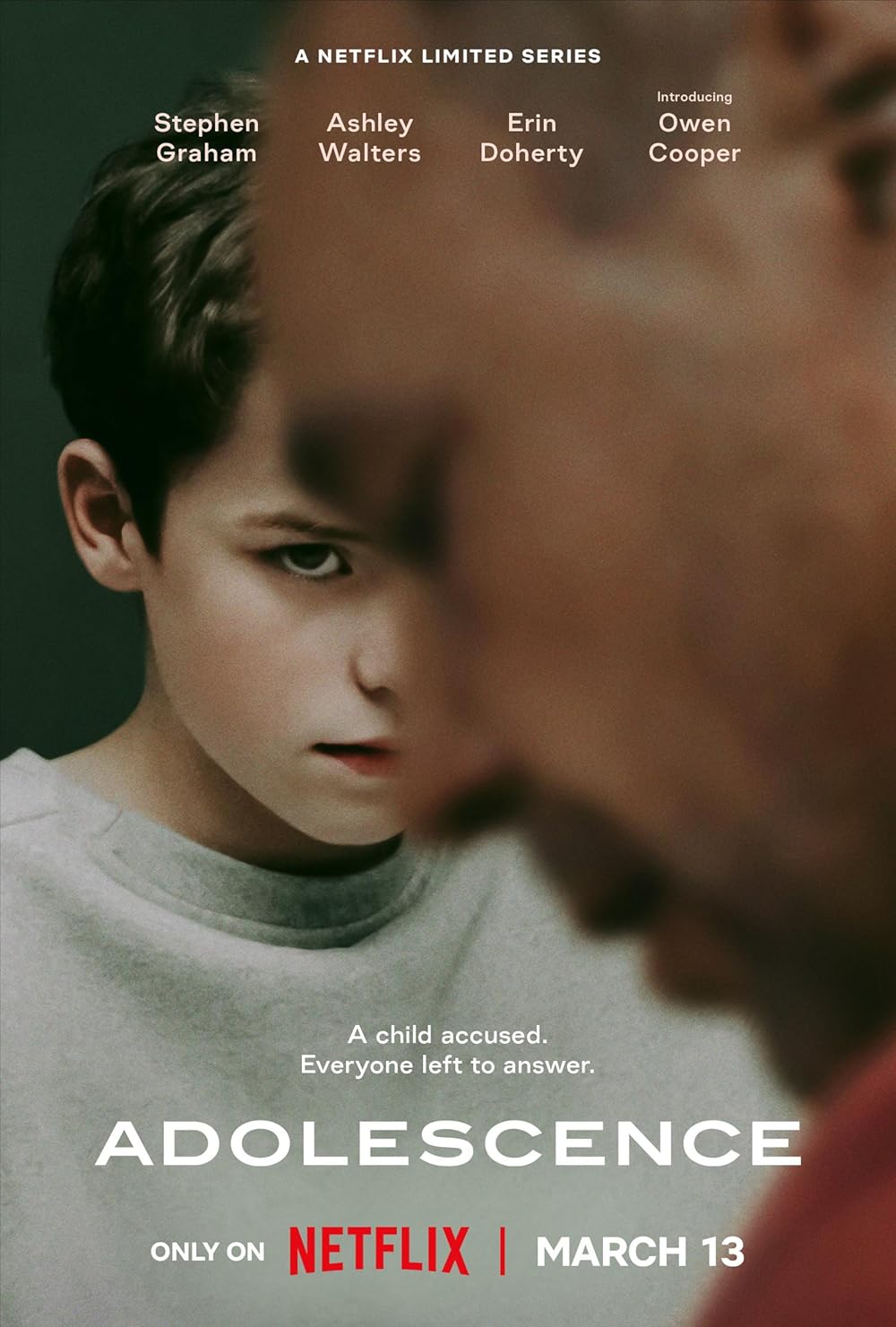
Having recently watched the Stephen Graham drama ‘Adolescence’ on Netflix, although a very difficult watch at times, I have been encouraged by how much it has brought an incredibly difficult subject into the spotlight.
Alongside the brilliant acting and film making it raises conversations about complex issues such as misogyny, online bullying, identity and social media use, among others, and highlights the intricacies of growing up in today’s society.
The pre-teen and teenage years are a time of significant physical, cognitive and psychosocial changes, a time of self-discovery and challenge, exploring identity and pushing boundaries.
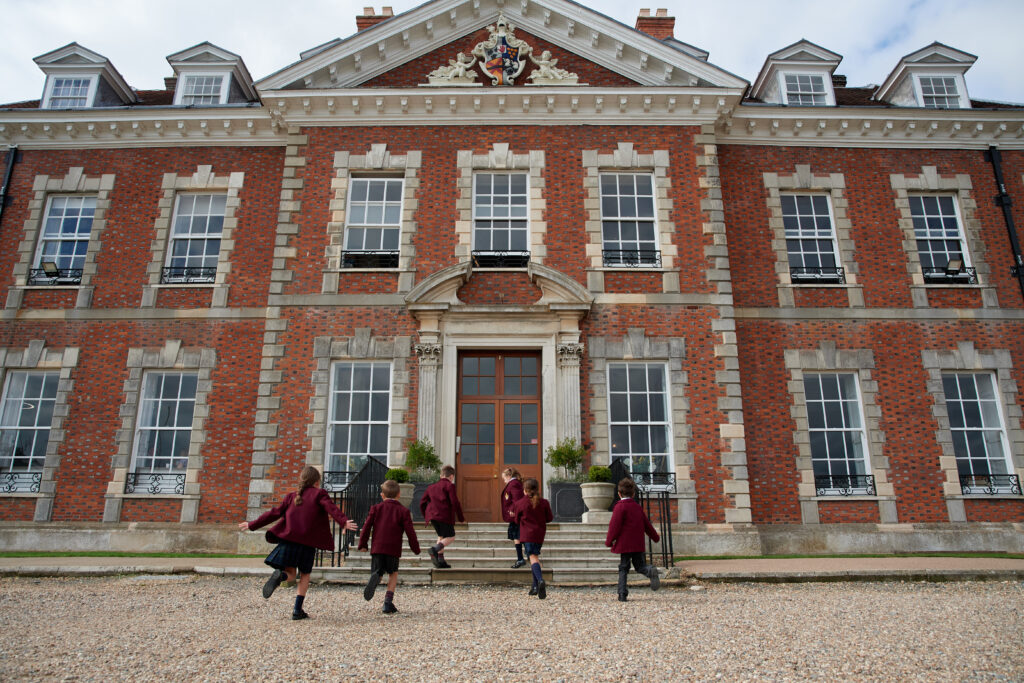
Here at Beechwood Park, we strongly believe that the education of our young people plays a crucial role in shaping attitudes and behaviours, from our littlest children in our Woodlands Nursery right the way through to early adolescence in Year 8.
Through our PSHE (Personal, Social and Health Education) curriculum, pastoral care and whole-school ethos, we create an environment where the children feel safe to have open conversations about issues including gender equality, respect, and consent.
Understanding the challenge
Toxic masculinity is the adherence to traditional male gender roles and suppressed emotions which can lead to aggression and violence, it is a pressure to conform to harmful stereotypes and online radicalisation.
‘Adolescence’ explores the dangerous space that boys and young men can find themselves in, with male rage, misogyny, incel culture and the online ‘manosphere’ being brought to the surface.
Unfortunately, social media and online spaces can fuel these issues. Echo chambers online and online influencers mean that it can be difficult to facilitate healthy and nuanced debates about often quite controversial topics.
Additionally, algorithms on apps such as Tik Tok have been proven to show violence and content promoting misogynistic views to young boys.
Research conducted in partnership with University College London, the University of Kent and the Association of School and College leaders, found a fourfold increase in the level of misogynistic content in the ‘For You’ page of TikTok accounts over five days on the platform, in an algorithmic modelling study.
During puberty, adolescents often engage in more risk-taking behaviours. The prefrontal cortex of the brain, responsible for decision making and impulse control, is still developing and can make teens more focused on rewards and less sensitive to potential negative consequences. This, teamed with hormonal shifts, means that peer influence and pressure can be particularly significant. These are all issues that we as teachers, parents and leaders in education have been battling with in schools for some time now and have fuelled our passion for creating empathetic and respectful young people.
The importance of PSHE
Personal, Social and Health Education was made statutory in 2020 by the Government. This means that Relationships Education in primary schools, Relationships and Sex Education (RSE) in secondary schools and Health Education in both primary and secondary schools are now legally required to be taught.
Our PSHE curriculum aims to address many of the topics raised in ‘Adolescence’; it is essential that before these lessons are taught, a safe learning environment is created and
that teaching staff are well trained and clear about the outcomes. Form teachers and assistants teach the younger pupils, know them well and are able to address any pastoral issues through the lessons as they arise.
As the children get older, PSHE is taught by more specialist staff to ensure consistency as the topics covered can become more challenging.
We regularly consult the PSHE Association, a wealth of knowledge from experts that keeps up to date with current research and we work with Coram Life Education, the UK’s leading PSHE charity to create a curriculum that works for our pupils.
It is really important to approach PSHE not as a ‘one size fits all’ subject but by consulting parents, pupils and teachers regularly as well as keeping up to date with current issues. It should be an ever changing and developing curriculum with the pupils’ well-being and care at the heart of it. It should be both a mirror and a window, giving the pupils the space to reflect their own personal thoughts, feelings and identity as well as a window looking out to the world.
Developing emotional intelligence and positive role models
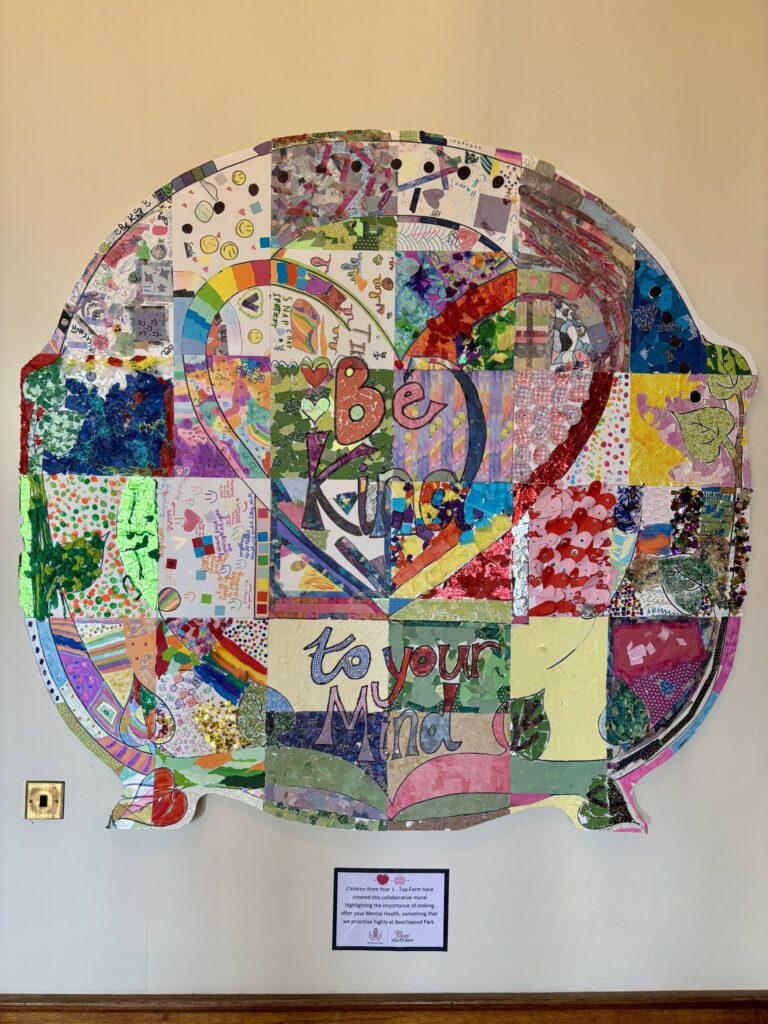
Mental health and well-being should also be a priority in schools. At Beechwood Park, we ask the children to regularly check-in with how they are feeling, to name their emotions and we encourage them to be open and honest about them as this is such an important life skill.
Assemblies using the characters from the popular Disney series ‘Inside Out’ and a ‘Feelings Tree’ for the children to look at during registration to reflect how they are feeling each day are just a couple of the ways in which we emphasise the importance of this.
Our Year 6 children have just finished a topic called Happy Confident Me which explores skills such as optimism, resilience, and fostering a growth mindset. We teach the children mindfulness at various stages across the school, ensuring that they have time and space to reflect and be calm and still.
We are so lucky to have an incredible forest school facilitator and plenty of outdoor space where the pupils are given opportunities (often with our youngest and oldest pupils working together) to complete challenges and learn from each other.
We have a team of staff trained to be mental health first-aiders, something that we believe to be as important as physical health. I was delighted to see some of our pupils wearing clothing from the brand ‘Boys Get Sad Too’ at one of our recent non-uniform days; this is a brilliant company creating clothing to raise money for Calm Zone and raising awareness for the 125 people that take their own lives each week in the UK.
We are always looking to celebrate positive role models; during careers week we looked at the ‘High Performance’ podcast which interviews many top performing athletes,
entrepreneurs and other individuals at the top of their field. They gave advice about future careers and skills that they felt were important; kindness and respect came out on top!
Media and digital literacy
It is encouraging to see that in the most recent educational review of the curriculum, the growing importance of media and digital literacy has been highlighted, emphasising the need for updated curriculum, teacher training and resources to equip students for a digital world. With the growing advancement of AI, pupils need to understand how to use this effectively but also how to question the potential bias within this.
At the spring PSHE Association conference, Natalie Foos, director of VoiceBox spoke about relationships and sex education in the age of generative AI – this was an eye-opening conversation about the impact of an increasing number of young people forgoing relationships with chatbots with little guardrails or protections. We must make space in our curricula and teacher training to address this.
Whilst we continue to have a no mobile phone policy at Beechwood Park School and believe that this is important, this is a small part of a very big and complex picture.
The Anxious Generation by Jonathan Haidt and in turn the Smartphone Free Childhood movement have had a huge impact on policies in schools and encouraged parents to question what is right for them and their children.
Peter Etchell’s book Unlocked also addresses this and asks us as adults and educators to reflect on the nuances of smartphone use. Like PSHE, this is not a ‘one size fits all’ solution. We should be constantly reflecting on our use of screen time as adults – what is the purpose? How is it making me feel? Is it creating too much distraction from other tasks? What am I learning from it?
Tracking the amount of screen time is not always helpful but instead we should look at the quality of it, we should be teaching our young people to think this critically of their screen time as well as engaging with them about what they are doing.
Creating and nurturing a culture of kindness
Perhaps the most important of all, is helping children to develop a sense of identity and understanding of who they are, teaching them to accept and empathise with others and
create an environment where they can explore what they love and create connections with one another. Developing respectful attitudes from a young age is critical.
We teach our older children to think critically about who they meet online, develop skills and confidence in evaluating what they see online and how to understand algorithms and echo chambers from the perspective of social media providers and to understand influencers and their motivations.
A recent lesson looked at advertising and marketing with toys and how this often reinforces stereotypes for girls and boys. It is always important not to focus on specific influencers, public figures or harmful attitudes, but to explore and lead the pupils in an analytical discussion about this.
As educators and parents, we should be educating ourselves through books and media about social inequality and inequity, about the issues that our young people are facing. We should be constantly reflecting on our own beliefs and opinions to discover any social biases that we can challenge. We should also listen to the children, have open conversations and learn from them as they are growing up in a very different world. I am looking forward to meeting with our school council next term and asking for their ideas on how we can continue to improve what we do at Beechwood Park School.
Conclusion
We are so fortunate at Beechwood Park with the facilities that we have, the grounds we are able to explore and utilise, and the freedom that we have in developing our curriculum.
We understand that addressing the issues raised in ‘Adolescence’ is not straightforward, by any means, nor do we as educators or parents always get things right. We must be open to challenge and not be afraid to question ourselves and each other. We must have open conversations with children and parents, even if it feels uncomfortable.
As Gareth Southgate recently said during his BBC Richard Dimbleby Lecture on resilience: “We need to create a culture where children can look back and say ‘I gave my best, I stayed true to myself and I made a difference’.”
Judith Waiting has been Head of PSHE at Beechwood Park School since September 2023. She has been teaching for 15 years, working in a variety of prep schools and has a PGDE and Masters in Education from the University of Glasgow. In her spare time, she is a busy mum with two young children and a governor at Westfield Primary School in Berkhamsted.