25 Mar 2025
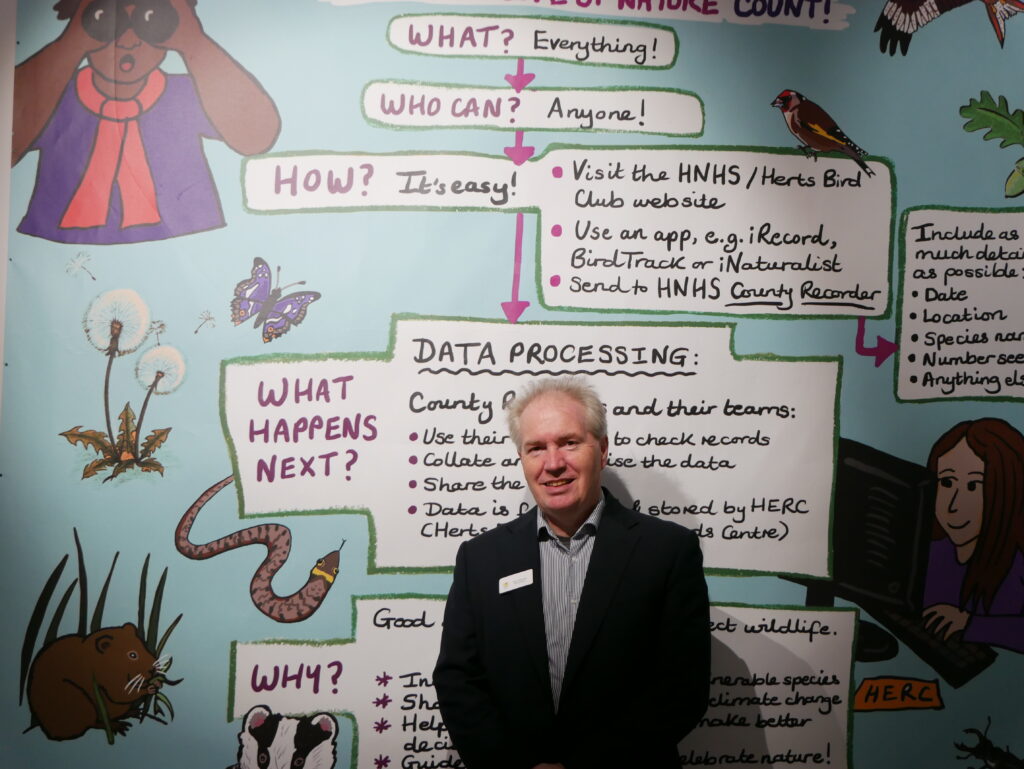
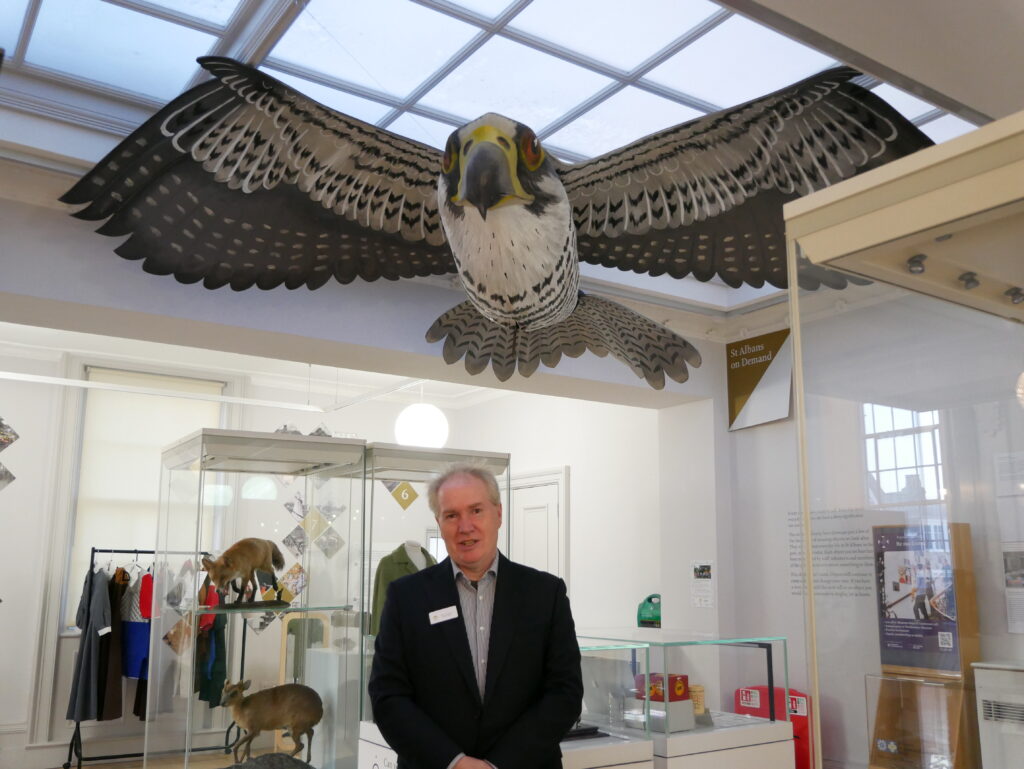
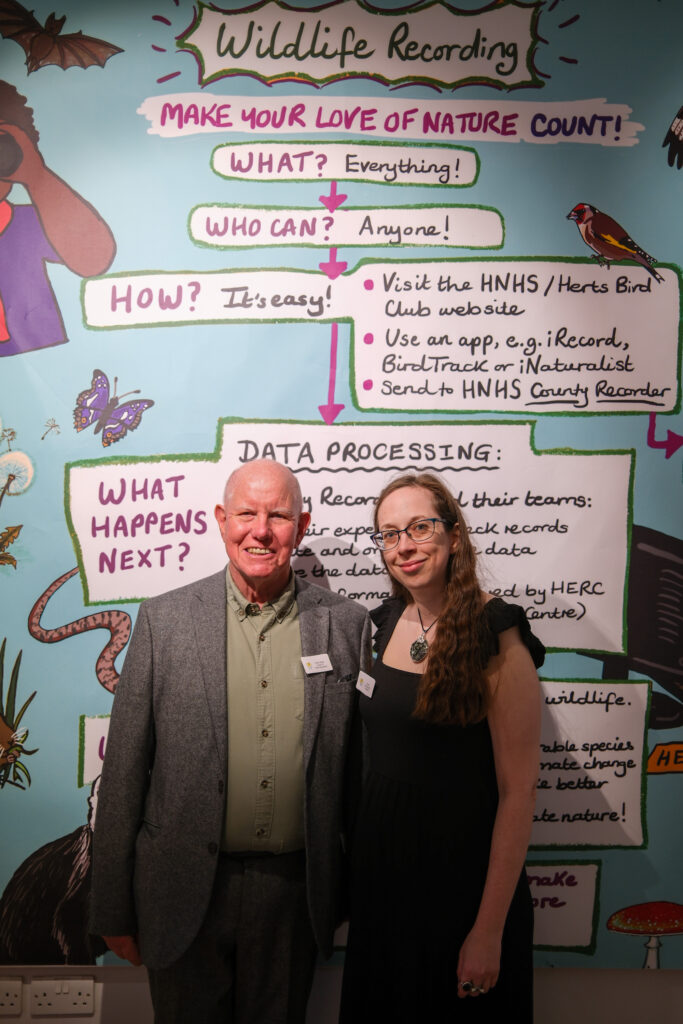
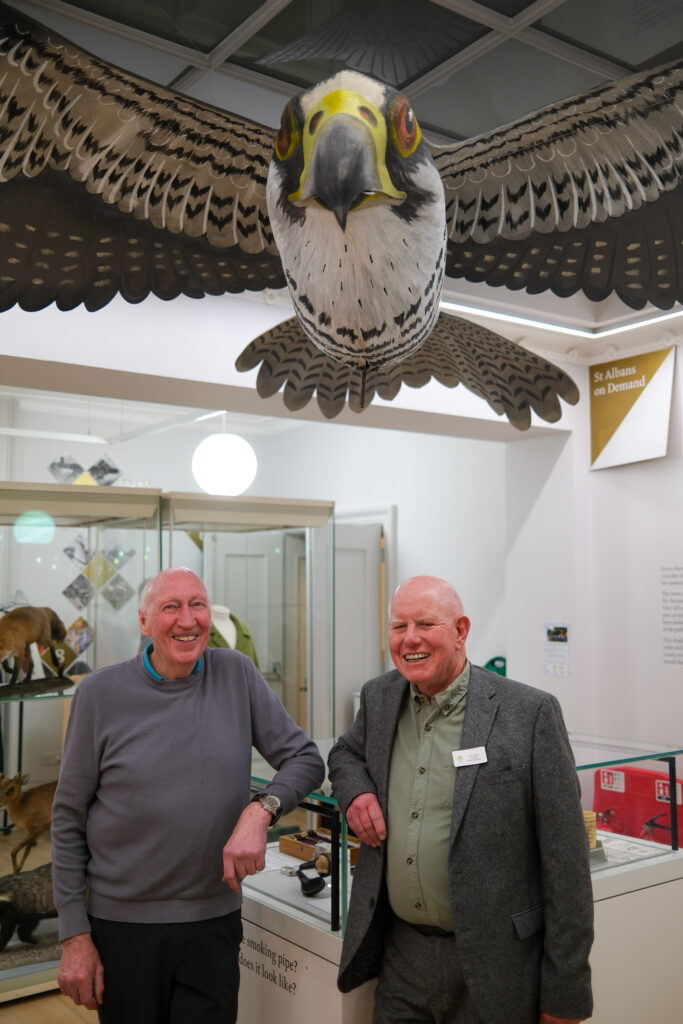
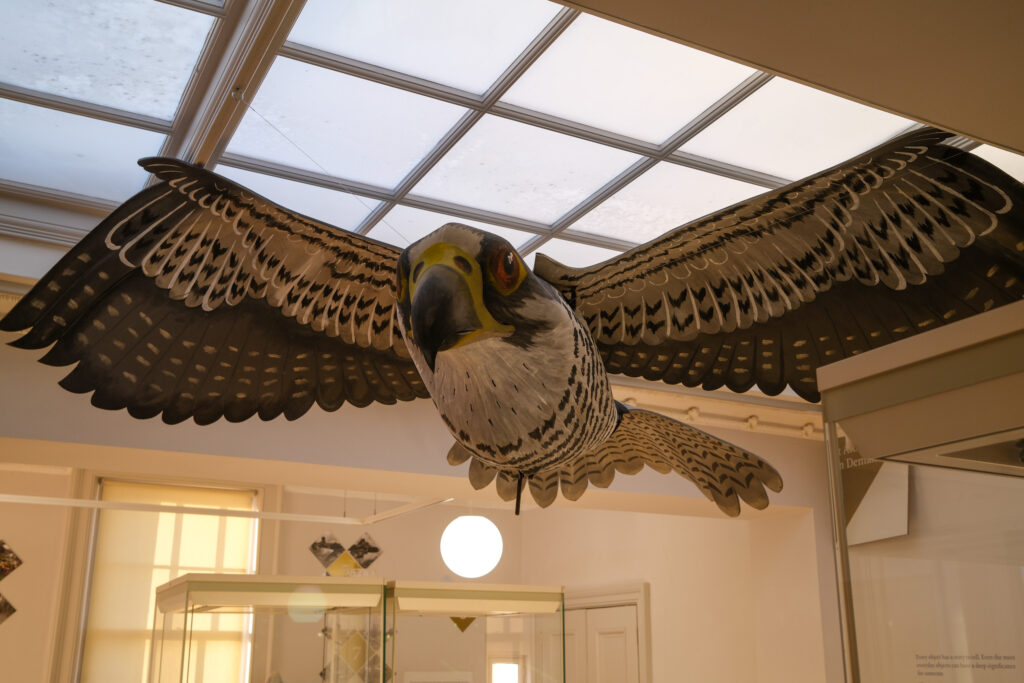
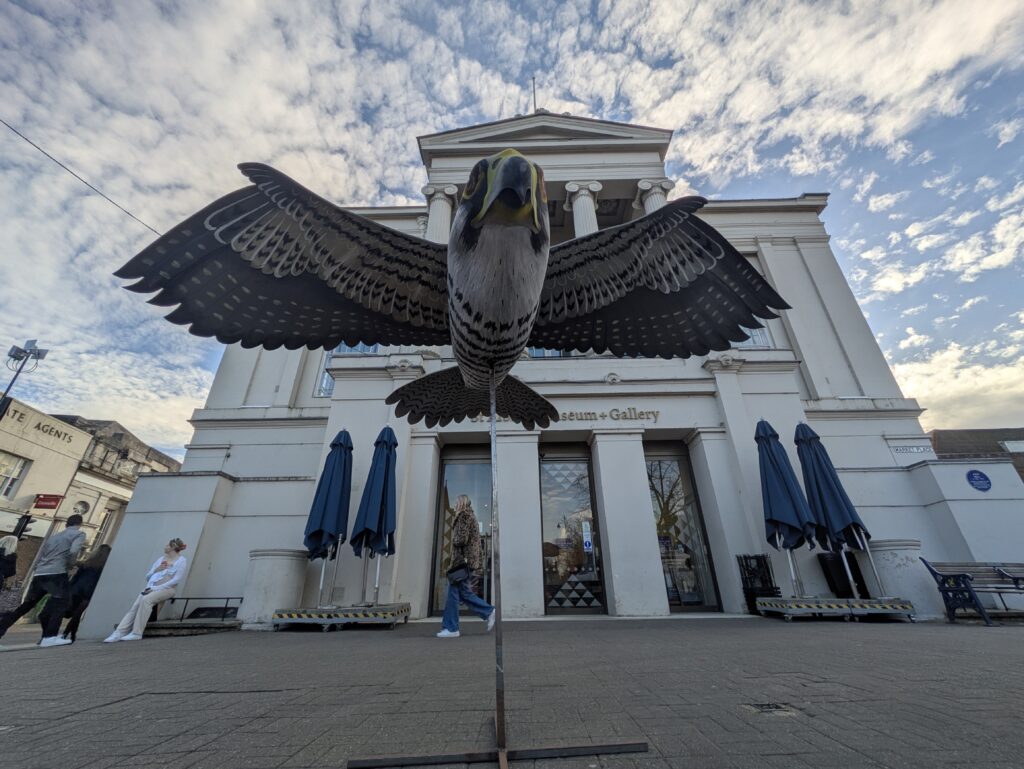
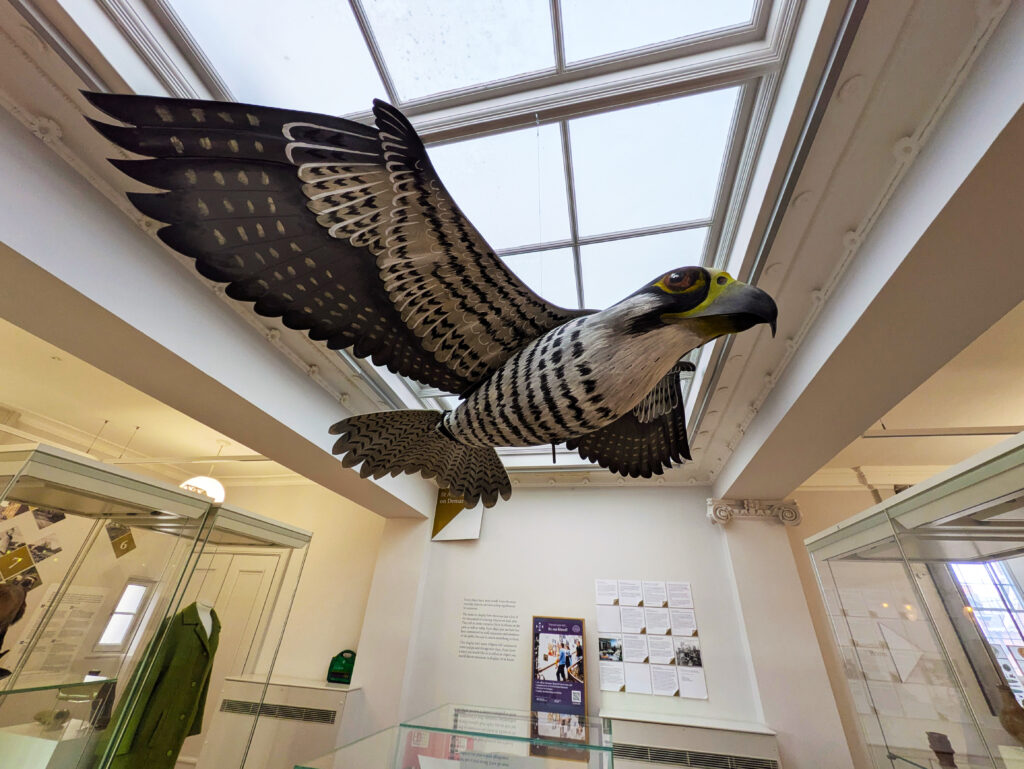
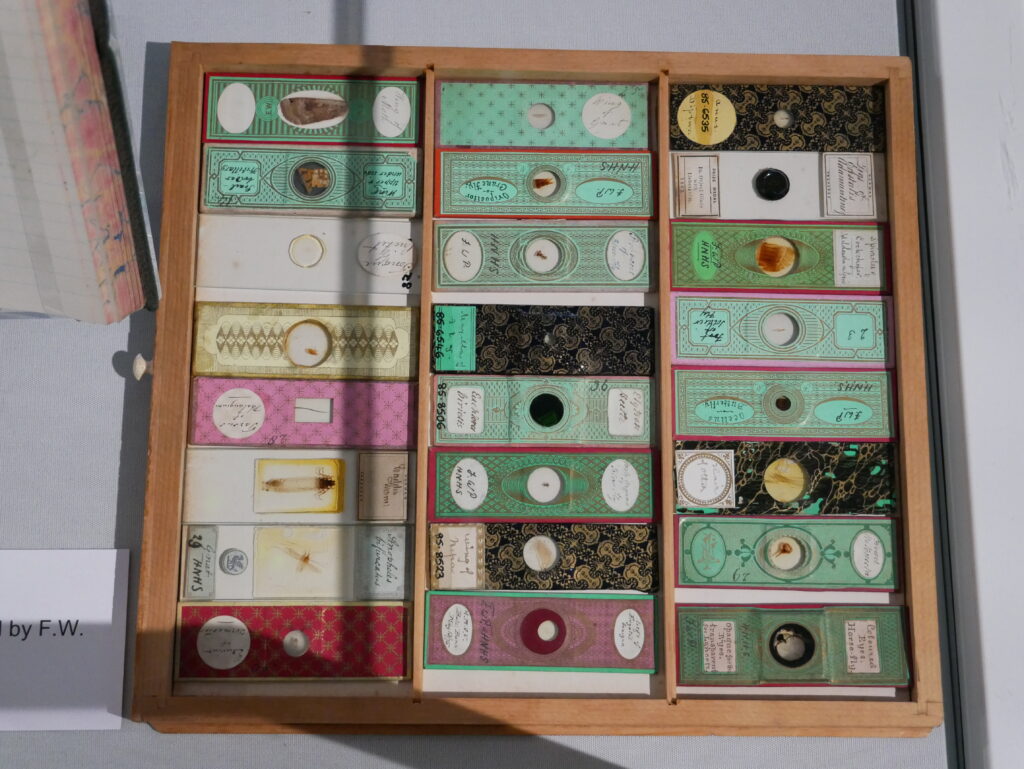
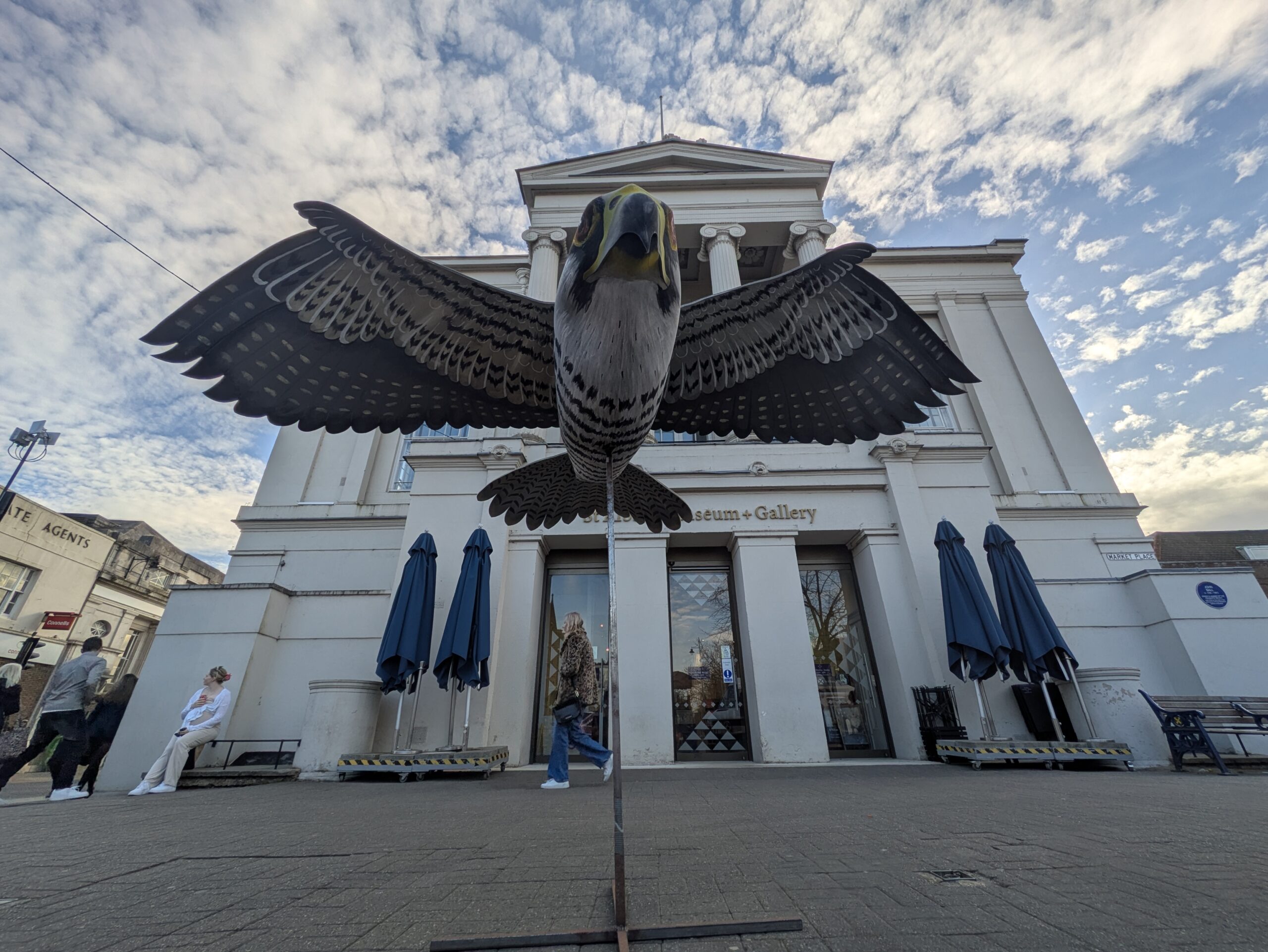
A new exhibition at St Albans Museum + Gallery offers the opportunity to get back to nature and explore the living world all around us.
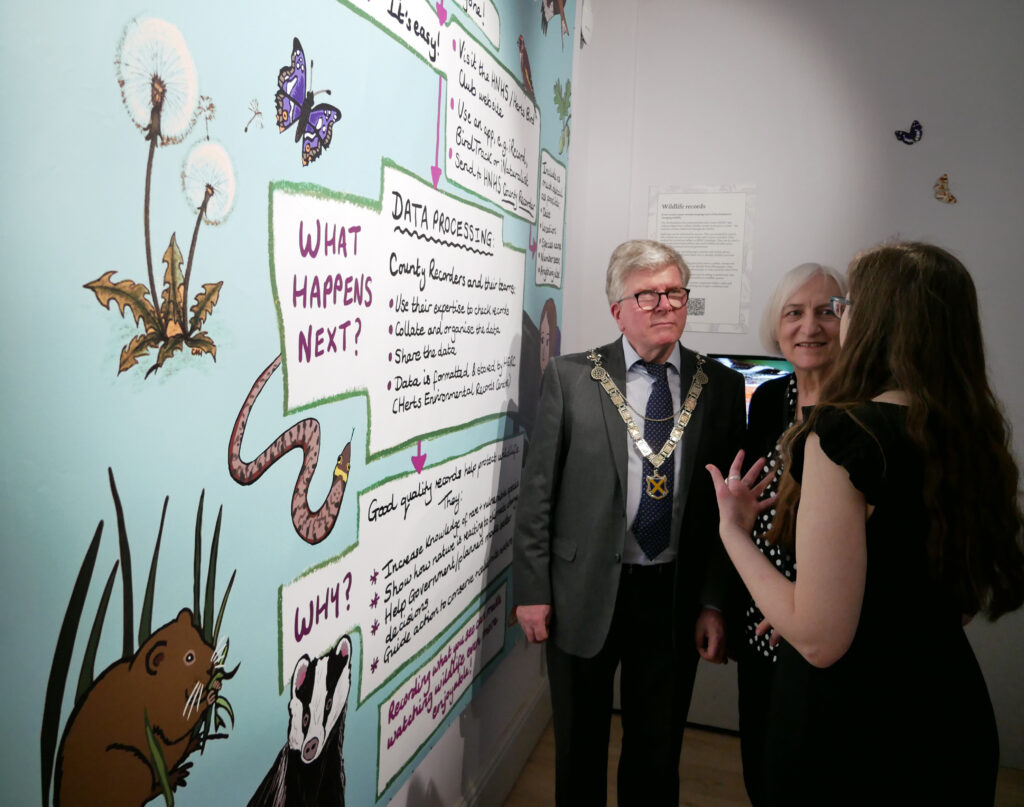
Wild About Hertfordshire highlights why the county is a good place to discover different types of wildlife and interesting habitats, while also underlining the challenges facing local wildlife from climate change, pesticides and other manmade problems.
The free exhibition is organised by Hertfordshire Natural History Society (HNHS) which is celebrating its 150th anniversary. Run entirely by volunteers, the Society’s members have included Charles Darwin and the celebrated St Albans expert on insect pests, Eleanor Ormerod.
The exhibition aims to raise wider awareness of the Society and get more people – especially young nature enthusiasts – to engage in its enjoyable and important work.
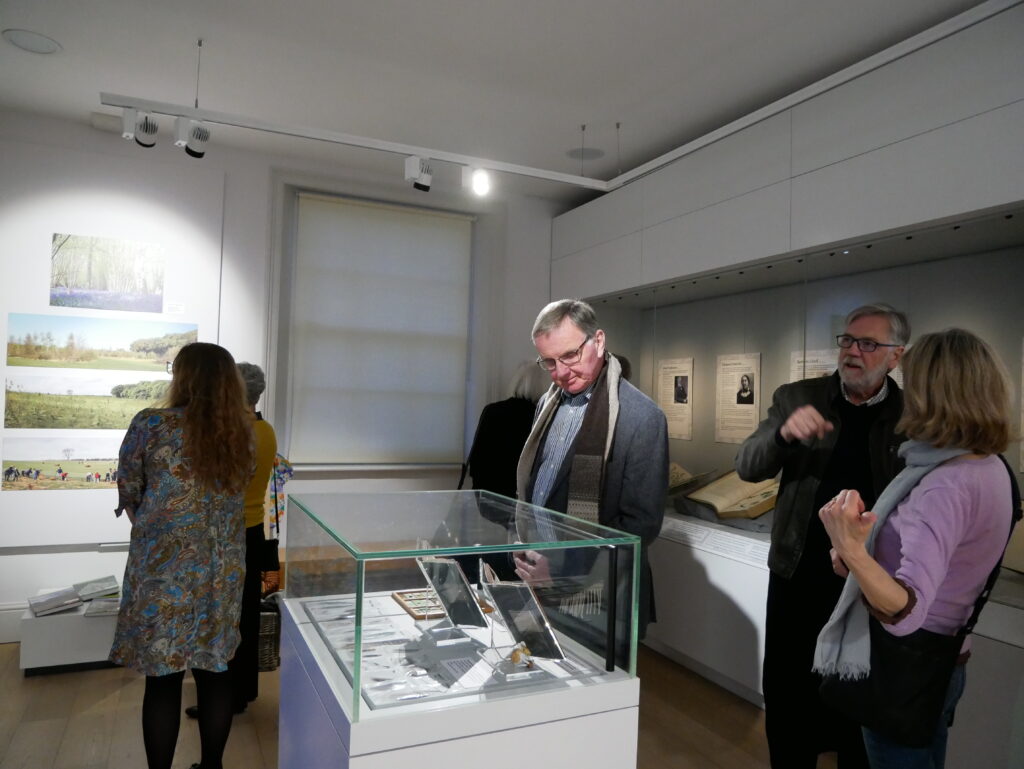
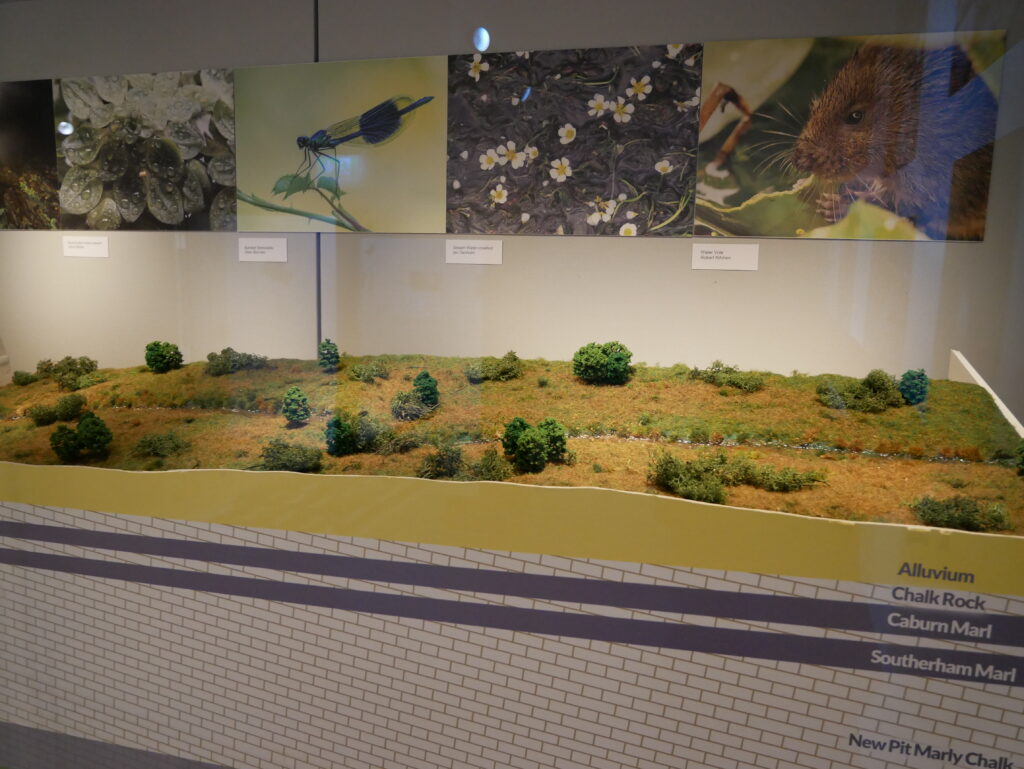
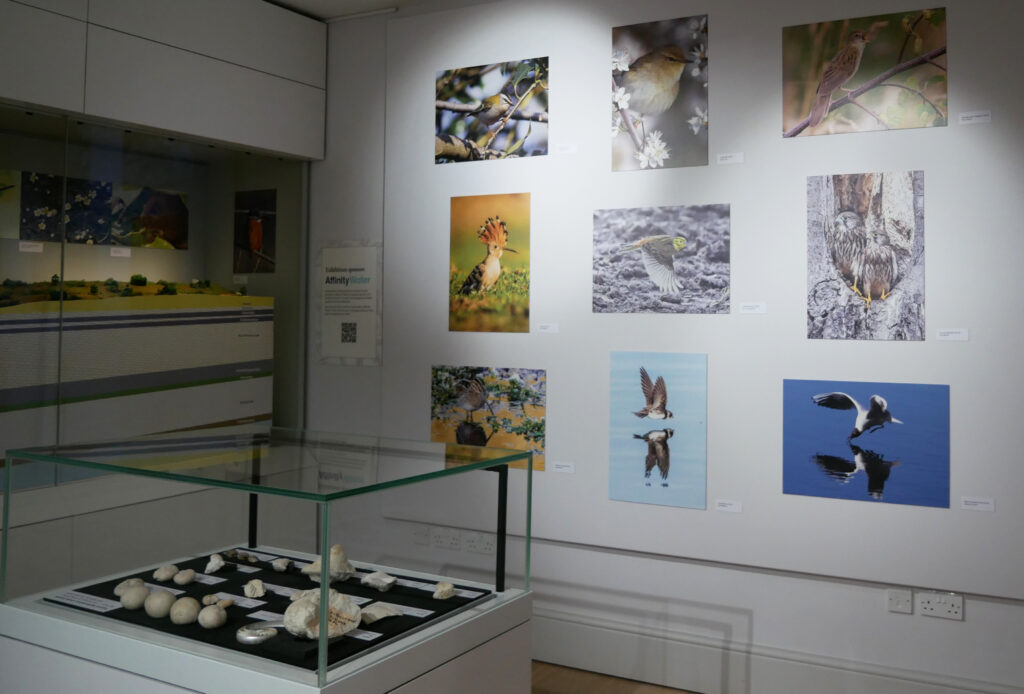
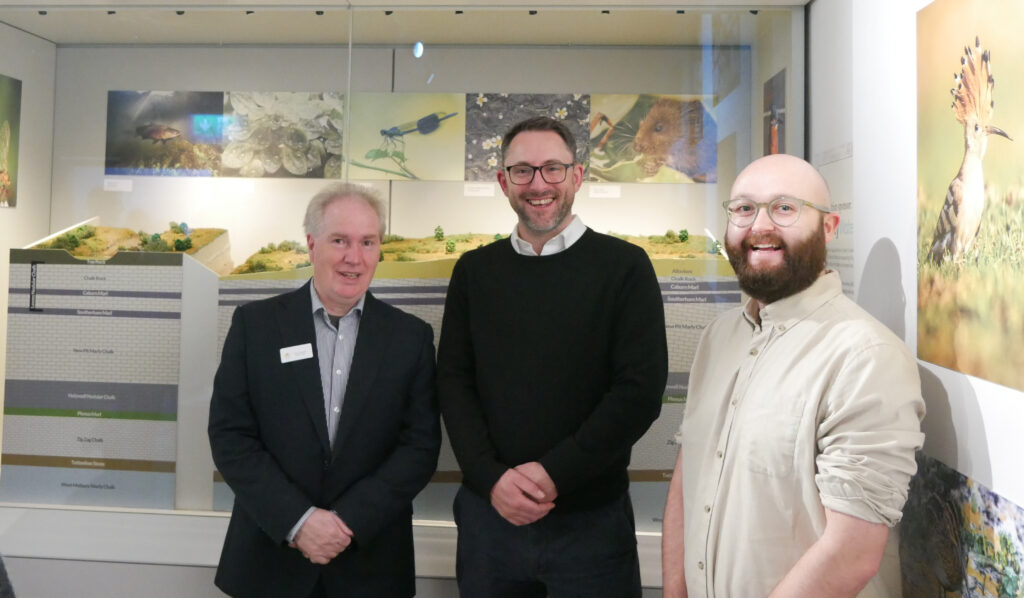
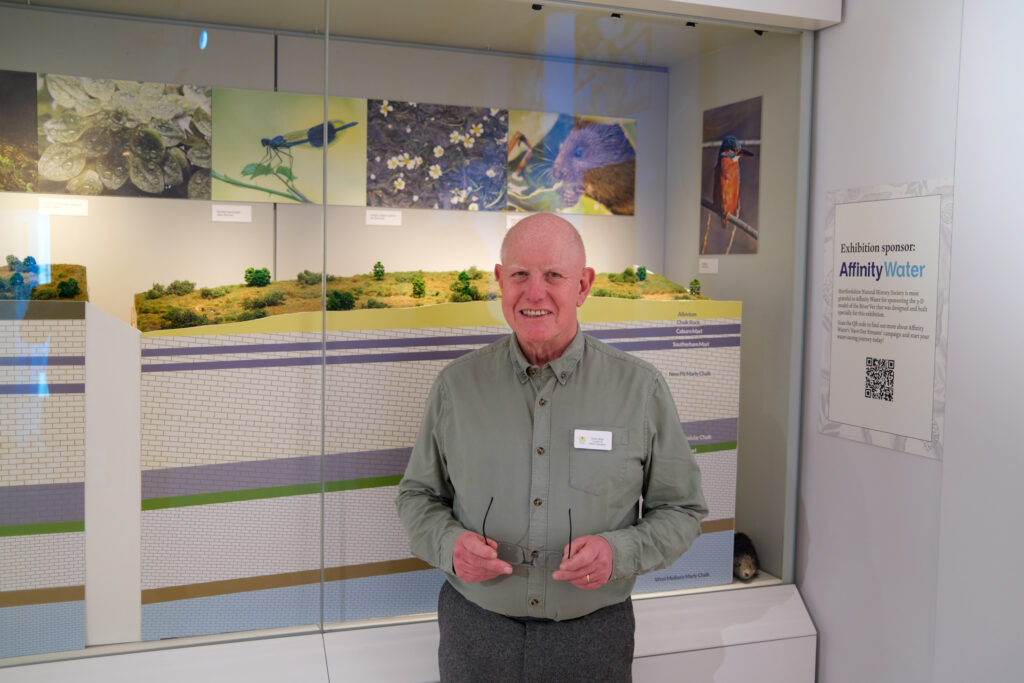
Visitors can see a detailed 3D model of the rare River Ver chalk stream and learn about seemingly lost Hertfordshire species, including adders and dormice, as well as recent arrivals like the red kite and ring-necked parakeet.
Featured flora includes the nationally rare pasque flower, which is Hertfordshire’s county plant, stream water-crowfoot, that thrives in clean chalk rivers and the beautiful green-winged orchid.
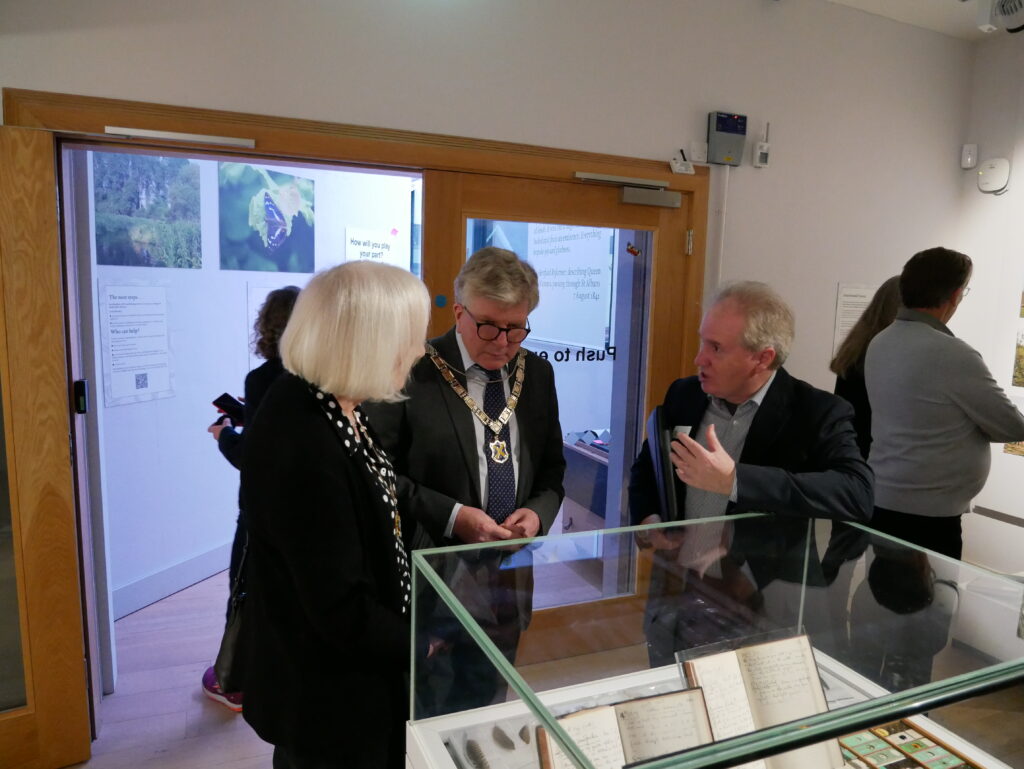
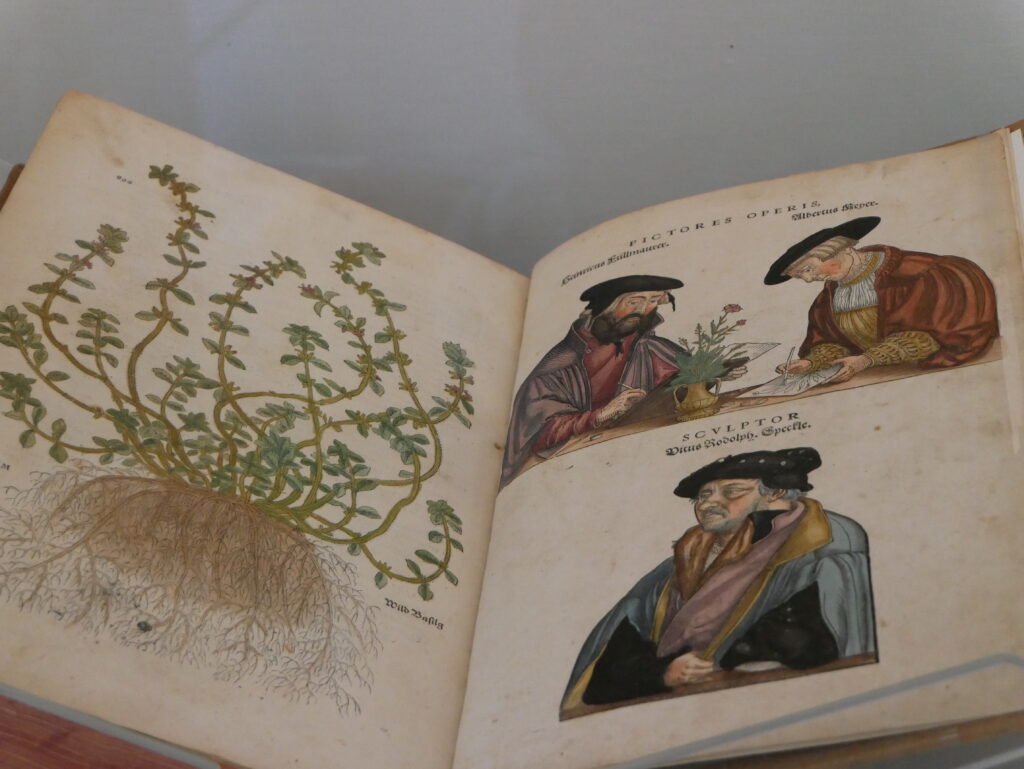
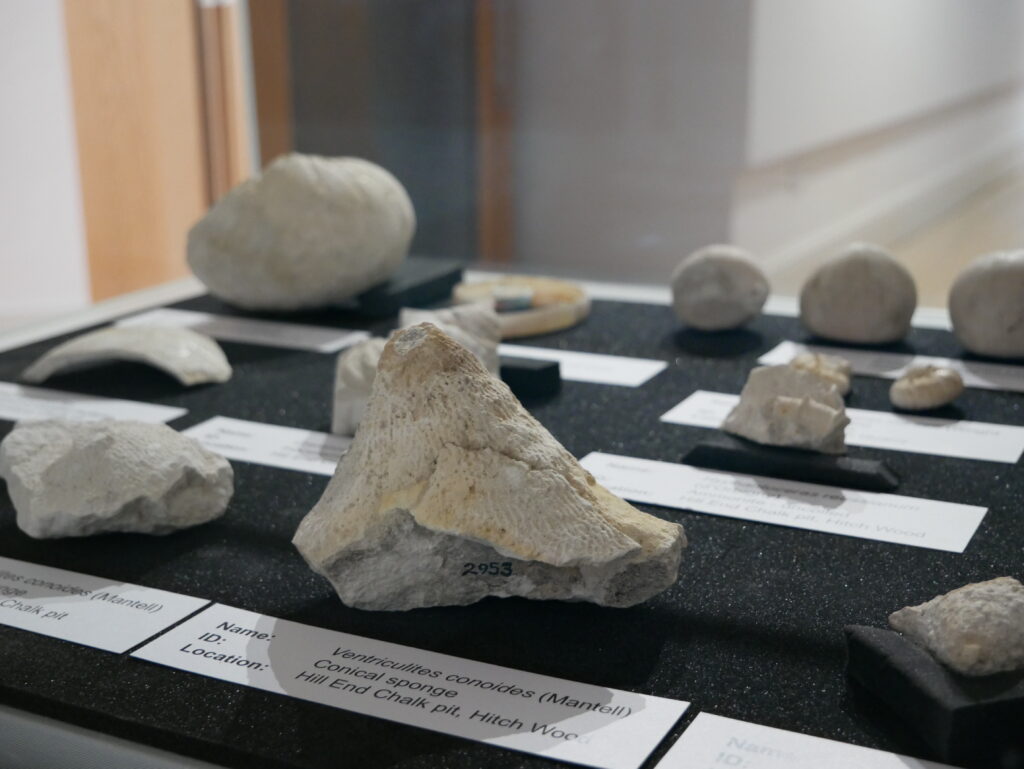
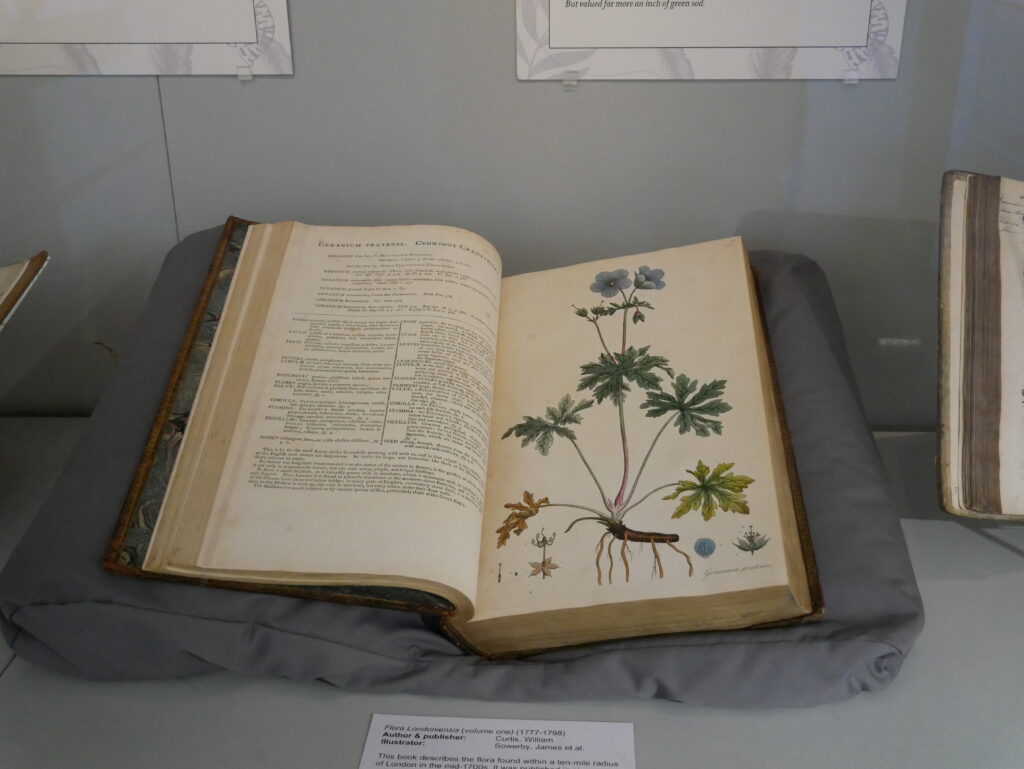
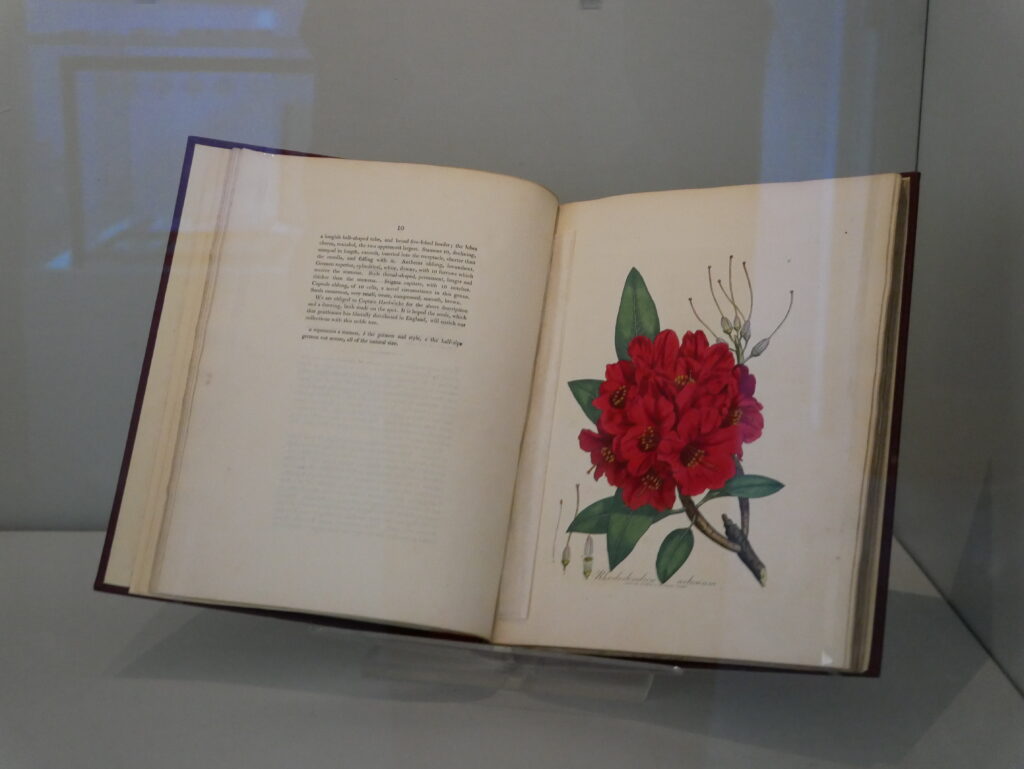
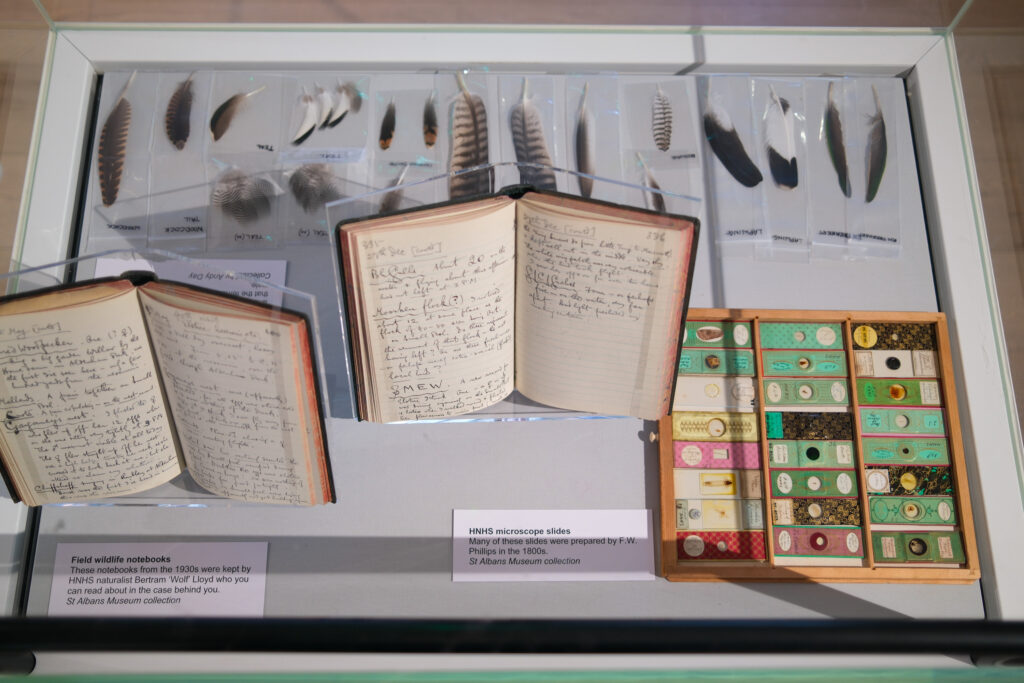
There is also the chance to see rare historic botany books belonging to the HNHS that date from 1479.
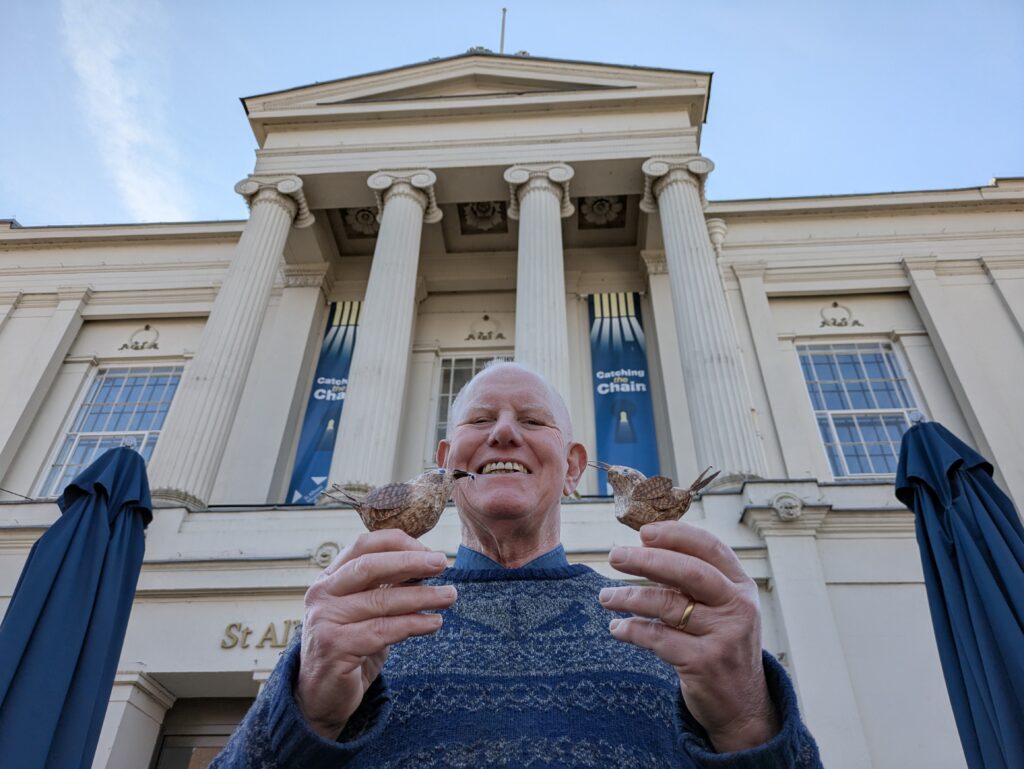
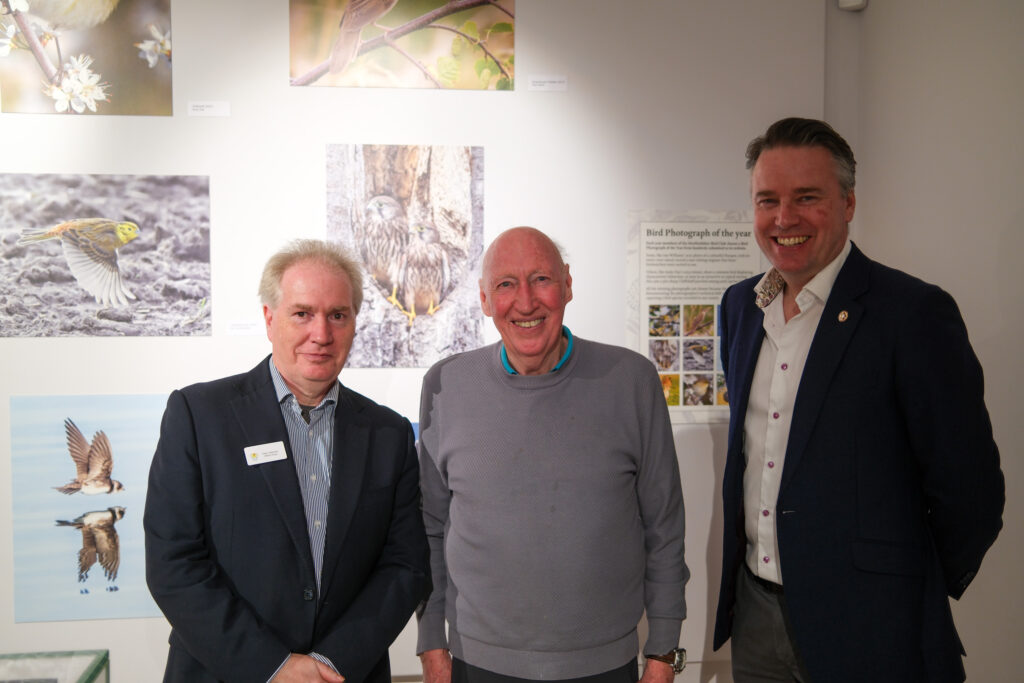
The curator of the exhibition is St Albans resident David Utting, who said he has seen the natural environment change locally in the 30 years he has lived here with his wife.
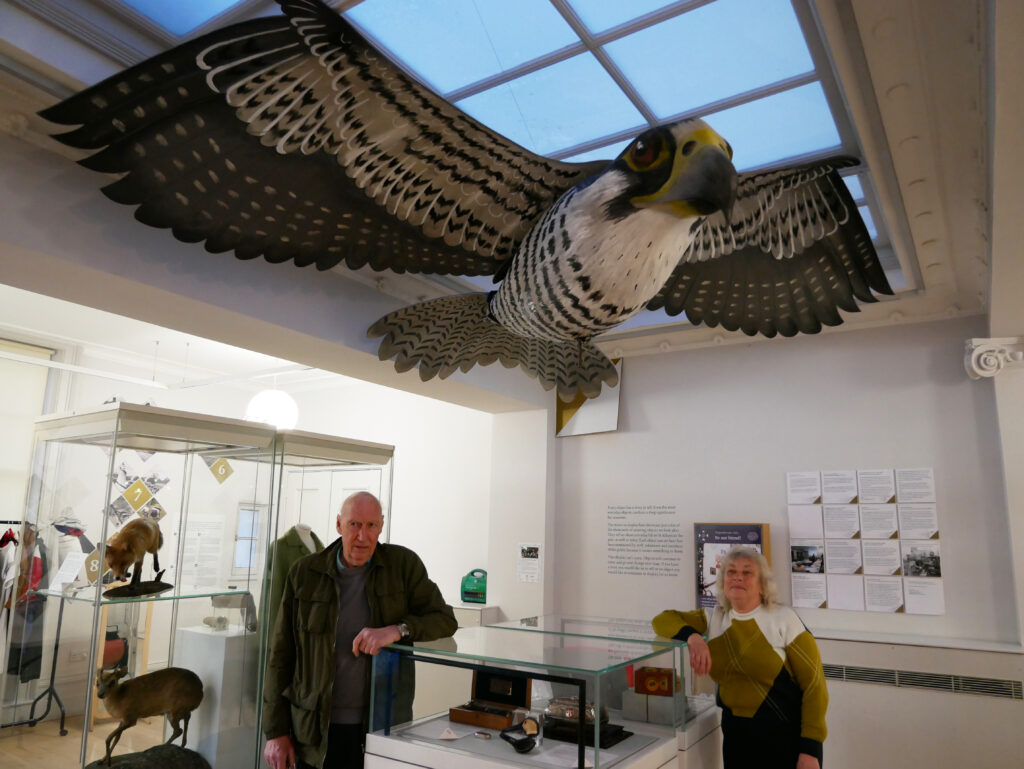
“We do not have the same variety of birds visiting our winter feeders that we once had and we only see hedgehogs occasionally, whereas they used to be regular visitors. On the plus side, we see wonderfully aerobatic red kites overhead daily. They spread across Hertfordshire after being reintroduced to the Chilterns in 1989. In the 1970s we had to travel to south-west Wales to see the last, few remaining birds in Britain.”
As you might expect, he said the changing climate is the biggest challenge to flora and fauna.
“Even a small rise in average temperatures can alter the time that plants appear and that, in turn, has a knock-on effect along the food chain, affecting the ability of insects, birds and mammals to feed and breed. More frequent drought and flooding are dangerous for wildlife. And there are many other man-made challenges for wildlife, including habitat destruction, use of pesticides and introduction of harmful, invasive species.”
As someone who has been fascinated in the natural world since childhood, where does he enjoy seeing wildlife?
“I am fond of the walk beside the River Ver between Redbournbury and St Albans. It teems with birdlife in spring, especially early in the morning.”
“I also love visiting our ’new’ Heartwood Forest outside Sandridge.”
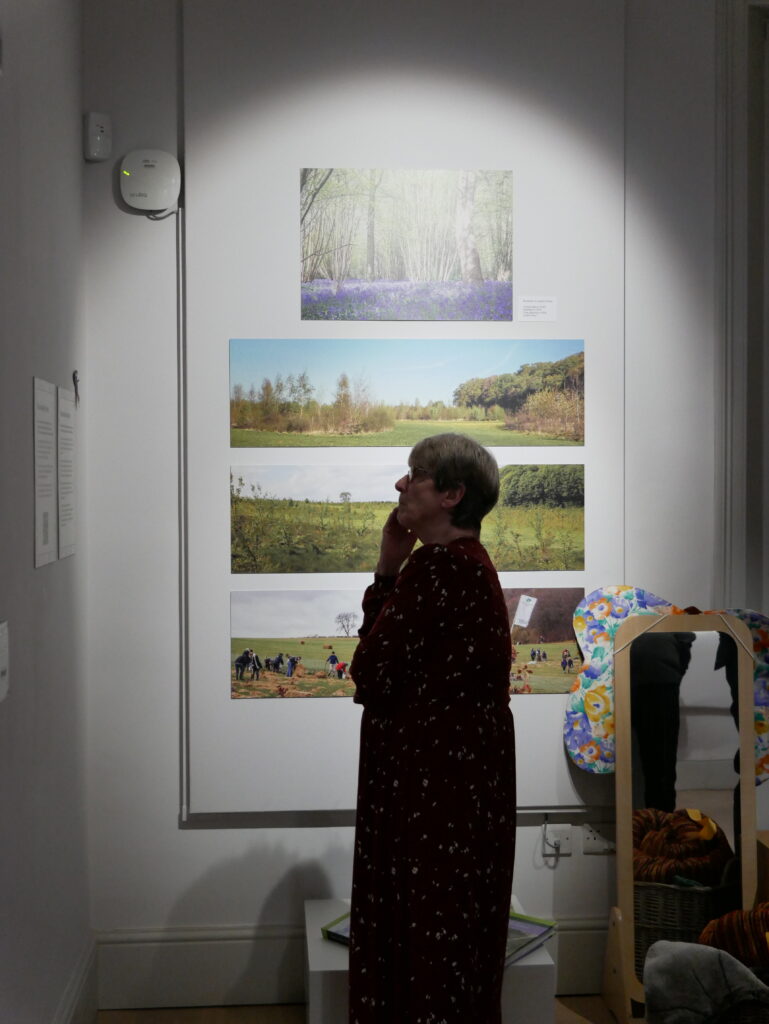
In fact, it was at Heartwood that David discovered the first common lizards after the tree planting.
“They are not as ‘common’ as the name suggests!” he added.
As the secretary of the Hertfordshire Natural History Society, he is keen to share their big birthday celebration and tell more people about the county’s wonderful wildlife.
“We want to inspire them – young and old – to go out and discover the natural world for themselves.
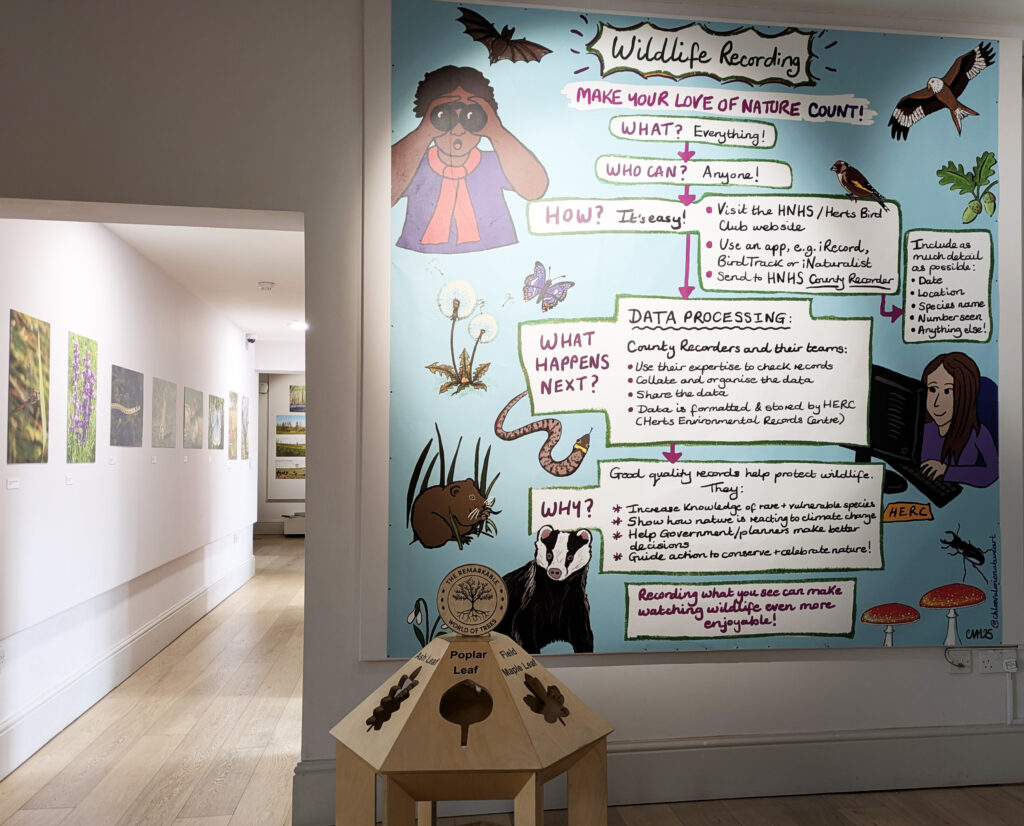
“HNHS is not generally a campaigning charity. Our signature role, as volunteers, is to look for wildlife in its amazing variety, record what we see and publish the results so everyone, including local authorities, knows what is out there. We are, of course, keen for politicians to base their decisions on sound information about the natural world, especially species that urgently need our protection.
“We are most grateful to St Albans Museum + Gallery for hosting the exhibition and, of course, hope that more people will decide to join HNHS, which includes the Hertfordshire Bird Club.”
SADC arts, tourism, culture and heritage manager and head of St Albans Museums, Farhana Begum, added: “We’re delighted to be working on this project and supporting this fantastic local society. It’s exciting to have natural history objects from our collection out on display too.
“We hope this exhibition will help people to think about what is right on their doorstep and encourage them to get out into the natural world. Not only is this great for the natural environment in Hertfordshire but it helps with our ongoing learning about it.”
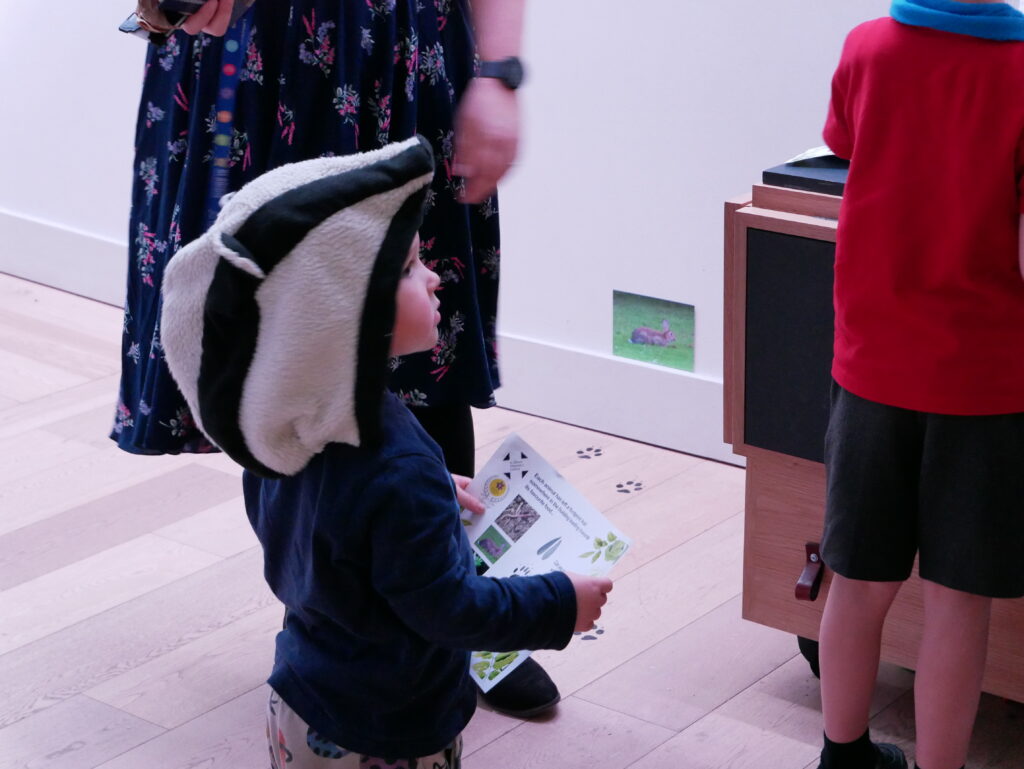
A number of interactive events will run alongside the exhibition including educational activities for children which include a seed bomb and bird feeder making session on April 15 and 16 and a model bugs craft event on May 26. David Utting will give a talk on ‘Discovering where the wild things are: 150 years of the Hertfordshire Natural History Society’ on May 14. Wild About Hertfordshire runs in the Keeper’s Gallery until July 6.
Photos: Ellie McCormick for St Albans Museums and Toby Hill