19 Mar 2025
Elena Hogg, founder of local culinary company FOOD by Elena, explores the versatility of the aubergine..
It’s not often that we can draw links between nicotine and vegetables, but in the case of the aubergine, we can, what with it belonging to the tobacco family of plants. Thankfully, this doesn’t mean we shouldn’t eat it, although you can smoke it and it’s delicious. In the baba ganoush way, not with Rizlas.
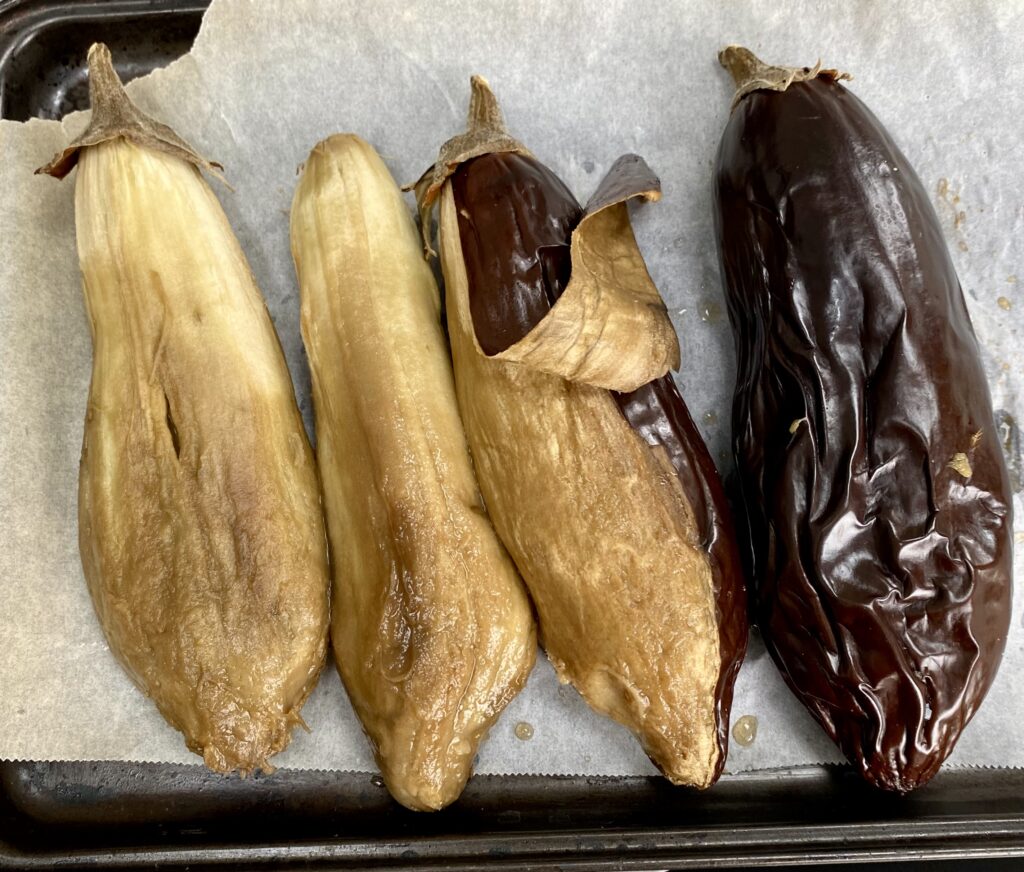
A very hot oven is the aubergine’s happy place, a little like its version of a sauna experience, only with the opposite effects of those we humans might desire. The aubergine’s skin becomes papery and wrinkled, and its flesh loses all its firmness. In the world of aubergines, though, at least when it comes to eating them, this is a win.
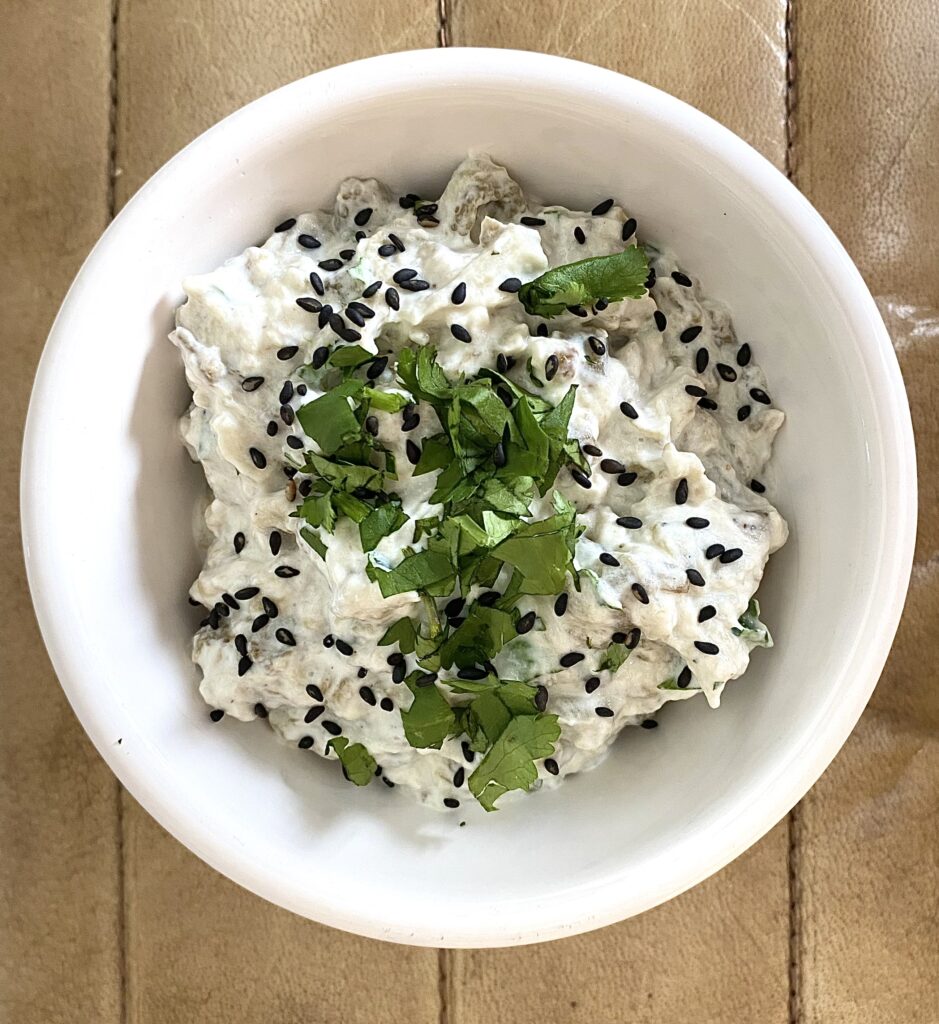
There’s something strangely satisfying about peeling the skin away from a roasted-down aubergine, exposing the yielding and creamy flesh which is then so receptive to punchy flavours like garlic and lemon. My mum likes to put the soft lengths of aubergine in a bowl, then hacks away at it with vigour and abandon (perhaps allowing herself to imagine whichever politician has done the most damage that week) leaving a slightly unattractive grey gloop.
What it lacks in appearance, though, is more than made up for in flavour. My mum adds minced garlic, lemon juice and herbs (coriander, parsley and mint all work well), then uses yoghurt to help it come together as a dip (and also brighten the admittedly murky colour). You could add sumac for a further citrus hit, or some chilli, or some paprika to help bring out the smoky notes. Scoop it all up with toasted pitta and enjoy.
Although the aubergine has only been popular in the UK since the 1960s, Wikipedia tells me it was cultivated in southern and eastern Asia since prehistory, and entered Europe via the Iberian peninsula back in the eighth century and became an important part of the culinary culture of the Mediterranean.
The Greeks have moussaka, the Italians have parmigiana, then there’s the Levantine baba ganoush and Turkish alinazik… the list spreads far and wide. One of my favourite ways to eat aubergine is a recipe courtesy of my Israeli friend Dana, who halves the aubergine length-wise, scores the flesh with a criss-cross pattern, seasons and then lays the halves cut side down in a hot pan to caramelise. She then roasts them in the oven to cook through before blanketing with tahini and lemon juice, and devouring alongside a chopped salad.
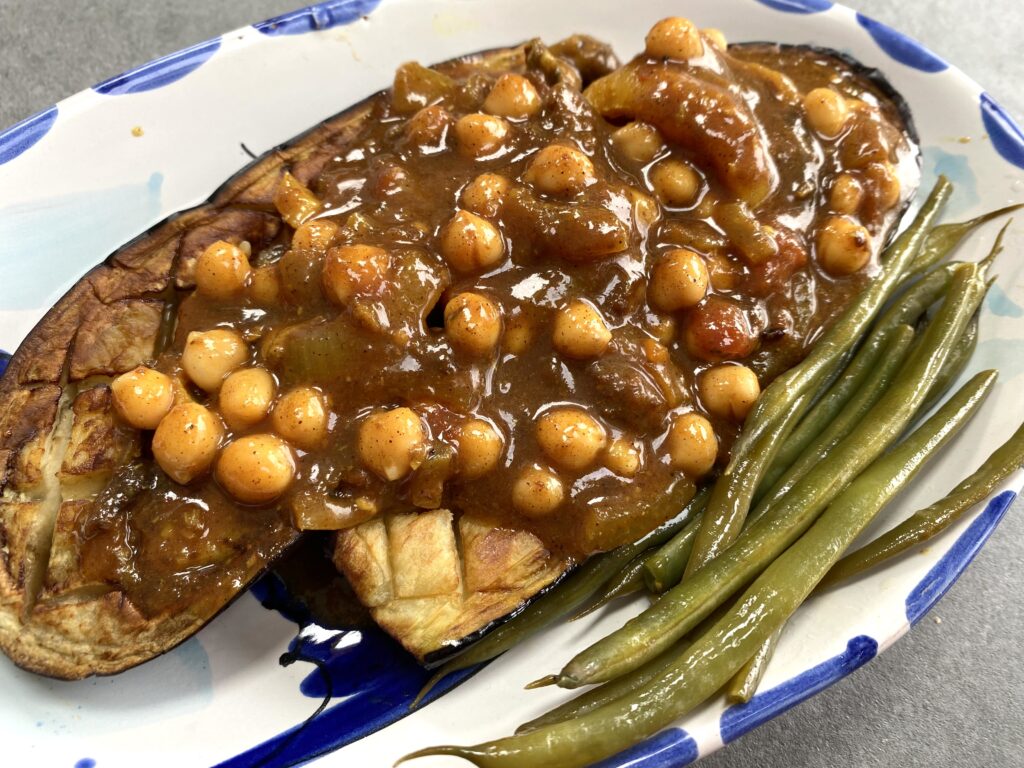
I have taken the concept of the caramelised half-aubergine and now use it as a starting point for just about any weeknight supper.
I particularly like the fact that the aubergine is hearty and addictive enough to substitute the presence of carbs on my plate, which means I can add left-over pasta or curry sauce, or – most recently – some chicken tagine whose chunks of chicken had all been eaten, leaving the sauce, onions and a few chickpeas homeless. Refuge for them was happily provided by my succulent and accepting aubergine halves, and it was another triumph for my no-food-waste efforts, too.
Pomegranate is another vibrant flavour that perfectly complements aubergine.
One of the most popular dishes on my buffet menu is cumin-roasted wedges of aubergine drizzled with pomegranate molasses, which is as sour as it is sweet and therefore lifts the earthiness of the aubergine to a level of pure scrumminess.
I add some yoghurt and sprinkle with coriander, pumpkin seeds and pomegranate seeds, which add a burst of colour as well as zingy juice.
Clients ask me for the recipe and I tell them the ingredients, but there isn’t really a recipe other than for the roasting of the aubergine wedges with cumin. The rest is a layering-up job and you can be as inventive as you like. Use a nut butter instead of yoghurt, or some date syrup instead of pomegranate molasses.
Perhaps add some preserved lemon for a citrus hit or sprinkle over some white beans or minced lamb fried off with garlic and black pepper.
Aubergine, being mild but distinctive in flavour, is an excellent vehicle for a plethora of ingredients, and the potential for delicious, unique and healthy meals is vast and exciting. And once you start adopting aubergine as a base for so much of your cooking, it becomes quite an addiction. Perhaps it’s the nicotine…