12 Feb 2025
“What I’m passionate about is preparing children to be 21st century citizens, and that starts in play.”
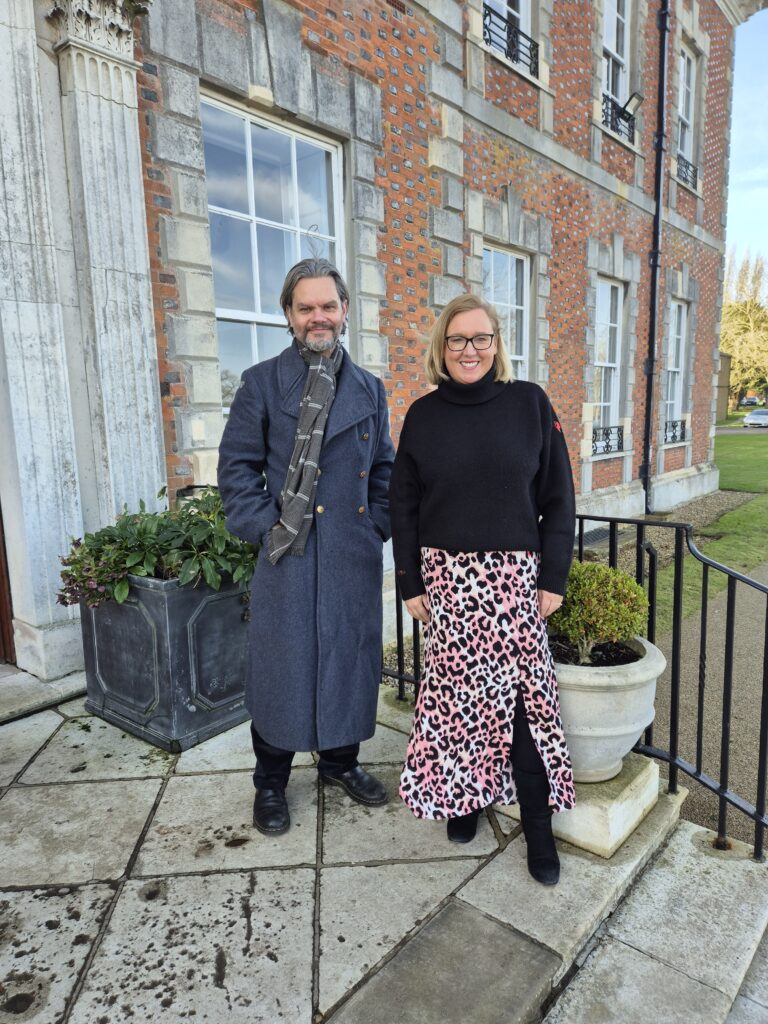
Sam McIntosh has been both assistant head and head of the junior department at the independent Beechwood Park School near Markyate since 2022.
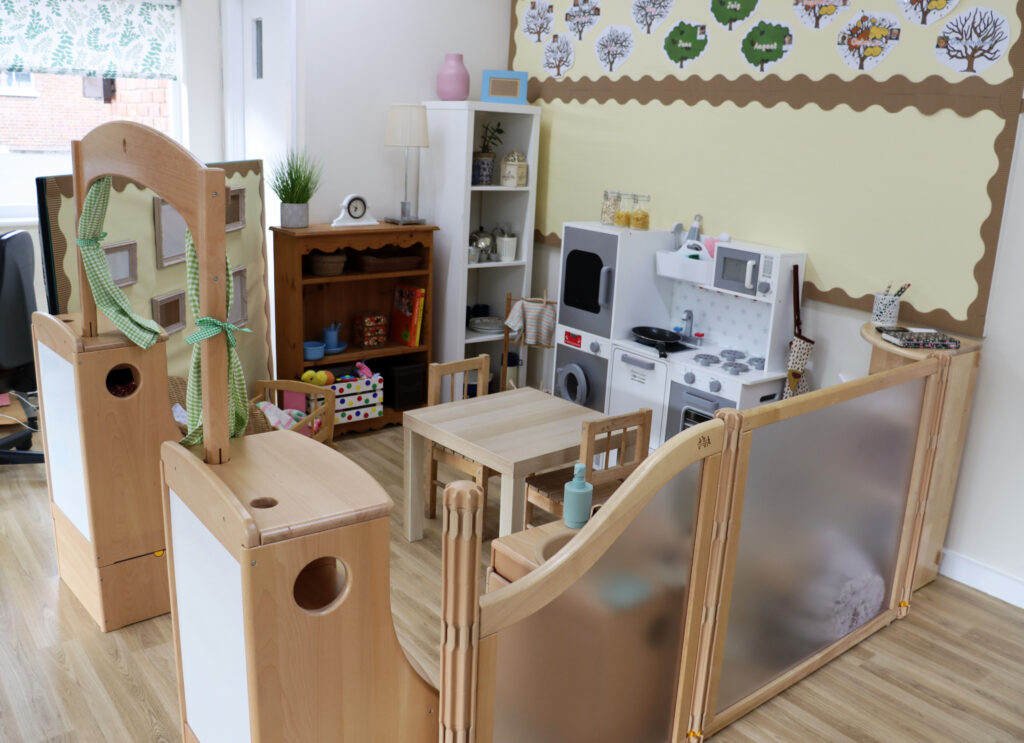
At the heart of her ethos is the idea of learning through play – the importance of encouraging children from a really young age who often don’t realise the skills they are developing.
Far too often we might take it for granted that “all” children are doing is “playing”, but the truth of the matter goes much deeper.
Although she works in a private school environment, with all of the benefits which come with that, Sam’s understanding of how children learn and develop can translate across the entire education sector, and is likely to be reflected in many early years classroom.
She explained: “Play is naturally what children should be doing in these early years of childhood, and I think we underestimate how important it is, and not just because they enjoy it and it’s lovely for them to have that independence of choice and all those sorts of things.
“But actually there’s a lot of science behind what’s going on because play is firstly a time for communication and social interaction. Through playing with other children they’re learning to collaborate and negotiate, it’s about listening and responding, sometimes it’s about compromise too and not being able to have everything your own way, and that’s a big developmental marker.”
So is this more important for only children? Surely those with older brothers, sisters or cousins can develop these skills independently?
“Actually in the home environment often there are some quite skilled things going on from the perspective of any older children. They pick up very quickly that their role is maybe to let the younger one have their own way, they might push a little bit but then accept they have to be the one to give in or facilitate a new way of playing.
“But when young children are playing with their peers they may not have developed that skill yet, so there’s still very much a learning curve to go on there.”
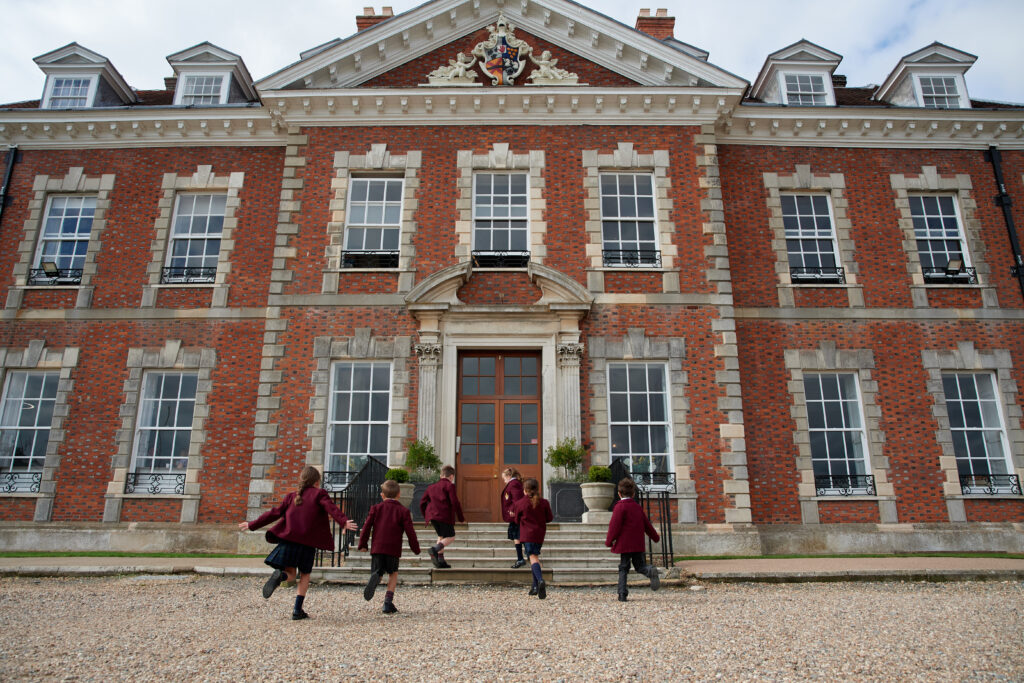
The process of early years development is highly complex, with teachers across all education sectors highly skilled in encouraging the growth of young minds.
Discovering how those tasked with educating our progenies do so during these key formulative years is fascinating, and reveals a level of understanding of children’s development which is often overlooked.
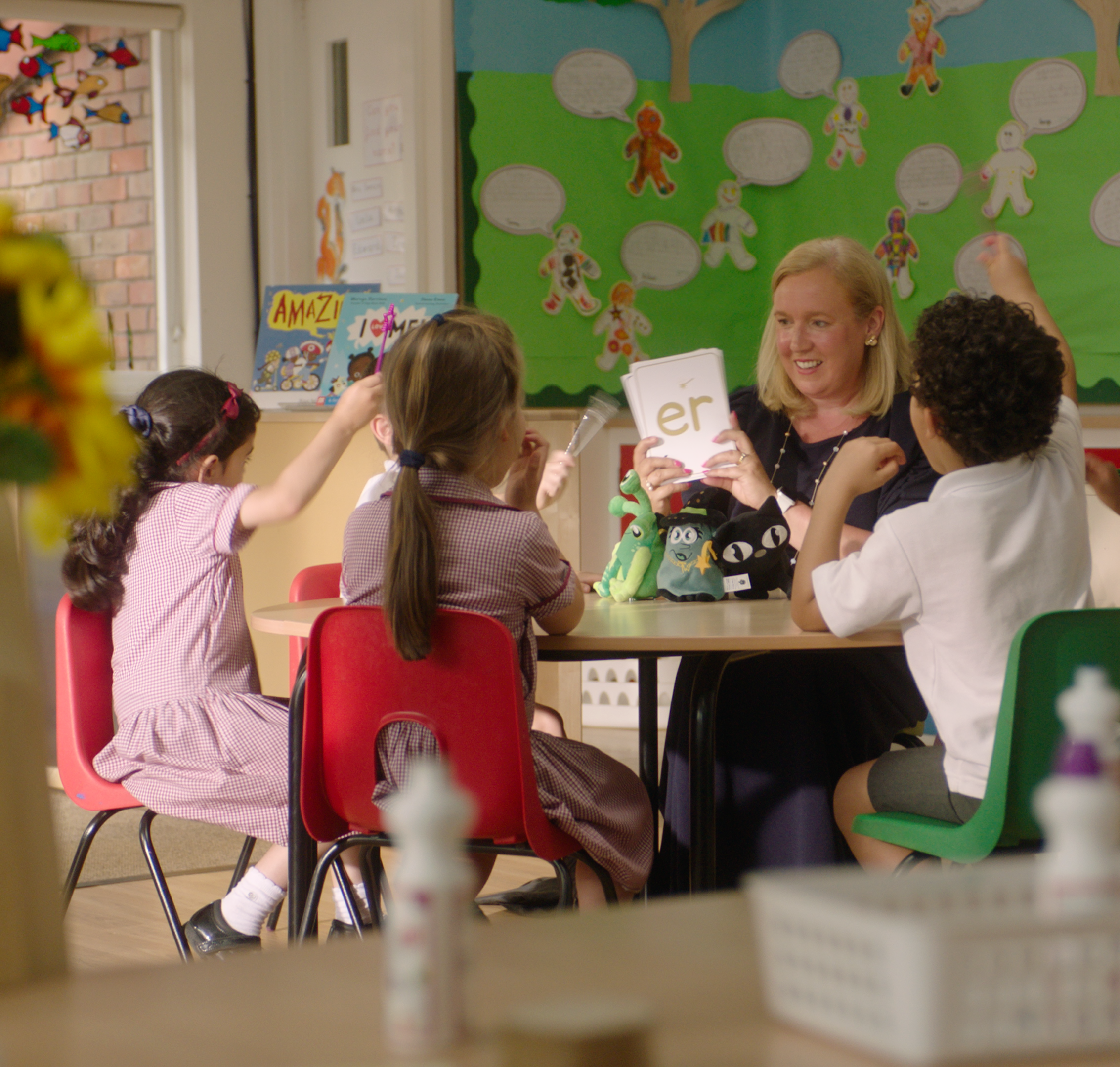
“One of the most important things for me, and something we’re very passionate about, is language development, so that is being able to use language in many different ways.
“Whether you’re in the technology area or the creative area in the classroom, you’re going to be using very specific vocabulary around what you’re interacting with, while also explaining what you are doing and what the effects are on what you’re using, and that specific language is very difficult to replicate under other circumstances.
“I think children’s vocabulary comes on in leaps and bounds when they are interacting with lots of different areas in the classroom and that the richness of the vocabulary they are exposed to from both children and adults starts to come through in their own play. So it’s actually our interactions with them as well as that play-based environment which is so key.
“We have a real job to do in terms of being present, sometimes just being there and not saying anything, because we’re observing and thinking, well what do they need next in terms of their development? Sometimes it’s to model and show the way, but also it might be using a skilled, well-placed and timed question so that a child makes a connection and learns something new.”
Even going back to a favourite toy is all part of the process. Whereby we as adults may wonder whether children are getting bored using the same toy all the time, in fact they will be learning to find new ways to do things and also to problem solve.
Sam gave an example of reception class children building structures with the ever-popular magnetic tiles: “The other day I went in there and these children were trying to make a rabbit, and I thought, I wonder how they’re going to do this because normally they just make boxes.
“Well they were experimenting with joining together the triangular pieces, and one child made a square based pyramid which he said was going to be a paw, so they were problem-solving to create the different elements of the rabbit.”
Ultimately she wants to create critical thinkers who know how to challenge themselves and will eventually be self-sufficient and able to make decisions.
“That’s what’s so important in allowing these very early developments. We know that play is stimulating the brain in a certain way for children, and their prefrontal cortex is actually being engaged by the things that they’re doing.
“If we become too formal too quickly, all those good things that are going on in play are stunted, whereas if we keep it open and very exploratory for the children, and we provide levels of challenge and keep them stimulated, then it pays dividends down the line.”
So how important is parental involvement in the learning process?
“You know, I think we’re a partnership. We have the children for a set number of hours every day and for a set number of weeks a year, but parents have got them for the majority of the time. So we need them to help and support what we’re doing.
“One of the ways we’ve done that is to help our parents to understand education now, as it has changed so much since they were at school.
“So we invited them to come in and set up play-based activities alongside little cards explaining what the children are learning from that activity, so we were upskilling them.
“Maths has changed exponentially in terms of how we teach it, and some of our parents were feeding back that they didn’t understand what their five or six-year-olds were telling them, so we brought them in for a parent engagement and learning session to show them how maths has changed.
“So partnership is absolutely key. We can’t do our job without the parents being supportive, but equally we want to support them and say that we know it’s hard, we understand the challenges, and being empathetic is also key, so helping them understand that it’s OK to say you don’t know something.”
Sam said the most rewarding thing about her job is to see the children’s progress, but also making strategic decisions that will have a positive impact on their progress, and ensuring they are confident and settled in the school environment.
“If they’re not happy, they won’t learn, and so if I see a child skip through the gate in the morning and not even look back at whoever’s dropped them off then to me that says they feel secure and safe here, and I think that progresses all the way through their learning journey.
“Actually at the core, the child you know at three is still the same child when they’re nine or ten, and you see the same personality as they go through the school.”
When asked what she enjoys most about Beechwood Park, Sam replied: “I really love hosting the children’s monthly birthday parties. Any child with a birthday that month is invited to a special birthday tea and some fun party games. Who doesn’t love musical bumps?”
Away from the classroom, she has a passion for travel, musical theatre, and exploring everything Hertfordshire.
So what’s her favourite musical? “Waitress. It’s a bit out there isn’t it? I mean, I love Wicked, but it’s so of the moment and I don’t want to say that because it’s so current.
“But Waitress has a very special place in our family. We love going to the theatre and we went to see Waitress on March 8 2020, so it was the last thing we did before Covid hit and we really realised how much we missed it when we couldn’t go.
“There’s also a song in Waitress called She Used To Be Mine, and the lyrics in that resonate with me personally, in the fact that she’s messy, but she’s kind, and we’re all complex as humans.
“I need to remember that in my job, because the families I encounter are dealing with all sorts of things that I don’t know about. When our children come to school, I don’t know what’s going on in their head so I have to treat each one without knowing what’s behind the surface.
“So those lyrics always resonate with me, and I like to keep them close and remember that we’re all complex, and we don’t know everyone’s full story, even if they’re only four.”