21 Jan 2025
Stark images of rough sleepers and people living in abject poverty have gone on display at St Albans Museum + Gallery.
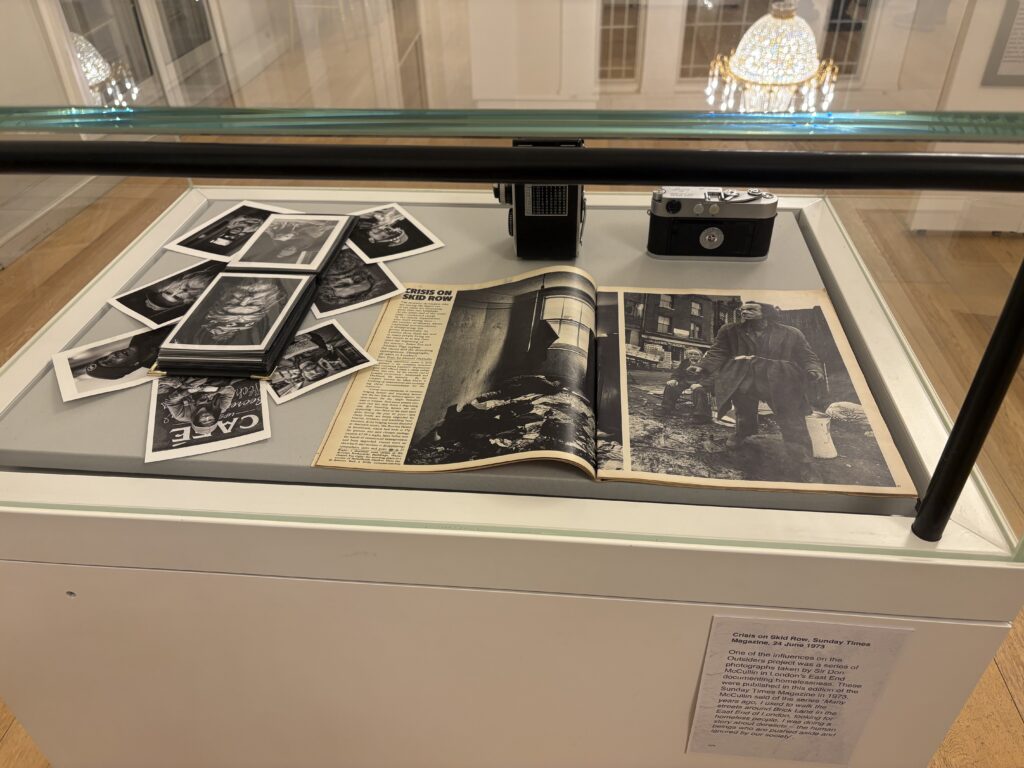
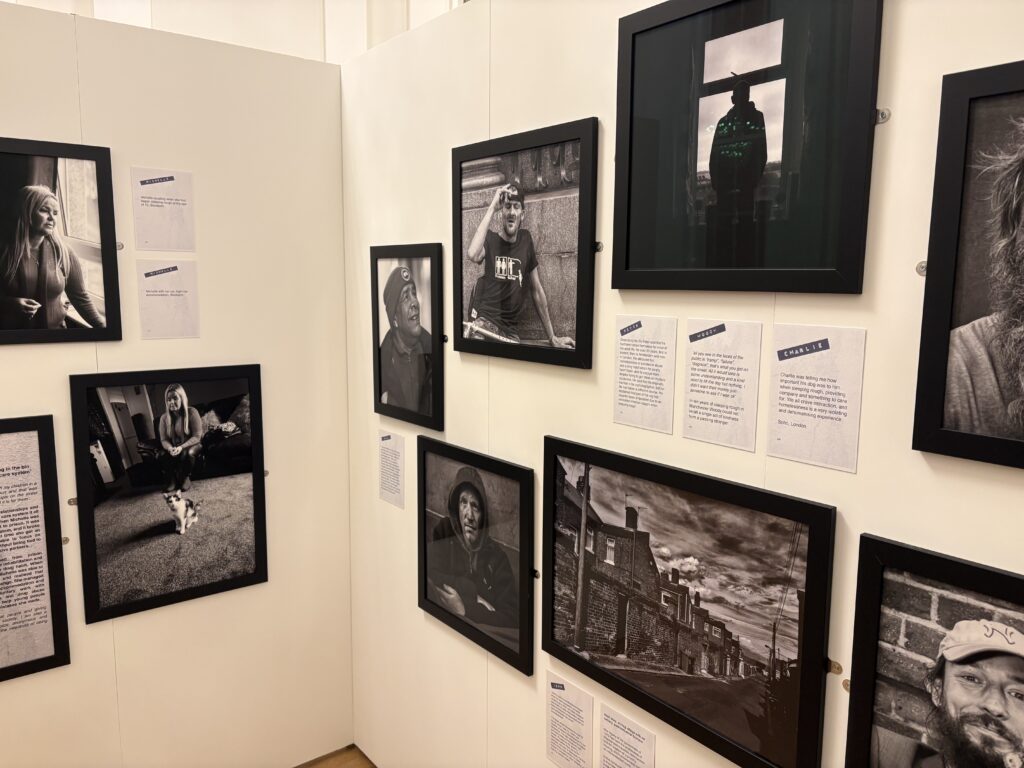
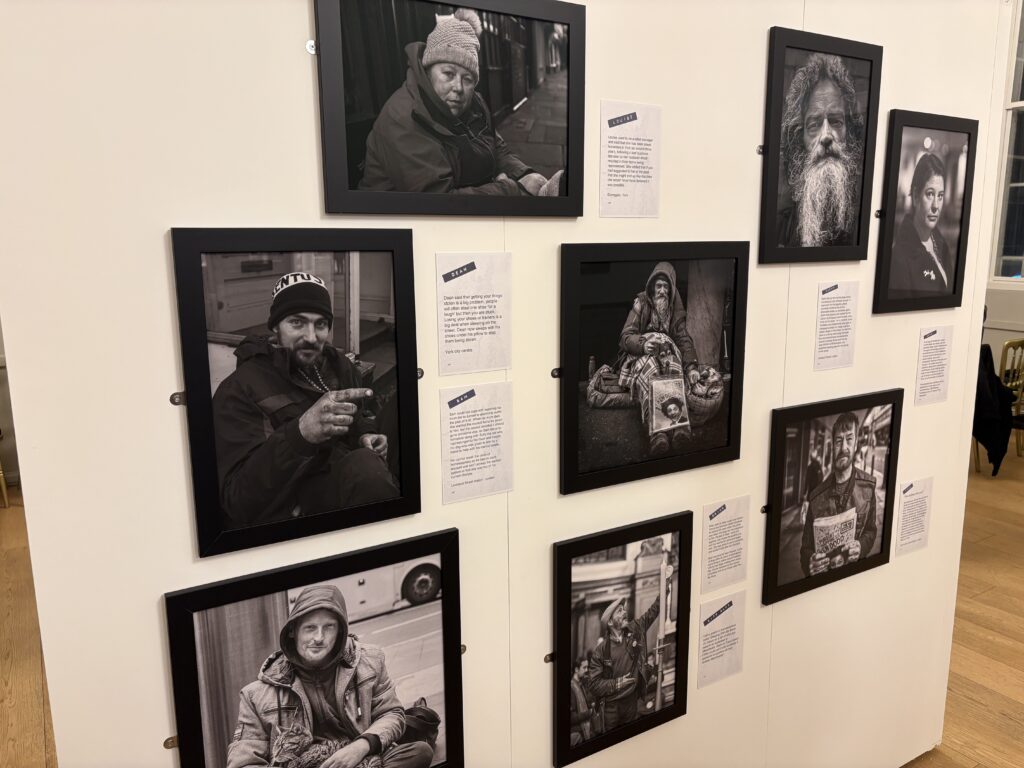
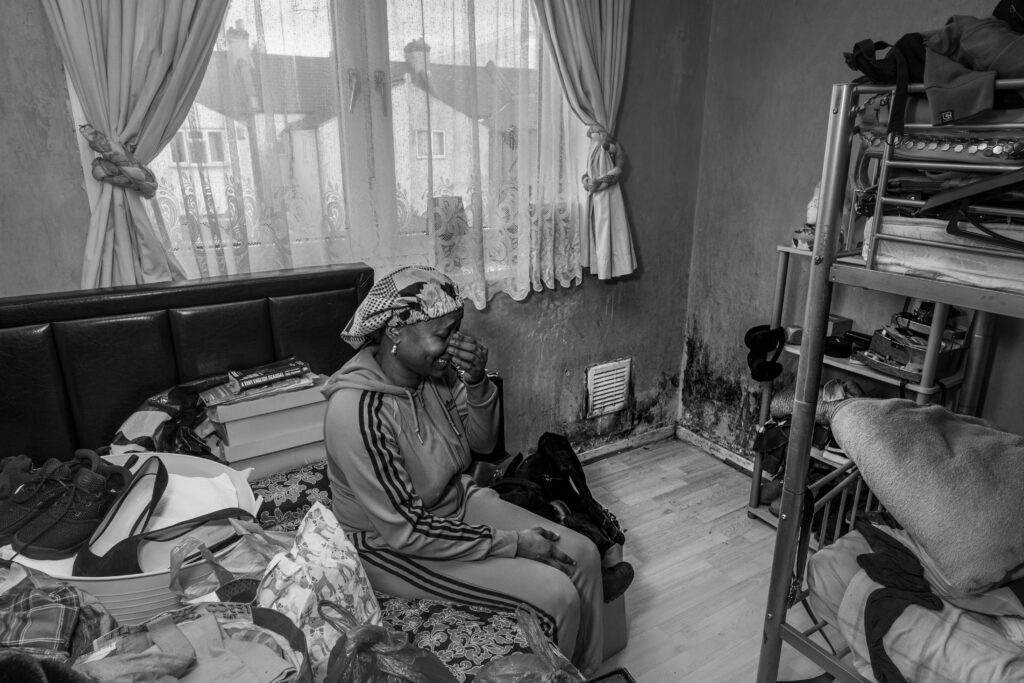
Photographer Marc Davenant spent six years compiling the challenging and compelling stories of people with lived experience of homelessness and substandard housing in black and white images.
Now his work has been collated into a new exhibition entitled Outsiders, which reveals the harsh realities faced by some of the most vulnerable members in society yet simultaneously highlights their incredible strength and perseverance in the face of adversity.
Marc, who has a passion for spotlighting social inequalities, said it was essential that participants should be presented in a respectful and dignified way,
“I was determined to bring out the humanity of people in my portraits. The worst thing about being on the street is being ignored and treated like something less than human.
“My goal was to change public perception of those who are experiencing homelessness and substandard living, share their remarkable and harrowing stories and encourage the public to see them as individuals rather than objects to be avoided.”
The free exhibition documents individuals from London to Manchester and Glasgow to Hertfordshire and depicts the living conditions that many people across the UK are experiencing right now.
Arts, tourism, culture and heritage manager at St Albans Museums, Farhana Begum, added: “We are extremely proud to be working with Marc on this important project. As a progressive cultural hub for Hertfordshire and beyond, it’s crucial that the stories we tell through our exhibitions are inclusive and open for everyone.
“His captivating imagery reveals the raw emotions and anguish experienced by people with lived experience of homelessness and social inequality. These personal stories challenge our preconceptions and encourage the viewer to feel connection, empathy and understanding – by challenging stereotypes, we can help foster a greater sense of community and help reduce prejudice.”
The exhibition can be seen in the Assembly Room until March 16.
The St Albans Times spoke to Marc about Outsiders.
You obviously spent a lot of time with your participants to build up a rapport with them and put them at ease – how difficult was it then to say goodbye and move onto your next person? Was there an underlying desire to “fix” their situations?
“I’m still in contact with some of the people from the project and it was very difficult to just move on once you had heard their story. You can’t help wanting to fix their situation and it leads to a feeling of powerlessness and in many cases a kind of impotent rage that people have been abandoned by society to live a life in slums or on the streets.
“The stories are haunting and impossible to forget, so I often still lie awake at night worrying about them all. In some cases, the act of documenting their situation did lead to change, with at least one of the participants in the project being rehoused out of a slum as a direct result of the publicity when I posted their photo on social media and the story was picked up by the Daily Mirror. Sadly, some of the people I interacted with have died on the streets subsequently, but others have been housed so there is some light in the darkness.”
Homelessness and poverty have reached near epidemic proportions in the UK – are you hoping that by shining the light on these issues you’ll become a catalyst for bigger change?
“I think a project like this is very unlikely to trigger any significant change to public policy on homelessness or poverty as that is going to require a fundamental shift in the way those experiencing homelessness are treated and the establishment of a system which has multidisciplinary support to transition people out of homelessness. I do however think the project has the ability to change public perceptions on an individual level and make people think again about how they view those who they come across on the street.
“The exhibition has been seen by 92,000 people so far and many of the comments from visitors were along the lines that it has changed their views on the issue and on the people they see who are experiencing homelessness. One thing that the project has done is allowed me to put these stories and photographs on display inside the Houses of Parliament and confront politicians with the reality of what their decisions on homelessness have led to.
“I spent an hour with Matt Pennycook during the exhibition in Parliament telling him their stories and he is now Minister for Housing and Planning. I hope that discussion did at least provide some food for thought.”
In affluent St Albans, the divide between rich and poor is growing increasingly wider – is this something you’ve encountered elsewhere? What message would you like to convey from your work to tackle this issue?
“I have encountered this in most of the places where I’ve documented homelessness and poverty. People prefer not to know and remain in denial about the issues unless they are confronted with them directly. Those who tread the corridors of power devising housing and welfare policies have no lived experience of poverty. They have mostly enjoyed a privileged existence insulated from the reality of day-to-day life for so many on the bottom rungs of society, where there is never enough of anything, and every single day is a struggle to make ends meet. There remains a comprehensive disconnection between the policy makers and the policy takers.
“One unifying theme on homelessness is that of isolation and loneliness and a craving for human acknowledgment and interaction from those who pass by. Many of the societal problems which underpin the homelessness crisis seem intractable and beyond our ability to resolve but on an individual level we all have the ability to make the lives of those who are experiencing homelessness a little better by acknowledging them, making eye contact, and sharing some time and a kind word with those who we see on the street. They are people, someone’s son or daughter, and a little human interaction can make an enormous difference on that day to an existence which is otherwise bleak.”