21 Oct 2024
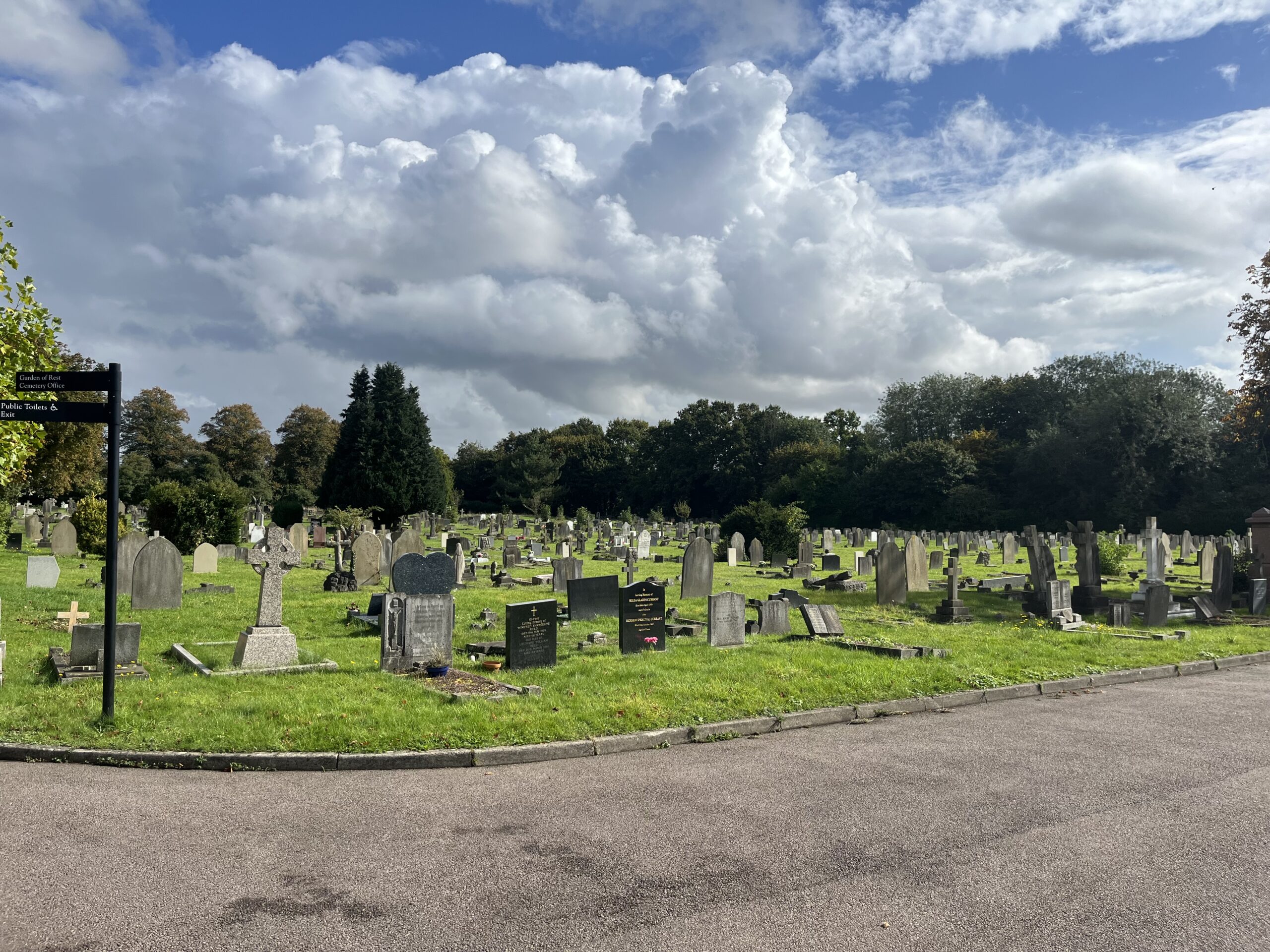
It might be said that dead men tell no tales, but that certainly doesn’t apply to many of the men – and women – whose final resting place is in Hatfield Road Cemetery.
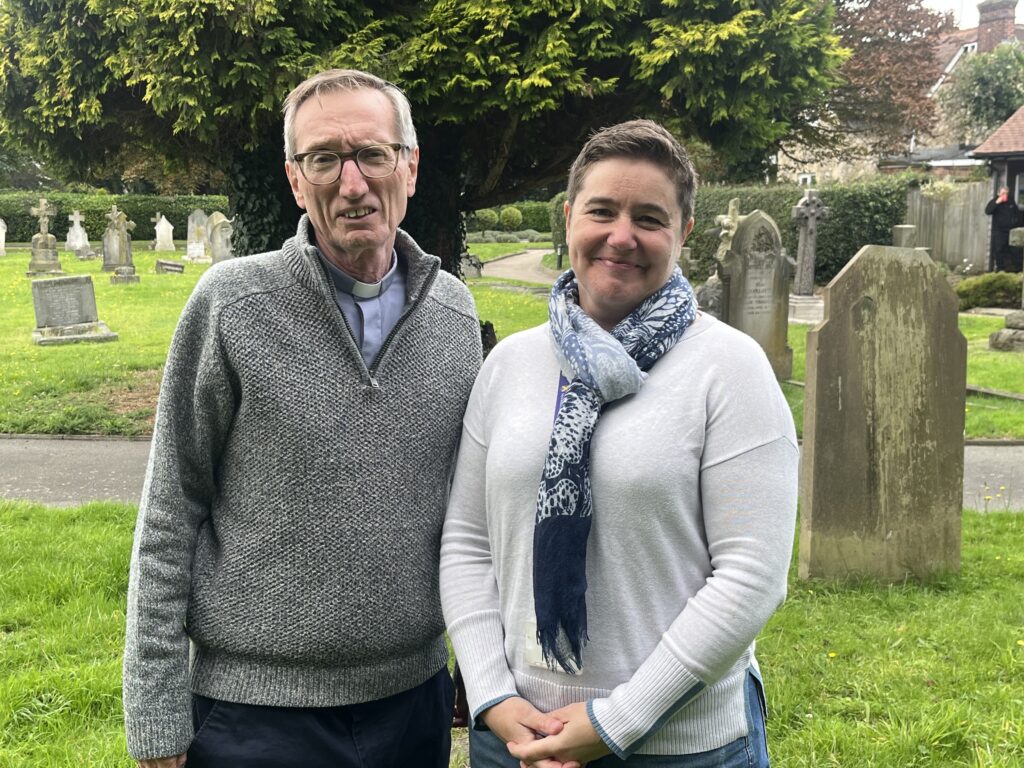
A walk around this tranquil green space one sunny autumn afternoon in the company of cemeteries superintendent Kate Mercer and local minister Rev Peter Crumpler yields a wealth of information about the site and the people buried there, stories of famous lives and forgotten paupers, of mayors and murderers, scientists and soldiers.
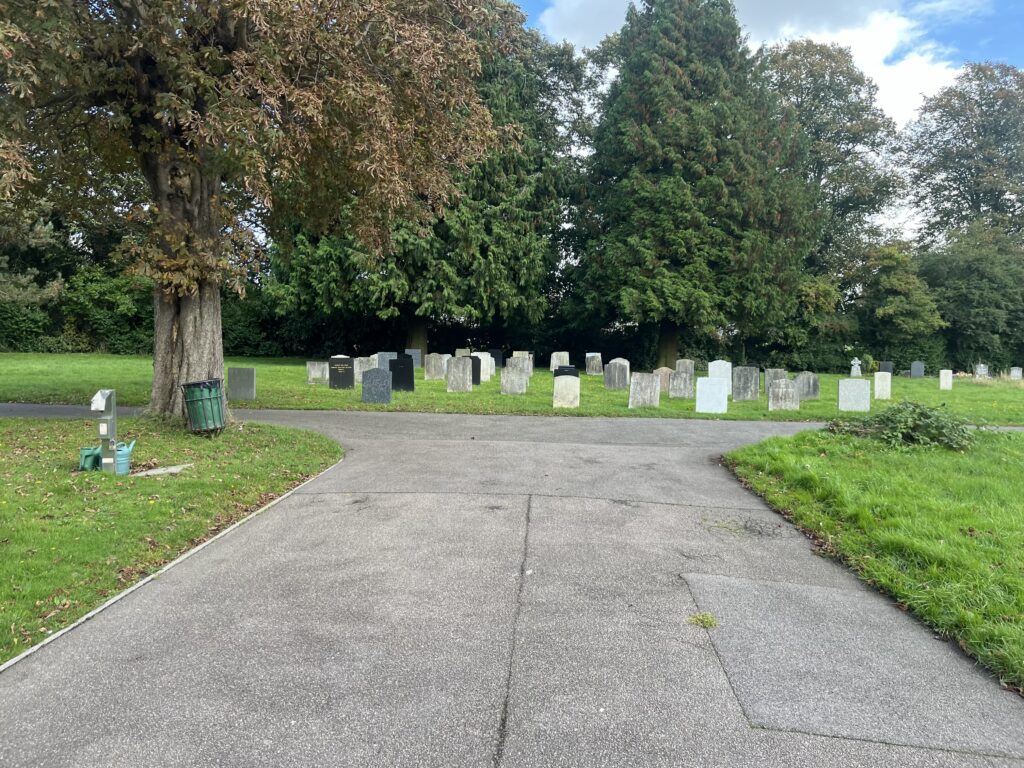
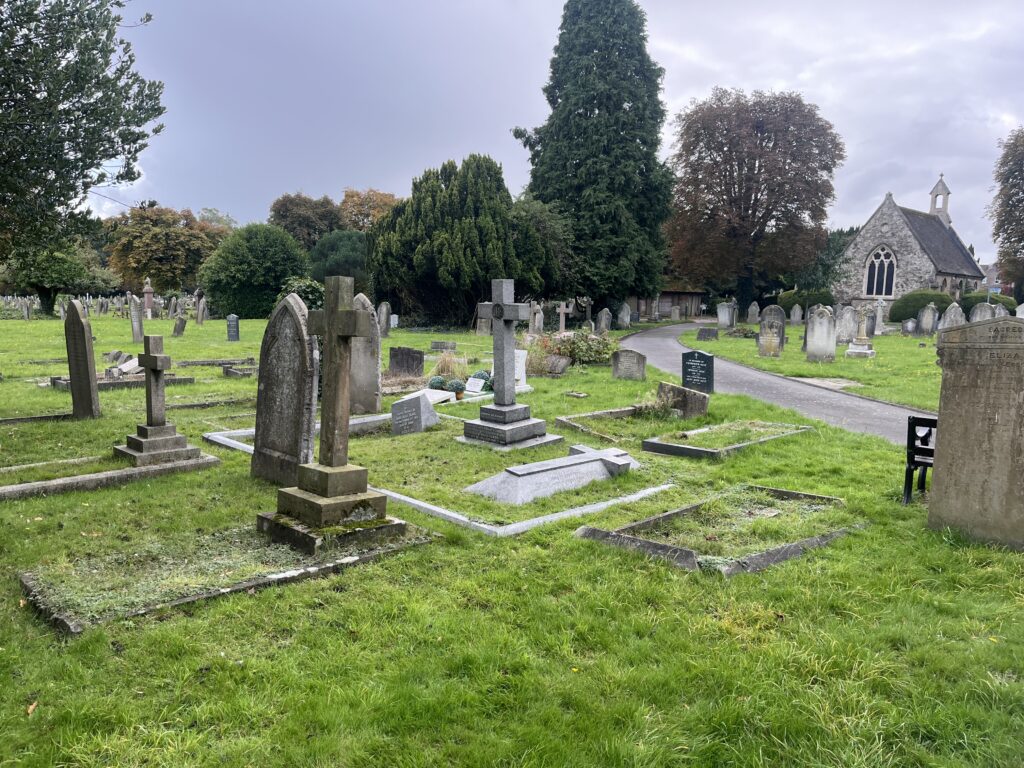
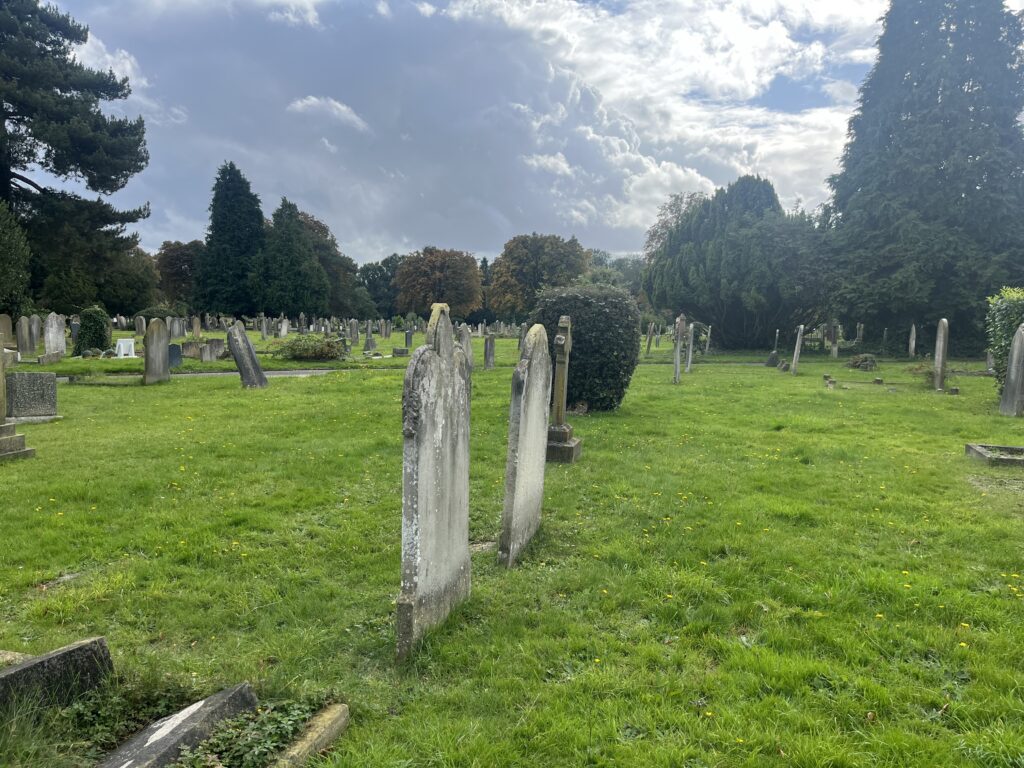
But while our focus is on these individuals, it is also worth nothing the history and features of the cemetery, a green oasis in the heart of Fleetville which gained extensive use during the long lockdowns of the pandemic, as residents sought alternative open spaces for their daily exercise away from the usual parks and playing fields.
Since it first opened in 1884, Hatfield Road Cemetery has witnessed the burials of more than 30,000 people in 13,650 graves, the discrepancy coming from the fact that many unpurchased graves have been used for additional burials if space was available.
The land, which was originally purchased by St Albans council from Earl Spencer in October 1883, surprisingly once included a hay meadow, which produced a usable crop and income to offset the cost of burial services in the late 1880s and 1890s.
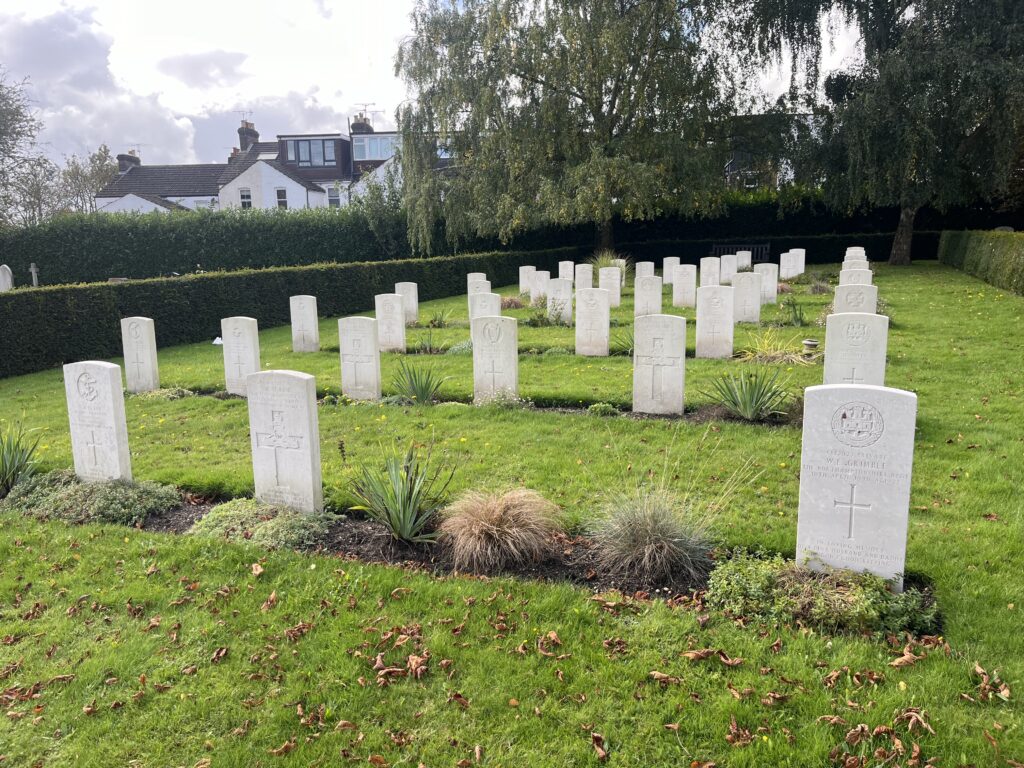
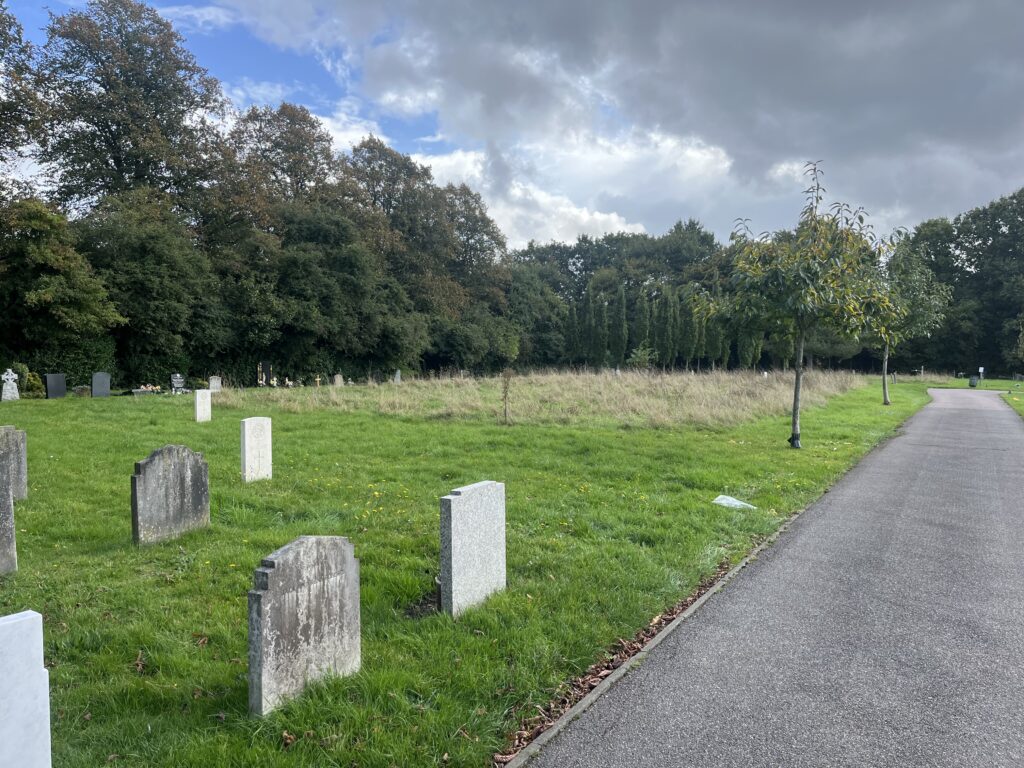
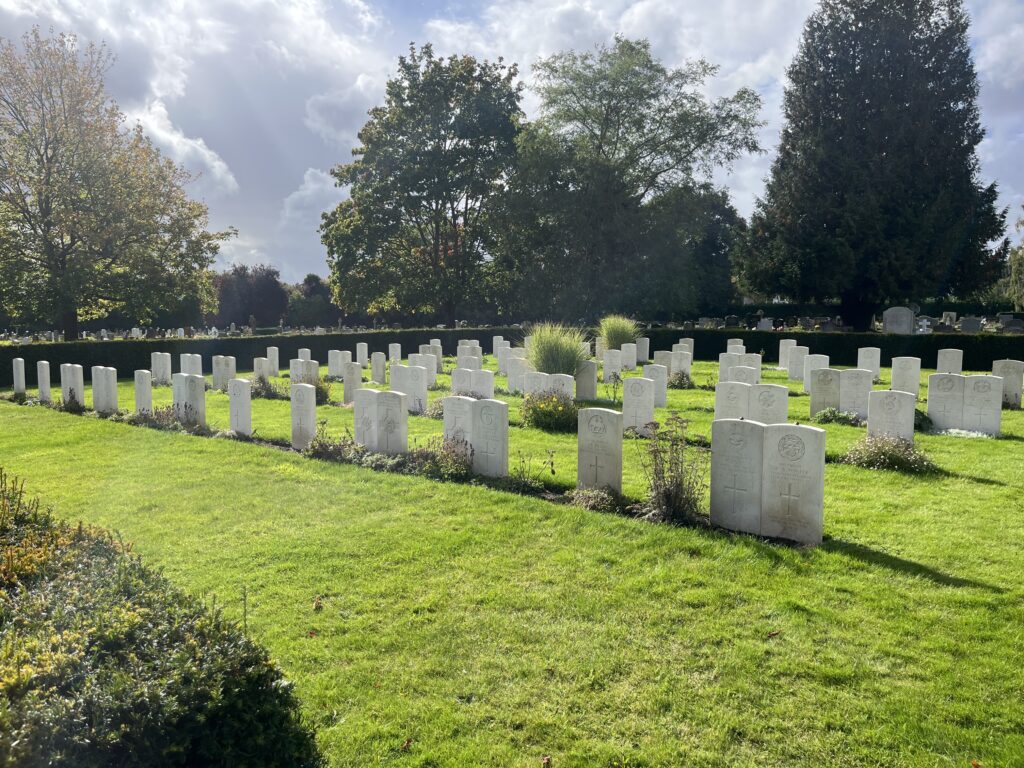
The cemetery was used for military burials during the two World Wars, and includes more than 200 war graves for locals and Commonwealth servicemen and women who died during the conflicts, as well as many from the nearby military hospitals at Napsbury and Hill End. These are now maintained by the Commonwealth War Graves Commission, who clean and repair any memorials when required.
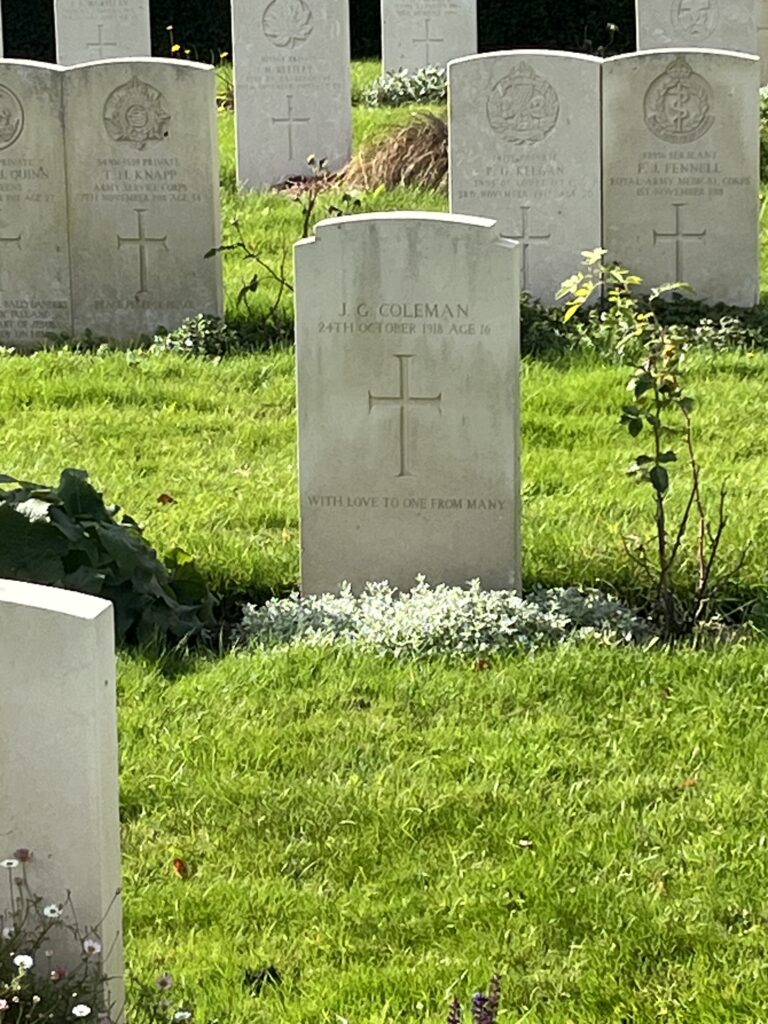
One of those graves remembers John Coleman, who served as a drummer boy to the Duke of Bedford’s Private Band. He died from pneumonia following influenza on October 24 1918, just a matter of weeks before the end of the conflict, having only enlisted the previous Easter.
A former pupil of the Abbey School, he worked in Messrs Johnson’s straw hat factory in Dagnall Street, and was just 16 when he died. John is one of the 15 residents of King’s Road, St Albans, who gave their lives during the First World War, and a memorial honouring their sacrifice was unveiled on the street last year following a fundraising campaign.
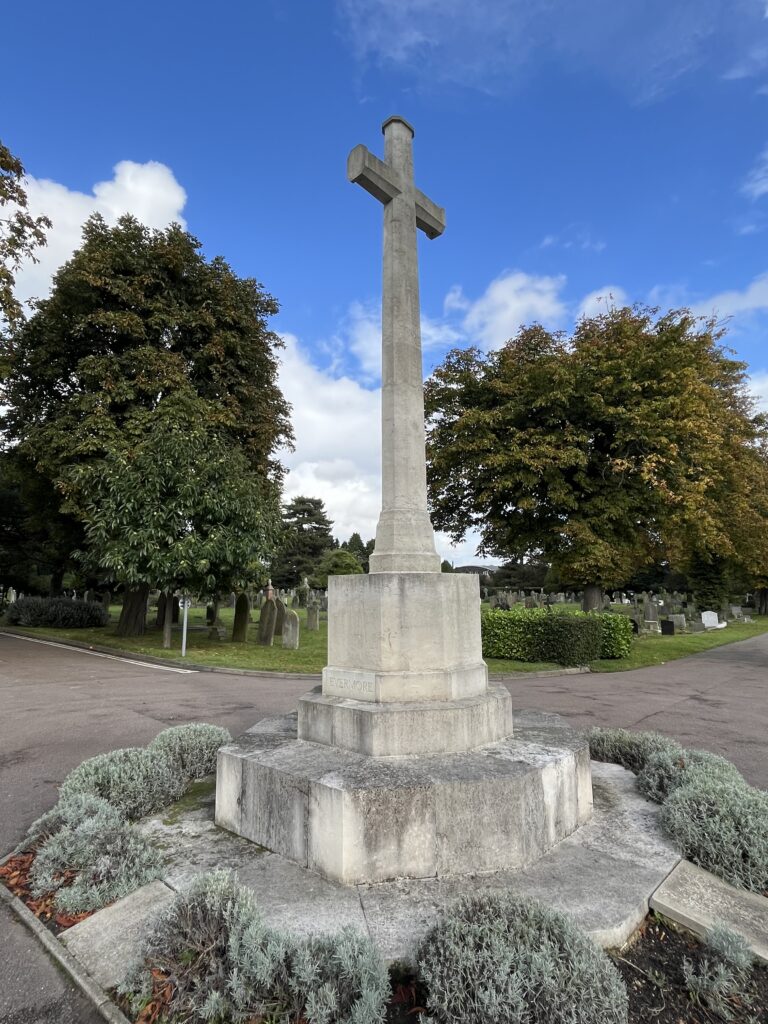
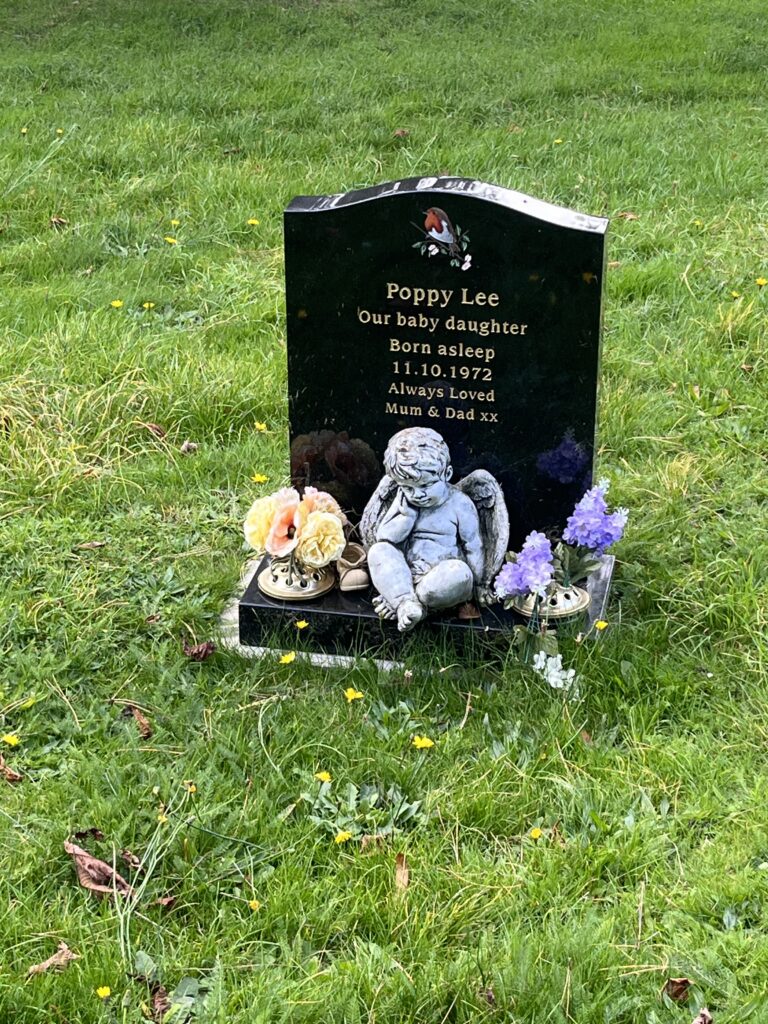
In the centre of the cemetery is a Great War memorial, designed in 1920 by the Bishop of St Albans, upon which are laid Remembrance Day wreaths from nearby St Paul’s Church, while at the eastern edge are the unmarked public graves where lie the poor, convicted criminals, stillborn babies and others for whom a private plot was not an option.
They include Great Northern Railway stationmaster Jonas Ellingham, who was murdered in the St Albans station house by his deranged wife in 1918, and Mary Ann Ansell, the youngest woman hanged in private and the last woman hanged in the 19th century, who was executed at St Albans Prison on July 19 1899 for poisoning her sister.
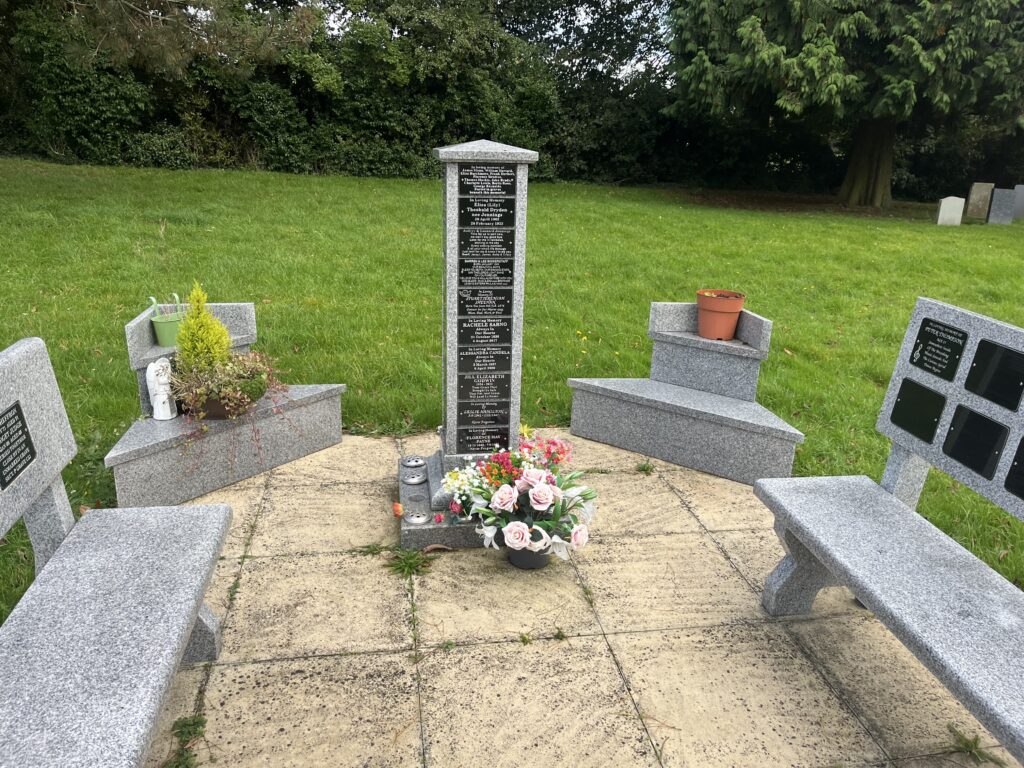
A recently erected memorial offers family members the opportunity to recognise those who are buried in unmarked graves, the exact location of which may never be known.
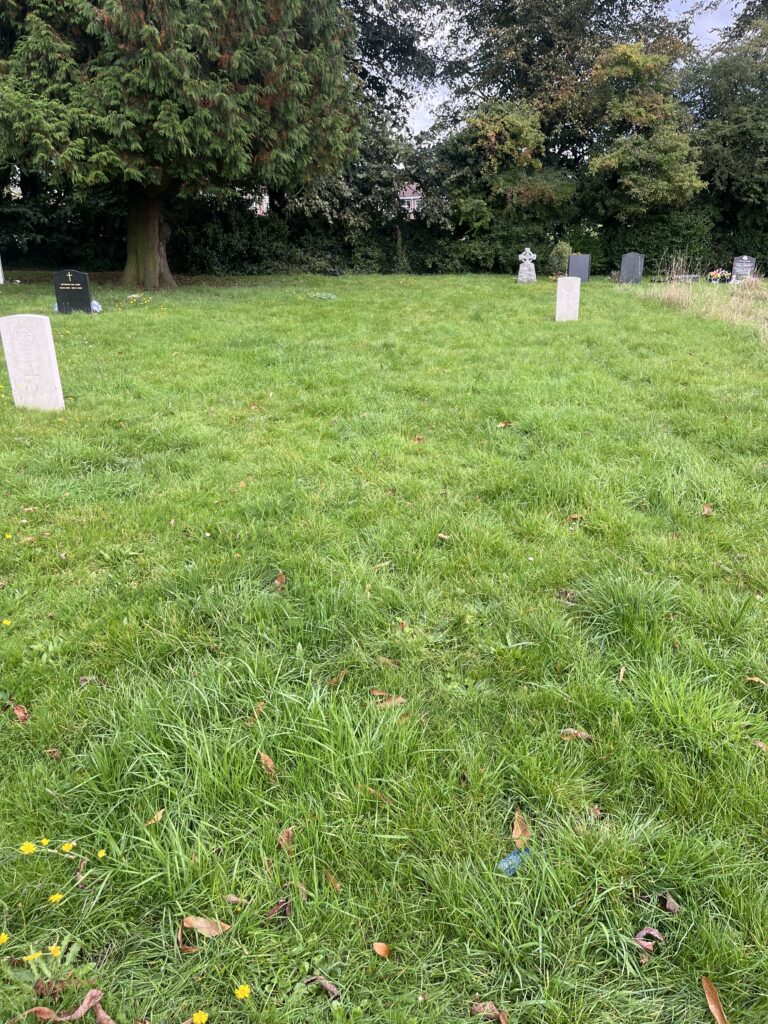
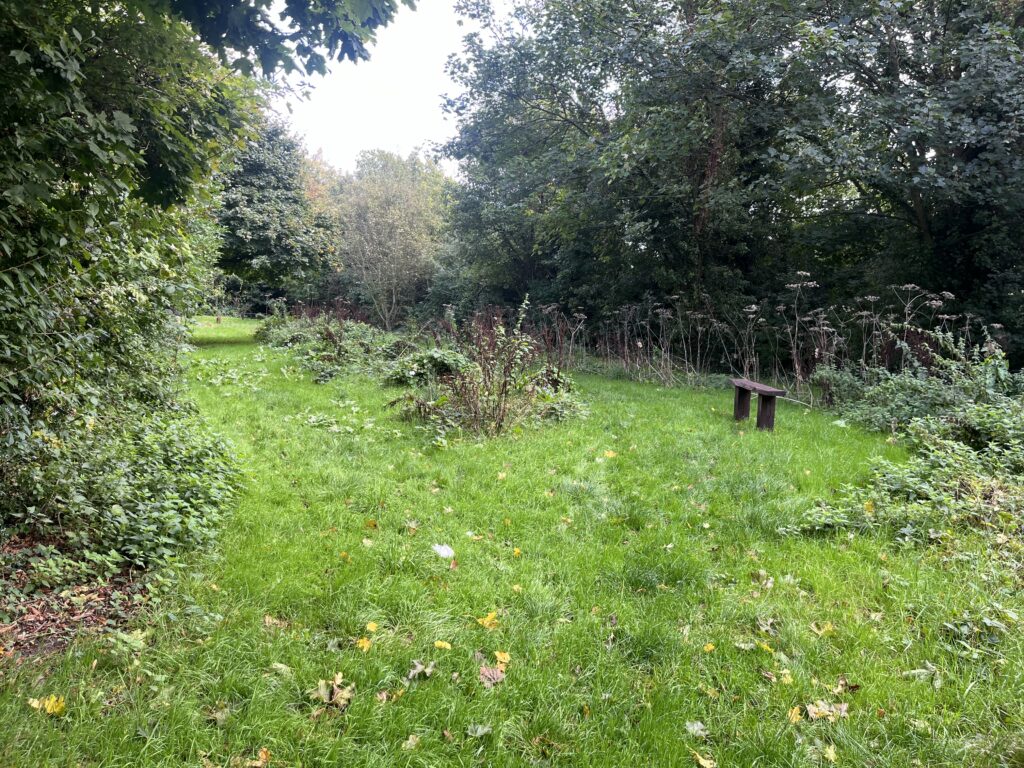
Adjacent to Fleetville Junior School’s field is a secluded section of the cemetery used for green burials, which mean those people interred there cannot be embalmed or buried with anything which will not biodegrade. Their markers are simple untreated wood, frequently an upturned log.
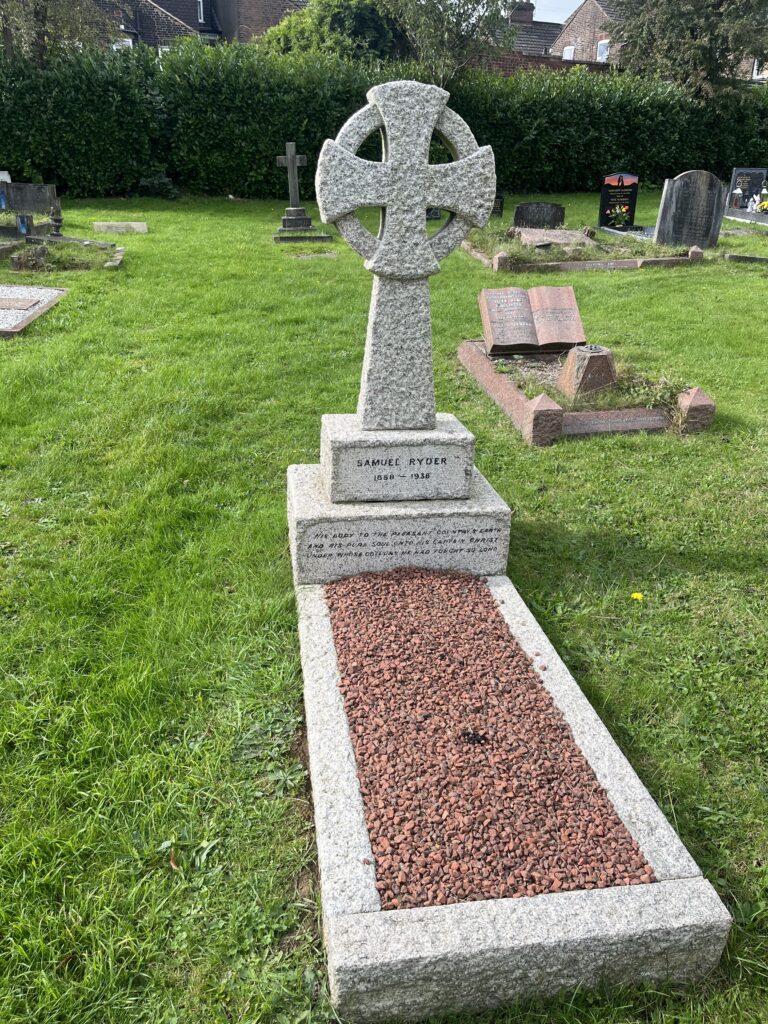
Perhaps the most famous person buried at the cemetery is Samuel Ryder, founder of the world-renowned Ryder Cup, whose grave is often found covered with golf balls. He is also known locally for his seed business, herbal shops, and involvement in local politics, which included becoming Mayor in 1905.
The general manager of Ryders Seeds, Charles Davis, is buried elsewhere in the cemetery with his wife Marie – Samuel’s sister – and their son Tom Anderson-Davis, who drew up the original deed of trust for the Ryder Cup.
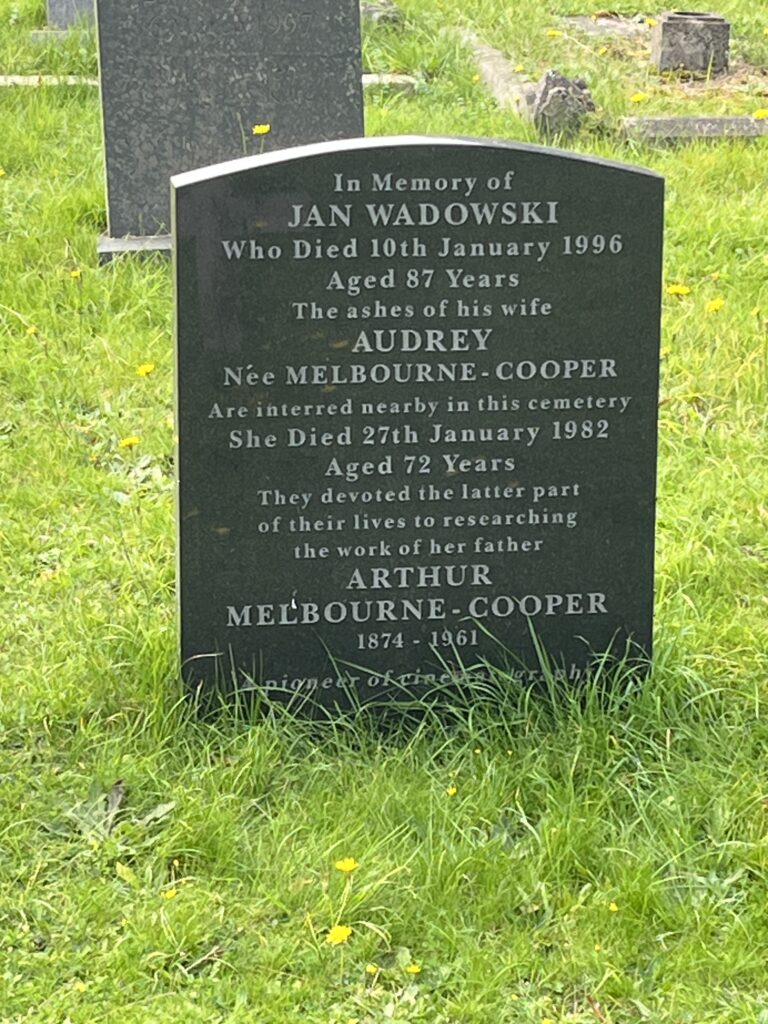
Another grave remembers Jan Wadowski and his wife Audrey, who was the daughter of pioneering cinematographer Arthur Melbourne-Cooper.
As well as producing over 300 films between 1896-1915, of which an estimated 36 were all or in part animated, Arthur opened Herts’ first permanent cinema, the Alpha Picture House in London Road in 1908, on the site of what is now The Odyssey. Audrey and Jan devoted the latter part of their lives to researching his work and career.
William Watson, who was head curator of the Royal Botanic Gardens at Kew, is also buried at the cemetery, one of several leading horticulturalists found there. He had his own nursery stretching from Hatfield Road – opposite what was St Peter’s Farm, down to the branch railway (now the Alban Way).
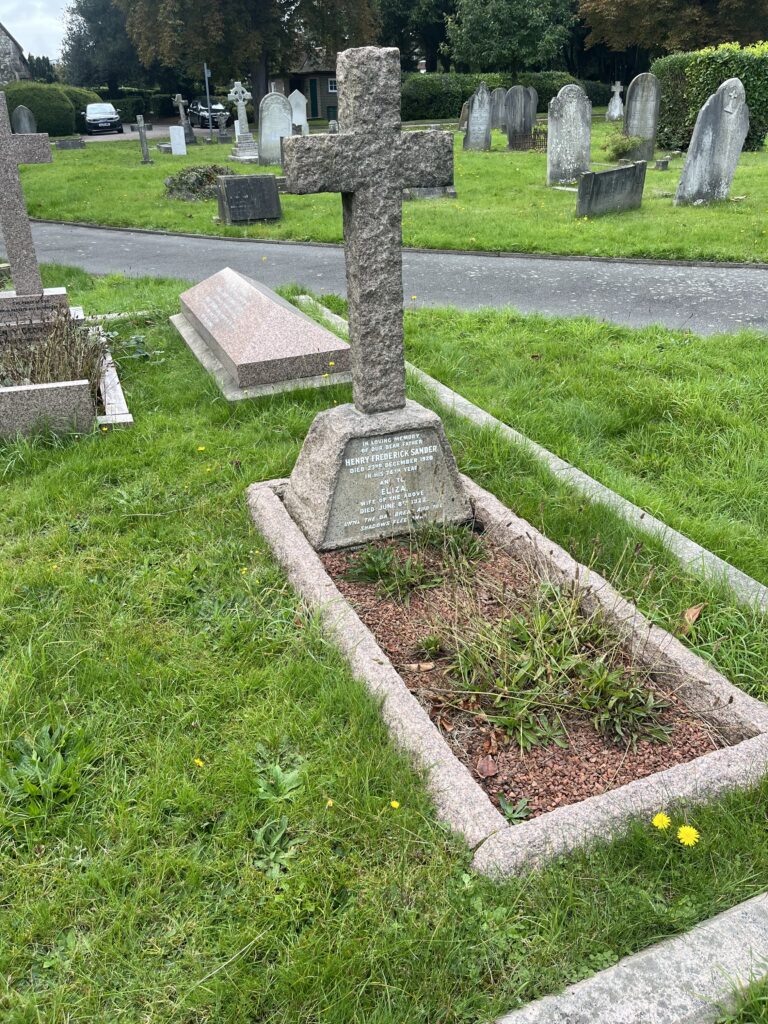
He enjoyed a lifetime friendship with Frederick Kropp – also buried at Hatfield Road – author of The Orchid Hybrid List and son of the ‘Orchid King’ of St Albans, Henry Frederick Sander.
Kropp later married Watson’s daughter Isabel, and his father, Frederick Sander, built his orchid nursery to the left of the far wall of the cemetery, so it is rather fitting that he is also buried there, as is his wife Elizabeth, one of the Fearnleys, a prosperous middle-class Victorian family.
Frederick came to Britain as an immigrant after fleeing his native Germany, and went on to become a leading orchidologist, even presenting Queen Victoria with a 6ft bouquet of orchids on the occasion of her Golden Jubilee.
Arriving in St Albans in the 1870s, he purchased various plots of land to use as nurseries, including the Gaol Field between Camp Road and the county prison adjacent to the new Midland Railway (today the Breakspear housing estate), what became the recreational part of Clarence Park, and William Watson’s nursery.
He divided off the top half and had the Cavendish estate built, with the income from this development used to create his nurseries. The nurseries are today closed but remain the location of SS Alban & Stephen Junior School.
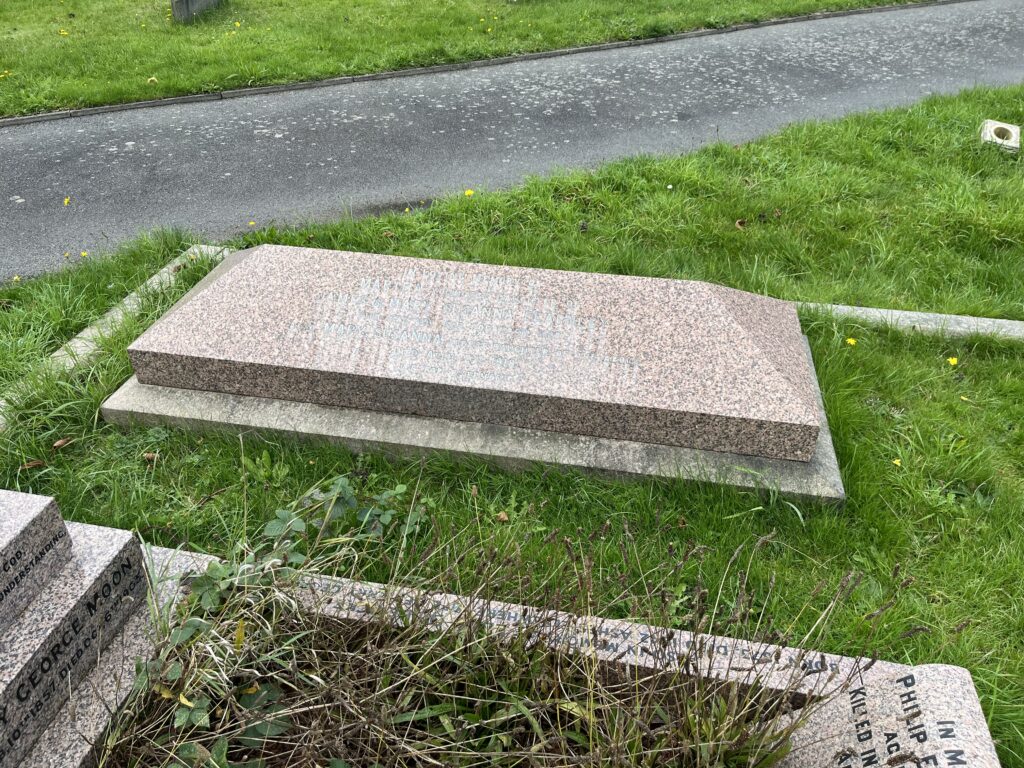
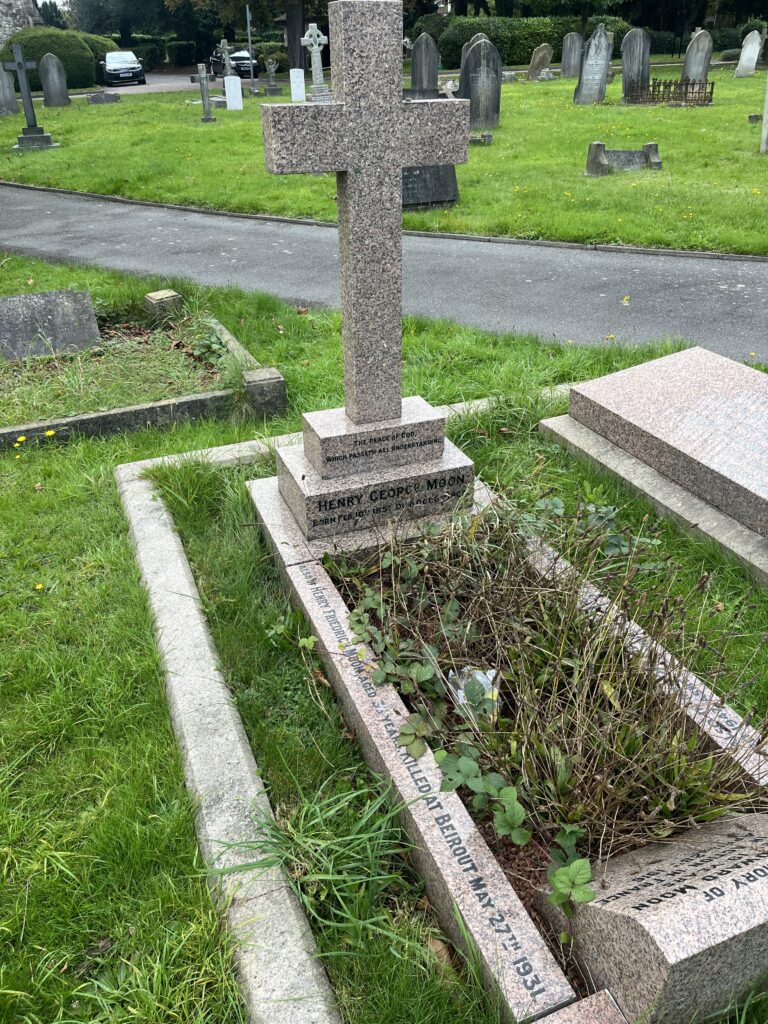
Frederick and Elizabeth’s daughter Eliza married artist Henry Moon, who is mainly remembered today for his depictions of orchids, many of which appeared in Sander’s four-volume Reichenbachia, and his grave can also be found nearby.
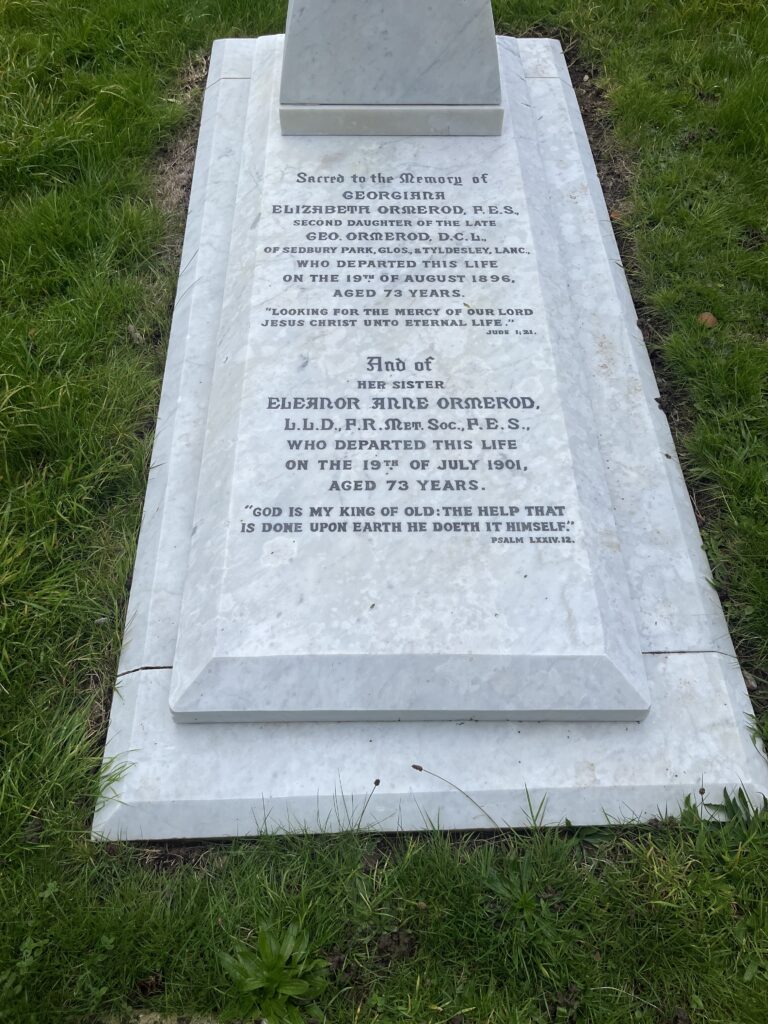
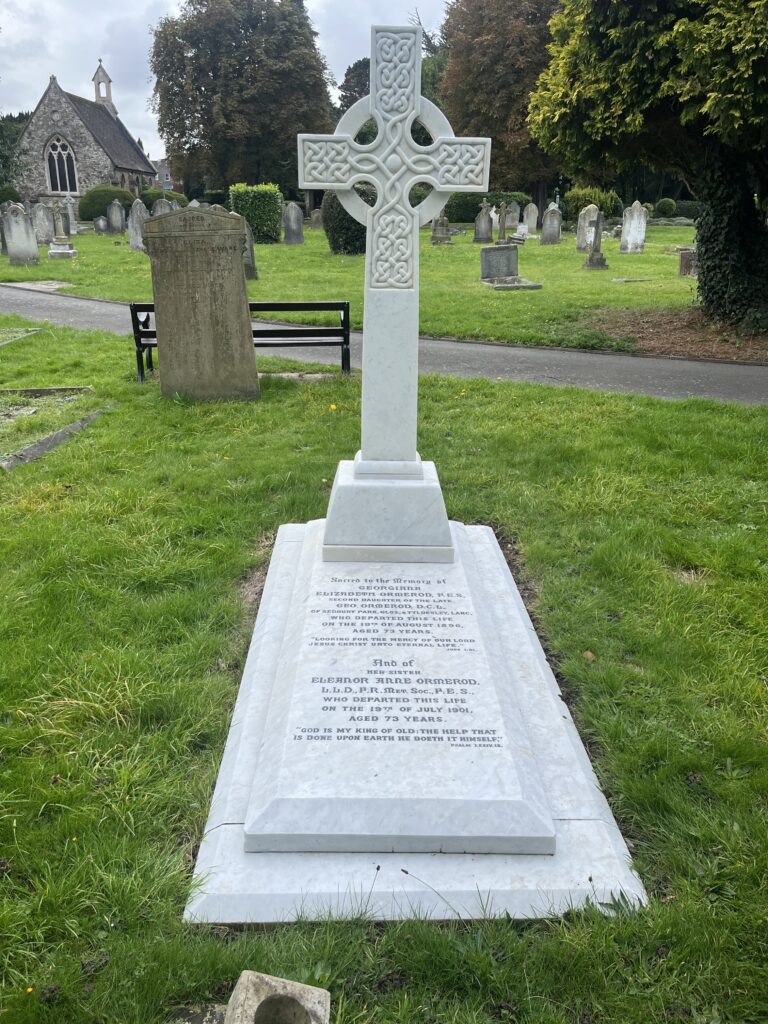
The last of the prominent people buried at Hatfield Road Cemetery is renowned entomologist Eleanor Anne Ormerod, who lived in Torrington House on Holywell Hill.
She was pivotal in establishing economic entomology in this country, the study of insects that benefit or harm humans, domestic animals, and crops, as a science of national importance.
Eleanor lectured at the Royal Agricultural College and, due to her work on the relationship between weather and insects, became the first woman to receive a Fellowship from the Meteorological Society. A story based on her life, Miss Ormerod, was written by modernist author Virginia Woolf.
So the next time you’re walking down Hatfield Road and have some time on your hands, why not take a stroll around the cemetery and see if you can find the graves of those featured in this article, some of St Albans’ most renowned citizens whose stories fascinate even today.
Additional research by Mike Neighbour from his website stalbansowneastend.org.uk