


13 Oct 2024
Are SADC’s food hygiene inspectors being unduly harsh on our beleaguered hospitality industry?
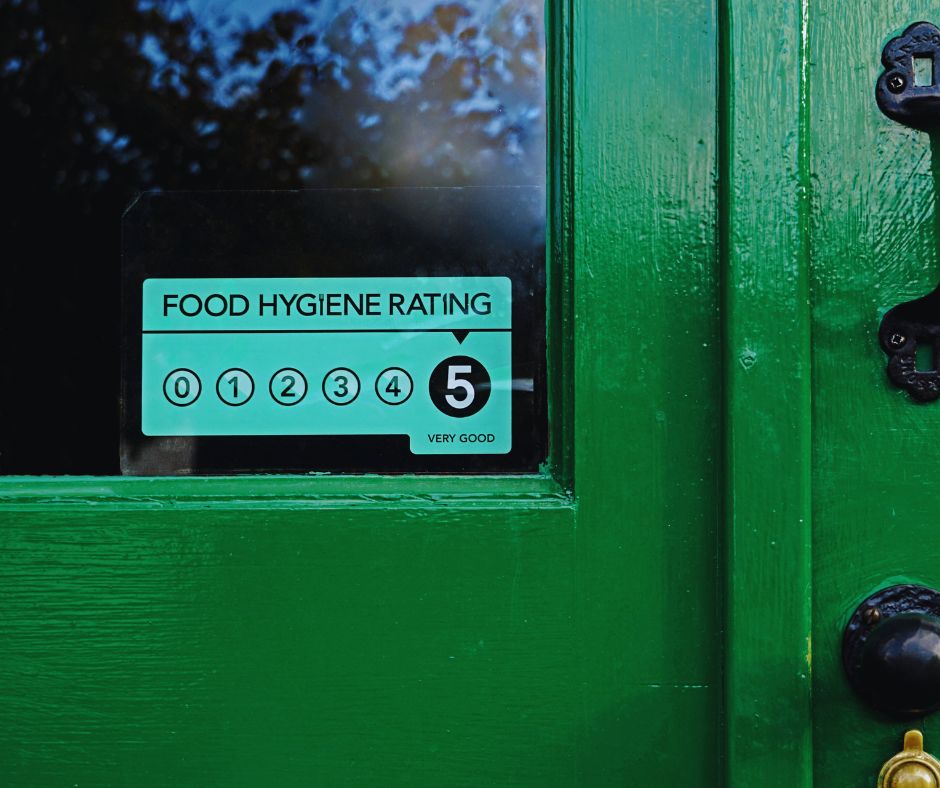
The past year has seen several businesses awarded potentially devastating Food Hygiene Ratings, only for these to be reversed following a re-inspection just weeks later.
An inspection of Ye Olde Fighting Cocks in March resulted in a score of just one star after it was told major improvements were needed in the management of food safety, resulting in the pub spending thousands of pounds installing new LED lights in the kitchen, retiling, tackling damp in the wine store and replacing a leaking cooler in the cellar.
After paying SADC £250 for a second inspection, the score was changed to five stars.
Landlord Martin Robinson said at the time: “We’ve been eagerly waiting for another visit as we knew we would regain a 5-star rating because we corrected the issues immediately, at huge cost, when told about them. However it took time for them to return, but we are happy that at last they have given us the rating we think we deserve.”
A similar situation occurred at Italian trattoria Verdi’s in Clarence Park, which was also awarded one star after the inspector highlighted that improvements were needed in hygienic food handling, the cleanliness and condition of the facilities and building, and the management of food safety.
It later transpired that the inspection took place ahead of work by SADC to repair the roof, which meant preparations for this project were well underway. A full five out of five was also awarded on appeal, again following a £250 pay-out for a re-inspection.
Another city centre business, who requested we did not identify them, also received an unexpectedly low Food Hygiene Rating from an SADC inspector.
The owner was terrified the business would suffer after being awarded a one-star rating, and immediately forked out £250 for a re-inspection, which resulted in a healthy four stars.
They said: “We take food hygiene extremely seriously and we shocked to receive a poor rating, it just didn’t seem right and certainly didn’t reflect the high standards we adhere to.”
We asked SADC to explain the process behind food hygiene inspections, and why there was a fee for re-inspections.
Strategic director of community and place delivery Chris Traill said: “Our Food, Health and Safety Team carry out around 700 hygiene rating inspections a year at the district’s 1,129 registered food businesses that qualify for the scheme.
“This is a duty under the Food Safety Act and we follow the Food Safety Agency’s code of conduct, typically visiting a business every 18 months.
“The vast majority of our food businesses comply with regulations and only 2.6% of businesses score a low rating of zero, one or two.
“Any rating less than three is reviewed by a senior officer who will examine the photographic and physical evidence such as mice droppings.
“Ratings are scored on merit and we will not hesitate to award a low rating on the rare occasions when it is deserved.
“For example, we investigated one establishment after a family group complained of being served raw burgers, endangering their health.
“An inspection revealed serious failures in food preparation and it was given a zero rating and advice on urgent improvements which were carried out.
“We cover the cost of the regular inspections that we initiate, so there is no charge to the businesses concerned.
“However, businesses will be charged if they request an inspection or a re-inspection after making improvements to upgrade their rating.
“It seems only fair that they should cover the cost of this additional work rather than council taxpayers and this practice is in keeping with FSA guidelines.
“The £250 fee only recovers our costs, calculated according to the average staff hours and administration involved.
“The fees for this additional work are published on our website and approved by councillors.
“Our team are trained and qualified professionals whose paramount concern is protecting the health and safety of the public.
“To do this, they work closely with the district’s food businesses and have an excellent relationship with them, advising them on their responsibilities and helping them achieve high standards.
“For example, we offer a mentoring service for businesses that want staff to be trained on food safety and the regulations they must comply with.
“Shortly after an inspection, the business is sent a letter notifying them of their rating and giving them 14 days to respond.
“The rating is uploaded onto the Food Safety Agency’s database following that period, provided there is no appeal.
“We carry out these uploads twice a month, so at the very most there should only be a gap of four weeks between a rating and its publication online.”
