16 Sep 2024
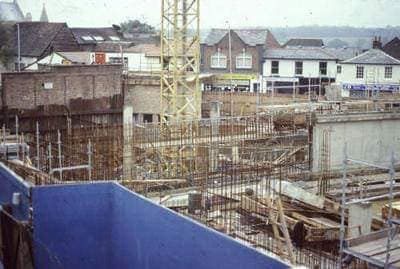
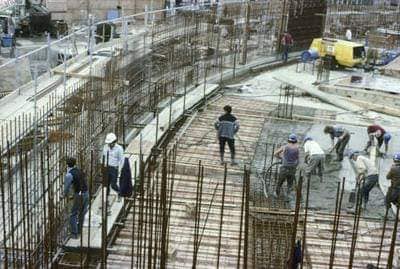
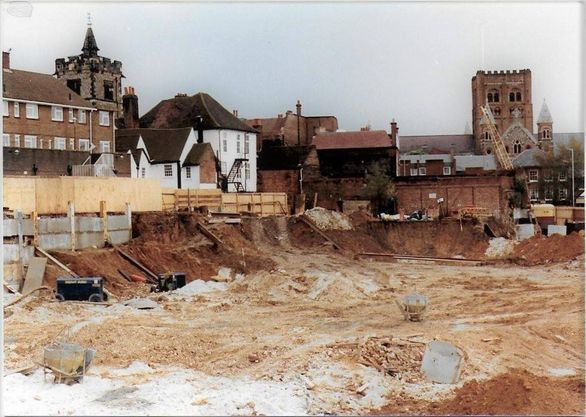
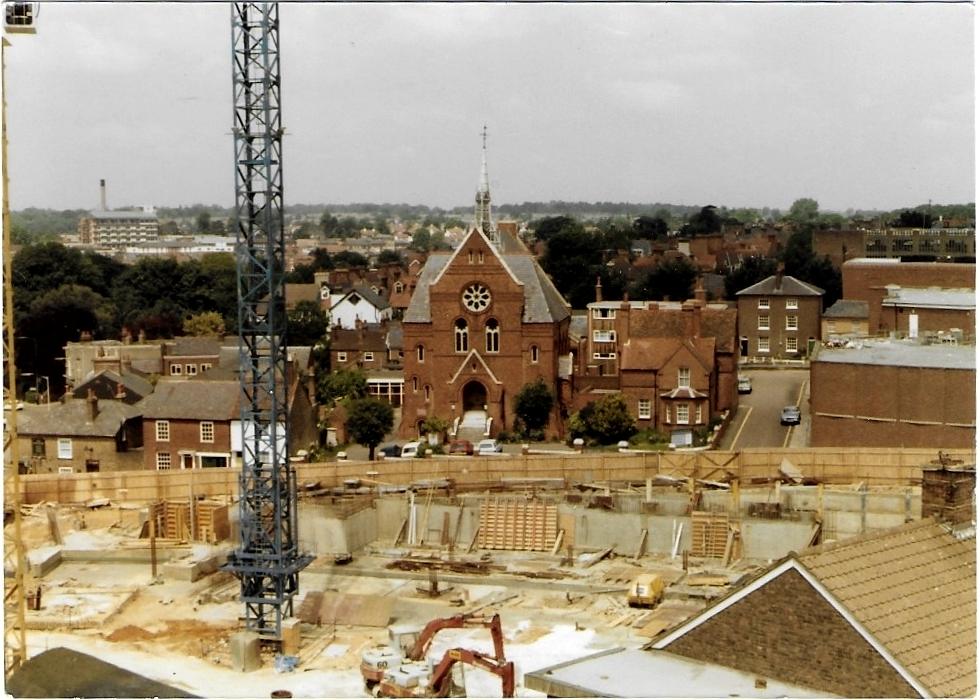
New photos have been discovered which show the construction of Christopher Place Shopping Centre in the 1980s – but what predated the building?
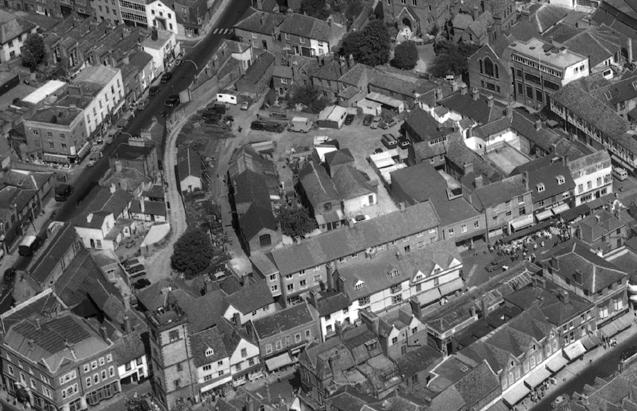
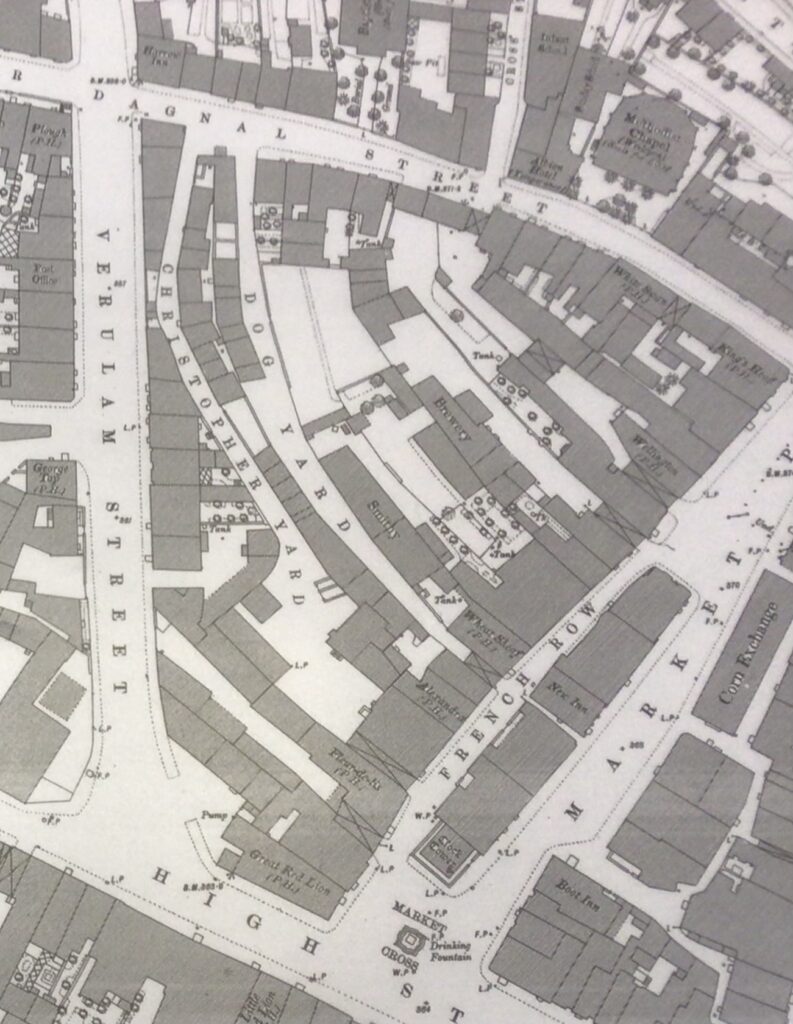
The shopping centre is located on an area between Verulam Road, Upper Dagnall Street, Market Place and French Row, on a site which included the yards for the Christopher and Dog Inns in French Row, as well as slum housing for some of the poorest people in the town.
A dramatic increase in the population meant that there was little room, even in the old stable yards attached to the city’s once thriving coaching inns. These backyards contained tumbledown cottages and tenements where the ‘down trodden and forlorn’ were housed.
By the late 1830s, slum tenements filled the former innyard of the Christopher public house. In 1838 the council was asked to resolve the ‘nuisance’ arising from the overcrowded state of the Christopher, which then housed 10 families, mainly paupers, eight of whom were suffering typhus fever. It reopened as a beerhouse in 1840, and the landlord Neptune Smith subsequently found himself accused of running a brothel.
The land later became known as Gentle’s Yard after a 19th century building firm which occupied one of the properties.
As recorded in the records of the first general meeting of the St Albans Architectural Society, the condition of the site in 1845 left much to be desired: “The effluent from the slums of nearby French Row and Gentle’s Yard (now Christopher Place) either drained into cess pits beneath the property (often contaminating the sub-soil) or was stored outside in readiness for collection by the night soil carts.”
Towards the end of the 1800s St Albans Council received statutory powers to demolish such unsuitable dwellings. But a lack of willpower coupled with vested interests defeated attempts to improve the situation. Moreover, with no stock of alternative housing to offer, councillors were wary of signing demolition orders that would, with the sweep of a pen, leave yard-dwellers homeless.
Families continued to be housed in tenements in Christopher Yard well into the 20th century. A young boy described it as follows in around 1915: “At Christmas I was made to fill a bag with cast off toys and take them down to French Row and distribute them to the ragged children who swarmed in the narrow alleys which led off the Row. It was then a dreadful slum. Although it was December many of the children were without boots or shoes.” (From the memoir of Rev Frank Horner West, courtesy of St Albans and Hertfordshire Architectural and Archaeological Society.)
Much of the site was eventually bought by the council in 1949 at which time some sections of opinion thought that the whole area between French Row and Verulam Road should be cleared to make way for modern redevelopment. Fortunately more sensible heads prevailed and French Row was saved.
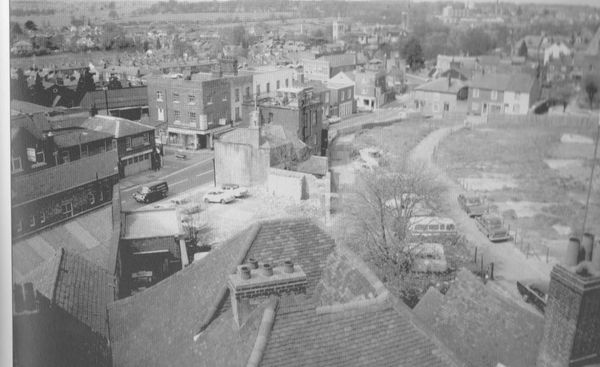
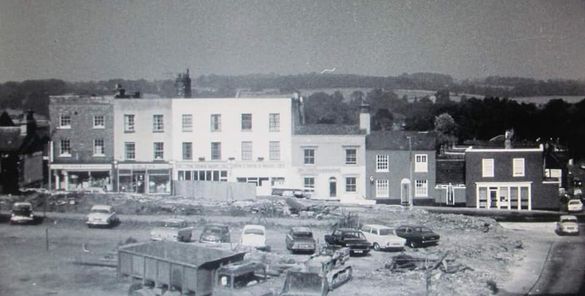
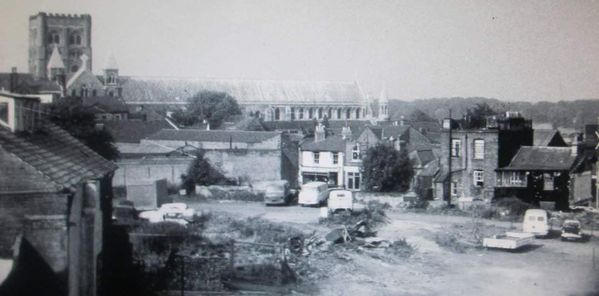
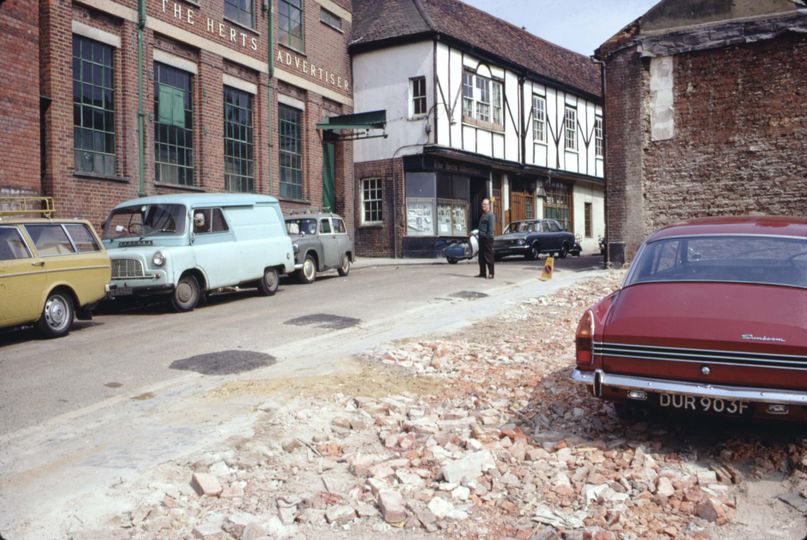
While preservation work was carried out on the former Christopher Inn at 3-7, Gentle’s Yard remained a wasteland potted with bricks, rubble and greenery.
After being cleared of much of this detritus, it was used for a surface car parking, and as a cut-through between Verulam Road and French Row.
Legendary St Albans local Ginger Mills lived on the site in his battered old camper van during the 1970s.
Gentle’s Yard was subsequently subject to a planning brief for retail and residential development with car parking, but Ginger claimed squatter’s rights, the whole matter went to court and he was subsequently paid around £14K to vacate.
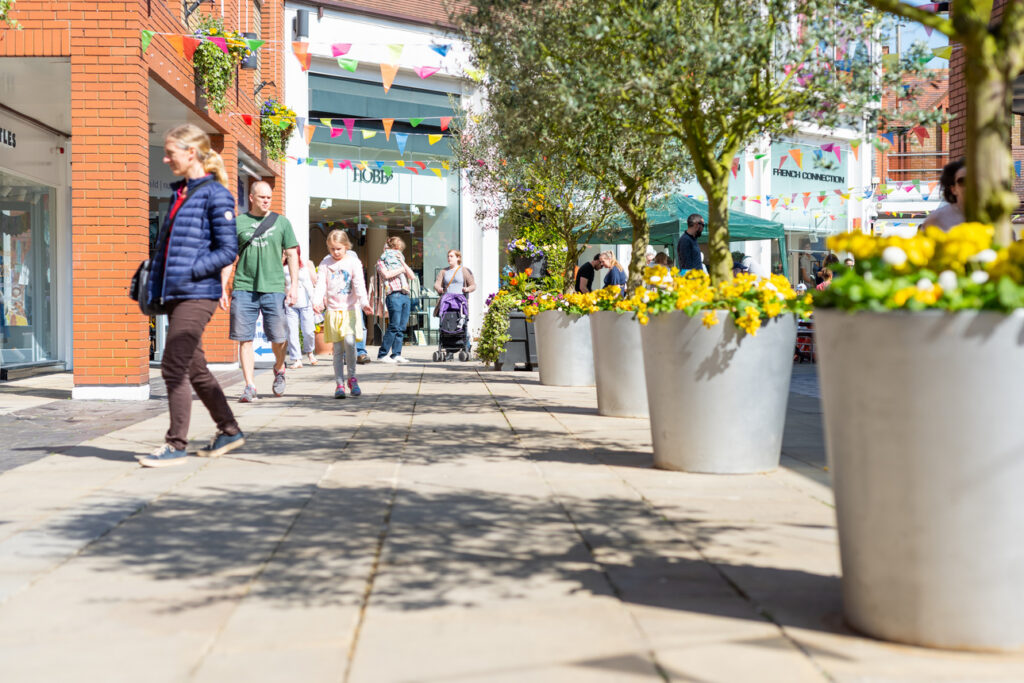
The resulting shopping centre was designed by architects Gordon Benoy and Partners in a neo-medieval style, and named Christopher Place, consciously preserving the name of the Christopher Inn.
In researching the history of Christopher Place, we came across an account by an archaeologist using the pseudonym of The Laughing Curator, who wrote a blog about the work they undertook on the Gentle’s Yard site in the 1960s.
They said: “In 1966 there was no legal requirement for landowners to fund excavations if they wanted to build on land of suspected archaeological interest, and very little provision for investigating threatened sites. Paid posts for trained professional archaeologists were few and far between.
“’Rescue archaeology’ was largely carried out by amateurs, using whatever funds and equipment they could beg, borrow or otherwise scrounge. In St Albans that meant St Albans and Hertfordshire Architectural and Archaeological Society.
“In 1966 they ran a training excavation on Gentle’s Yard, the training being given by society members who had served an apprenticeship over the years by working on other sites. The trainees were mostly young people from local schools. They were led by the museum’s conservation officer. There was not an archaeology degree among us…
“These were the days before computers, satellites, drones and the internet, so the equipment which is now standard on most archaeological sites did not exist…
“As for photography, one of the images engraved in my mind from those days was that of the museum photographer, a rather large man, balanced precariously on top of a long stepladder. I can’t imagine why he never fell off.
“We found no ‘treasure’ on that excavation. But although most of the finds were 18th century or later, there was sufficient evidence of medieval occupation for a much more extensive excavation to be carried out by the field archaeology department of the museum 15 years later immediately before the shopping mall was built. This recovered valuable evidence about medieval St Albans.
“I took part in that excavation as well, as onsite finds officer. By then I had a degree in archaeology and another 10 years experience in various parts of the world.
“I went on to study and publish some of the medieval pottery from Gentle’s Yard, now renamed Christopher Place, and eventually became part of the museum staff myself.”
See: https://thelaughingcurator.co.uk/medieval-treasure/