08 May 2024
The good people of St Albans and surrounding area have never been ones to sit back quietly and just accept the established way of doing things. Over the centuries there have been many examples of dissent, non-conformity, riots and downright revolt.
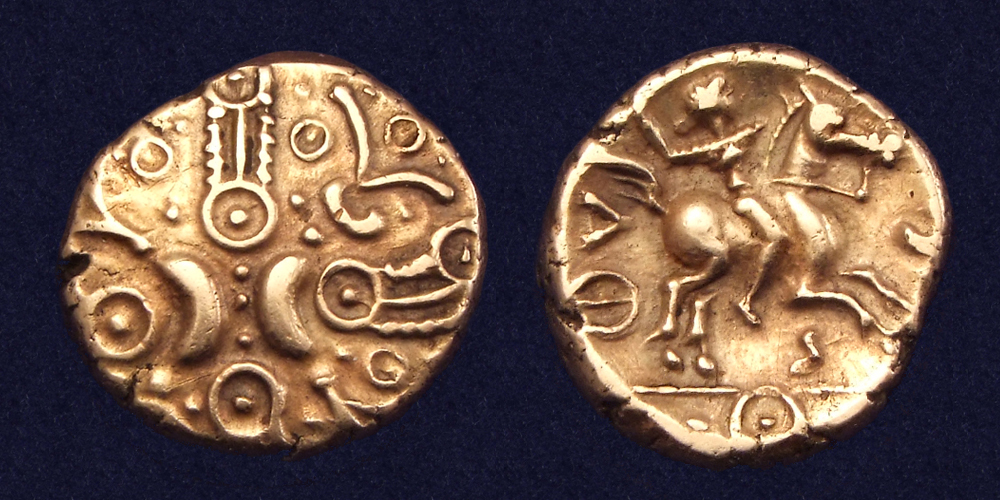
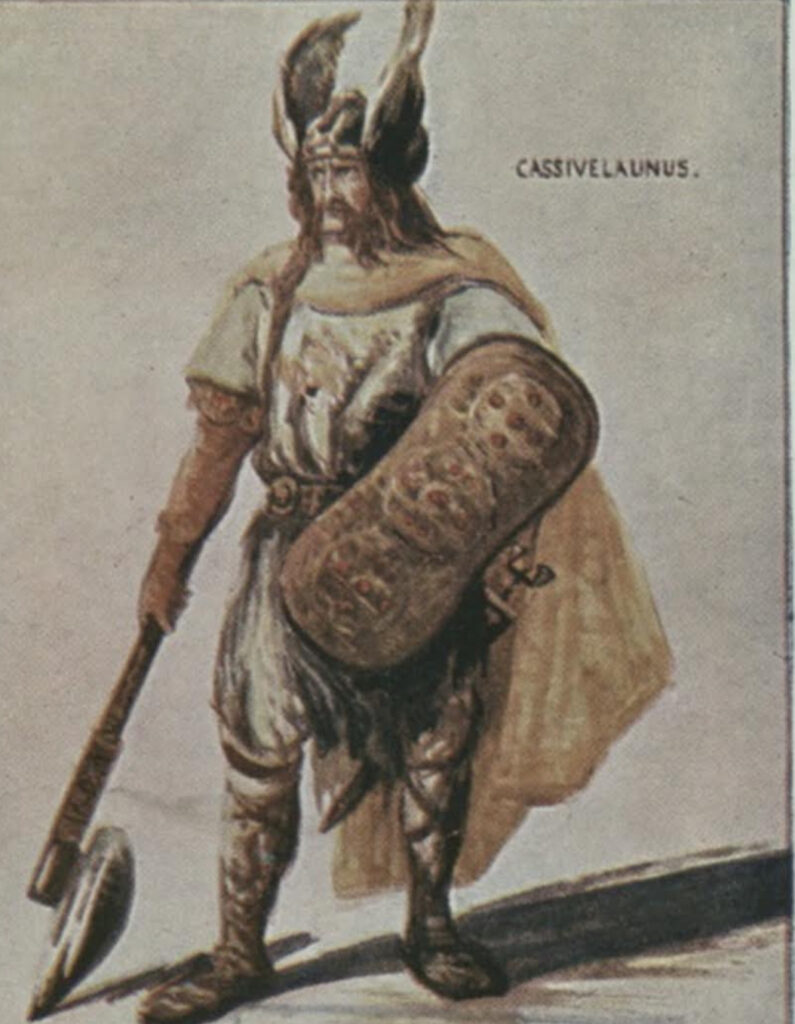
It all started over 2000 years ago with the brave warriors of the Catauvellauni tribe. Originally based around what is now Wheathampstead, their name is believed to mean “excelling in battle”. When Julius Caesar made his exploratory expedition to Britain around 54 BC, Cassivellaunus the tribal king fought back. Thanks to betrayal by other Britons, he and his warriors were defeated but not destroyed. Caesar, by the way, may have liked Britain’s mineral resources and plentiful crops but wasn’t impressed by the climate: “The nights are short and the weather miserable with frequent rain and mists.”
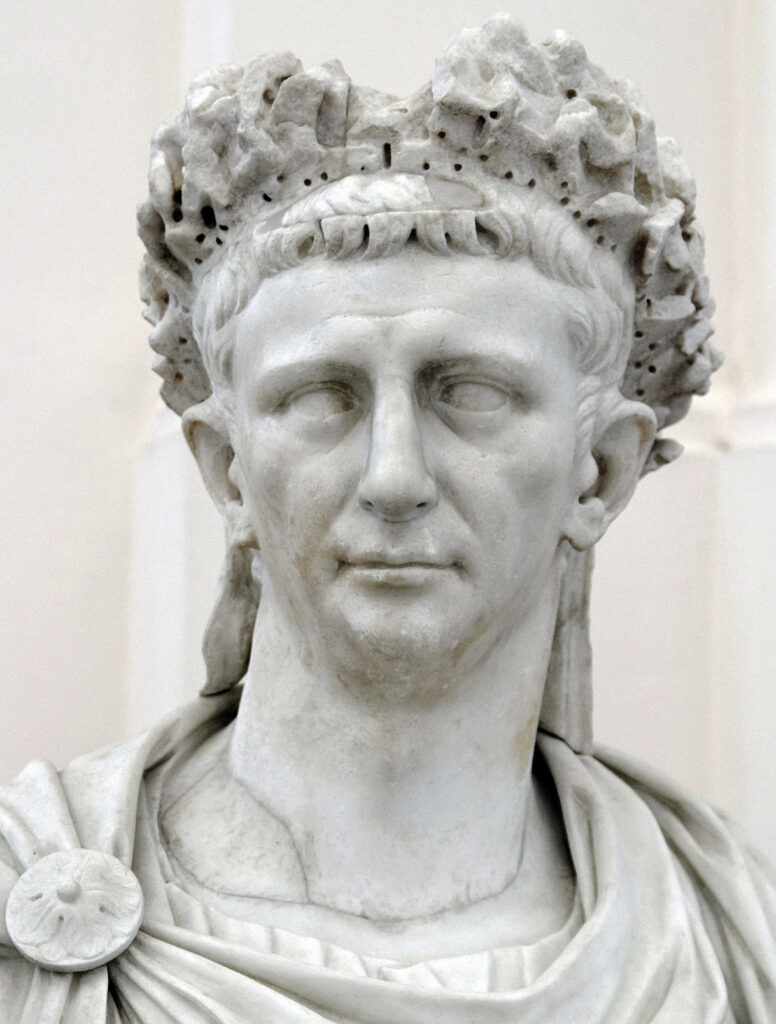
Nearly 100 years later, another royal member of the Catauvellauni tribe was to lead resistance against the formidable machine of the Roman army. In 43 AD, Emperor Claudius sent a fullscale invasion of around 40,000 men.
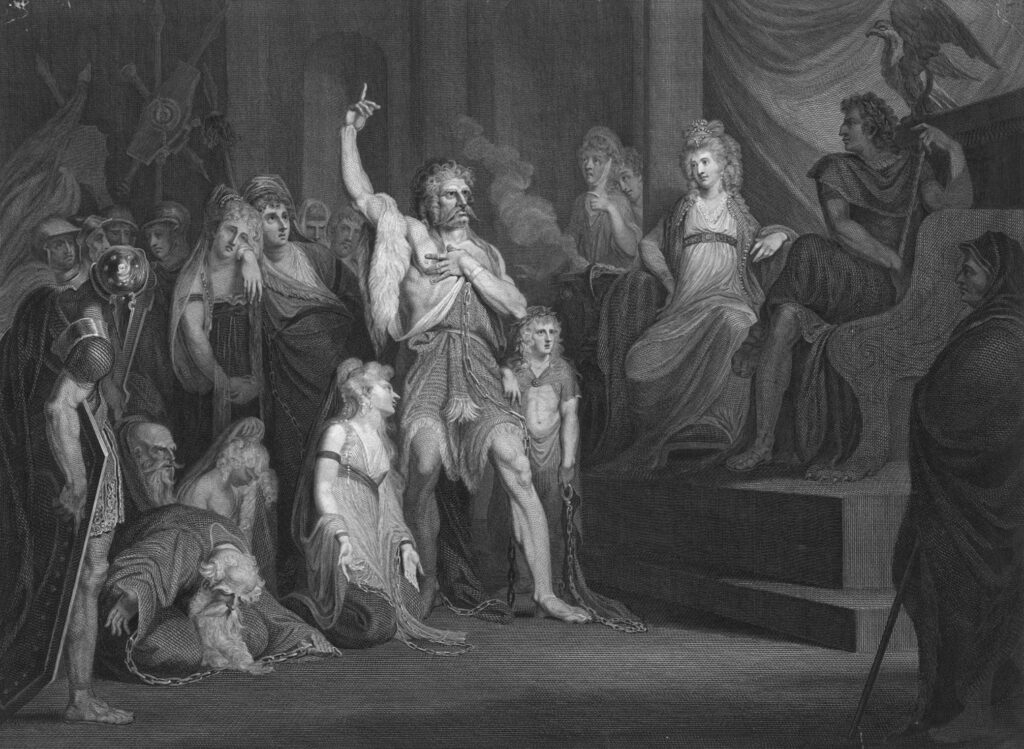
Caratacus, based in modern day Colchester, was one of the sons of Cunobelin, King of the Catuvellauni. By this time, the Catuvellauni tribe was the most powerful in the south-east. Caratacus fought so bravely against the invaders that when captured and paraded in Rome in chains, this determined troublemaker was allowed to make a speech to the Roman Senate. So impressed were they by his impassioned words, Caratacus was released from his imprisonment and allowed to spend the rest of his days in Rome living peacefully with his family. It is written that when Caratacus first saw the city of Rome, he said in disbelief, “can you, who have got such possessions, … still covet our poor huts?”.
Our local tribespeople, however, seemed quick to accept the inevitability of Roman occupation. Not to mention the potential benefits. Common sense ruled, with their approach apparently along the lines of ‘if you can’t beat them, join them’. For the Romans this suggested no need for a heavily manned military fort. Which meant that when trouble threatened, Verulamium was vulnerable.
This time, it was a woman who brought trouble. Deadly trouble. Around 11 years after the Catuvellauni settlement became the municipium of Verulamium, Boudicca and
her Iceni warriors swept through its streets, leaving a fiery trail of death and destruction.
The Iceni tribe occupied modern day Norfolk. In 60 AD, Iceni King Prasutagus died, leaving half his land to his two daughters. He left the remaining half to the Romans in the hope that this would satisfy them. Some hope. They wanted it all.
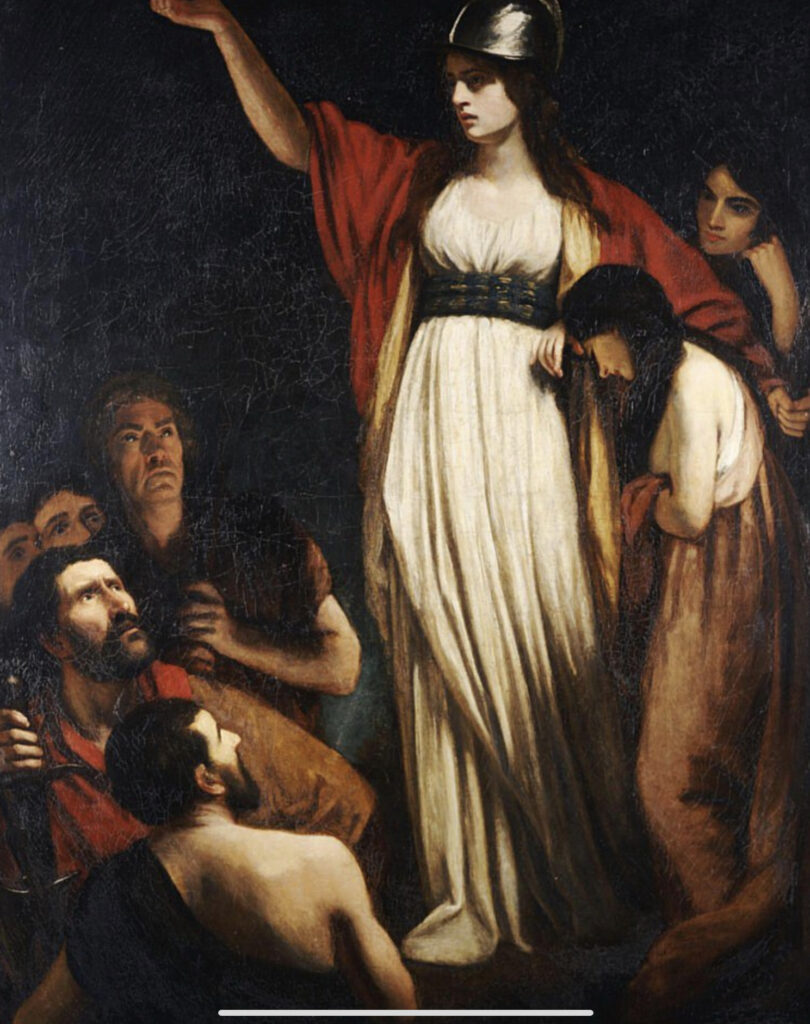
The widowed Queen Boudicca tried to protect her daughters’ inheritance but instead was publicly flogged and her daughters raped. The Iceni exploded into open revolt, storming Roman cities, including Camulodunum (Colchester) and Londinium. Then they fell upon Verulamium. It made a fine target. A wealthy town relatively unprotected. There was also little love lost between the local Catuvellauni people, seen as pro-Roman, and the tribespeople of the east. The news of the oncoming horde had spread and so many were able to flee, but those who couldn’t escape in time were slaughtered, their possessions looted, their homes razed to the ground.
The Roman historian, Tacitus wrote that the people of Verulamium suffered the same hideous fate as those of Londinium.
And Boudicca? A final battle took place between the Iceni and the Roman Army. It’s believed that Boudicca either died in battle or poisoned herself after her resounding defeat. Meanwhile, in the burnt ruins of Verulamium,
survivors of the brutal attack wearily began to pick themselves up and salvage what was left.
By 300 AD, the positive aspects of Roman occupation were apparent. Their engineering and building skills meant good roads, sturdy, imposing architecture and piped water. The Catuvellauni were profiting from trade links throughout the Roman Empire.
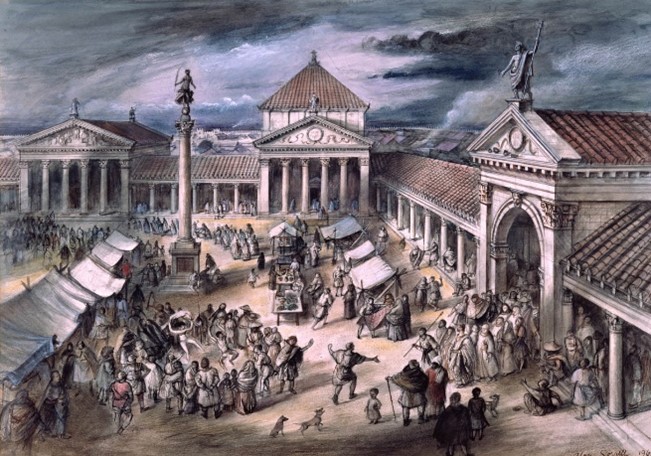
Newly introduced foods flourished – such as apples, pears, plums, almonds, walnuts, mint and coriander. And the vine. Let us not forget the vine. Verulamium was thriving, with its heated baths, its theatre, temples and massively imposing basilica – centre of administration and justice (now buried beneath St Michael’s Church). Wagons laden with produce from all over the Roman Empire trundled to its marketplace, the forum (the site now occupied by St Michael’s vicarage). But there was another type of rebel. And this time the trouble wasn’t brought by warriors.
Roman Britain was a cosmopolitan place with foreign merchants and soldiers from all over the empire introducing different cultures, foods and beliefs.
One of these new beliefs was Christianity. The people of Verulamium worshipped a mix of local gods and goddesses, often blending these with the new influx of Roman and eastern gods. The Romans didn’t particularly care who or even what you worshipped as long as you paid your taxes and didn’t cause trouble. The problem with Christians was that they refused to worship the state gods of Jupiter, Juno and Minerva. They also refused to recognise that the Emperor was himself a god.
That made it treason.
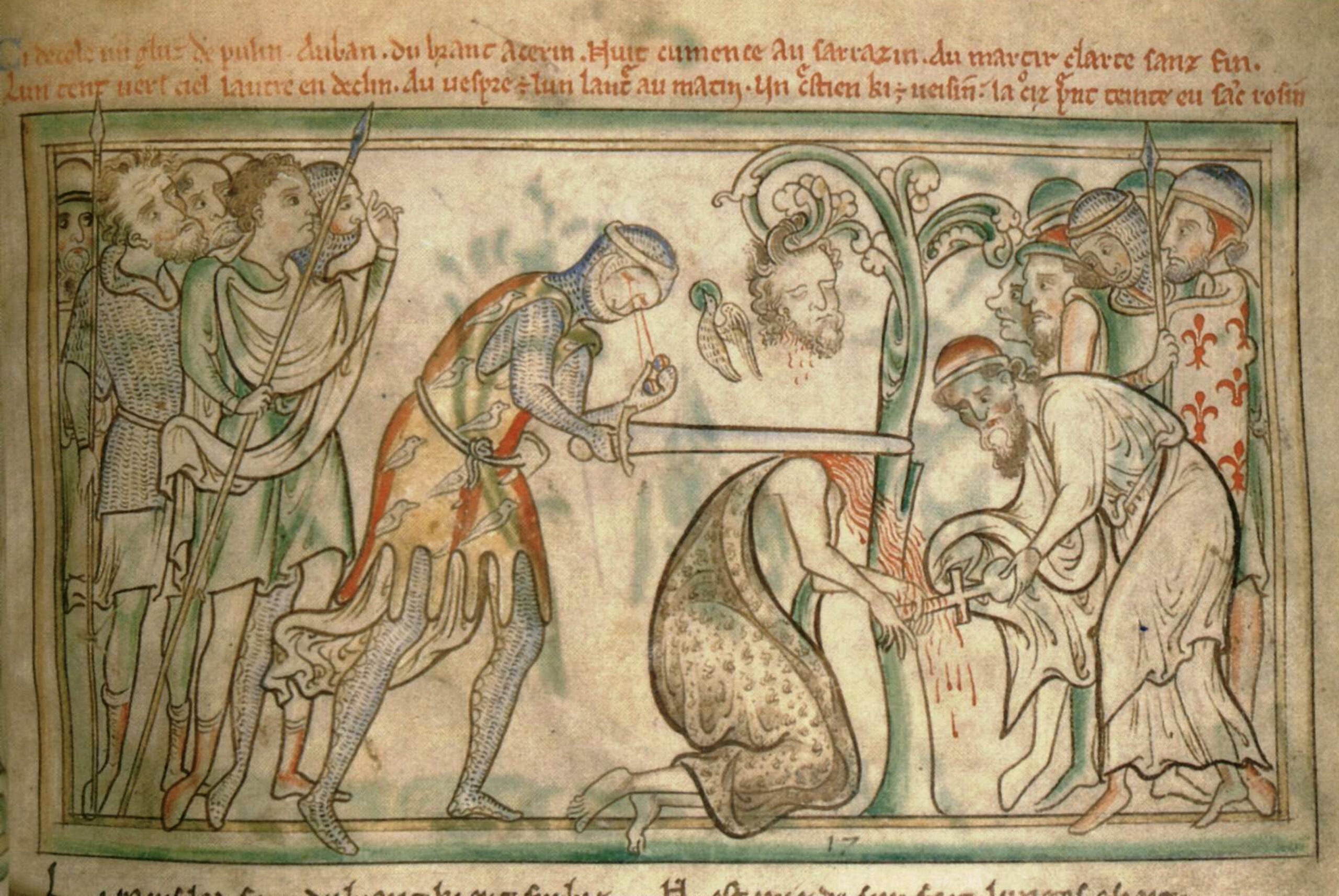
This is where our troublemaker enters the scene. Our very own, very significant troublemaker, who became Britain’s first Christian martyr and saint and who gave his name to our city. Alban. A citizen of Verulamium, Alban gave refuge to a Christian priest fleeing persecution and was converted to Christianity by him. Alban helped the priest escape then gave himself up in his stead. He was taken to the Basilica and found guilty of treason. Marched outside the city walls, over the river Ver, Alban was led uphill to his execution. He was buried on the hill where the magnificent Abbey Church and Cathedral of St Albans now stands, protectively encircling his shrine.
But local trouble didn’t stop with Alban’s death. More was to come. Much more. www.stalbanstourguides.com