


07 May 2024
It would be easy to dismiss Helen Day as an eccentric collector of childhood ephemera, when in reality she is preserving the remnants of a bygone era while researching the backstories and social impact of her subject.
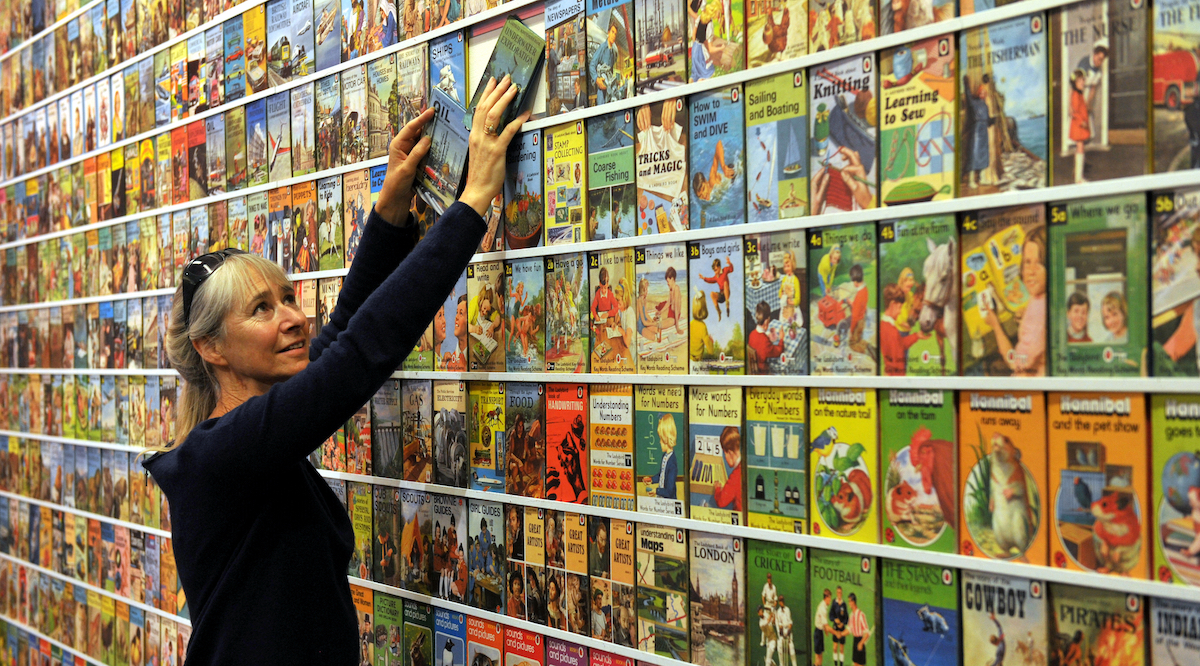
With a comprehensive collection of thousands of Ladybird Books filling her Harpenden home, she has become something of a go-to expert on the imprint, first published by Wills & Hepworth in 1940 and going on to becoming one of the most successful children’s book series of all time.
This has resulted in her tracking down the artists’ models for characters like Peter and Jane, many of the original photos used as the basis for illustrations, and even the daughter of the woman on the cover of The Magic Porridge Pot, to highlight one specific example.
“I’ve been kindly called a cultural historian, which I’ll go with. It’s fascinating. There are what I call flashbulb moments when real life turns into a fictional image which is going to imprint itself on children’s memories.
“It’s a fascinating blur of social history and reality, what matters and what people think matters. Historians know there is no unbiased history, so by telling a story for children, what you deem to be important is almost as interesting as what the final content is, because you’ve decided in one picture what a villain is going to look like, or what a hero is going to look like.
“Inevitably you can tell when the books were written and the choices that were being made, and that’s as interesting as the final product.”
Helen’s fascination with the books has resulted in her curating a free touring exhibition, ‘‘The Wonderful World of the Ladybird Artists’, recounting the history of the illustrators and publishers behind Ladybird, which she is finally bringing home to St Albans Museum + Gallery this month.
Her roots in the district are well-established. Both of her parents were teachers in St Albans, Helen went to Cunningham Hill Primary School as a young child, worked in Oaklands College for many years and went on to teach English as a foreign language around the world before finally settling in Harpenden with her husband and family.
She is obviously excited to be presenting the exhibition locally: “I’m thrilled that the exhibition is coming home to St Albans. I’ll have a chance to show my friends, family, colleagues and students what’s been absorbing me over these years!
“Hundreds of books are made available for visitors to browse through and share and it’s always such a joy to watch the expressions of adults as they recall the images and the memories they stir from their childhood and of children as they discover the wonderful illustrations for the very first time.”
Visitors to the Museum exhibition will be taken through different zones and themes including Nature and the Environment, History, Fairy Tales, and Learning to Read, each exploring the story and work of different artists including photographs of the locations, families, friends and neighbours who inspired them, and looking at the moments in time they were capturing.
Of particular interest to local residents is Warwick The Kingmaker, which refers to the famous Battle of St Albans which took place on May 22 1455 and traditionally marks the beginning of the Wars of the Roses in Britain.
An artist to look out for is Martin Aitchison, who illustrated around 100 books for Ladybird from the early 1960s including the popular Peter and Jane series and many Fairy Tale books including Martin’s personal favourite commission, Gulliver’s Travels. Martin was the only Ladybird book artist Helen met in person and they became friends before he died in 2016.
Does she feel the images in the books reflect a golden age that never really existed or are they ultimately quite an accurate depiction of what was then contemporary life?
“It’s an interesting mixture of an idealised scene, but also just the softening effect you’d expect when you’re writing books intended for kids that are very young. When people say to me, ‘oh it was an idealised world’, I say ‘well year, but Peppa Pig doesn’t exactly live in the real world’!
“It’s how you choose to make the world not a scary place for kids, but at the same time inform them.”
Images from Ladybird Books are often ingrained on our memories, and decades after we last read them we can recall the layout of scenes and the look of characters – to what does she attribute this near-immortality?
“It’s a combination of things, isn’t it? It’s the amazing genius of the artists who absolutely knew how to get, quite literally, into a five-year-old’s head.
“But it was also I think the fact that when I was growing up in the ‘60s, ‘70s, ‘80s, we just didn’t have so many books and so you didn’t have so many distractions. Your books that you did have you really poured over.
“At my grandmother’s house she just had an old Beano annual from the 1950s and another battered old book from the war and so my brother and I would read it, read it, read it upside down, read it back to front – it was either that or my granddad’s rose catalogues.”
“The chemical combination of Ladybird Books is to put really magical illustrations alongside the words and the pictures stay with you forever.”
The cultural history aside, first and foremost Helen is a collector. And as any true collector knows, there are associated issues with storage, cataloguing, grading…
“You know, it becomes a whole subculture, doesn’t it, of your life. What really engages me is the social history. That and all these books will one day be sold, you know, so I’m not saying they’re investment because they probably aren’t.
“But people will ask me questions and if I’m going to be the person who can answer their questions it’s not just enough to have a copy of The Seashore and Seashore Life. You’d have to know all the different editions so that you could answer that question.
“So, on the shelves, I might have 10, 15 copies of the same book, but they’re not quite the same book. But I don’t have any spreadsheets, any lists like that, the only lists I’ve produced I put on my website so that other collectors can tick off what they’ve got.”
The books themselves are sub-divided into series, and numbered within those categories, which makes cataloguing them a lot easier than, for example, trying to log the various issues of Amazing Spider-Man comic through renumberings, relaunches and rebrandings.
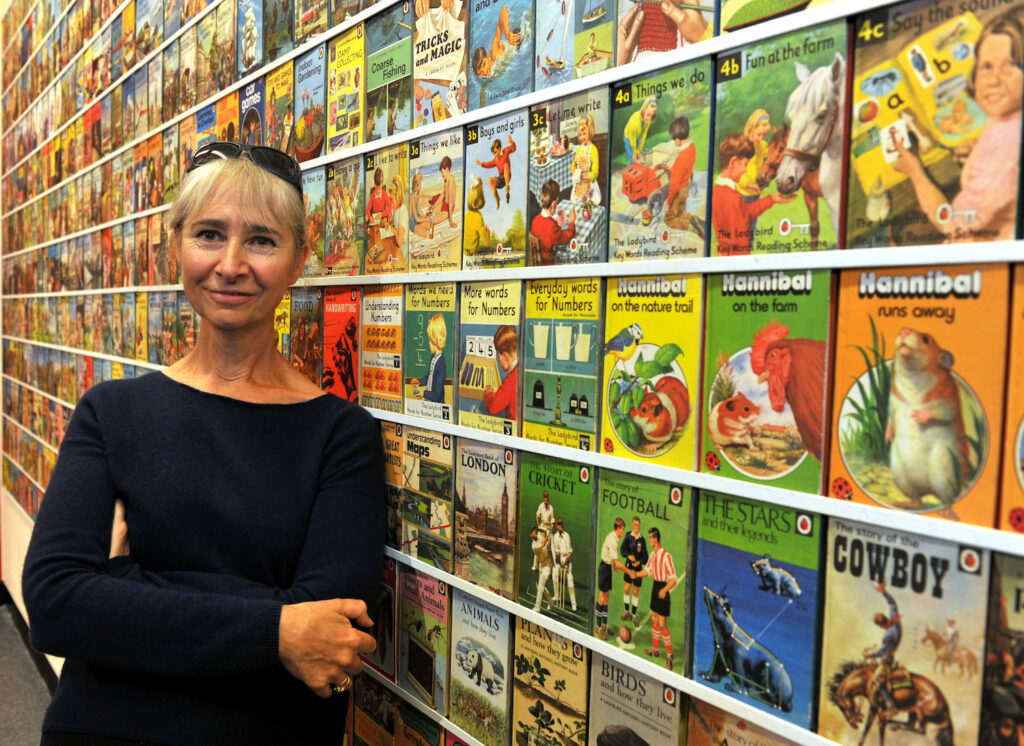
It was Helen’s son Alexander who prompted her initial interest in Ladybird Books, she explains.
“I grew up with the books, I was quite fond of them, but like lots of people, when you have your first child, you start thinking about what you really liked as a child and that was the point when I started collecting.
“It was around 1999-ish so there were still loads of car boot sales and jumble sales. People were at the point of chucking these books out in shovel-loads so it was very easy to amass a large number of them. I did it uncritically, if they were there, I’d buy them and then sort them. But the internet was in its early days so there were no real records to tell us what books were out there.
“That’s when I set up my website [https://ladybirdflyawayhome.com]. I did English at university, so I had to go to WH Smith’s and buy a book called Teach Yourself HTML, and then I hand-coded a website, step by step. That was really when I properly turned into a collector, because that’s when people would get in touch and share their stories. That’s what I felt really needed documenting.
In the days before eBay was properly established, she received one particular book – High Tide – which cost more than £200, a price she wouldn’t need to pay today, but there are still some rarities out there which will fetch for over £300 each.
“That’s quite a lot for something that’s mass-produced,” she points out.
“Because Ladybird was so successful most books were printed in huge numbers so they’re still widely available and don’t cost a fortune. They also don’t take up much space unless you go to ridiculous lengths like I have so it’s still a very accessible hobby.”
The best copy of one of every title stays in her house at all times, a 2,000-strong sub-collection she describes as her “A-Team”, so the books on display in the exhibition are duplicates.
And the obvious question then, what is her favourite? “I’ve got a range of answers here. If you asked me when I was five, I’d say Cinderella. If you asked me when I was ten, I’d say Elizabeth I. And if you asked me today, at a push, I might say What to Look For In Autumn.”
But there’s one, near-legendary Ladybird Book which she will never own, a version of How It Works: The Computer, produced exclusively for staff working at the Ministry of Defence brought in when staff began using desktop computers.
For years its existence was the stuff of gossip and speculation, but she now believes it definitely existed, albeit having since been pulped.
“I’ve concluded it absolutely did happen. The final piece in the jigsaw was speaking to the daughter of the man who commissioned it. I’ve also spoken to the man who remembers printing it and the discussions about how they would go about printing it.
“It’s also clear why it doesn’t seem to exist today because the chap who commissioned it was a stickler for procedure and he basically would have decommissioned it. So 250 were made, they were issued, they would have come back in again and they’d have been destroyed.”
Looking back on Ladybird Books with a contemporary perspective, it’s hard to ignore those elements which reflect society at the time, in particular, attitudes towards gender assumptions, sexism, patriarchy, cultural appropriation and gender representation, but Helen is conscious of viewing them as products of their time.
“I treat these books as historical artifacts. I mean, in 40 years’ time we’ll probably look back with disgust at half the things that have been printed today. You just see them in their historical context and reflect on what’s changed, what hasn’t changed.
“I think with the history books, it’s important to remember that they were called Adventures in History. It was meant to be an approach whereby you animate kids by telling almost a fictionalised version of history, so you’re telling a jolly good story about Nelson or about Florence Nightingale and what matters because if the kid is fired up and feels involved, so they’re going to grow up and find out more and get engaged.
“There are surprisingly few dates and that sort of dustiness in the history books. It’s really really sweeping people up in the joy of the story. The person who wrote most of them was not a historian, he was a playwright, and that was a very knowing, conscious decision on their part.
“The big point about Ladybird Books is that the picture had to do at least half the work of the book, if not more, because if you were engaged by the picture you would then turn to the text, and that was the magic I think.
“The text took a lot of effort in the pre-internet days so you couldn’t just Google a fact, it was a trip down to a library or a visit to the British Library to check your details. It was heavy-going but they put the work in because they wanted the brand to be trusted, and it was.”
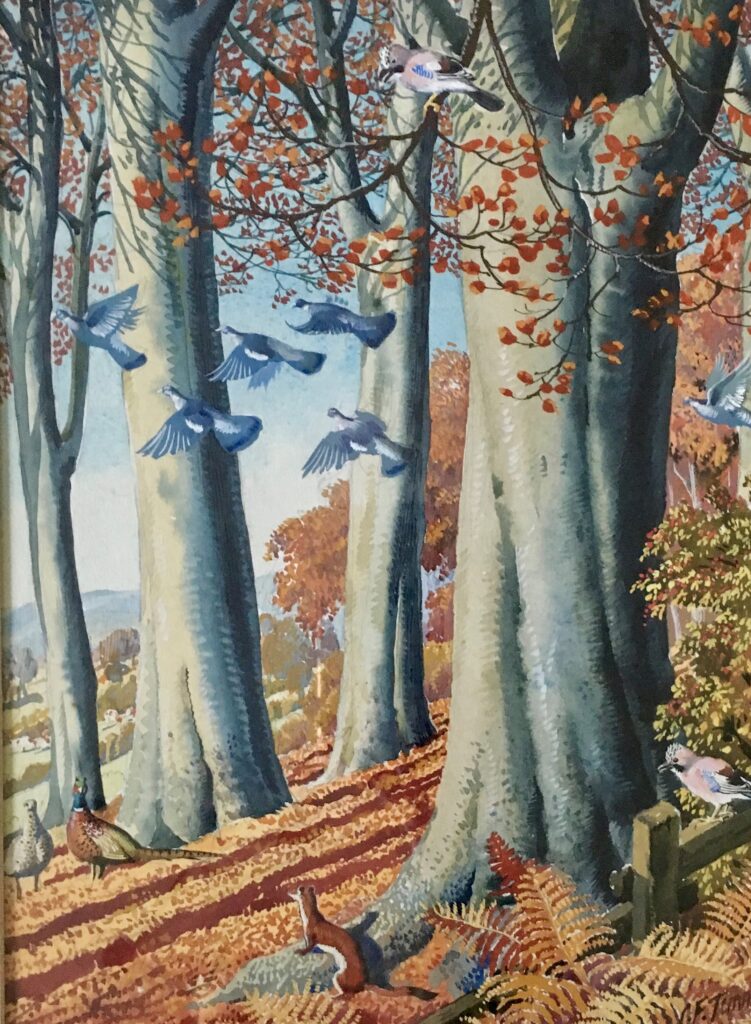
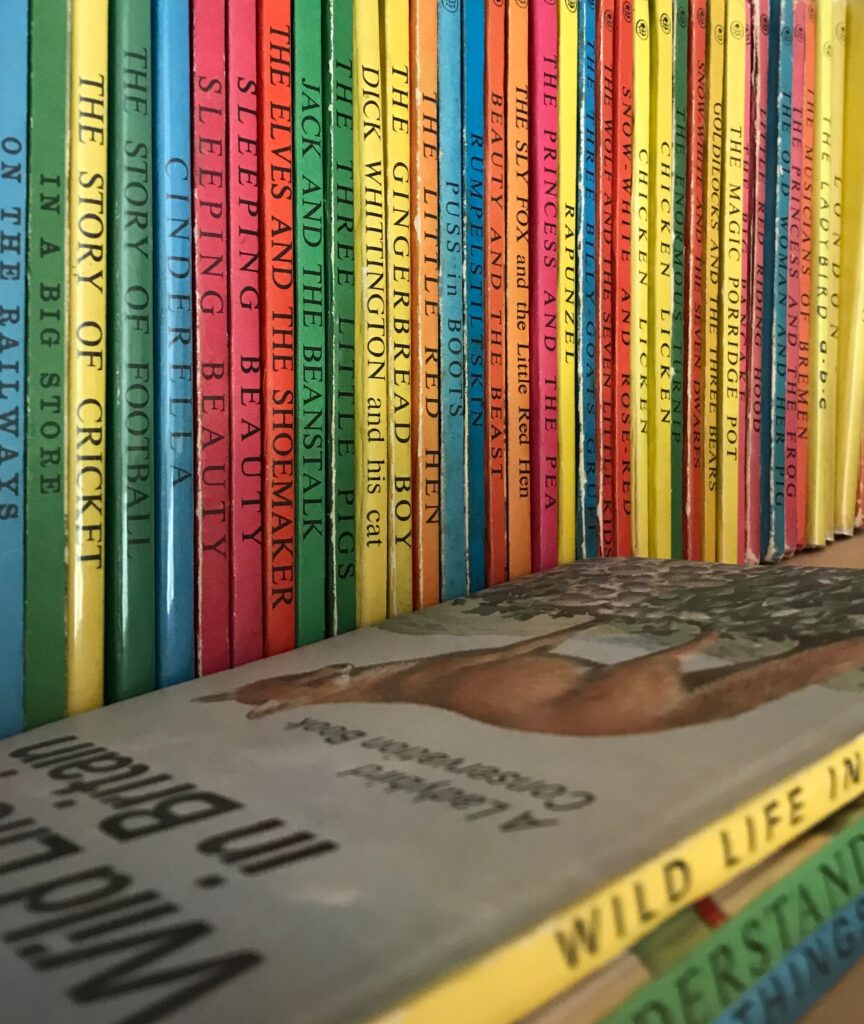
Photo: Ladybirdflyawayhome
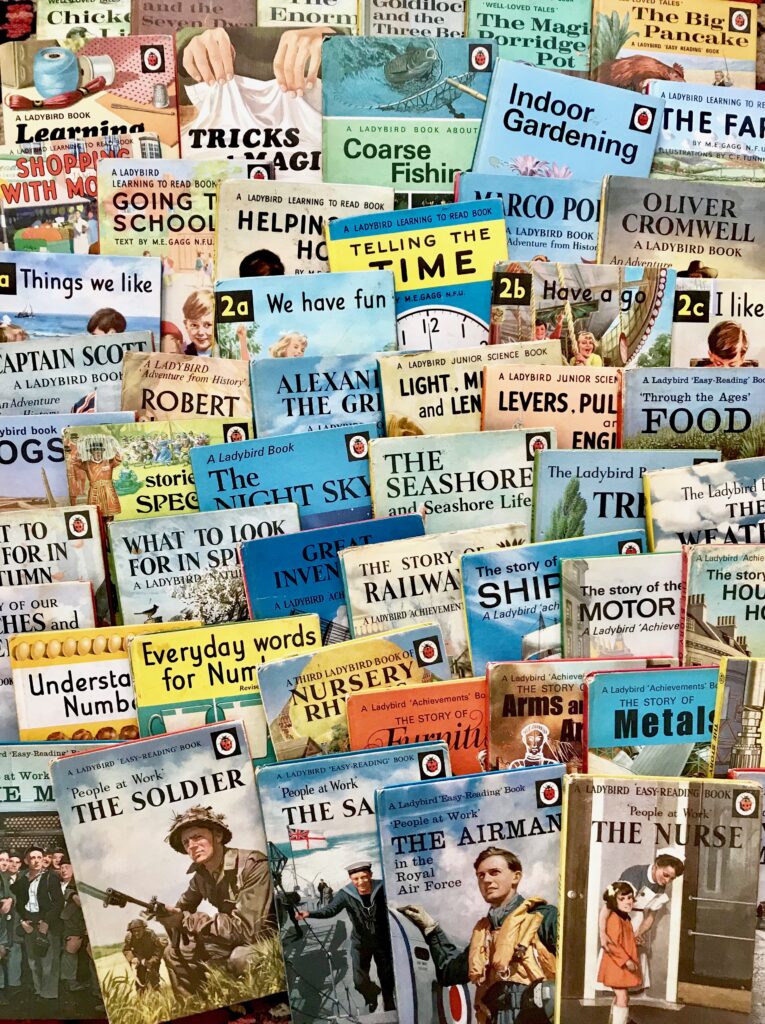
Photo: Ladybirdflyawayhome
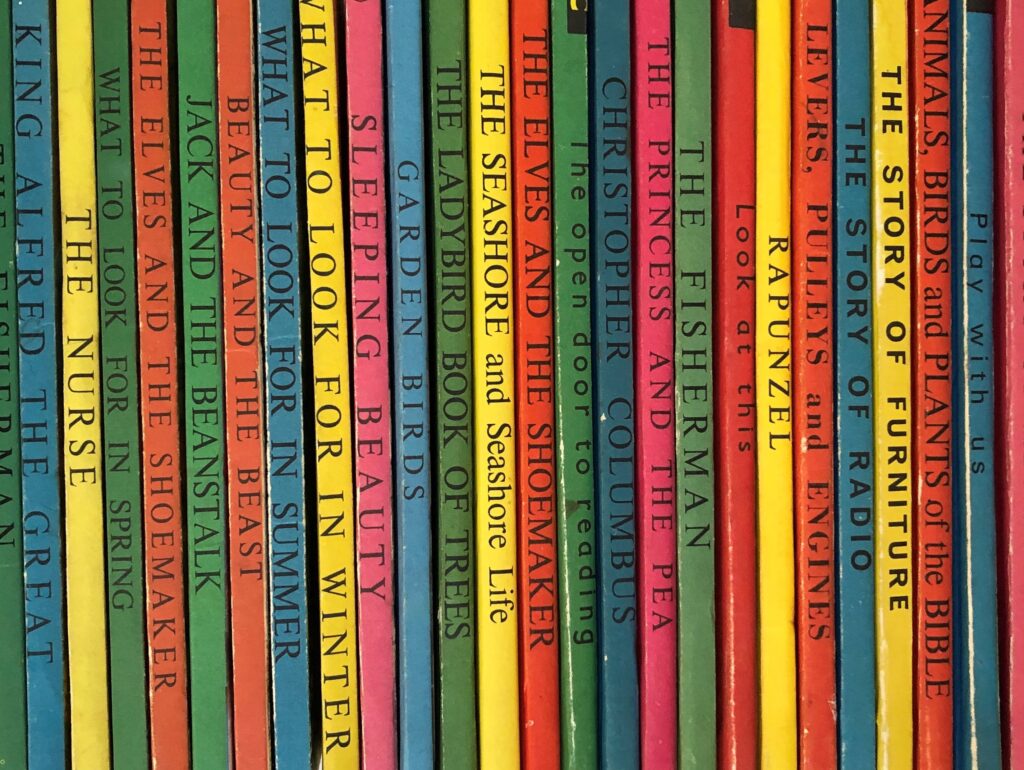
Photo: Ladybirdflyawayhome
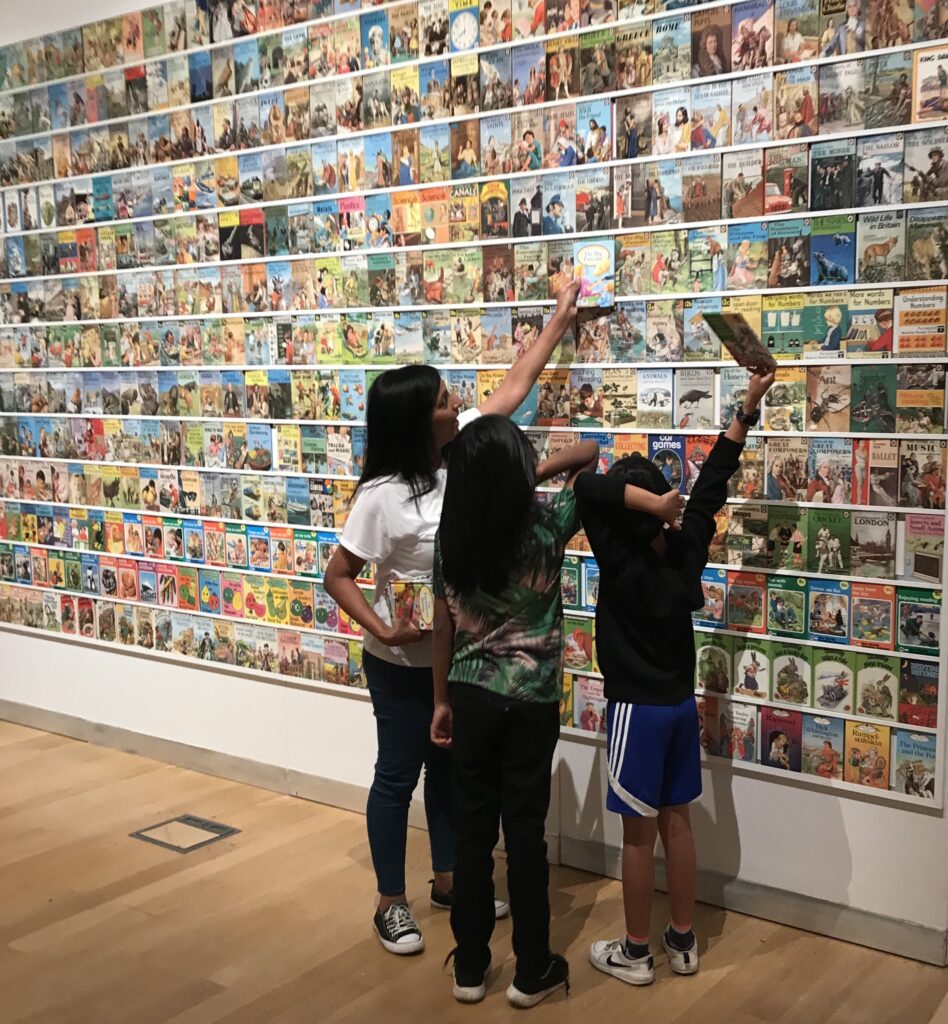
Photo: Ladybirdflyawayhome
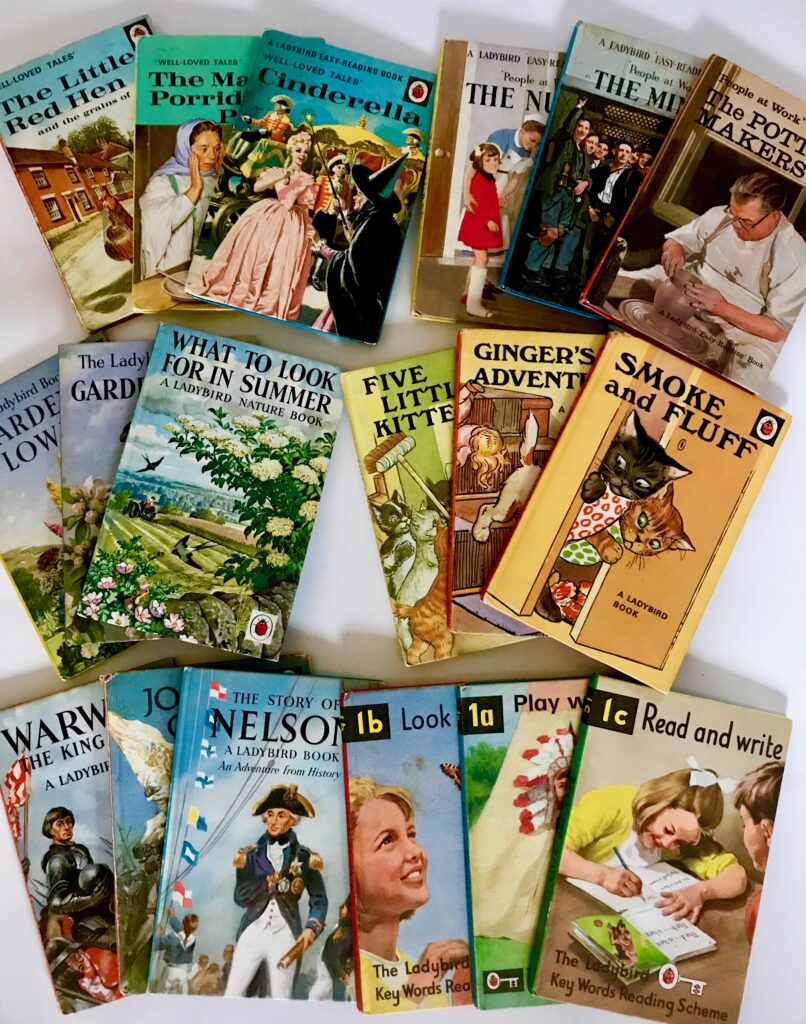
Photo: Ladybirdflyawayhome
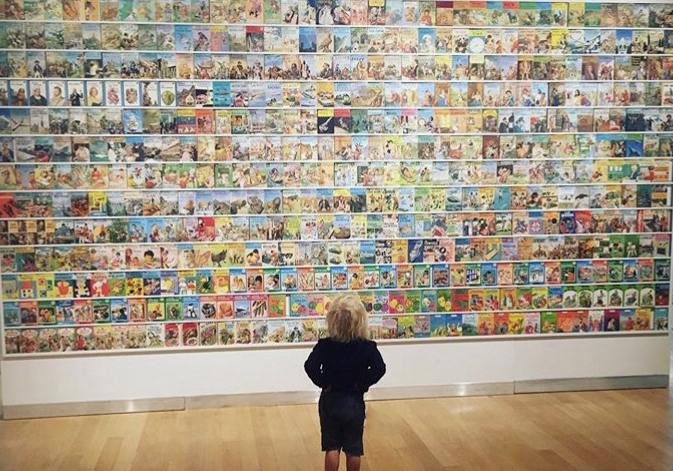
Photo: Ladybirdflyawayhome
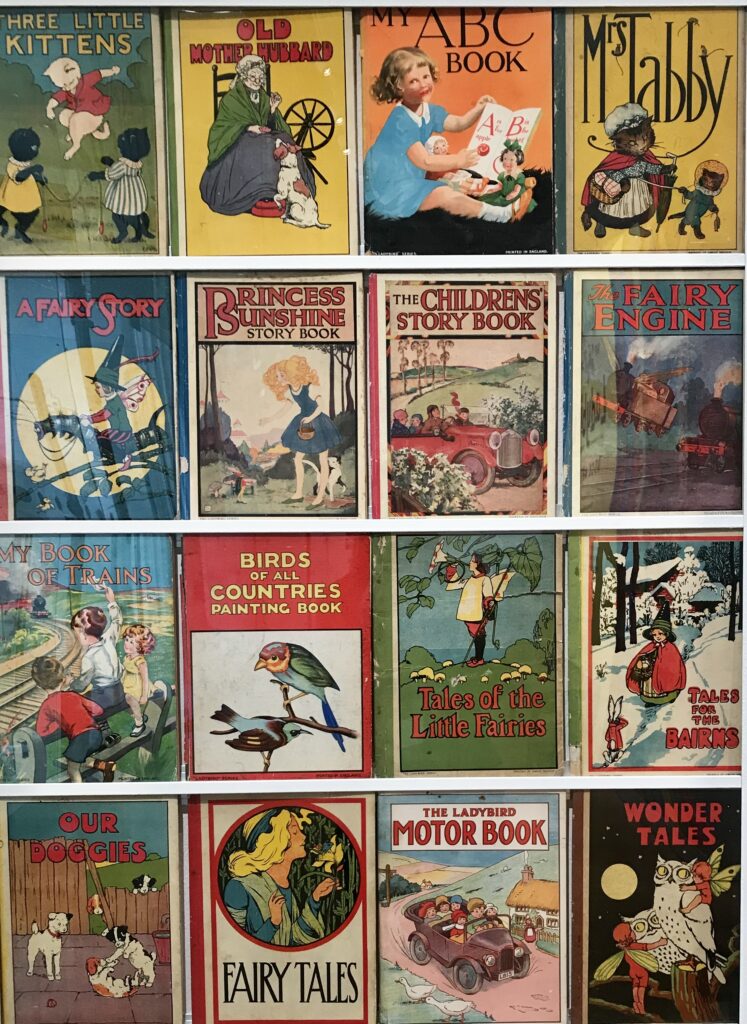
Photo: Ladybirdflyawayhome
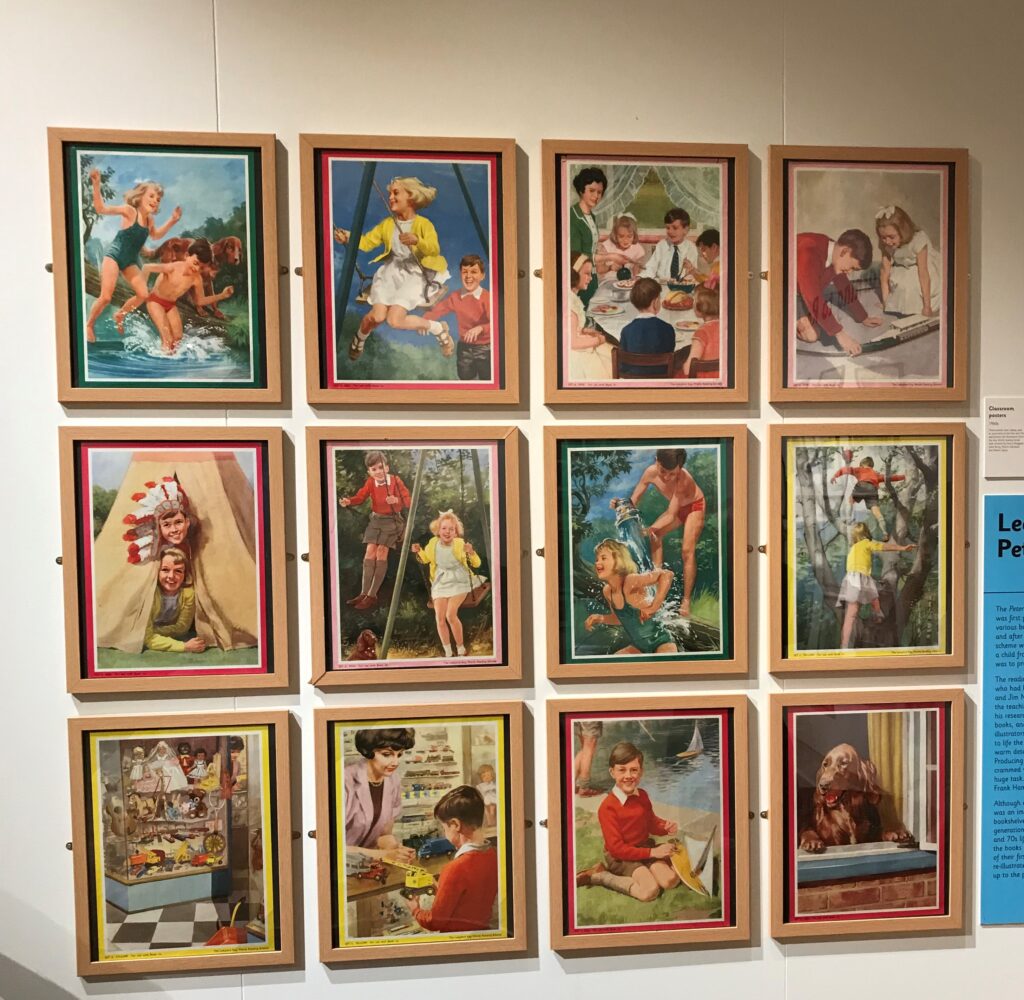
Photo: Ladybirdflyawayhome
